
Updated July 17, 2026
Hair protein treatment is a targeted hair care method that replenishes lost keratin, rebuilding strand strength from within. Unlike regular conditioners, a protein treatment works at the structural level to repair damage, reduce breakage, and restore elasticity to weakened hair. If your hair feels mushy, breaks easily, or won’t hold a style, a protein treatment may be exactly what your routine is missing.

In this complete guide, you’ll learn exactly what hair protein treatment does, the science behind how it works, when to use it, and how to apply it correctly for maximum hair strength and long-term damaged hair repair results.
What Is a Hair Protein Treatment?
A hair protein treatment is a deep conditioning product formulated with concentrated protein molecules—most commonly keratin, collagen, or hydrolyzed plant proteins—that penetrate the hair cuticle to repair and reinforce the strand from the inside out. Hair is composed of approximately 90% keratin by weight, making protein the fundamental building block of strong, healthy hair (Robbins, 2012).
Unlike surface-level moisturizing products that coat the outside of the hair shaft, protein treatments bond with the hair’s internal structure. This makes them especially effective for hair that has been chemically processed, heat-styled, or exposed to environmental stressors that deplete its natural protein stores.
For those dealing with chronic breakage or severely damaged hair, exploring why hair breaks and how to repair it often leads directly to the solution: a consistent protein regimen using a professional hair protein treatment.

The Science: Why Hair Needs Protein and How Keratin Works
To understand why hair protein treatment is so effective, it helps to understand the basic structure of hair. Each hair strand is made up of three layers:
- Medulla – the innermost core (not always present in fine hair)
- Cortex – the middle layer containing keratin fibers that determine strength, elasticity, and color
- Cuticle – the protective outer layer of overlapping scales
The cortex is where keratin lives. Keratin is a fibrous structural protein composed of long chains of amino acids (particularly cysteine), which form strong disulfide bonds that give hair its tensile strength. When these bonds are broken—by chemical treatments, excessive heat, or mechanical stress—the hair loses its structural integrity and requires a targeted hair protein treatment to rebuild.
A hair protein treatment works by depositing protein molecules into the cortex through gaps in the cuticle. Once inside, these proteins bond with the hair’s existing keratin structure, effectively patching weak spots and reinforcing areas where protein has been depleted. Research published in the International Journal of Cosmetic Science confirms that hydrolyzed protein ingredients in hair care formulations can significantly improve tensile strength and reduce breakage in chemically damaged hair (Gavazzoni et al., 2014).
For a deeper dive into how protein interacts with hair at a molecular level, read our article on the science behind collagen for hair and protein treatments.
Signs You Need a Hair Protein Treatment
Not sure whether your hair is protein-deficient or simply dry? Here are the most common signs that indicate a hair protein treatment is needed:
- Excessive stretchiness when wet — hair feels gummy or mushy instead of springy
- Frequent breakage even with gentle handling and regular trims
- Inability to hold a curl despite using styling products
- Sudden texture changes — hair that was previously smooth becomes frizzy or rough
- Visible split ends that reappear shortly after trimming
- Hair feels lifeless and limp with no bounce or body
- Recent chemical processing — bleaching, coloring, perming, or relaxing
It’s important to distinguish between protein deficiency and moisture deficiency. Hair that lacks moisture feels dry and rough, while hair that lacks protein feels overly soft, mushy, or stretchy. Both require targeted treatment—and both are covered in our comparison of protein vs. moisture treatments for hair.

When to Use a Hair Protein Treatment
Timing matters when it comes to hair protein treatment. Using a protein treatment at the right moment maximizes its reinforcing benefits without risking protein overload, which can make hair stiff and brittle. Here are the ideal moments to incorporate a protein treatment into your routine:
- After chemical processing — bleaching, dyeing, perming, or relaxing strips the hair of natural protein
- After prolonged heat styling — flat irons, curling wands, and blow dryers degrade keratin over time
- During seasonal transitions — environmental changes can weaken hair structure
- When switching from protective styles — exposed hair may be protein-depleted
- When experiencing unexplained breakage despite a consistent hair care routine
Most hair care experts recommend a hair protein treatment every 4–8 weeks, depending on the level of damage and your hair’s porosity. High-porosity hair (often resulting from chemical processing or heat damage) absorbs protein more quickly and may benefit from more frequent treatments.
How to Apply a Hair Protein Treatment: Step-by-Step Guide
Following the correct application process is essential to getting the full benefits of your hair protein treatment. Below is a step-by-step guide using professional-grade products like the Karseell Repair Protein Cream Leave-In Conditioner and Karseell Collagen Hair Treatment Deep Repair Mask.
Step 1: Start with Clean Hair
Wash your hair with a gentle, sulfate-free shampoo to remove product buildup and open the cuticle. The Karseell Collagen Hair Treatment and Karseell Power Shampoo is an excellent pre-treatment cleanser that prepares hair to receive protein without stripping natural oils.
Step 2: Towel Dry to Damp
Gently towel dry your hair until it is damp but not soaking wet. Protein treatments penetrate better in slightly damp hair, where the moisture helps drive the protein into the cortex for maximum hair strength benefits.
Step 3: Apply the Protein Treatment
Section your hair into 4–6 portions. For a leave-in option, apply the Karseell Repair Protein Cream evenly from mid-length to ends, focusing on the most damaged areas. For a deep repair mask, apply a generous layer of the Karseell Collagen Hair Treatment to each section, ensuring full coverage from root to tip.
Step 4: Cover and Wait
Put on a shower cap to trap heat, which enhances penetration. Leave the treatment on for the recommended time (15–30 minutes for leave-in creams, 20–45 minutes for deep masks). For intensive damaged hair repair, leave it on for up to 60 minutes.
Step 5: Rinse and Style
Rinse thoroughly with cool water to seal the cuticle and lock in the deposited protein. Style as usual, avoiding heat tools for 24 hours if possible to allow the protein to fully bond with the hair shaft.

Karseell Collagen Hair Treatment — argan oil-infused formula for deep damaged hair repair
Hair Protein Treatment Frequency: Finding the Right Balance
One of the most common mistakes with hair protein treatment is overdoing it. While protein is essential for hair strength, excessive protein can lead to a condition called protein overload, where hair becomes stiff, dry, and brittle—the opposite of what you want. The key is balance: protein treatments followed by moisturizing conditioners to restore hydration.
- Highly damaged hair (heavily bleached or chemically processed): Every 2–4 weeks
- Moderately damaged hair (regular heat styling): Every 4–6 weeks
- Maintenance (healthy hair): Every 6–8 weeks
- Low porosity hair: Every 8–10 weeks (penetrates more slowly)
Always monitor how your hair responds and adjust the frequency accordingly. If your hair starts feeling stiff or brittle after a protein treatment, extend the interval and ensure you follow up with a deep moisturizing conditioner to rebalance.
Choosing the Right Protein Treatment for Your Hair
Not all hair protein treatment products are created equal. The effectiveness depends on the type and molecular size of the protein used:
- Keratin – The most similar to hair’s natural protein; effective for deep strength restoration
- Collagen – A large protein that coats the surface; excellent for adding body, shine, and elasticity
- Hydrolyzed Silk Protein – Small molecules that penetrate deeply; ideal for fine or limp hair
- Wheat Protein – A mid-size protein suitable for medium-porosity hair types
The Karseell Collagen Hair Treatment Deep Repair Mask combines hydrolyzed collagen with argan oil to deliver both protein reinforcement and deep hydration in one product—making it ideal for dry damaged hair repair that needs both structural rebuilding and moisture replenishment.

Karseell Repair Protein Cream — leave-in conditioner for daily hair strength maintenance
Expert Video: Understanding Hair Protein Treatments
Watch this comprehensive guide to better understand how hair protein treatment works and when to incorporate it into your hair care routine for optimal damaged hair repair and hair strength results.

Frequently Asked Questions
How long should I leave a hair protein treatment on my hair?
Most protein treatments require 15–45 minutes for optimal penetration. Leave-in treatments can be worn longer, but always follow the product’s instructions. Leaving a deep protein mask on overnight is generally not recommended, as it can lead to protein overload and make hair brittle.
Can I use a protein treatment and a moisture treatment together?
Yes—but the order matters. Apply your hair protein treatment first to repair the structural damage, then follow with a moisturizing conditioner or deep hydrating mask to restore hydration. This two-step process addresses both protein depletion and moisture loss simultaneously for comprehensive damaged hair repair.
Is a hair protein treatment safe for color-treated hair?
Absolutely. Color-treated hair is often protein-depleted because the bleaching process breaks down keratin bonds. In fact, a hair protein treatment is one of the best ways to restore strength and shine to color-treated hair. Look for products specifically formulated for color safety, like the Karseell Collagen Hair Treatment.
What is the difference between a protein treatment and a deep conditioner?
A hair protein treatment focuses on rebuilding the internal structure of the hair by replenishing lost keratin. A deep conditioner focuses on hydrating and moisturizing the hair. Both are essential for healthy hair, but they serve different purposes. Our detailed guide on protein vs. moisture treatments explains this distinction in full.
Can I make a DIY protein treatment at home?
While DIY options like egg masks or Greek yogurt treatments do contain protein, they lack the concentrated, hydrolyzed protein molecules found in professional-grade hair protein treatment products. Professional formulations like Karseell’s Collagen Hair Treatment Deep Repair Mask penetrate deeper and deliver more consistent, scientifically formulated results.
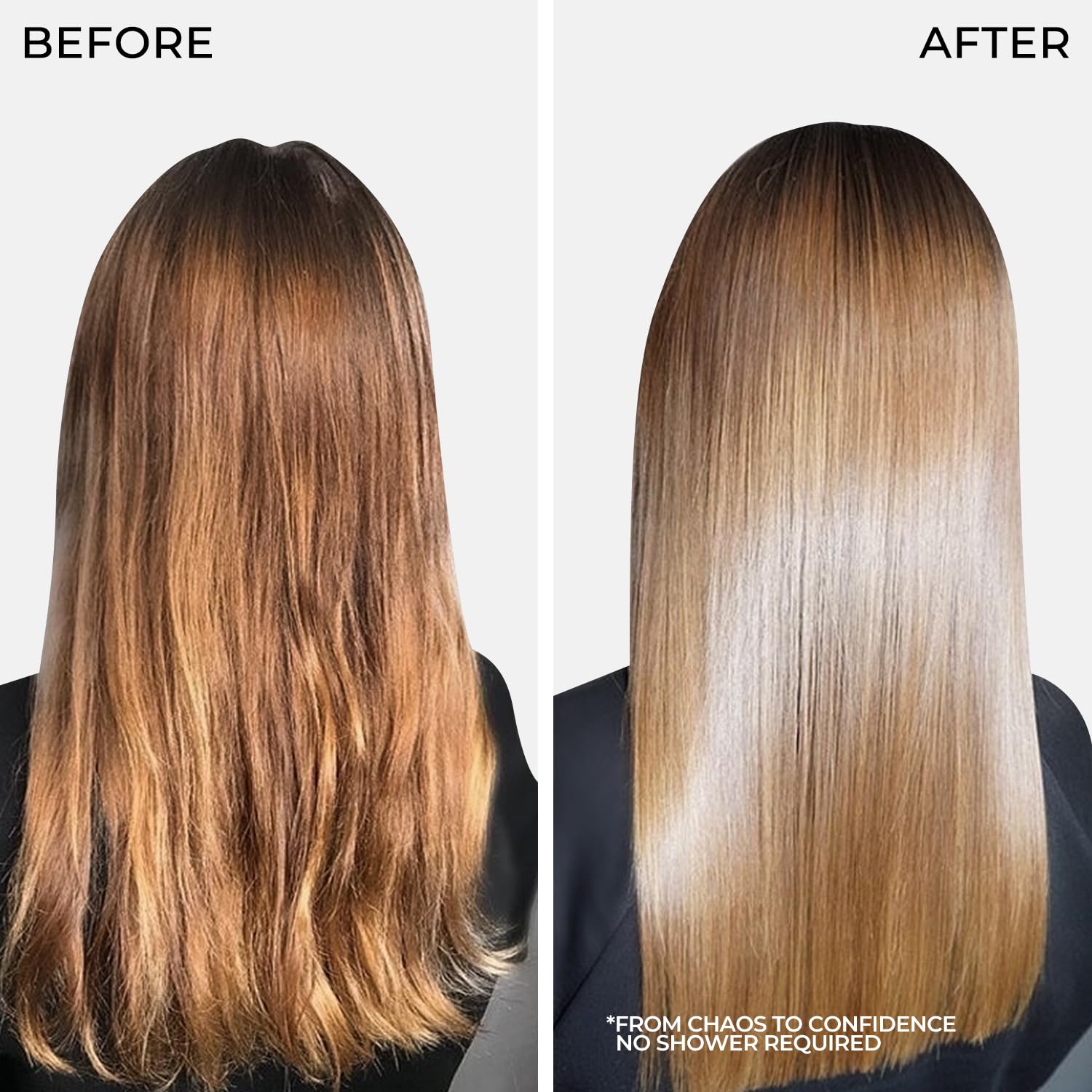
Real results from consistent use of Karseell hair protein treatment products
References
- Robbins, C. R. (2012). Chemical and Physical Behavior of Human Hair (5th ed.). Springer.
- Gavazzoni, M. R., de Melo, A. C., & Firmiano, M. L. (2014). Bonding agents and tensile strength of bleached hair. International Journal of Cosmetic Science, 36(5), 437–444. https://doi.org/10.1111/ics.12145
- Lou, J. M., & Yu, D. S. (2018). The role of protein in hair damage and repair: A review. Journal of Cosmetic Science, 69(3), 185–197.
- Kaur, H., & Agazzi, S. (2020). Hydrolyzed proteins in hair care formulations: Mechanisms of action. International Journal of Trichology, 12(2), 62–68. https://doi.org/10.4103/ijt.ijt_45_20


