
Hair breakage is one of the most frustrating hair problems—your hair seems to stop growing, split ends appear almost immediately after a trim, and no matter what you do, your hair just won’t get longer. The real question isn’t just how to stop hair breakage—it’s understanding hair breakage causes in the first place. Once you understand what’s causing your hair to break, you can take targeted action for effective damaged hair treatment.
Hair breakage is different from hair shedding (when entire hairs fall out from the root). Breakage occurs when the hair shaft itself snaps or splits, often before the root. Understanding whether you’re dealing with breakage or shedding is the first step to solving your hair problems.
What Causes Hair to Break? The Main Culprits
1. Mechanical Damage from Heat Styling
Heat styling is one of the most common hair breakage causes. Flat irons, curling irons, blow dryers, and hot combs all subject your hair to extreme temperatures that can denature the proteins in your hair shaft. The cuticle (protective outer layer) can become raised, cracked, or completely burned away, leaving the cortex vulnerable.
Signs your hair is suffering from heat damage:
- Hair that feels different after styling than before
- Split ends appearing just days after a trim
- Frizz that can’t be controlled
- Hair that looks thinner at the ends
- “Feathered” or frayed ends when you look closely
2. Chemical Processing Damage
Hair coloring, bleaching, perming, relaxing, and other chemical treatments work by altering the structure of your hair. Bleaching, in particular, involves oxidation that removes melanin and can compromise the hair’s protein structure. This is why collagen treatments are so important after bleaching.
Even “safe” at-home coloring can cause significant damage if not done correctly or if multiple treatments are done in quick succession.
3. Over-Washing and Harsh Shampoos
Washing your hair too frequently, or using shampoos with harsh sulfates, strips away the natural oils (sebum) that protect and moisturize your hair. When the cuticle loses this protection, it becomes rough and prone to catching on other hairs, causing tangles that lead to breakage when combing.
Your hair’s porosity level determines how quickly it loses moisture after washing—high porosity hair loses moisture rapidly and needs more frequent conditioning.
4. Improper Detangling
Brute-force detangling is a major cause of hair breakage. When hair is wet, it can stretch up to 30% of its length without damage—but yanking a comb through tangles causes hair to stretch beyond its limit and snap.
Using the wrong tools (fine-tooth combs on thick hair, brushes on fine hair) or starting from the roots instead of the ends dramatically increases breakage risk.
5. Environmental Damage
Sun exposure, humidity, wind, and pollution all take a toll on hair. UV rays can degrade the melanin in hair (causing color fading) and break down protein bonds. Humidity causes the hair cuticle to swell unevenly, leading to frizz and breakage. Salt water and chlorine can also strip and dry out hair.
6. Nutritional Deficiencies
Hair is one of the first places your body will show signs of nutritional stress. Deficiencies in:
- Protein: Hair is made of keratin, a protein. Insufficient protein intake leads to weak, brittle hair that breaks easily.
- Iron: Iron deficiency (anemia) causes hair shedding AND breakage.
- Vitamin D: Important for hair follicle function.
- Biotin (B7): Classic deficiency symptom is brittle, breaking hair.
- Zinc: Important for hair tissue growth and repair.

The Different Types of Hair Damage
Surface Damage (Cuticle Damage)
The least severe type of damage affects the cuticle layer. The scales of the cuticle become raised, rough, or partially worn away. This causes:
- Dull appearance
- Increased tangling
- More friction when combing
- Moisture loss
Surface damage can often be repaired with conditioning treatments and products that smooth the cuticle, like argon oil which coats and smooths the cuticle.
Cortical Damage (Internal Damage)
More severe damage penetrates to the cortex—the inner structure of the hair. This can include:
- Protein bond breakage
- Melanin loss
- Changes in hair elasticity
Cortical damage cannot be fully reversed but can be temporarily “repaired” with protein treatments that fill in gaps.
Cuticle Loss (Severe Damage)
When the cuticle is completely worn away in areas, the cortex is exposed. This hair will:
- Feel rough and dry
- Break very easily
- Lose all shine
- Show visible fraying at ends
Severely damaged hair often cannot be saved and should be trimmed off to prevent further breakage.
How to Repair Hair Breakage: A Targeted Approach
Step 1: Stop the Damage
The first step in any effective damaged hair treatment is stopping what caused the damage in the first place. This means:
- Reducing or eliminating heat styling
- Taking a break from chemical treatments
- Switching to sulfate-free shampoos
- Protecting hair from environmental damage
Step 2: Moisture and Protein Balance
Damaged hair needs a careful balance of moisture and protein. But here’s the critical insight: damaged hair often needs protein MORE than moisture. When the cuticle is damaged, moisture just escapes. You need protein to fill in the gaps before moisture can be retained.
For high porosity hair: Focus on protein treatments to fill gaps. Follow with rich moisturizers to retain the moisture you’re adding.
For low porosity hair: Focus on lightweight moisturizers that can penetrate. Use protein sparingly.
The collagen and argan oil combination is particularly effective because collagen provides protein while argan oil provides moisture.
Step 3: Gentle Handling
Adopt a gentler hair care routine:
- Use a wide-tooth comb on wet hair, starting from the ends
- Pat hair dry with a microfiber towel instead of rubbing
- Sleep on silk or satin pillowcases to reduce friction
- Avoid tight hairstyles that pull on hair
- Use heat-free styling methods when possible
Step 4: Deep Conditioning Treatments
Regular deep conditioning is essential for hair breakage repair. Look for masks that contain:
- Hydrolyzed proteins (keratin, collagen, silk protein)
- Moisturizing ingredients (shea butter, argan oil, coconut oil)
- Humectants (glycerin, honey, panthenol)
Apply to clean, damp hair, cover with a shower cap, and leave for 20-30 minutes for maximum penetration. Use heat (a warm towel or steamer) if possible.
Step 5: Regular Trims
This is painful but necessary. Split ends travel up the hair shaft, causing more breakage. Getting regular trims every 6-8 weeks prevents splits from progressing and can actually help your hair grow longer by reducing breakage that makes hair seem to “not grow.”
Best Products for Hair Breakage Repair
Protein Treatments
Protein treatments are the cornerstone of damaged hair treatment. They temporarily fill in damaged areas of the cuticle and cortex, strengthening the hair shaft. Use every 1-4 weeks depending on damage level.
Leave-In Conditioners
Leave-in conditioners provide ongoing protection and moisture between washes. They coat the cuticle, reduce friction, and help prevent breakage from styling.
Hair Oils
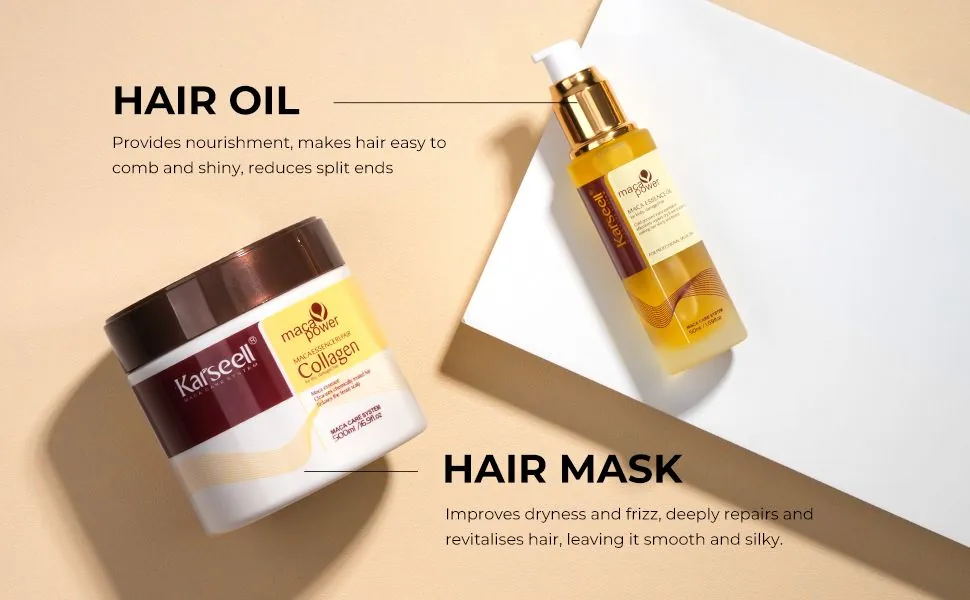
Natural oils like argan oil help seal the cuticle and prevent moisture loss. They also reduce friction during styling and combing, preventing mechanical breakage.
Bond-Building Treatments
Newer technologies like Olaplex work at the molecular level to repair broken disulfide bonds in the hair. These can be very effective for chemically damaged hair.
Frequently Asked Questions About Hair Breakage
Why does my hair break at the roots?
Hair breaking at the roots is less common than mid-shaft or end breakage. If you’re experiencing root breakages, it could indicate: extremely high porosity hair that breaks from the root, a scalp condition causing weakness at the follicle, or tension from tight hairstyles causing hair to snap before it emerges. Consult a dermatologist or trichologist if this persists.
Can hair breakage be reversed without cutting?
Some surface damage can be improved with conditioning and protein treatments that make breakage less likely to occur. However, once a hair strand has split or broken, it cannot be “healed”—the damaged portion must grow out and be trimmed off. Products can temporarily smooth the appearance and reduce further breakage, but the only true fix for split ends is cutting them off.
How can I tell if my hair is shedding or breaking?
Examine the hairs you’re losing. If they have a white bulb (root) on the end, they’re shed hairs—a different issue often related to scalp health or hormonal changes. If the hair ends look frayed, split, or taper to a point, they’re broken hairs. Broken hairs also tend to be different lengths, while shed hairs are more uniform.
Does hair grow back thicker after breakage?
No, hair cannot grow back thicker or stronger from the follicle based on external treatments. However, as new hair grows in healthy (while you protect it from damage), your overall hair quality will improve and you won’t keep losing length to breakage. Over time, your hair will appear thicker because you’re retaining more length.
How long does it take to repair damaged hair?
This depends on the severity of damage and how committed you are to protecting your hair during the repair process. Generally, you can expect to see improvement in 4-8 weeks with consistent care. However, if you have significant cortical damage, you may need 4-6 months of dedicated care—and some damage may be permanent and require cutting off the damaged length.
Your Hair Breakage Repair Journey Starts Now
Understanding the hair breakage causes in your life is the first step toward a solution. Whether it’s heat damage, chemical processing, poor nutrition, or mechanical stress, identifying and eliminating the root cause is essential. Once you’ve stopped the damage, incorporating regular deep conditioning, protein treatments, and gentle handling will help repair and strengthen your hair over time.
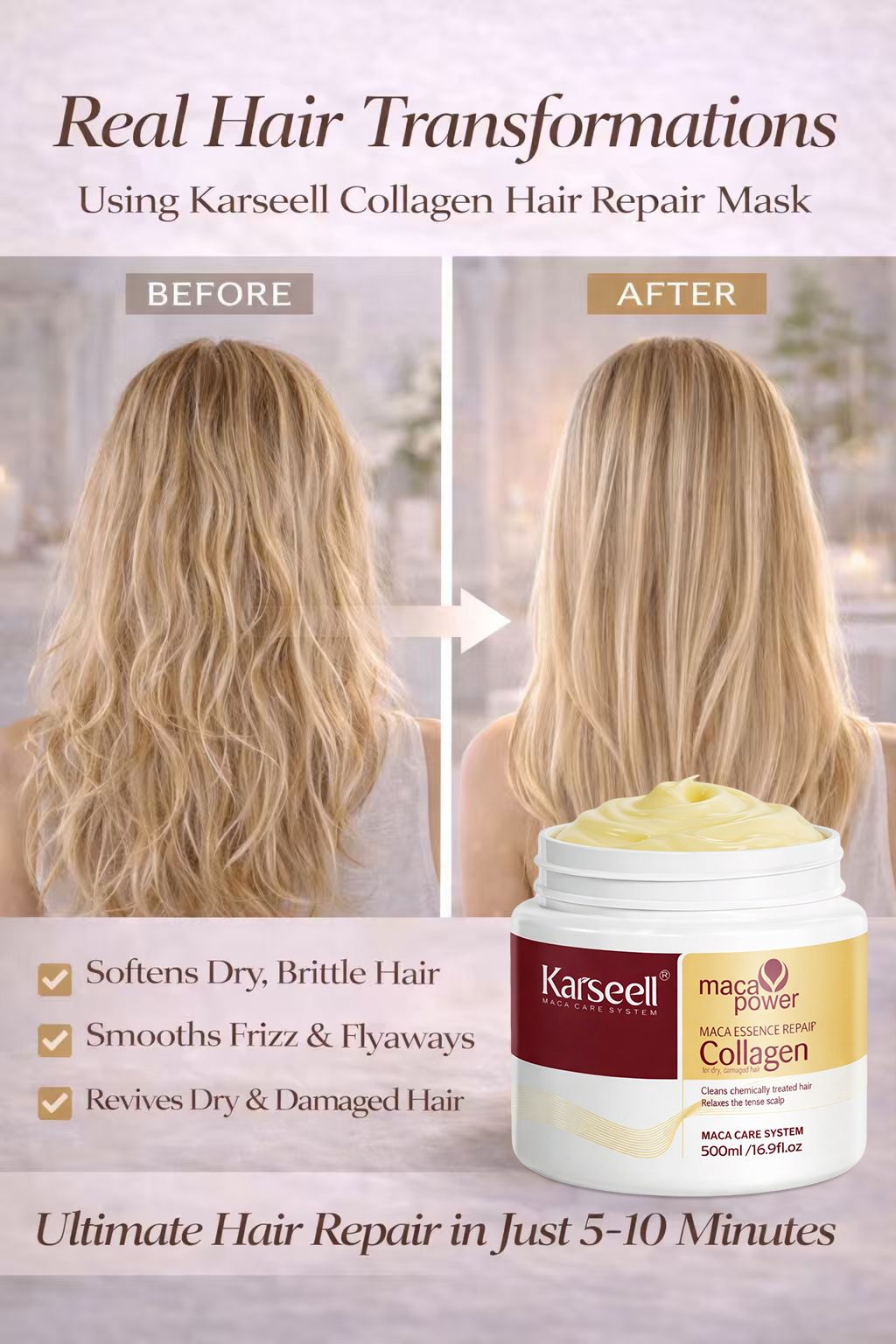
Give your hair the expert care it deserves. Explore our curated collection of deep repair collagen hair treatments designed to restore damaged, broken hair. Combined with our premium Moroccan Argan Oil for ongoing protection, you can transform your hair from broken and brittle to strong, healthy, and beautiful.

