

If you’ve ever been confused about whether your hair needs protein or moisture, you’re absolutely not alone. The protein vs moisture hair treatment question is one of the most common—and most misunderstood—aspects of hair care. Use too much protein and your hair becomes stiff and brittle. Use too much moisture and it becomes limp and mushy. Getting the balance right is the key to healthy, strong, beautiful hair.
Understanding the difference between these two essential treatments—and knowing which your hair needs—is crucial for building an effective hair care routine. Let’s break it all down.
What Are Protein Treatments?
Protein hair treatment products contain proteins that can temporarily reinforce your hair shaft. Hair is made primarily of keratin, a protein—and when hair is damaged, those protein bonds break. Protein treatments work by depositing proteins (from various sources) onto your hair to fill in the gaps.
Common protein sources in hair treatments:
- Hydrolyzed keratin: The most common, identical to hair’s natural protein
- Hydrolyzed collagen: Collagen provides amino acids that hair can use to repair itself
- Silk protein: Small molecules that penetrate deeply
- Wheat protein: A plant-based option
- Amino acids: The building blocks of protein
Protein treatments temporarily patch, coat, and strengthen the hair shaft. They don’t permanently change your hair—they wash out over time (usually 4-8 weeks).

What Protein Treatments Do:
- Fill in gaps and cracks in the cuticle
- Strengthen weakened hair strands
- Reduce shedding and breakage
- Improve hair’s elasticity
- Help hair hold styles longer
- Provide a protective coating against future damage
Signs Your Hair Needs Protein:
- Hair feels “gummy” or stretchy when wet (over-moisturized)
- Hair won’t hold a curl or style
- Excessive shedding or breakage
- Hair feels limp and weak
- Hair has a slightly gray or dull cast
- Hair tangles easily
What Are Moisture Treatments?
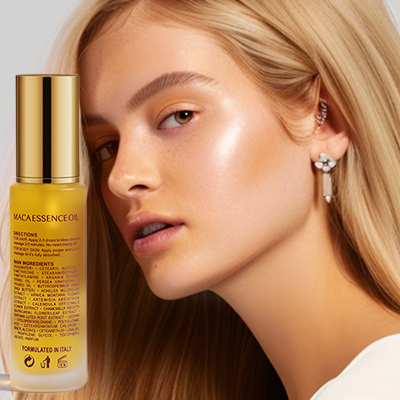
Moisture treatment hair products add hydration and hydration-retaining ingredients to your hair. They don’t fix structural damage—instead, they plump up the hair shaft with water and create barriers that prevent moisture from escaping.
Common moisture ingredients:
- Humectants: Draw moisture from the air into hair (glycerin, honey, panthenol)
- Emollients: Smooth and soften (shea butter, oils like argan, coconut)
- Occlusives: Seal moisture in (oils, silicones, butters)
- Hyaluronic acid: Holds 1000x its weight in water
Unlike proteins, moisture ingredients don’t penetrate the hair structure—they work on the surface and in the spaces between cells.
What Moisture Treatments Do:
- Hydrate dry, brittle hair
- Improve elasticity and flexibility
- Reduce frizz and static
- Add softness and manageability
- Make hair more pliable and easier to style
- Restore shine and luster
Signs Your Hair Needs Moisture:
- Hair feels dry and rough
- Hair is stiff and inflexible
- Frizz and flyaways even in humidity
- Hair looks dull or matte
- Static and tangling
- Split ends despite regular trims
Protein vs Moisture Hair Treatment: The Key Differences
The Core Difference
Think of it this way:
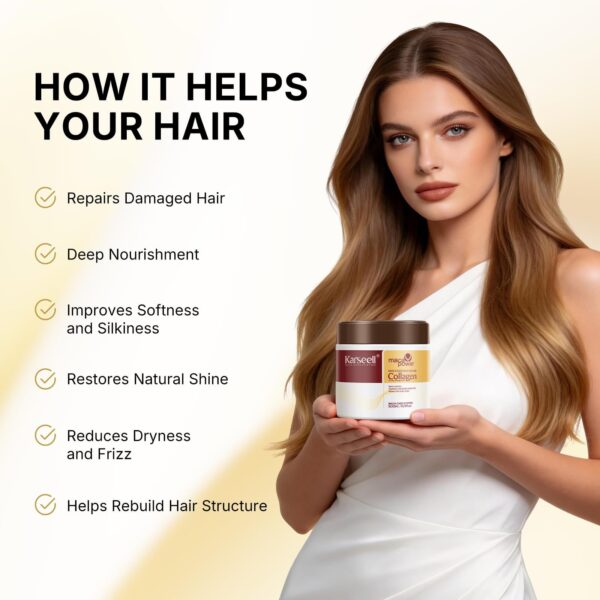
- Protein = Strength: Repairs and reinforces the hair structure from within
- Moisture = Flexibility: Hydrates and plumps hair to prevent brittleness
Both are essential, but balance is everything. Too much protein makes hair rigid and prone to snapping. Too much moisture makes hair limp and mushy.
How They Feel Different
A simple way to understand the difference:
- Protein-overloaded hair: Feels stiff, dry, “crispy,” or like uncooked pasta. May snap when stretched. Can feel harder than normal.
- Moisture-overloaded hair: Feels limp, heavy, gummy, or overly soft. Doesn’t hold styles. May feel “mushy” when wet.

How Your Hair Porosity Affects Treatment Choice
Your hair’s porosity—the degree to which it absorbs and retains moisture—plays a huge role in determining your protein-moisture balance.
Low Porosity Hair
Tightly sealed cuticle that resists moisture. Typically needs:
- More moisture: Lightweight humectants that can penetrate
- Less protein: Can become protein-overloaded easily
- Heat assistance: Steam or warm products to open cuticle
Normal Porosity Hair
Balanced cuticle that absorbs and retains well. Needs:
- Balance of both: Regular protein and moisture
- Maintenance: Occasional deep treatments
High Porosity Hair
Gappy, open cuticle that loses moisture quickly. Typically needs:
- More protein: To fill in gaps and reinforce structure
- Heavy moisturizers: To compensate for rapid moisture loss
- Sealing ingredients: Butters and oils to close the cuticle
Understanding your porosity is essential for making the right choice in the protein vs moisture hair treatment debate. If you’re unsure, check out our complete guide to hair porosity.
The Porosity-Protein-Moisture Connection
Here’s a helpful framework for understanding the relationship:
- Low porosity + dry hair: Use moisture treatments with heat. Add protein sparingly.
- Low porosity + breaking hair: Protein treatments first, but with steam/heat to help penetration.
- High porosity + dry hair: Heavy moisture AND protein. Seal with occlusive oils.
- High porosity + breaking hair: Frequent protein treatments to fill gaps. Heavy moisturize after.
- Normal porosity: Alternate between protein and moisture treatments.
How to Use Protein and Moisture Treatments Together
The ideal approach isn’t protein OR moisture—it’s both, in the right balance for your hair.
The Sandwich Method
Many hair care professionals recommend applying:
- Protein treatment first: To repair and strengthen
- Moisture treatment second: To hydrate and seal
This “sandwich” approach ensures your hair gets the structural repair it needs, followed by moisture to keep it flexible and hydrated.
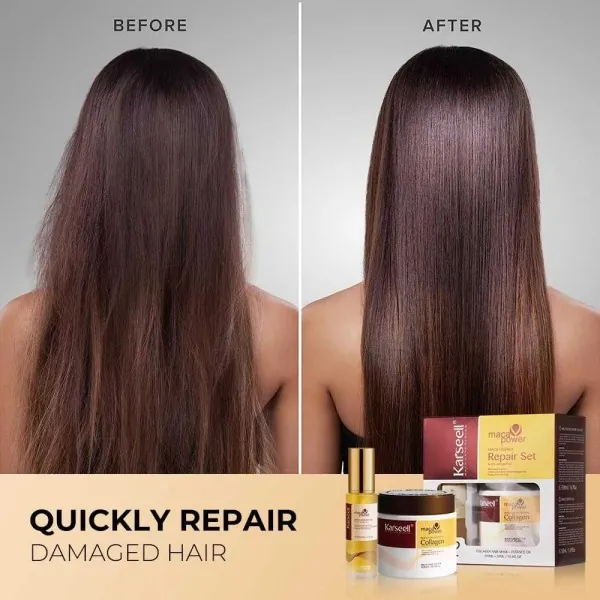
The collagen and argan oil combination exemplifies this perfectly: collagen provides protein while argan oil provides moisture.
Scheduling Your Treatments
For damaged or high porosity hair:
- Protein treatment: Every 1-2 weeks
- Moisture treatment: Weekly (or more if very dry)
- Apply protein first, moisture after
For normal porosity hair:
- Protein treatment: Monthly
- Moisture treatment: Every 1-2 weeks
- Alternate between the two
For low porosity or fine hair:
- Protein treatment: Monthly or less
- Moisture treatment: Every 1-2 weeks
- Focus on lightweight moisture products
Signs You’re Using the Wrong Treatment
Protein Overload Symptoms:
- Hair feels stiff or hard
- Hair snaps easily when stretched
- Hair has a “wire” or “straw” texture
- Increased tangling
- Hair that won’t absorb moisture products
Solution: Stop protein treatments for 4-6 weeks. Focus on deep moisture treatments only.
Moisture Overload Symptoms:
- Hair feels limp and heavy
- Hair won’t hold any style
- Hair looks greasy or oily quickly
- Excessive stretching without breaking (mushiness)
- Pilling or balling up when styled
Solution: Use a clarifying shampoo to remove buildup, then protein treatments.
Common Misconceptions About Protein and Moisture
Myth: “My hair is dry, so I only need moisture”
Often, hair that appears dry is actually protein-deficient. Without adequate protein, hair can’t retain moisture properly—it just slides right off. If moisture alone isn’t working, try adding protein.
Myth: “Protein will make my hair grow faster”
Protein doesn’t stimulate growth. It strengthens existing hair to prevent breakage, which helps you RETAIN length. The hair that grows out will be healthier, but protein doesn’t make follicles grow faster.
Myth: “I should do protein treatments weekly for strong hair”
Too much protein is just as damaging as too much moisture. Most people only need protein treatments monthly or bi-weekly at most. Over-proteinization is a real condition that requires a “protein vacation.”
Frequently Asked Questions
Can I use protein and moisture treatments on the same day?
Yes, and this is often the best approach! Apply your protein treatment first, rinse, then follow with your moisture treatment. This is sometimes called the “sandwich” method and ensures your hair gets structural repair followed by hydration and sealing. Just make sure each treatment has enough time to work—don’t rush the process.
How do I know if I need protein or moisture?
The “stretch test” can help: Take a strand of clean, dry hair and gently stretch it. If it stretches and returns without breaking, you likely have good protein-moisture balance. If it snaps immediately, you may need protein. If it stretches far without breaking and feels gummy, you may need to cut back on moisture and add protein. Also consider your hair’s history: chemically treated, heat-styled, or high porosity hair often needs more protein.
Is the 4-week protein/shampoo cycle real?
This popular concept suggests alternating between protein treatment, regular shampoo, and moisture treatment in a 4-week cycle. While the specific timing may not work for everyone, the underlying principle of balancing protein and moisture is sound. Adjust the frequency based on how your hair responds.
Do keratin treatments count as protein treatments?
Keratin treatments (the salon kind that last months) are a form of protein treatment, but they’re much more intensive and semi-permanent. At-home keratin products are typically less concentrated and wash out over weeks. Professional keratin treatments coat the hair with so much protein that it fills the cuticle completely—very different from a weekly at-home protein mask.
Can natural oils replace moisture treatments?
Natural oils like argan oil are excellent occlusives that seal in moisture, but they don’t actually add hydration (water) to your hair. For truly moisturized hair, you need humectants like glycerin or honey that draw water in, followed by oils that trap it. Oils alone can make hair feel smoother but won’t address true dehydration.
Find Your Perfect Protein-Moisture Balance
The protein vs moisture hair treatment debate doesn’t have a universal winner—the right balance depends entirely on your unique hair. Understanding whether your hair needs strengthening (protein), hydration (moisture), or both will transform your hair care results.
Ready to achieve perfect balance? Explore our collagen and argan oil treatment that combines protein repair with deep moisture in one powerful formula. For targeted treatments, our pure Moroccan argan oil delivers intensive moisture sealing, while our protein-rich collagen hair masks rebuild strength from within.
