

Dry, damaged hair can feel hopeless — but the truth is, you can repair it at home with the right techniques and products. Whether your hair has been wrecked by heat styling, chemical treatments, or environmental stressors, these seven proven methods will help you restore moisture, strength, and shine without a salon visit.
Quick Answer: How to Fix Dry Damaged Hair at Home
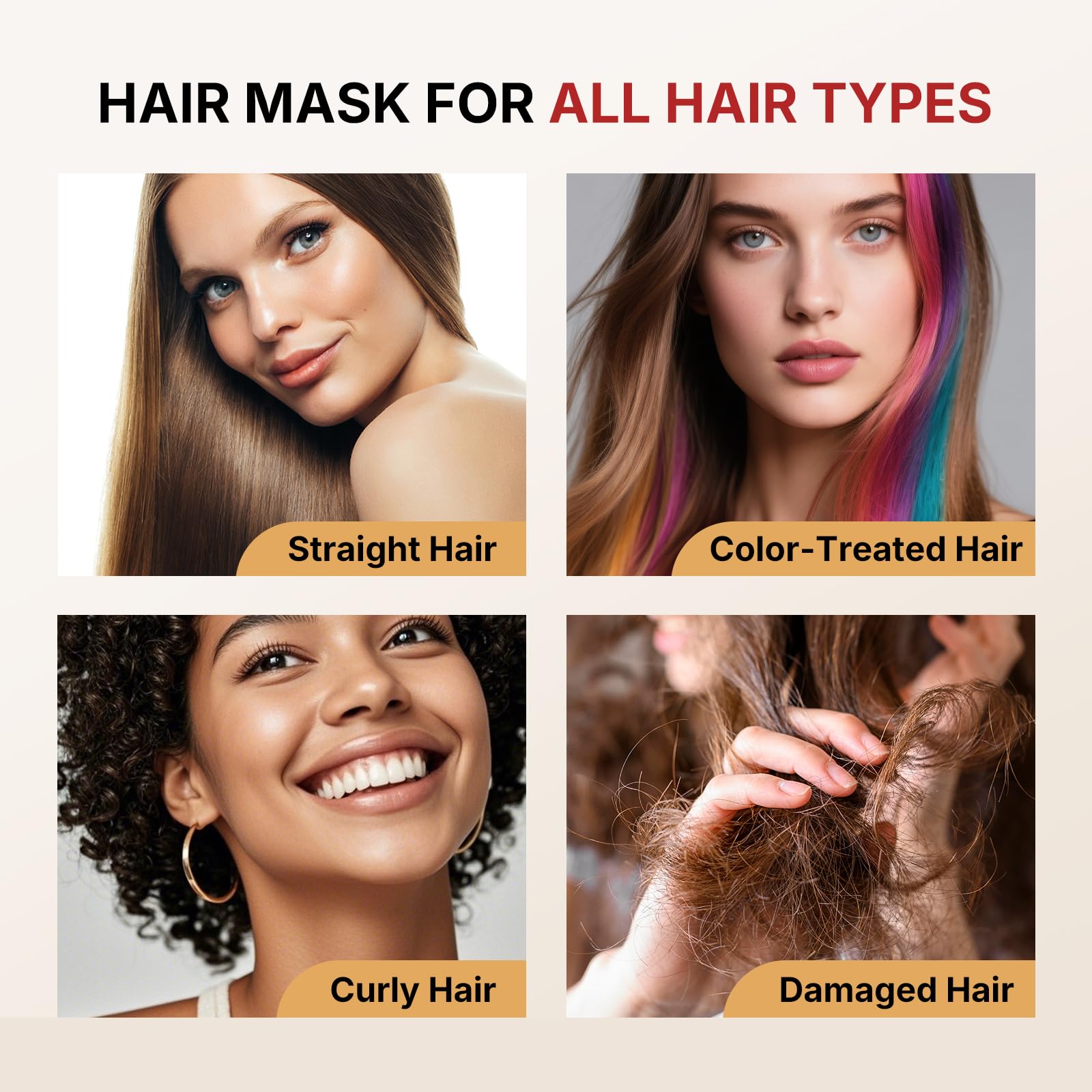
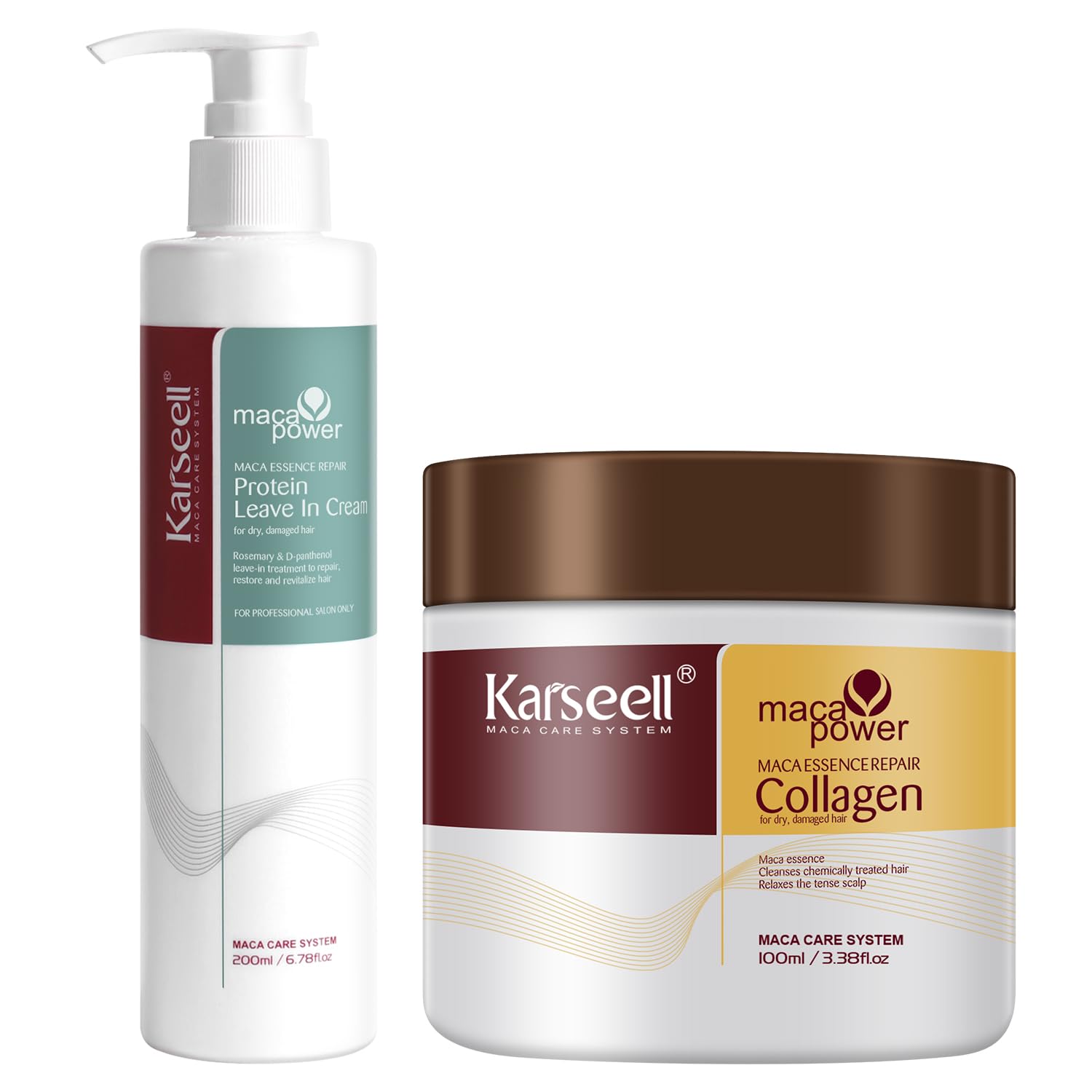
>To fix dry damaged hair at home, focus on three pillars: deep hydration, protein repair, and reduced damage. Use a quality hair mask 2-3 times per week, limit heat styling, and incorporate a leave-in conditioner or hair serum into your daily routine. Products like the Karseell Collagen Hair Mask and Leave-In Conditioner are specifically formulated to restore moisture and repair damaged strands.
What Causes Dry Damaged Hair?
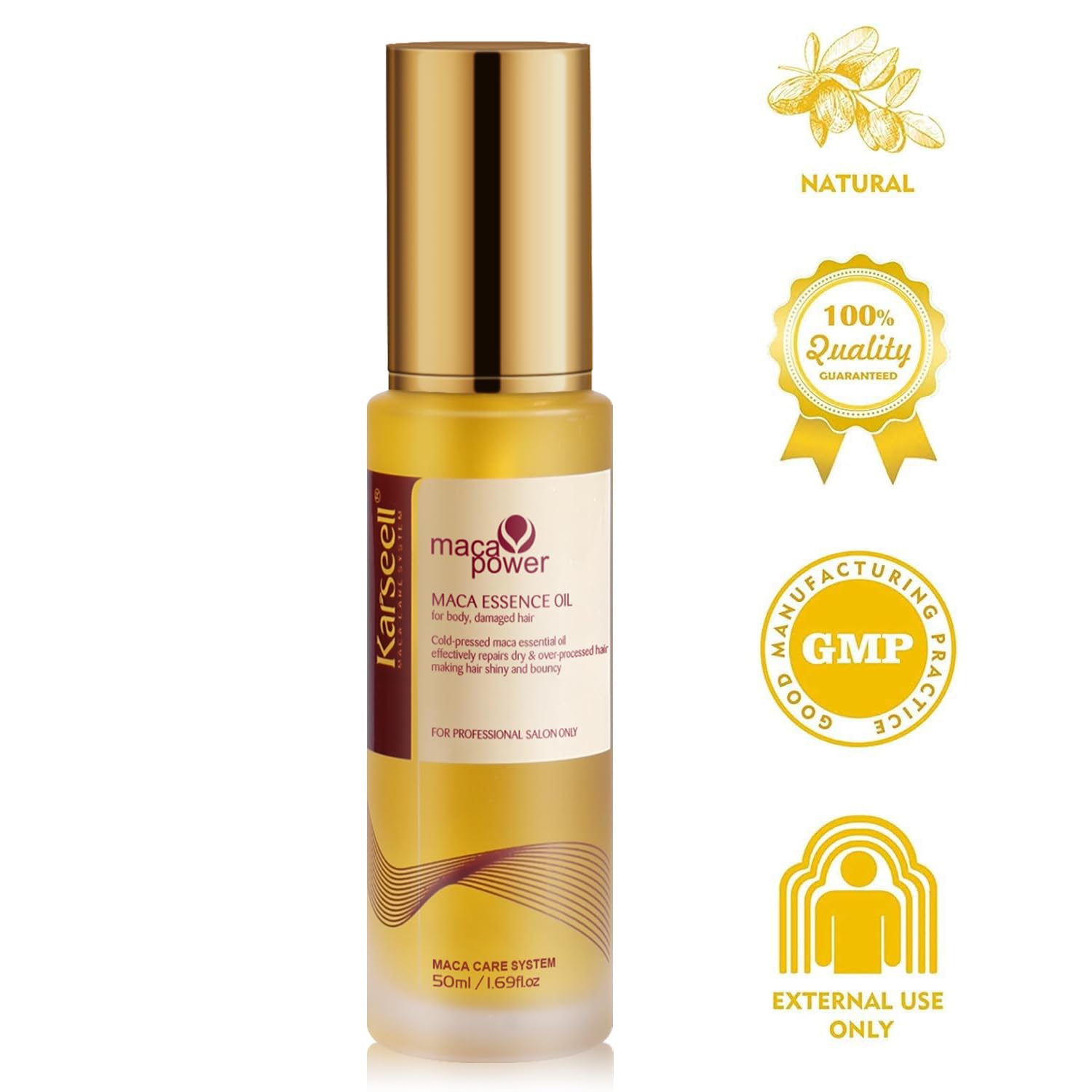
Before diving into the solutions, it’s helpful to understand the enemy. Common causes of dry, damaged hair include:
- Heat styling — flat irons, curling wands, and blow dryers strip moisture from the hair shaft
- Chemical treatments — coloring, bleaching, perming, and relaxing break down hair proteins
- Environmental factors — sun exposure, wind, and hard water deplete natural oils
- Overwashing — shampooing too frequently removes essential scalp oils
- Poor nutrition — lack of protein, iron, and vitamins affects hair health from within

The 7 Proven Methods to Repair Dry Damaged Hair at Home
Method 1: Deep Conditioning with a Professional Hair Mask
A hair mask is your single most powerful tool against dry, damaged hair. Unlike regular conditioners, masks are formulated with higher concentrations of active ingredients that penetrate the hair cortex for deep repair.
How to use a hair mask correctly:
- Shampoo your hair as normal, then squeeze out excess water
- Apply the mask generously from mid-length to ends, avoiding the scalp
- Comb through with a wide-tooth comb to distribute evenly
- Cover with a shower cap and wait 15-30 minutes
- Rinse with cool water to seal the cuticle

For best results, use a product like the Karseell Collagen Hair Mask and Leave-In Conditioner, which combines hydrolyzed collagen with deep moisturizing agents to restore elasticity and softness.
Method 2: Use a Leave-In Conditioner or Hair Serum Daily
Daily moisture maintenance is critical for sustaining hair repair between deep treatments. A leave-in conditioner or hair serum creates a protective barrier that locks in moisture and shields against environmental damage.
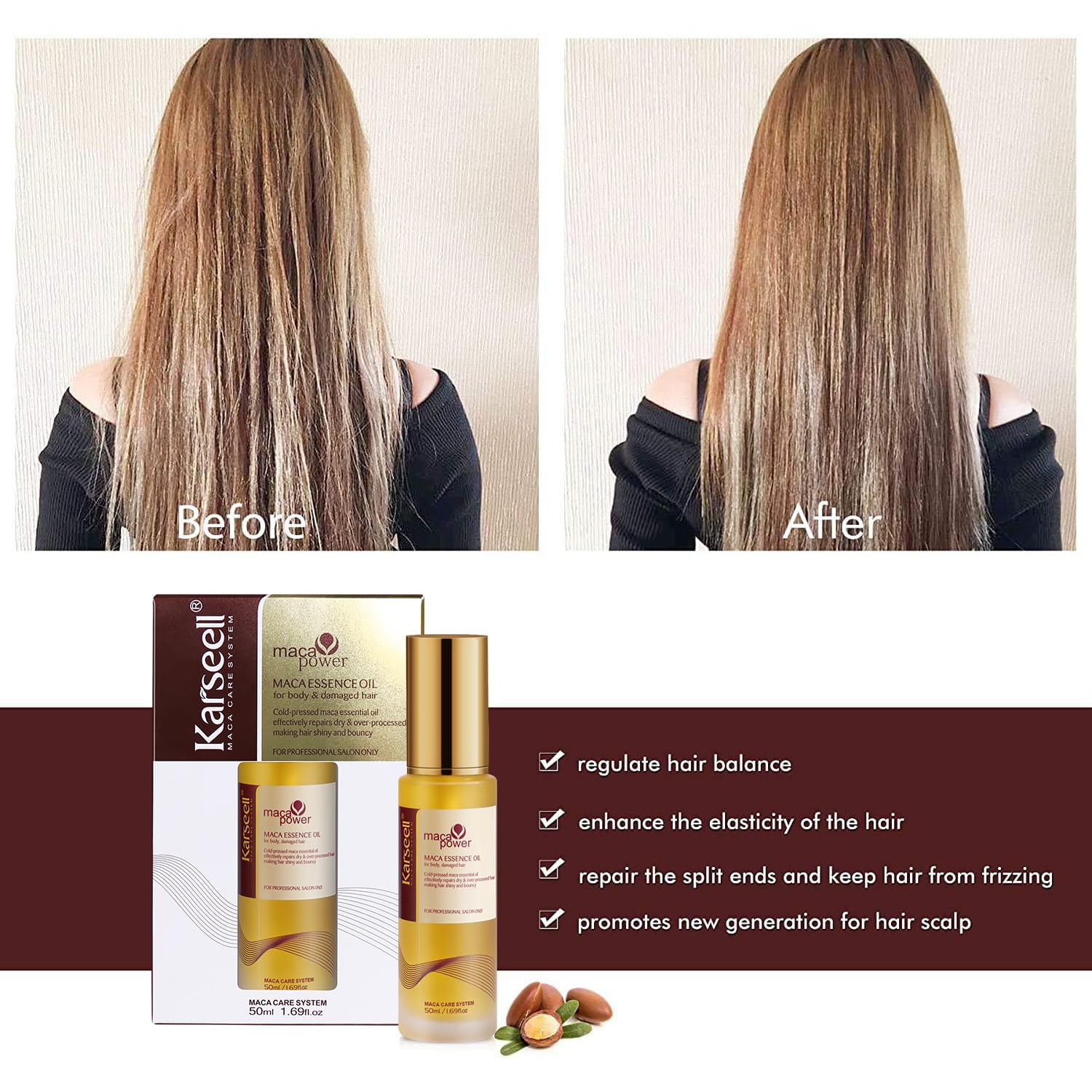
The Karseell Argan Oil Hair Serum Leave-In Conditioner is an excellent option for daily use. Argan oil is rich in fatty acids and vitamin E, which nourish the hair shaft while taming frizz and adding brilliant shine.
Method 3: Incorporate Protein Treatments
Damaged hair loses protein with each assault from heat and chemicals. Protein treatments help rebuild the hair’s structural integrity, filling in gaps along the cuticle. This is especially important if your hair feels stretchy or snaps easily when wet.

The Karseell Collagen Hair Treatment and Karseell Power Shampoo combines collagen protein with herbal root extract to strengthen and revitalize damaged hair with every wash. To learn more about the difference between protein and moisture treatments, check out our guide on protein vs. moisture treatments for hair.
Method 4: Reduce Heat Styling and Use Heat Protection
One of the most impactful changes you can make is minimizing heat styling. Every time you reach for a flat iron or blow dryer, you’re further dehydrating already compromised hair.
Tips to reduce heat damage:
- Air dry your hair whenever possible
- Use the lowest effective heat setting on styling tools
- Limit heat styling to 2-3 times per week maximum
- Always apply a heat protection product before styling
- Consider heat-free styling methods like braiding or flexi-rods
Method 5: Try a Hot Oil Treatment at Home
Hot oil treatments are a centuries-old remedy for dry, damaged hair. The warmth opens the hair cuticle, allowing oils to penetrate deeply and replenish lost moisture.
How to do a hot oil treatment:
- Warm a small amount of argan or coconut oil (microwave for 10-15 seconds)
- Test the temperature on your wrist — it should be comfortably warm, not hot
- Apply to dry hair, focusing on the lengths and ends
- Cover with a shower cap and leave for 30-60 minutes
- Shampoo thoroughly to remove the oil
Method 6: Switch to a Gentle, Repair-Focused Shampoo
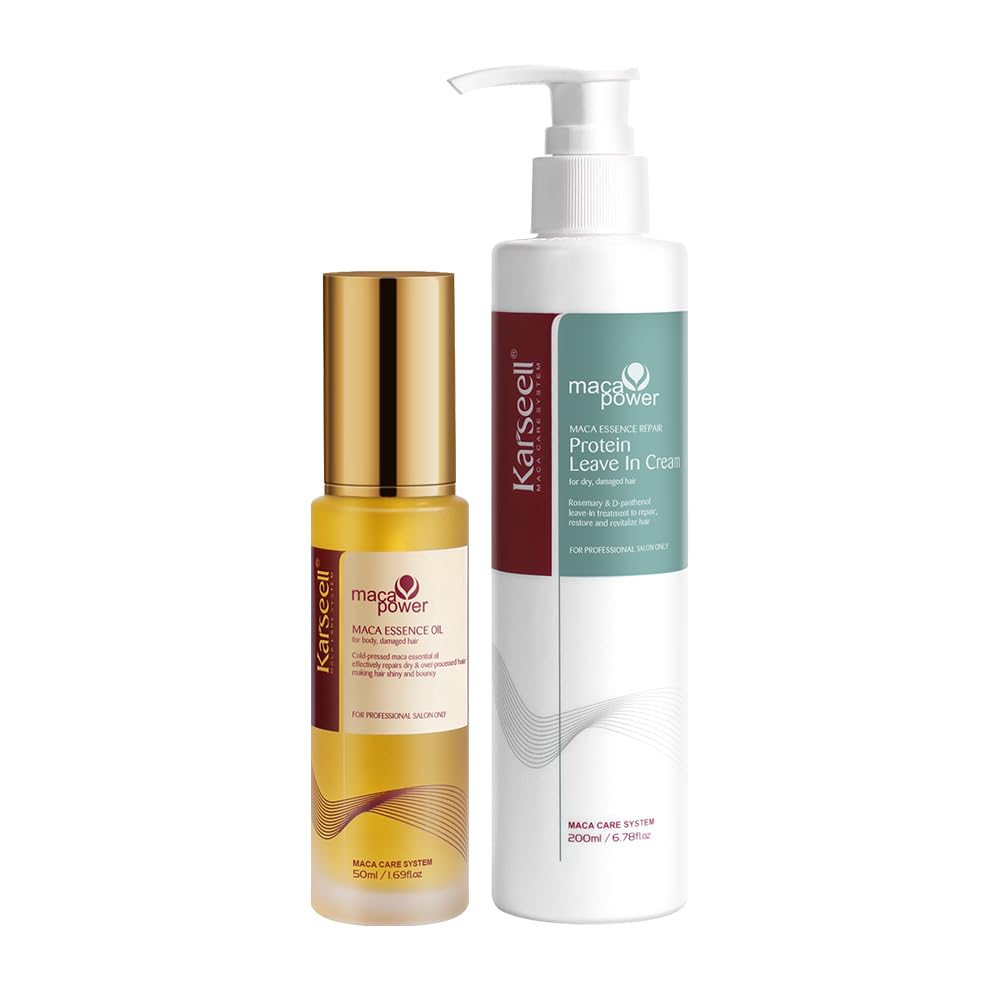
The foundation of hair repair starts in the shower. A harsh shampoo with sulfates can strip what little moisture your damaged hair has left. Switch to a gentle, moisturizing shampoo that cleans without over-drying.
Look for shampoos that contain:
- Sulfate-free surfactants (like cocamidopropyl betaine)
- Moisturizing ingredients like argan oil, shea butter, or glycerin
- Protein to help rebuild the hair shaft
- No alcohol denat, which can further dry out hair
Method 7: Adopt a Hair-Healthy Diet and Lifestyle
Beautiful hair starts from within. No amount of topical product can fully compensate for poor nutrition and unhealthy habits.
Foods and habits that support hair health:
- Protein — Hair is made of keratin, so adequate protein intake is essential. Eggs, fish, beans, and lean meats all support hair growth.
- Omega-3 fatty acids — Found in salmon, walnuts, and flaxseed, these healthy fats nourish the scalp and hair follicles.
- Iron and zinc — Deficiencies in these minerals are linked to hair loss and dryness.
- Biotin — This B vitamin is famous for supporting healthy hair growth.
- Stay hydrated — Drink plenty of water to keep your entire body — and your hair — properly hydrated.

How Long Does It Take to Repair Dry Damaged Hair?
Patience is key when it comes to hair repair. While you may notice improvements in softness and manageability within 1-2 weeks of consistent treatment, meaningful structural repair takes longer:
- Surface damage (dryness, frizz): 2-4 weeks with consistent masking and conditioning
- Cuticle damage (rough texture, tangling): 4-8 weeks
- Deep structural damage (severe breakage, split ends): 3-6 months — and some damage may be permanent, requiring trimmed ends
The best approach is consistent, proactive care. For a complete guide to getting the most from your hair mask, read our article on how to use a hair mask correctly: 8 mistakes to avoid.
When to See a Professional
While home treatment can address most cases of dry, damaged hair, there are situations where a professional trichologist or stylist is recommended:
- Your hair breaks excessively despite your best home efforts
- You notice significant thinning or bald patches
- Your scalp is itchy, flaky, or painful
- Chemically damaged hair (from bleaching or relaxers) has a “gummy” texture when wet
Frequently Asked Questions
Can I fix dry damaged hair without expensive salon treatments?
Yes, absolutely. With consistent use of quality at-home products like hair masks, leave-in conditioners, and hair serums, you can significantly improve the condition of dry, damaged hair. The key is consistency — regular deep conditioning treatments combined with reduced heat styling and good hair care habits can produce salon-quality results over time.
How often should I use a hair mask for damaged hair?
For dry damaged hair, use a hair mask 2-3 times per week initially. As your hair improves, you can reduce to once per week for maintenance. If your hair is extremely damaged, you may even benefit from using a mask every time you shampoo for the first month. Always follow the specific product’s instructions.
What’s the difference between a hair conditioner and a hair mask?
A hair conditioner coats the surface of the hair cuticle for temporary smoothness, while a hair mask penetrates deeper into the hair cortex to provide intensive repair. Conditioners are ideal for daily use, while masks are weekly or bi-weekly treatments for targeted restoration. For more details, see our comparison of hair conditioner vs. hair mask: what’s the difference?
Can I leave a hair mask on overnight?
While some people prefer overnight masks for extra intensive treatment, leaving a heavy mask on for too long can potentially cause protein overload, making hair feel stiff or brittle. If you want to use an overnight treatment, choose a gentle, moisturizing mask (not a protein treatment) and limit it to once every 1-2 weeks. For most cases, 15-30 minutes under a shower cap provides excellent results.
Does argan oil really help repair damaged hair?
Yes, argan oil is one of the most effective natural oils for hair repair. It’s rich in vitamin E, fatty acids, and antioxidants that moisturize the hair shaft, reduce frizz, and add shine without weighing hair down. The Karseell Argan Oil Hair Serum combines pure argan oil with a lightweight leave-in formula, making it ideal for daily use on damaged hair.
Start Your Hair Repair Journey Today
Repairing dry damaged hair is entirely possible with the right approach. By combining deep conditioning treatments, daily moisture maintenance, reduced heat exposure, and a hair-healthy lifestyle, you can restore your hair’s natural beauty — all from the comfort of your home.
Explore Karseell’s range of professional-grade hair masks, hair serums, and hair treatment products to find the perfect solution for your hair’s unique needs.
