

Comparing hair mask vs leave-in conditioner? You’re not alone. Many people struggle to understand the difference between these two products—and using the wrong one can mean your hair isn’t getting what it actually needs. In this guide, we’ll break down exactly when to use each product, how they differ, and how to choose the right one for your hair type.
The Fundamental Difference: Treatment vs. Daily Care
The core difference between a hair mask vs conditioner comes down to purpose and potency. A hair mask is a deep treatment designed to repair and restore damaged hair over time. A leave-in conditioner is a lighter daily moisturizer meant to provide ongoing protection and manageability.
Think of it this way: a hair mask is like a medicine, while leave-in conditioner is like a daily vitamin. You need both, but they serve different functions.
What Is a Hair Mask?
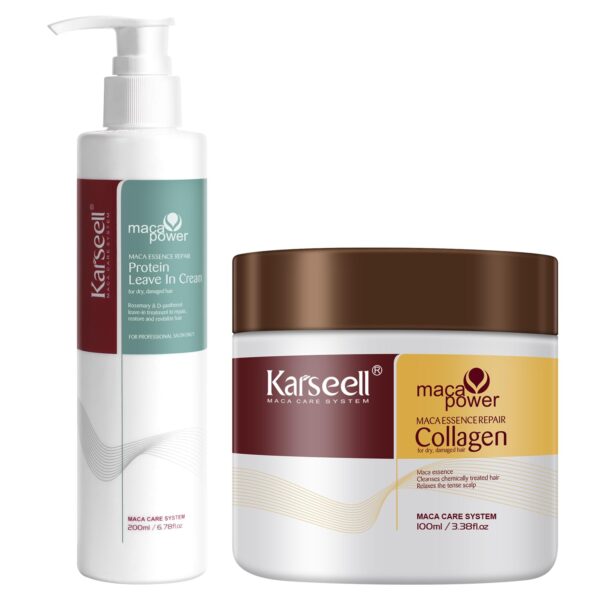
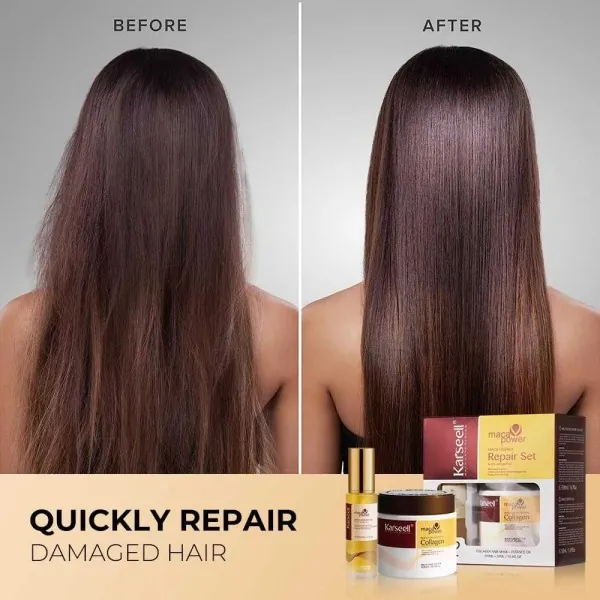
A hair mask is an intensive deep conditioning treatment that penetrates beyond the surface of your hair to repair damage at a structural level. Unlike regular conditioners that coat the outer cuticle, quality hair masks like the Karseell Collagen Hair Mask work from the inside out.
Hair masks typically contain higher concentrations of active ingredients like:
- Proteins (collagen, keratin, silk proteins)
- Heavy moisturizers (butters, natural oils)
- Humectants (glycerin, hyaluronic acid)
- Vitamins and antioxidants
When to Use a Hair Mask
Hair masks aren’t meant for daily use. Here’s when to incorporate them into your routine:
1. Weekly Treatment: Once or twice a week for maintained healthy hair
2. After Damage: Following chemical treatments, heat styling, or sun exposure
3. Seasonal Care: During dry winter months or humid summers when hair stress is highest
4. Pre-Styling: Before events when you’ll use significant heat tools

What Is Leave-In Conditioner?
Leave-in conditioner is a lightweight moisturizing product that you apply to damp hair and don’t rinse out. It stays in your hair throughout the day, providing continuous moisture and protection. Unlike hair masks, leave-in conditioners are formulated to be lightweight and won’t weigh down your hair.
Leave-in conditioners typically include:
- Lightweight silicones for slip and shine
- Detangling agents for easier combing
- UV filters to protect from sun damage
- Light moisturizers that won’t feel greasy
When to Use Leave-In Conditioner
Leave-in conditioners are designed for regular, even daily use:
1. After Every Wash: As part of your regular post-shower routine
2. Before Styling: To provide slip and protection before brushing or heat styling
3. Between Washes: To refresh moisture on non-wash days
4. For Fine Hair: When you need moisture without the heaviness of a mask
Key Differences: Hair Mask vs Leave-In Conditioner


1. Formulation Strength
Hair masks contain higher concentrations of active ingredients and are designed for short-term intensive treatment. Leave-in conditioners use lighter formulas safe for extended wear throughout the day.
2. Application Time
Hair masks require 5-30 minutes of processing time (sometimes longer with heat). Leave-in conditioners are applied to damp hair and work as your hair dries.
3. Rinsing
Hair masks must be rinsed out completely—leaving one in can lead to greasy, weighed-down hair. Leave-in conditioners are specifically formulated to stay in.
4. Frequency of Use
Hair masks: 1-2 times per week maximum. Leave-in conditioners: can be used daily or after every wash.
5. Target Concerns
Hair masks address: deep repair, protein restoration, severe dryness, chemical damage, and structural rehabilitation.
Leave-in conditioners address: daily moisture, detangling, frizz control, UV protection, and manageability.
Can You Use Both?
Absolutely—and you should! The best hair care routine uses both products strategically. Think of it this way: your hair needs both intensive repair (mask) and daily maintenance (conditioner).
The ultimate hair care routine for dry and damaged hair incorporates both products for optimal results.
Here’s how to layer them properly:
Step 1: Shampoo to cleanse the scalp and remove buildup
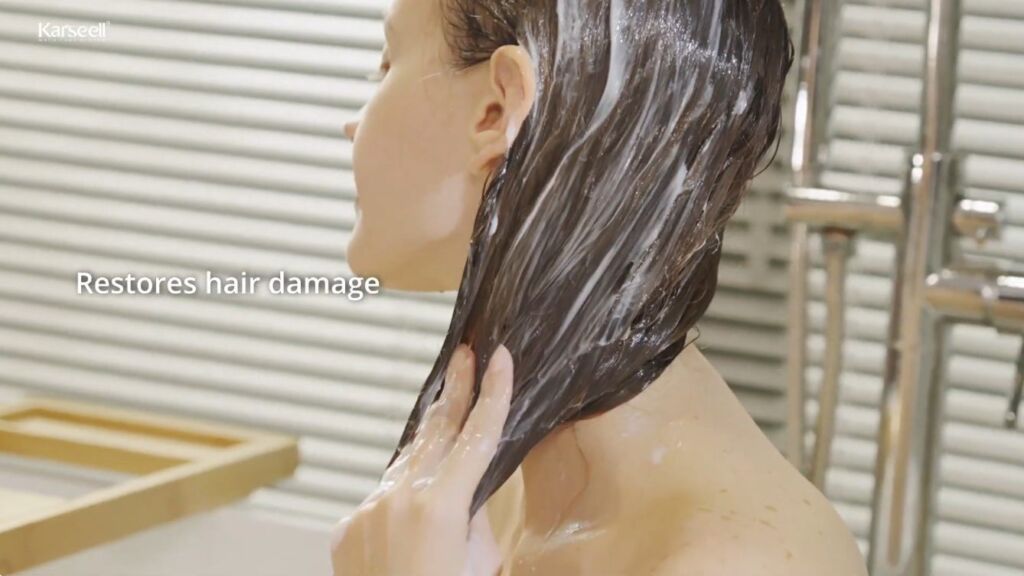
Step 2: Apply hair mask from mid-length to ends, leave for 10-15 minutes
Step 3: Rinse thoroughly with cool water
Step 4: Apply leave-in conditioner to damp hair
Step 5: Style as usual

Choosing the Right Product for Your Hair Type
Fine or Thin Hair
If you have fine hair, you might think masks are too heavy for you. The truth? Fine hair still needs repair, but you should:
- Choose lightweight masks without heavy oils
- Apply only to mid-lengths and ends, avoiding the scalp
- Use leave-in conditioner daily for moisture without weight
- Consider how to choose the right hair mask for your hair type
Thick or Coarse Hair
Thick, coarse hair typically has high porosity and loses moisture easily. You need:
- Rich, heavy masks with butters and oils
- Leave-in conditioners for daily moisture retention
- More frequent mask applications (2x per week)
Curly or Textured Hair
Curly hair tends to be drier due to difficulty distributing natural oils. The best approach:
- Deep conditioning masks weekly
- Leave-in conditioners as part of the LOC method (Liquid, Oil, Cream)
- Look for masks specifically designed for curl definition
Color-Treated Hair
Chemically processed hair requires extra care:
- Protein-rich masks to rebuild bonds damaged by color treatment
- Leave-in conditioners with UV protection to prevent fading
- Avoid masks with sulfates that can strip color
The Science Behind Deep Treatment
To truly understand the difference between hair masks and leave-in conditioners, it helps to understand hair structure. Your hair is composed of three layers:
Cortex: The inner structural layer containing proteins and melanin
Cuticle: The outer protective layer of overlapping scales
Medulla: The innermost soft layer (not always present)
Hair damage occurs when the cortex loses protein or the cuticle becomes lifted or cracked. Hair masks contain small enough molecules to penetrate the cortex and rebuild from within. Leave-in conditioners primarily smooth the cuticle and provide surface protection.
The complete guide to hair porosity explains why product penetration matters so much for results.
Common Mistakes to Avoid
Mistake 1: Using a Mask Instead of Conditioner Daily
Many people over-rely on hair masks, thinking more treatment is better. In reality, using a mask every day can lead to protein overload, causing hair to become stiff and brittle. Leave conditioner for daily use and reserve masks for weekly intensive treatment.
Mistake 2: Leaving a Mask in Too Long
More isn’t always better. Leaving a hair mask on for hours (or overnight) doesn’t significantly improve results and can cause the opposite effect. The recommended time is 10-30 minutes for most formulas.
Mistake 3: Applying Mask to Dirty Hair
Always apply hair masks to freshly washed hair. Product buildup creates a barrier that prevents the mask from penetrating properly. Learn how to use hair mask correctly and avoid common mistakes.
Mistake 4: Skipping Leave-In Conditioner
Some people think if they’re using a mask, they don’t need conditioner. This is incorrect. Daily moisture maintenance is essential for healthy hair between intensive treatments.
Building Your Perfect Routine
Now that you understand the difference between hair mask vs leave-in conditioner, here’s how to build your ideal routine:
Daily: Shampoo + regular conditioner + leave-in conditioner
Weekly (1-2x): Shampoo + hair mask (skip regular conditioner on mask days) + leave-in conditioner
As Needed: Deep conditioning treatments for damaged hair
For those with dry, damaged hair, consider incorporating the best hair mask for dry hair along with a quality leave-in product.
Frequently Asked Questions
Can I use a hair mask as a leave-in conditioner?
No, you should not use a hair mask as a leave-in conditioner. Hair masks are highly concentrated and designed to be rinsed out. Using a mask without rinsing can make hair greasy, heavy, and prone to attracting dirt and debris throughout the day.
Should I use both hair mask and leave-in conditioner?
Yes! Using both products is actually the ideal approach for most hair types. The hair mask provides deep intensive repair, while leave-in conditioner offers daily moisture and protection. Together, they create a comprehensive hair care routine.
What’s the difference between hair mask and conditioner?
Regular conditioner works on the surface of the hair to smooth the cuticle and provide temporary softness. A hair mask penetrates deeper to repair the internal structure of the hair. Conditioners are for daily use; masks are for periodic deep treatment.
When should I use a hair mask vs leave-in conditioner?
Use a hair mask 1-2 times per week for intensive treatment—think of it as a weekly repair session for damaged hair. Use leave-in conditioner every day (or after every wash) for daily moisture, detangling, and protection.
How long should I leave a hair mask on?
Most hair masks require 10-15 minutes for optimal results. Some intensive treatments can be left on for 30 minutes. Always check the product instructions, and never leave a mask on for more than the recommended time.
Ready to transform your hair care routine? Shop Karseell Collagen Hair Mask for deep repair and quality conditioners for daily moisture.
