

Hair porosity is one of the most important yet overlooked factors in achieving healthy, beautiful hair. If you’ve ever wondered why some products work amazingly for your friend but do nothing for you, the answer might lie in your hair’s porosity level. In this complete guide, we’ll explain exactly what hair porosity is, how to test it at home, and why it matters for your hair care routine.

Understanding your hair porosity is like unlocking a secret code that tells you exactly how to care for your hair. Without this knowledge, you might be wasting money on products that were never designed for your hair type—and worse, you might be accidentally damaging your hair in the process.
What Is Hair Porosity?
Hair porosity refers to your hair’s ability to absorb and retain moisture and oils. It all comes down to the structure of your hair cuticle—the outer layer of each hair strand. Think of the cuticle like the shingles on a roof: when these shingles are tightly packed and laying flat, moisture has a hard time getting in or getting out. When they’re raised or damaged, moisture flows in and out too easily.
Your porosity hair level is determined by the condition of your cuticle layer. This affects everything from how well conditioning treatments work to how long your hair holds styles. Getting this right can transform your hair care results.
Three Levels of Hair Porosity
Low Porosity Hair
Low porosity hair has a tightly sealed cuticle layer that resists moisture from entering. This hair type often feels dry, takes a long time to get wet, and product tends to sit on top rather than absorbing. If you’ve ever noticed that conditioners don’t seem to penetrate your hair, you might have low porosity hair.
Normal Porosity Hair
Normal porosity hair has a moderately tight cuticle that allows moisture to enter and stay in. This is generally considered the “easiest” hair type to care for because it accepts products well and holds styles reasonably. Most people fall somewhere in this middle range.
High Porosity Hair
High porosity hair has gaps and holes in the cuticle layer that allow moisture to enter and exit too freely. This hair type tends to frizz easily, feels dry despite frequent conditioning, and can become damaged quickly. High porosity is often caused by chemical treatments, heat damage, or environmental factors.
How to Test Your Hair Porosity at Home
Performing a hair porosity test at home is simple and requires no special equipment. Here are two methods you can try right now:
The Float Test
Fill a glass with room-temperature water. Take a few strands of hair from your comb or brush (make sure they don’t have product buildup). Gently place the hair on the surface of the water and observe:
- If the hair floats: You likely have low porosity hair. The cuticle layer is sealed tight, preventing the hair from absorbing water and sinking.
- If the hair slowly sinks: You have normal porosity hair. Moisture is being absorbed at a moderate rate.
- If the hair sinks quickly: You have high porosity hair. The cuticle is overly porous and absorbing water rapidly.

The Slip and Slide Test
Another way to assess your hair porosity is to examine how your cuticle feels. Take a single strand of hair between your thumb and forefinger and gently slide upward toward the scalp.
- If you feel small bumps: Your cuticle is raised and you’re likely dealing with high porosity hair.
- If it feels relatively smooth: Your cuticle is relatively flat, suggesting normal to low porosity.
Why Hair Porosity Matters for Your Hair Care Routine
Knowing your porosity level helps you choose the right products and techniques. Using the wrong products for your porosity type is one of the most common reasons hair care routines fail to deliver results.
Best Products for Low Porosity Hair
If you have low porosity hair, you need products that can penetrate the sealed cuticle. Look for:
- Lightweight, water-based products rather than heavy oils
- Steam treatments that open the cuticle to allow moisture in
- Protein-free conditioners that won’t cause buildup
- Humectants like glycerin that draw moisture to the hair
Best Products for High Porosity Hair
High porosity hair needs heavy-duty moisture retention. Consider:
- Thick, creamy conditioners with ingredients like shea butter
- Leave-in conditioners that seal the cuticle
- Protein treatments that help fill in the gaps in the cuticle
- Oils and butters that create a protective seal
Normal Porosity Care
For normal porosity hair, maintain balance with regular conditioning and occasional clarifying treatments to prevent buildup. You can experiment with both protein and moisture treatments.
How Porosity Affects Chemical Treatments
Your hair porosity level dramatically affects how your hair responds to chemical services like coloring, perming, and relaxing. This is crucial information before you sit in a salon chair.
High porosity hair absorbs color too quickly, leading to uneven results and faster fading. Low porosity hair resists color absorption, requiring longer processing times. Knowing your porosity helps your stylist adjust their approach for better results.
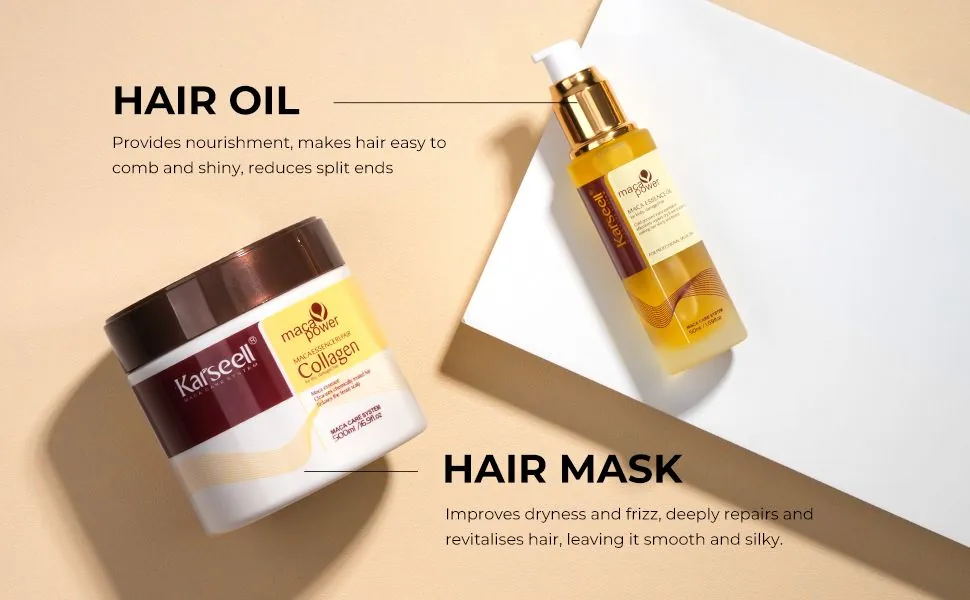
If you have high porosity hair and want to use collagen and argan oil treatments to repair damage, you’ll benefit from products that fill the cuticle gaps while providing intense moisture.
Common Mistakes Based on Wrong Porosity Assessment
Many people spend years using the wrong hair care approach simply because they don’t understand porosity. Here are the most common mistakes:
- Using heavy oils on low porosity hair — Creates buildup without providing any real benefit
- Over-proteinizing high porosity hair — Can cause brittleness and breakage
- Skipping protein treatments when needed — Leaves high porosity hair weak and damaged
- Using clarifying shampoos too often on low porosity hair — Strips natural oils the hair struggles to retain

The Connection Between Porosity and Hair Health
Hair porosity is directly connected to overall hair health and growth. When your cuticle is damaged and overly porous, your hair loses moisture rapidly, becomes brittle, and breaks easily. This prevents length retention and makes it nearly impossible to grow your hair long and healthy.
A proper understanding of your porosity type helps you build a targeted routine that addresses your specific needs. Whether you need to focus on moisture retention, protein reinforcement, or gentle cleansing, the right approach makes all the difference.
Frequently Asked Questions About Hair Porosity
Can my hair porosity change over time?
Yes, your hair porosity can change due to factors like chemical treatments, heat styling, sun exposure, and aging. What was once normal porosity may become higher porosity after damage. You should reassess your porosity every few months or after any significant chemical or thermal treatment.
Is the hair porosity float test accurate?
The float test is a helpful general indicator but not 100% scientifically precise. Product buildup can affect results, so it’s best to test clean, freshly washed hair. Combine it with the slip-and-slide test and observation of how your hair behaves for the most accurate assessment.
What is the best hair mask for high porosity hair?
High porosity hair benefits most from deep conditioning masks rich in proteins and emollients. Look for masks containing keratin, collagen, or silk proteins that can help fill gaps in the cuticle, along with ingredients like shea butter or argan oil that seal in moisture.
How often should I do a protein treatment based on my porosity?
High porosity hair may need protein treatments every 1-2 weeks, while low porosity hair may only need protein once a month or less. Watch for signs of protein overload—hair that feels stiff, brittle, or “gummy” when wet—to adjust your frequency.
Can I have different porosity levels on different parts of my head?
Yes, it’s common to have varying porosity levels. The back of your head often has higher porosity due to more friction from sleeping, while the front may be lower. The hair closest to your scalp may differ from the ends, especially if your ends are more damaged.
Start Your Porosity-Informed Hair Journey
Understanding your hair porosity is a game-changer for your hair care routine. Now that you know how to assess your porosity level and what it means for your product choices, you’re equipped to make smarter decisions about your hair care. Whether you need lightweight hydration for low porosity hair or intensive repair for high porosity strands, targeting your unique needs will transform your results.
Ready to find the perfect products for your porosity type? Explore our curated collection of collagen hair treatments and moroccan argan oil serums designed to address multiple porosity needs and transform your hair health.
