

Washing your hair may seem like the simplest part of your routine—but most people are doing it wrong. From using too much shampoo to skipping conditioner entirely, common mistakes can leave your hair dry, brittle, and dull. The good news? Learning how to wash hair properly takes just a few adjustments, and the results are transformative.
In this guide, you’ll find a complete 10-step process for washing your hair the right way, backed by hair science and pH balance principles. Whether you’re dealing with dryness, damage, or frizz, these steps will help you achieve healthier hair with every wash.
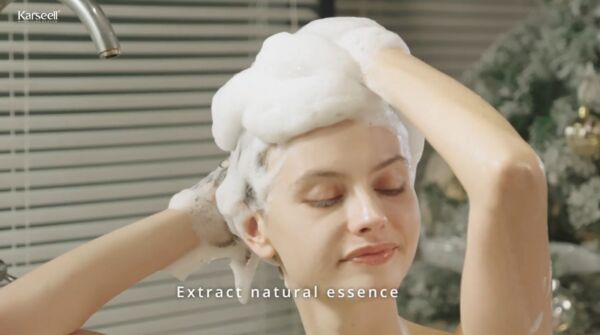
Why Most People Wash Their Hair Wrong
Most people treat hair washing as a task to get through, not a skill to master. They scrub aggressively, use scalding-hot water, and apply conditioner only to the ends—then wonder why their hair still feels dry and lifeless.
The truth is, the way you wash your hair directly impacts its health, shine, and manageability. Your hair’s natural pH balance plays a critical role in how it responds to products and water. Using the wrong technique or products can strip away essential oils, disrupt the cuticle layer, and cause long-term damage that no serum can fix.
The problem isn’t necessarily your shampoo—it’s how you use it. From water temperature to detangling technique, every step matters when it comes to hair washing.

The Science Behind Shampoo and Conditioner
Understanding how shampoo and conditioner work can completely change your approach to washing your hair.
How Shampoo Works
Shampoo contains surfactants—cleansing agents that attract both oil and water. When you massage shampoo into your scalp, these surfactants bind to the sebum (natural hair oil) and dirt on your hair, allowing them to be rinsed away with water. However, not all shampoos are created equal.
Many commercial shampoos contain sulfates and harsh detergents that can be too aggressive, stripping away too much oil and leaving your hair vulnerable. That’s why choosing a gentle, moisturizing shampoo matters. Products like Karseell Argan Oil Shampoo use argan oil and herbal extracts to cleanse without over-stripping, making them ideal for dry and damaged hair.
How Conditioner Works
Conditioner works by coating the hair cuticle with emollients and humectants. It restores moisture, smooths the cuticle layer, and reduces static and frizz. Conditioner is most effective when applied from mid-length to ends—where natural oils from your scalp don’t reach.
If your hair still feels dry after conditioning, it could be due to product buildup or a pH imbalance. Check out our guide on why your hair is still dry after conditioning for a detailed troubleshooting checklist.
The Importance of pH Balance
Your hair’s natural pH sits between 4 and 5—slightly acidic. This acidic environment keeps the cuticle layer紧闭 (closed) and smooth, which reflects light and gives hair its shine. When you use alkaline products (soap-based shampoos, hard water), the cuticle swells and remains open, leading to:
- Frizz and flyaways
- Reduced shine
- Increased porosity
- Greater susceptibility to damage
Using pH-balanced products helps maintain the cuticle’s integrity. Understanding hair pH levels is one of the most effective ways to transform your hair health long-term.
How Often Should You Wash Your Hair?
Before diving into the steps, it’s important to address frequency. How often you should wash your hair depends on several factors:
- Hair type: Fine hair tends to get oily faster; thick, curly hair can go longer
- Scalp condition: Oily scalps may need daily washing; dry scalps benefit from less frequent washing
- Activity level: Sweating after exercise may require more frequent washing
- Climate: Humidity and pollution affect how quickly your hair accumulates buildup
As a general rule, most people benefit from washing their hair 2–3 times per week. Over-washing can strip natural oils, while under-washing can lead to buildup and a congested scalp.
The 10-Step Guide: How to Wash Hair Properly
Step 1: Brush Your Hair Before Getting It Wet
Always detangle your hair before stepping into the shower. Brushing redistributes natural oils from your scalp down the hair shaft and removes loose debris. Use a wide-tooth comb or a gentle detangling brush, starting from the ends and working your way up to avoid breakage.
Step 2: Rinse with Lukewarm Water
Hot water opens the hair cuticle, making it more susceptible to damage and moisture loss. Instead, use lukewarm water to gently rinse. Cooler water towards the end of your wash can help seal the cuticle for added shine.
Step 3: Apply Shampoo Only to Your Scalp
Shampoo is designed to cleanse your scalp—the hair lengths and ends get clean as the lather rinses through. Apply a coin-sized amount (more if your hair is thick) of Karseell Argan Oil Shampoo to your palm, emulsify it between your hands, then massage it into your scalp using your fingertips (not nails). Focus on the areas around your hairline and behind the ears where oil and product buildup are highest.
Step 4: Don’t Over-Shampoo
More shampoo doesn’t mean cleaner hair. In fact, over-shampooing can strip your hair of essential moisture. One thorough lathering is sufficient for most hair types. If you have very thick or long hair, you may need to focus on the scalp sections and let the suds clean the rest.
Step 5: Rinse Thoroughly
Poor rinsing is one of the most common causes of hair issues. Leftover shampoo residue can cause itching, dryness, and product buildup. Ensure you rinse until the water runs completely clear, and no bubbles remain.
Step 6: Apply Conditioner the Right Way
Apply conditioner starting from the mid-lengths of your hair, working toward the ends. Avoid applying conditioner directly to your scalp unless you have a specific scalp treatment product. Karseell Deep Restore Conditioner with argan oil and Maca essence provides intense moisture and glossiness for dry and damaged hair. Use enough to coat each strand without weighing it down.
Step 7: Detangle While Conditioner Is In
While the conditioner is in your hair, use a wide-tooth comb to gently detangle. This is the easiest time to remove knots because the conditioner provides slip, reducing breakage. Start from the ends and work upward slowly.
Step 8: Rinse with Cool Water
Finish your rinse with cool or slightly cold water. This helps seal the cuticle layer, locking in moisture and boosting shine. It also helps the conditioner work more effectively over time.
Step 9: Gently Pat Hair Dry—Don’t Rub
Vigorous towel rubbing causes the most damage to wet hair, leading to frizz, breakage, and split ends. Instead, gently squeeze out excess water with a microfiber towel or a soft cotton t-shirt. Let your hair air dry partially before styling, or use a wide-tooth comb on damp hair.
Step 10: Apply a Serum or Treatment (Optional but Recommended)
After washing, while your hair is still damp, apply a few drops of hair serum or treatment oil to the lengths and ends. This locks in moisture and protects against heat styling. For a complete ultimate hair care routine, incorporate a deep conditioning hair mask 1–2 times per week for intensive repair.
Bonus Step: Adjust Your Products to Your Hair Type
Not all shampoos and conditioners work for everyone. If you have fine hair that gets oily quickly, consider a volumizing shampoo that cleans without weighing down your hair. If your hair is thick and prone to dryness, a deeply moisturizing system like Karseell’s Argan Oil collection will provide the repair and hydration you need.
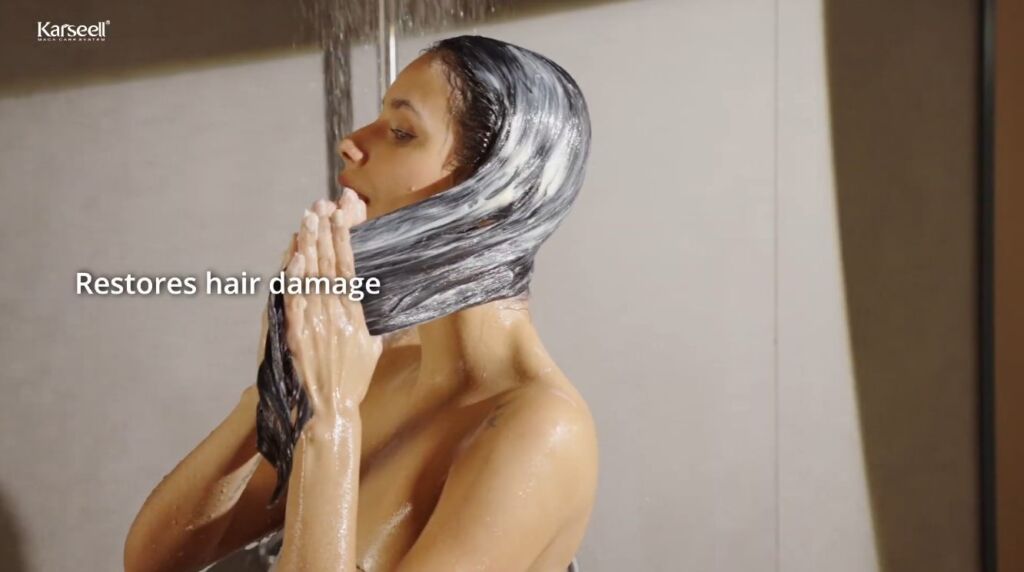
Common Hair Washing Mistakes to Avoid
Even with the best intentions, these common mistakes can undermine your hair health:
- Using too much shampoo: A little goes a long way. More product doesn’t mean cleaner hair.
- Washing every day: Daily washing strips natural oils. Find your optimal frequency based on your hair type.
- Skipping conditioner: Every wash routine should include conditioning, especially if your hair is chemically treated or heat-styled.
- Scrubbing with nails: Use your fingertips to massage the scalp gently. Nails can cause micro-scratches and irritation.
- Using very hot water: Always rinse with lukewarm or cool water to protect the cuticle layer.
- Rubbing hair dry: Pat gently with a towel instead of vigorous rubbing.
FAQs: How to Wash Your Hair Properly
1. How often should I wash my hair?
Most people should wash their hair 2–3 times per week. However, if you have an oily scalp or exercise frequently, you may need to wash more often. Conversely, if your hair is very dry or chemically treated, washing once a week may be sufficient. Learn more about finding your ideal washing frequency.
2. Should I use conditioner every time I shampoo?
Yes—in most cases, conditioning after every shampoo is essential. Conditioner restores moisture, smooths the cuticle, and protects hair from damage. Just be sure to choose the right formulation for your hair type. If your hair feels heavy or greasy after conditioning, you may be using too much or applying it too close to your scalp.
3. What water temperature is best for washing hair?
Lukewarm water is ideal for shampooing and conditioning. It opens the cuticle enough to allow cleansing agents to work effectively without causing excessive moisture loss. Finish with cool water to seal the cuticle and boost shine.
4. Why is my hair still dry after I wash it?
Dry hair after washing can result from several issues: using a shampoo that’s too harsh, not conditioning properly, leaving conditioner residue, or experiencing product buildup. Check our detailed guide: Why Is My Hair Still Dry After Conditioning?
5. Does not washing my hair make it healthier?
Not necessarily. While over-washing can strip natural oils, not washing enough can lead to scalp congestion, odor, and product buildup that weighs hair down. The key is finding the right balance for your specific hair type and lifestyle.
External References and Industry Sources
To ensure this guide reflects the latest research and expert consensus on hair washing best practices, the following sources were consulted:
American Academy of Dermatology Association. (2023). Hair care: 10 tips for healthier hair. Retrieved from https://www.aad.org/news/hair-care-tips
Dias, M. F. R. (2015). Hair cosmetics: An overview. International Journal of Trichology, 7(1), 2–9. https://doi.org/10.4103/0974-7753.155450
Robbins, C. R. (2012). Chemical and physical behavior of human hair (5th ed.). Springer. https://doi.org/10.1007/978-3-642-25625-0
Keen, M. A. (2019). Hair cosmetics: A review. Journal of Pakistan Association of Dermatologists, 29(4), 398–403.
Gupta, A. K., & Francis, J. D. (2022). Hair care practices and their importance for healthy hair. Dermatology Practical & Conceptual, 12(4), 2022031.
Ready to Transform Your Hair Washing Routine?
Learning how to wash your hair properly is one of the most impactful changes you can make for your hair health. With just a few simple adjustments—using the right water temperature, applying products correctly, and choosing high-quality hair care products—you can enjoy stronger, shinier, and more manageable hair with every wash.
Start with the 10 steps above and pay attention to how your hair responds. Adjust as needed, and don’t forget to incorporate deep conditioning treatments into your weekly routine for even better results.
