

Hair care routine for damaged hair isn’t just about using the right products—it’s about understanding what your hair needs, when it needs it, and how to layer treatments for maximum repair. If your hair feels straw-like, looks frizzy, breaks easily, or has lost its shine, you need a structured approach to restoration. This guide walks you through exactly how to build a routine for dry hair that actually works, one step at a time.
Understanding Your Damaged Hair
Before you can fix damaged hair, you need to understand what’s causing it. Common culprits include heat styling without protection, chemical treatments (coloring, bleaching, perming), environmental damage (sun, wind, pollution), mechanical stress (tight styles, rough brushing), and simply neglecting moisture and protein balance.
The first step in any effective damaged hair care steps is identifying your hair’s damage pattern. Is your damage concentrated at the ends (heat styling or split ends)? Throughout the shaft (chemical damage)? At the roots (traction or scalp issues)? The location of your damage tells you a lot about which treatments will be most effective.

Understanding the difference between protein and moisture treatments is essential here. Damaged hair often needs both—but in the right balance. Too much protein can make hair stiff and brittle; too much moisture can make it limp and gummy. A proper routine balances both.
The Ultimate Hair Care Routine: Step by Step
Step 1: Switch to a Gentle, Sulfate-Free Shampoo
Your shampoo sets the foundation for everything else. Harsh sulfates strip natural oils and further damage dry, fragile hair. Switch to a gentle, sulfate-free formula that cleans without stripping. Look for shampoos with nourishing ingredients like argan oil, keratin, or gentle botanical extracts.
When washing, focus the lather on your scalp—this is where oil and product buildup accumulate. Don’t scrub the lengths vigorously; let the runoff cleanse them. Choosing the right shampoo and conditioner for dry hair is the single most impactful change you can make.
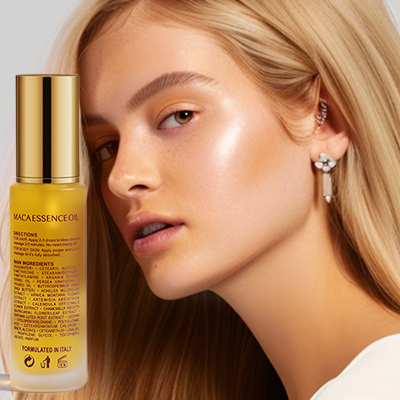
Step 2: Condition Every Single Time You Wash
Conditioner is non-negotiable for dry and damaged hair. After every shampoo—yes, every single one—apply a quality conditioner from mid-lengths to ends. Choose formulas rich in emollients (oils, butters) and humectants (glycerin, honey) that attract and retain moisture.
For an extra boost, consider a conditioner with collagen for hair health. Collagen works by coating the hair shaft, filling in gaps caused by damage, and adding structural support from the outside in.
Step 3: Deep Condition with a Hair Mask Weekly
Once or twice a week, replace your regular conditioner with a deep conditioning hair mask. This is where the real repair happens. Hair masks are more concentrated than standard conditioners and are designed to penetrate the hair shaft for deeper, longer-lasting results.
Apply your mask to clean, towel-dried hair. Section your hair for even application, focusing on the most damaged areas (usually the ends). Leave on for 10–20 minutes with heat (warm towel or shower steam) for enhanced absorption, then rinse with cool water.
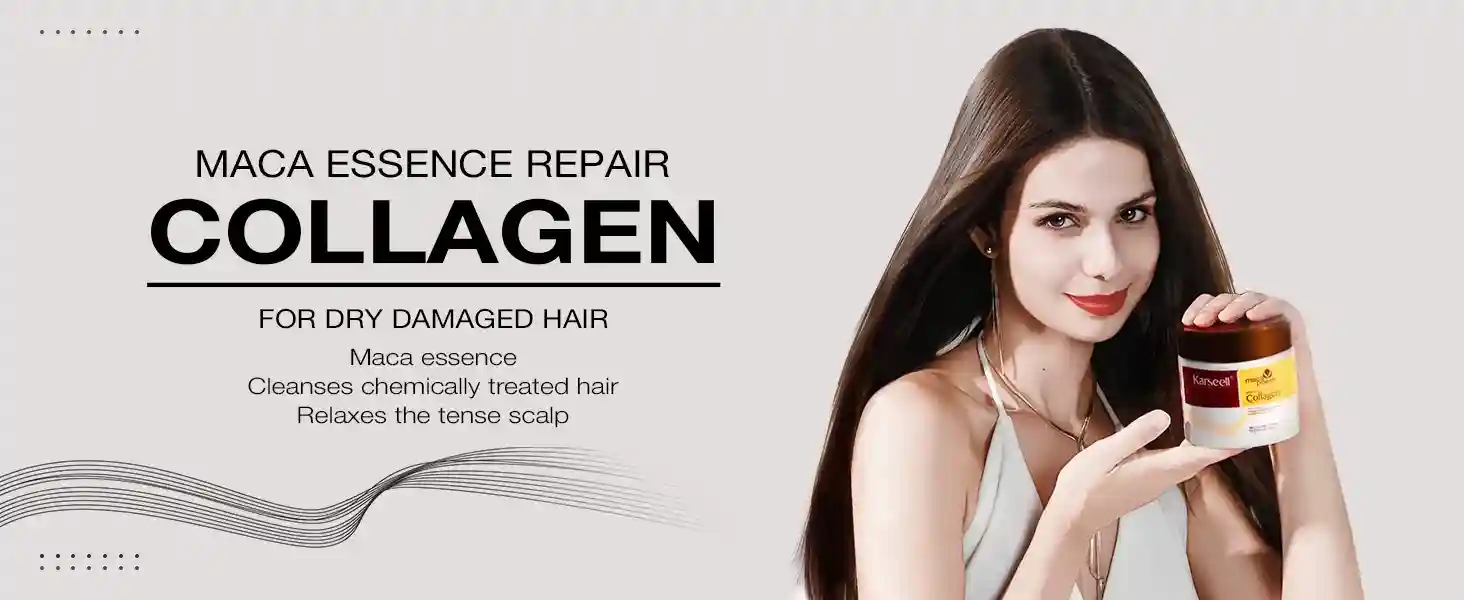
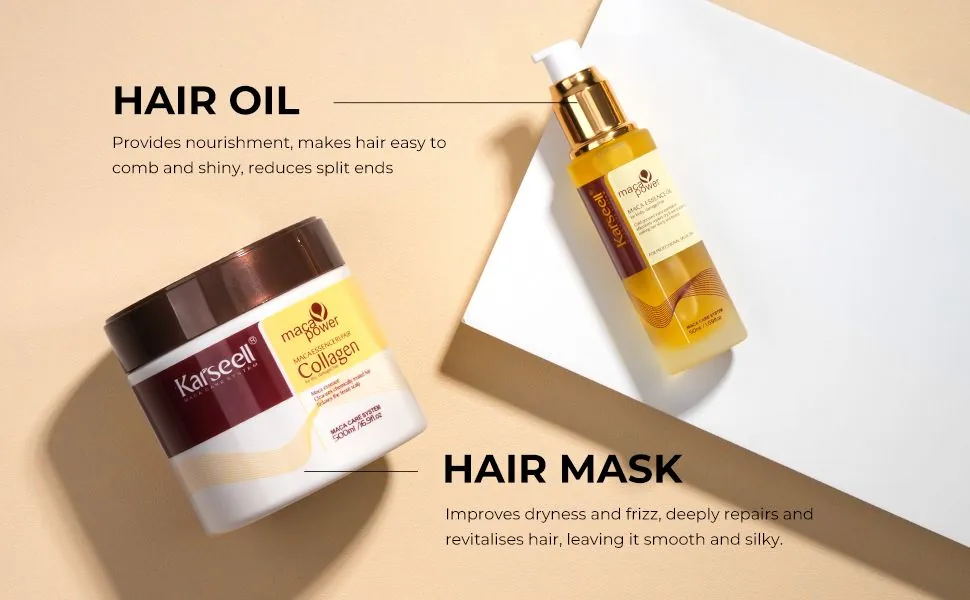
The Karseell Collagen Hair Mask is specifically formulated for dry and damaged hair, combining collagen with argan oil for both moisture and repair in one treatment.
Step 4: Use a Leave-In Conditioner or Detangling Spray
After washing and conditioning, apply a leave-in product before styling. This extra layer of moisture protection makes a significant difference for dry, damaged hair. Leave-in conditioners and detangling sprays smooth the cuticle, reduce frizz, and protect against heat styling.
Work a small amount through damp hair, paying special attention to the mid-lengths and ends. For very damaged hair, look for leave-in products that also offer heat protection.
Step 5: Protect Your Hair from Heat Styling
Heat styling is one of the leading causes of hair damage—and one of the hardest to avoid for many people. If you use flat irons, curling irons, or blow dryers, you must use a heat protectant product every single time. This creates a barrier between your hair and temperatures that can reach 400°F or higher.
A good heat protectant spray or serum applied before styling can reduce heat damage by up to 80%. It won’t make damaged hair perfect, but it prevents further damage and buys you time for your repair routine to work.
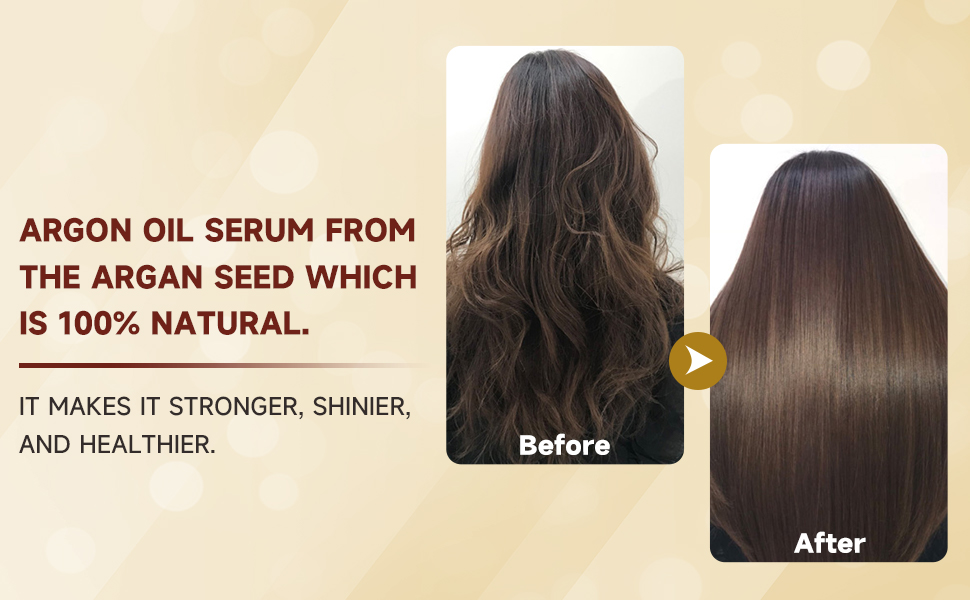
For added nourishment during styling, apply a few drops of Moroccan Argan Oil to the mid-lengths and ends before blow-drying. It adds shine, reduces frizz, and protects against heat damage while nourishing your hair.
Step 6: Trim Regularly
Here’s the truth no one wants to hear: no product can permanently fix split ends. Once the hair shaft has split, the only real solution is to cut it off. Regular trims every 6–8 weeks prevent split ends from traveling up the hair shaft and causing more damage.
If you’re growing your hair out, ask your stylist for “dusting”—trimming only the absolute ends while preserving length. This keeps your hair healthy without sacrificing inches.
Step 7: Nourish from Within
Great hair care isn’t just about what you put on your hair—it’s about what you put in your body. Hair is made of protein (keratin), so adequate protein intake is essential. Iron, zinc, biotin, and vitamins D and E also play critical roles in hair health and growth.
The benefits of herbal for hair growth are worth exploring if you’re dealing with hair that’s weak, thinning, or slow-growing. herbal is rich in minerals that support follicle health and can complement your topical routine.
Weekly Routine Summary for Dry and Damaged Hair
| Day | Morning | Evening |
|---|---|---|
| Day 1 (Wash Day) | Gentle shampoo, conditioner, weekly mask (leave 15 min), cool rinse, leave-in conditioner, air dry or heat style with protection | Optional: Argan oil serum on ends |
| Day 2 | Water-based detangling spray, air dry or gentle styling | Sleep on silk pillowcase |
| Day 3 | Refresh style, light moisture spray if needed | Sleep on silk pillowcase |
| Day 4 | Water-based refresh, light styling | Sleep on silk pillowcase |
| Day 5 | Water-based refresh or light co-wash | Sleep on silk pillowcase |
| Day 6 | Gentle shampoo, regular conditioner, overnight leave-in mask (optional with silk cap) | Sleep on silk pillowcase |
| Day 7 | Clarify if needed (once monthly), reset and restart routine | Deep condition if not done earlier in week |
What Products Do You Really Need?
You don’t need a cabinet full of products. For dry and damaged hair, focus on these essentials:
- Gentle sulfate-free shampoo — Karseell Argan Oil Shampoo
- Deep conditioning mask — Karseell Collagen Hair Mask
- Leave-in conditioner or detangling spray
- Heat protectant
- Argan oil serum — for ends and overnight treatment
- Silk or satin pillowcase

The Role of Hair Porosity in Your Routine
Understanding hair porosity can revolutionize how you approach your routine. Low porosity hair (tightly sealed cuticle) needs lighter products and heat to absorb treatment. High porosity hair (gapped cuticle) loses moisture quickly and needs heavier, more emollient products to retain hydration.
Your damaged hair routine should be tailored to your porosity type. If you’ve been using heavy masks without results, you might have low porosity hair that needs heat to open the cuticle. If your hair absorbs product quickly but still feels dry, you likely have high porosity hair that needs heavier occlusives to seal the cuticle.
When to See a Professional
If your hair damage is severe—if it’s breaking significantly, feels gummy or mushy, or has been chemically over-processed—a home routine might not be enough. Consider seeing a professional stylist for:
- An assessment of damage extent
- Professional deep conditioning treatments
- Recommendations for bond-repairing products (Olaplex, K18)
- A proper haircut to remove the most damaged portions
- Advice on whether to pause chemical treatments
Severe damage requires professional intervention. A good stylist can map out a recovery plan and give you a realistic timeline for restoration.
Final Thoughts
Building a hair care routine for damaged hair is a commitment—but it’s absolutely worth it. By following this step-by-step approach, being consistent, and using quality products designed for repair, you can transform even the most distressed hair over time.
Remember the golden rules: be gentle, be consistent, protect against further damage, and give products time to work. Hair grows slowly and repairs even more slowly. Stick with your routine for at least 6–8 weeks before evaluating results.
Your hair didn’t become damaged overnight, and it won’t be repaired overnight either. But with the right hair care approach, patience, and products, you can absolutely restore it to its healthiest state.
Frequently Asked Questions
How long does it take to repair damaged hair with a proper routine?
Visible improvement typically takes 4–6 weeks of consistent care. However, truly repairing the hair shaft takes longer—about 3–6 months, which is roughly one full hair growth cycle. The most damaged portions (split ends, severely broken areas) cannot be repaired and must grow out and be trimmed. Focus on preventing new damage while protecting and nourishing the hair that’s growing.
Should I wash my hair every day if it’s dry and damaged?
No. Washing too frequently strips natural oils that hair needs for moisture. For dry and damaged hair, washing 2–3 times per week is usually optimal. On non-wash days, use a water-based detangling spray or light conditioning product to refresh your style without stripping your hair.
Is it better to air dry or blow dry damaged hair?
Both have risks. Air drying sounds gentle but can cause damage if hair is fragile and you toss it around. Blow drying with a heat protectant and a dryer on medium heat is often safer for damaged hair because you can control the process. The key is: always use a heat protectant, keep the dryer 6+ inches away, and never use excessive heat.
Can I skip conditioning if I use a hair mask?
No, you shouldn’t fully replace conditioner with a mask. Conditioner provides daily, lightweight moisture, while masks are intensive weekly treatments. Using a mask after every wash can lead to protein or moisture overload. For best results: shampoo → conditioner (daily) → mask (weekly).
What ingredients should I look for in products for damaged hair?
For moisture: argan oil, coconut oil, shea butter, glycerin, hyaluronic acid. For repair: keratin, collagen, silk proteins, amino acids. For protection: antioxidants (vitamin E, green tea), UV filters. Avoid sulfates, alcohols, and silicones that can build up or further dry out damaged hair.
Ready to start your repair journey? Shop the complete Karseell hair care collection for dry and damaged hair and build the ultimate routine for your hair type.
