

Confused about sulfate free vs regular shampoo? You’re not the only one. The shampoo aisle has become a battlefield of marketing claims, with “sulfate-free” prominently displayed on everything from budget bottles to luxury salon products. But what’s the real difference between sulfate free and regular shampoo, and which should you actually choose for your hair? Let’s break down the science, benefits, and potential downsides of each type.
What Are Sulfates in Shampoo?
Sulfates are surfactants—compounds that help water mix with oil and dirt so they can be rinsed away. In shampoo, sulfates create the rich lather we associate with a thorough cleanse.
The most common sulfates in hair care are:
- Sodium Lauryl Sulfate (SLS): A harsh cleanser often used in cleaning products
- Sodium Laureth Sulfate (SLES): A gentler version that’s still effective
- Ammonium Lauryl Sulfate: Often used in organic or natural products
These ingredients are what make your shampoo foam up when you massage it into your scalp. The lather itself doesn’t clean—it’s the surfactants doing the work while the bubbles are just a pleasant side effect.
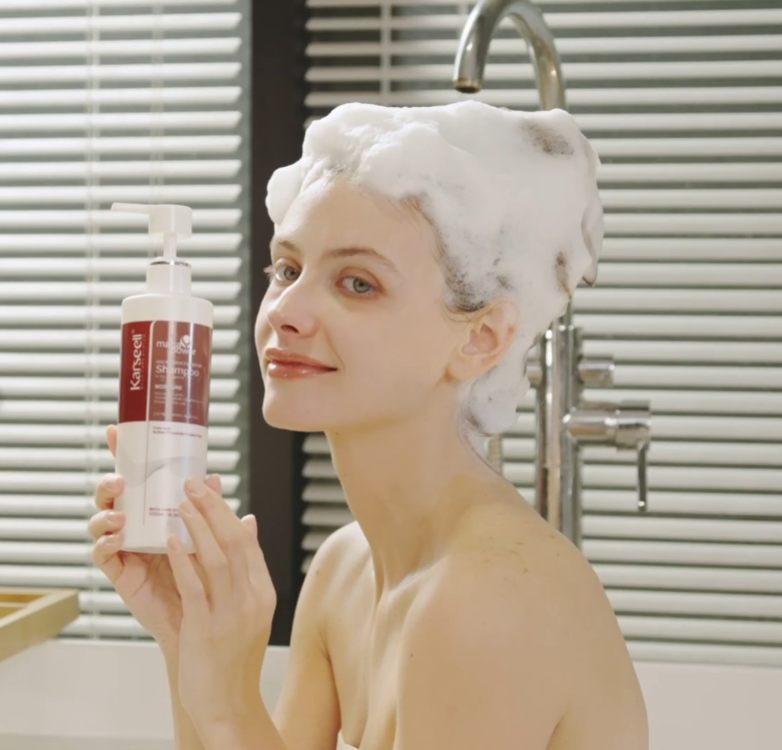
The Case for Sulfate-Free Shampoo
Sulfate free shampoo benefits have made this one of the biggest trends in hair care. Here’s why many professionals and consumers prefer them:
1. Gentler on Color-Treated Hair
Sulfates are effective at removing oils and product buildup, but they don’t discriminate between the good oils your hair needs and the excess sebum. For color-treated hair, sulfates can strip out the dye molecules faster, causing your color to fade prematurely.
Why sulfate-free shampoo matters for maintaining vibrant color is well-documented—sulfates open up the cuticle layer, allowing both natural oils and artificial pigments to escape.
2. Better for Sensitive Scalps
Many people experience irritation, itching, or dryness from sulfate shampoos. This is because sulfates can strip away the scalp’s natural protective oils, disrupting the skin barrier.
If you have conditions like eczema, psoriasis, or simply a sensitive scalp, switching to a sulfate-free formula may significantly reduce irritation.
3. More Moisture Retention
Without sulfates stripping everything away, dry hair can retain more moisture. This leads to less frizz, better manageability, and improved overall hair health.
4. Less Protein Loss
Sulfates can potentially strip proteins from the hair cuticle over time. For those using protein treatments or masks, sulfate shampoos may counteract those benefits.
The Case for Regular Shampoo
Despite the sulfate-free trend, regular shampoos aren’t without their advantages:
1. Superior Cleansing Power
If you use a lot of styling products—pomades, gels, waxes, hairsprays—sulfate shampoos are often necessary to remove buildup effectively. Clarifying shampoos with sulfates are specifically designed for this purpose.
2. Better for Oily Scalps
Some scalps naturally produce more oil than others. If your scalp gets greasy within 24 hours of washing, a sulfate shampoo may be necessary to balance oil production.
3. Lower Price Point
Sulfate shampoos are generally less expensive to produce, which means they’re often more affordable. The Karseell Argan Oil Shampoo offers a sulfate-free option at an accessible price.
4. Effective for Dandruff
Some anti-dandruff shampoos use sulfates to ensure the active ingredients penetrate properly. Zinc pyrithione and selenium sulfide work better with sulfates for certain conditions.

Understanding the difference sulfate free shampoo Makes
Let’s get into the science of what actually happens when you switch:
What Changes When You Go Sulfate-Free
Week 1-2: Your hair may feel heavier or oilier than usual. This is your scalp adjusting to the new level of cleansing. Don’t give up—your scalp needs time to recalibrate its oil production.
Week 3-4: By now, your scalp should start producing less oil overall. Many people report their hair feeling “cleaner with less effort” because the natural oils distribute better down the hair shaft.
Month 2+: Most people see improved hair health, better color retention, and more manageable hair. The transition period varies by individual.
The “No-Poo” Transition
Some people experience an extreme adjustment period called “the purge” where hair seems impossibly greasy for weeks. This happens when scalps overproduce oil after being stripped by sulfates for years. Options include:
- Using dry shampoo during transition
- Doing a final sulfate shampoo wash before switching
- Trying a过渡 gradual approach with partial sulfate formulas
- Being patient—the adjustment period is temporary
Which Shampoo Should You Choose?
The answer depends on your specific hair type, scalp condition, and lifestyle factors.
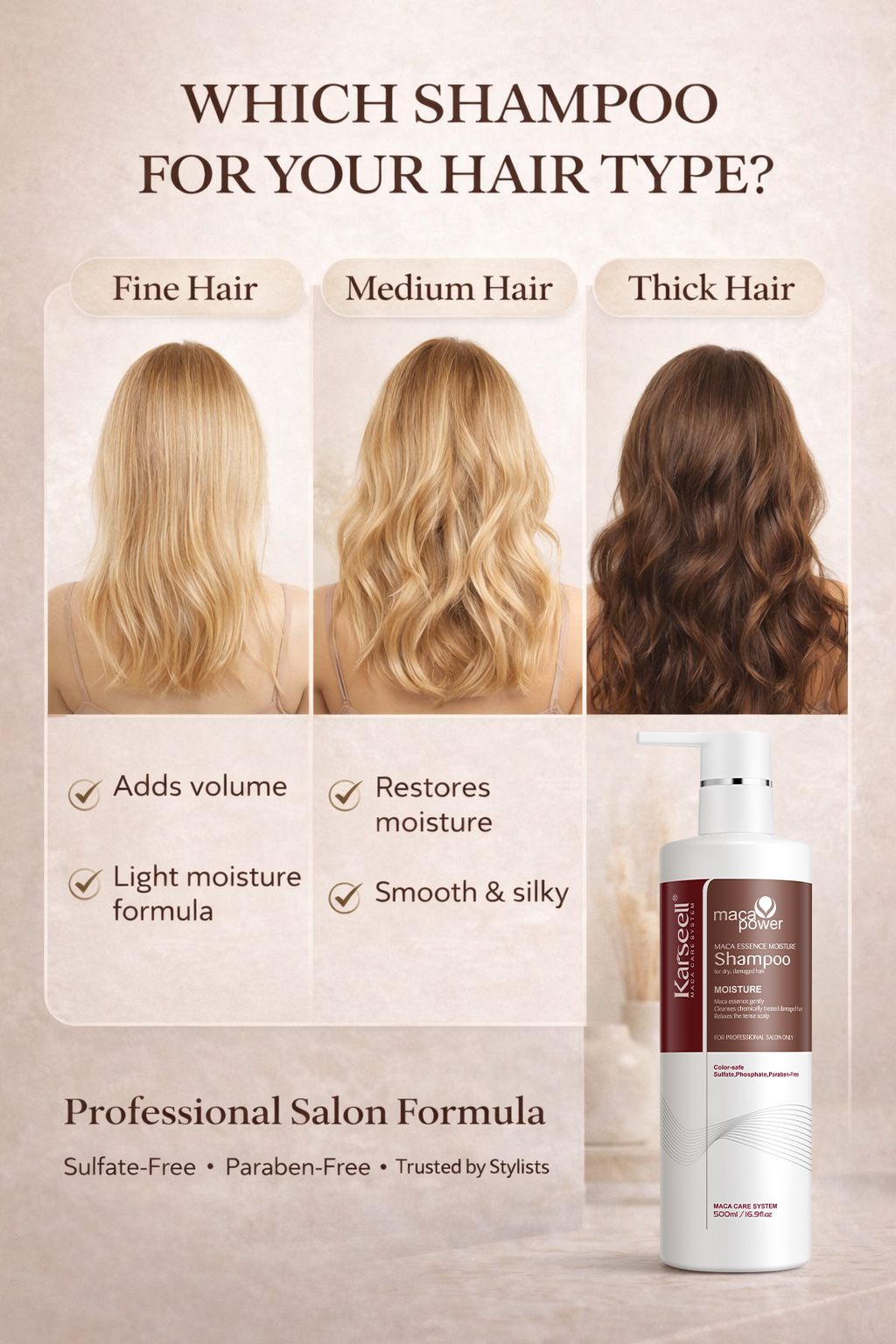
Choose Sulfate-Free If:
- You have color-treated hair (especially blondes or reds)
- Your hair is dry, frizzy, or damaged
- You have a sensitive or itchy scalp
- You use protein treatments or hair masks regularly
- Your hair feels weighed down by products
- You have keratin-treated or chemically processed hair
Choose Regular Sulfate Shampoo If:
- Your scalp is very oily and gets greasy quickly
- You use heavy styling products daily
- You need a clarifying wash occasionally
- You don’t have sensitivity to sulfates
- Your hair is naturally oily and thick
The Hybrid Approach
Many hair care experts recommend using both types strategically rather than committing exclusively to one:
Sulfate-Free Daily: For most days, use a gentle sulfate-free shampoo that maintains moisture and protects color.
Sulfate Shampoo Weekly: Once a week (or every two weeks), use a sulfate shampoo to remove buildup from products, hard water minerals, or environmental pollutants.
This approach gives you the best of both worlds—daily gentleness with periodic deep cleaning.
The Truth About “Natural” and “Organic” Claims
A word of caution: “sulfate-free” doesn’t automatically mean a product is natural or better for you. Many sulfate-free shampoos contain synthetic ingredients that could be problematic for other reasons.
Look at the full ingredient list and consider:
- Are there other harsh ingredients like parabens or formaldehydes?
- Does it contain effective moisturizing ingredients?
- Is it pH-balanced for hair (4.5-5.5)?
- Are there appropriate surfactants for your needs?
Not all sulfate alternatives are created equal. Some use gentler surfactants like:
- Sodium cocoamphacetate
- Decyl glucoside
- Lauryl glucoside
- Cocamidopropyl betaine
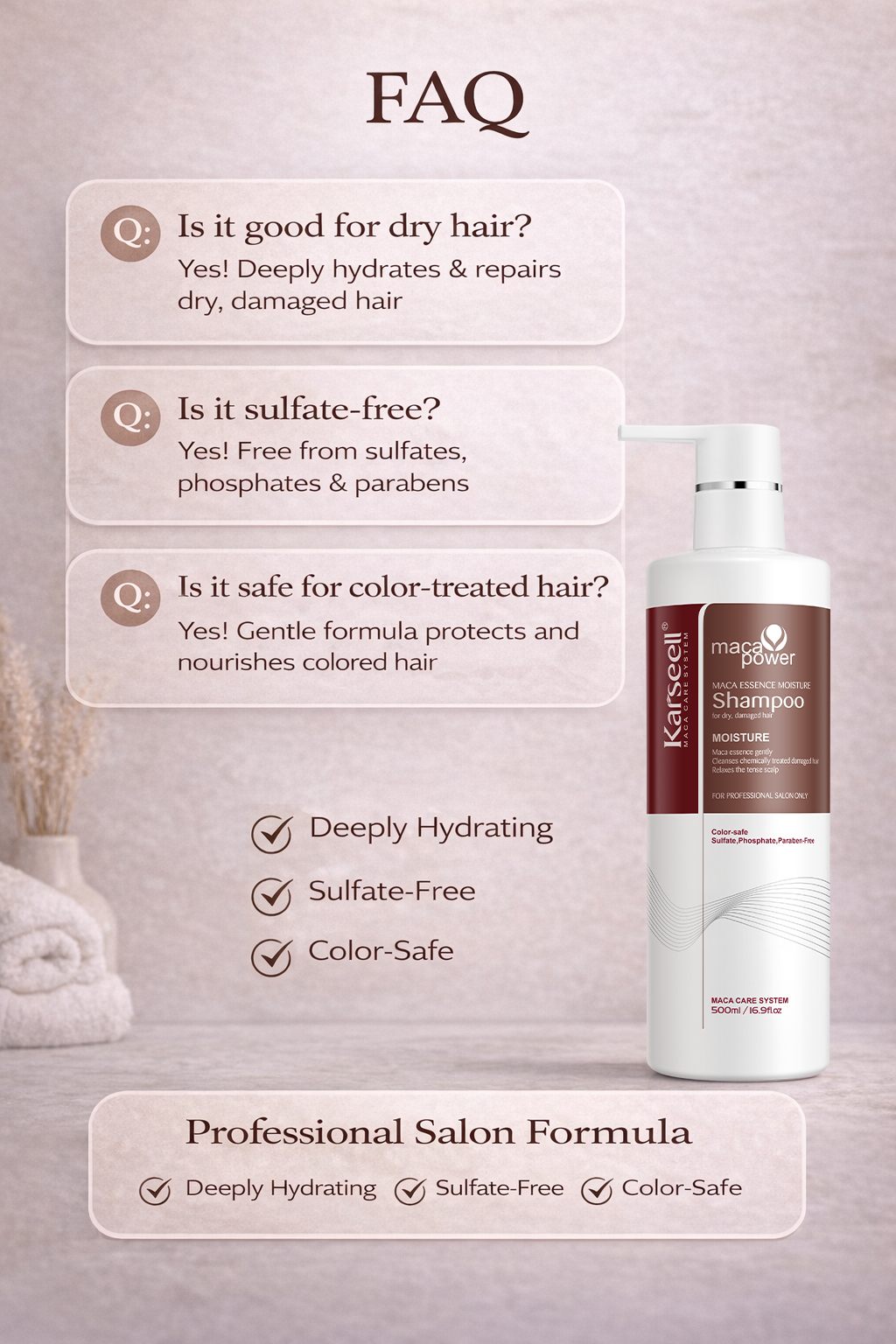
Building Your Shampoo Routine
Based on this sulfate free vs regular shampoo comparison, here’s how to build your ideal routine:
For Dry or Damaged Hair
- Use sulfate-free shampoo daily
- Follow with a moisturizing conditioner
- Use a hair mask 1-2 times weekly
- Consider a sulfate clarifying wash monthly
For Oily Hair
- Start with sulfate-free shampoo
- If still oily after 2 weeks, rotate in sulfate shampoo every third wash
- Focus shampoo only on scalp
- Let conditioner focus on ends only
For Color-Treated Hair
- Commit to sulfate-free formulas exclusively
- Use a color-protecting conditioner
- Wash with cool water to prevent fading
- Use a weekly purple mask for blondes
Frequently Asked Questions
What is the main difference between sulfate free and regular shampoo?
The main difference is the cleansing agents used. Regular shampoos use sulfates (like sodium lauryl sulfate) as surfactants that create rich lather and deep cleansing. Sulfate-free shampoos use gentler alternatives that cleanse without stripping natural oils or causing as much scalp irritation.
Which shampoo is better for colored hair?
Sulfate-free shampoo is generally better for colored hair because sulfates strip dye molecules from the hair cuticle, causing color to fade faster. If you have color-treated hair, why sulfate-free shampoo matters is clear—it helps maintain your color vibrancy for weeks longer.
Can sulfate-free shampoo cause hair loss?
Sulfate-free shampoo doesn’t cause hair loss. In fact, it may promote healthier hair by being gentler on the scalp and preserving natural moisture. However, if you experience increased shedding after switching, it could be part of the normal hair cycle or your scalp adjusting—not the shampoo itself.
Do sulfate-free shampoos lather less?
Yes, most sulfate-free shampoos produce less lather than traditional sulfate formulas. This doesn’t mean they’re cleaning less effectively—the surfactants still work to remove dirt and oil, but without the dramatic foam. Some people find this unusual at first but grow to prefer it.
Should everyone switch to sulfate-free shampoo?
Not necessarily. If you have an oily scalp, use heavy styling products, or don’t experience any issues with regular shampoo, sulfates may work fine for you. The switch is most beneficial for those with dry, damaged, color-treated, or sensitive scalp issues.
Ready to make the switch? Explore sulfate-free shampoo options that combine gentle cleansing with nourishing ingredients for healthier hair.
