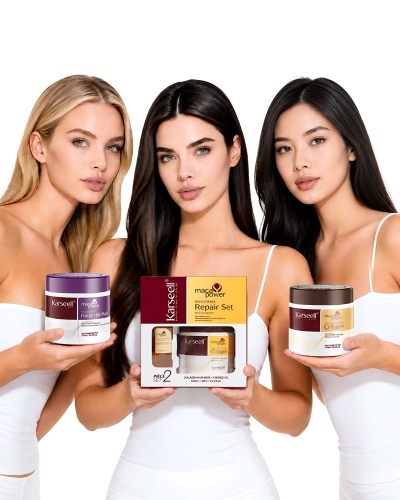
Using a hair mask seems simple—apply it to your hair and rinse, right? Not quite. If you’re making these common mistakes, you could be wasting your time and money while getting disappointing results. In this guide, we’ll show you exactly how to use hair mask correctly, so you get the most out of every treatment.
Why Hair Mask Application Matters More Than You Think
Hair masks are one of the most powerful tools in your hair care arsenal. Unlike regular conditioners, they’re formulated with higher concentrations of active ingredients designed to penetrate the hair shaft and deliver deep repair. But here’s the catch—even the best hair mask won’t work if you apply it incorrectly. Understanding hair mask application technique is the difference between salon-worthy results and mediocrity.
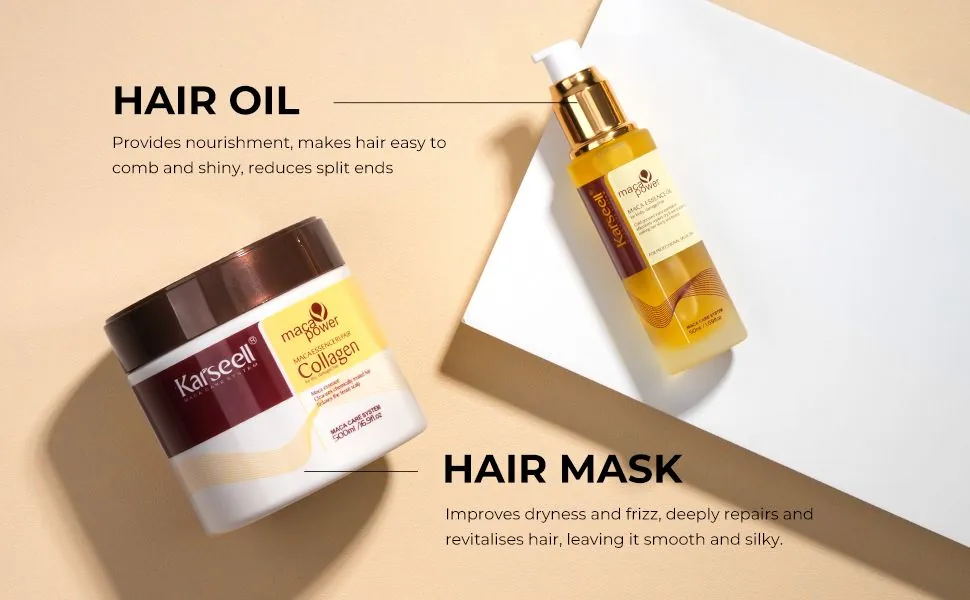
Before we dive into the mistakes, let’s establish what a hair mask actually does. A quality mask like Karseell Collagen Hair Mask works by coating the hair cuticle with nourishing ingredients—collagen, argan oil, and proteins—that temporarily fill in gaps and cracks caused by damage. The key word is “temporarily”—which is why consistent, correct application matters so much.
The 8 Most Common Hair Mask Mistakes
Mistake #1: Applying Hair Mask to Dry Hair
One of the biggest hair mask mistakes is applying it to dry, unwashed hair. Without water to help open the hair cuticle, the active ingredients simply sit on the surface instead of penetrating where they’re needed most. Always apply your hair mask on clean, towel-dried hair for maximum absorption.
The science is simple: water swells the hair cuticle, creating tiny openings that allow beneficial ingredients to slip inside. Dry hair keeps its cuticle tightly sealed, making it nearly impossible for the mask to do its job. After shampooing, gently towel-dry your hair until it’s damp—not dripping—and then work in your mask starting from the mid-lengths to the ends.

Mistake #2: Skipping the Sectioning
Most people apply hair mask randomly, which means some strands get double the product while others get none. Sectioning your hair into 4–6 sections before application ensures even coverage from roots to tips. Use duckbill clips to keep sections separate, then work through each one methodically.
This is especially important for those with thick, long, or curly hair. Without sectioning, you’re likely to miss entire portions of your hair, leaving patchy results. A proper sectioning technique takes just 2 extra minutes but dramatically improves your outcome.
Mistake #3: Using Too Much Product
More mask doesn’t mean better results. Overloading your hair with product leads to buildup, weigh-down, and a greasy appearance that’s hard to fix. For medium-length hair, a coin-sized amount (about a quarter-sized dollop) is typically enough. For very thick or long hair, you might need up to two tablespoons—but start conservatively and add more only if needed.
Professional stylists recommend applying product sparingly to the mid-lengths and ends, avoiding the scalp area unless your mask is specifically formulated for scalp care. The scalp produces natural oils that already provide some moisture; heavy masks near the roots can clog pores and create dandruff.

Mistake #4: Not Giving It Enough Time
If you’re rinsing out your hair mask after 30 seconds because you’re in a hurry, you’re not giving the ingredients time to work. Most quality hair masks need at least 5–10 minutes to penetrate the hair shaft effectively. Some deeper treatments, like collagen and argan oil combinations, benefit from even longer processing times of 15–20 minutes.
Pro tip: while you wait, the heat from your shower steam helps open the cuticle further, enhancing absorption. You can also wrap your hair in a warm towel to create a DIY heat treatment. If you’re short on time, look for masks specifically designed for fast-acting formulas—but even those typically need at least 3–5 minutes.
Mistake #5: Rinsing with Hot Water
Just as hot water opens the cuticle during application, rinsing with very hot water can actually strip the mask’s beneficial ingredients before they’re fully absorbed. Use lukewarm or cool water when rinsing your hair mask. Cool water helps seal the cuticle, locking in all the nourishing ingredients you’ve just applied.
This is one of the easiest mistakes to fix and one of the most impactful. Making this small change can transform your hair mask results from average to exceptional—your hair will feel smoother, look shinier, and retain moisture for longer.

Mistake #6: Using a Hair Mask Instead of Conditioner (or Vice Versa)
Hair masks and conditioners serve different purposes, and using one in place of the other full-time can cause problems. Conditioners are designed for daily use—they provide surface-level smoothing and detangling. Hair masks are intensive treatments meant for weekly use that address deeper issues like damage repair and deep hydration.
Think of it this way: a conditioner is like daily moisturizer for your skin, while a hair mask is like a weekly intensive serum treatment. Using both together—conditioner after shampoo, mask once or twice per week—gives you the best of both worlds.
Mistake #7: Not Protecting Your Hair While Sleeping
If you’re doing overnight treatments, not protecting your pillow can ruin your efforts. Cotton pillowcases absorb moisture from your hair, creating friction that causes frizz and breakage. Use a silk or satin pillowcase to protect your hair—and your face—while you sleep.
If you’re applying an overnight mask, loosely gather your hair on top of your head and cover it with a silk scarf. This prevents the mask from rubbing off on your pillow while keeping your hair protected. In the morning, you’ll wake up to noticeably softer, more hydrated hair.
Mistake #8: Not Matching the Mask to Your Hair Type
Not all hair masks are created equal, and using the wrong one for your hair type is a mistake that undermines all your other efforts. Fine hair needs lightweight formulas that won’t weigh strands down, while thick, coarse, or curly hair can handle richer, more emollient masks.
For blonde or color-treated hair, purple-toned masks are essential for neutralizing brassiness. For dry and damaged hair, look for masks rich in proteins, oils, and humectants. Understanding your hair’s unique needs is the foundation of effective treatment.

How to Use Hair Mask Correctly: Step by Step
Now that you know the mistakes to avoid, here’s the correct process:
- Shampoo your hair — This removes buildup and opens the cuticle. Use a gentle, sulfate-free shampoo for best results.
- Towel dry gently — Your hair should be damp, not soaking wet. Roughly 70% dry is ideal.
- Section your hair — Divide into 4–6 sections using clips.
- Apply from mid-lengths to ends — Avoid the scalp unless directed. Start at the most damaged areas.
- Comb through — Use a wide-tooth comb to distribute evenly.
- Cover and wait — 5–20 minutes depending on the product. Use heat for deeper penetration.
- Rinse with cool water — Seal the cuticle and lock in benefits.
- Style as usual — Your hair is now primed for conditioning and styling products.
How Often Should You Use a Hair Mask?
The answer depends on your hair’s condition. If your hair is severely damaged or very dry, you may benefit from using a mask 2–3 times per week. For maintenance, once per week is usually sufficient. Overusing hair masks—especially protein-based ones—can lead to stiffness and brittleness, so always follow the product’s directions and listen to your hair.
Pay attention to how your hair responds. If it starts feeling heavy, waxy, or stiff, reduce frequency. If it’s still dry and frizzy despite regular masking, you may need a more intensive product or may be making application mistakes we covered above.
For those with an understanding of hair porosity, you’ll know that high-porosity hair (which absorbs product easily but also loses it quickly) may benefit from more frequent masking, while low-porosity hair needs lighter application to avoid buildup.
Choosing the Right Hair Mask for Maximum Results
With so many options available, choosing the right hair mask can feel overwhelming. Here’s a quick guide:
- For deep repair: Karseell Collagen Hair Mask with argan oil and collagen
- For blonde/color-treated hair: Karseell Maca Power Purple Hair Mask
- For intense moisture: Collagen and Argan Oil Set
Final Thoughts
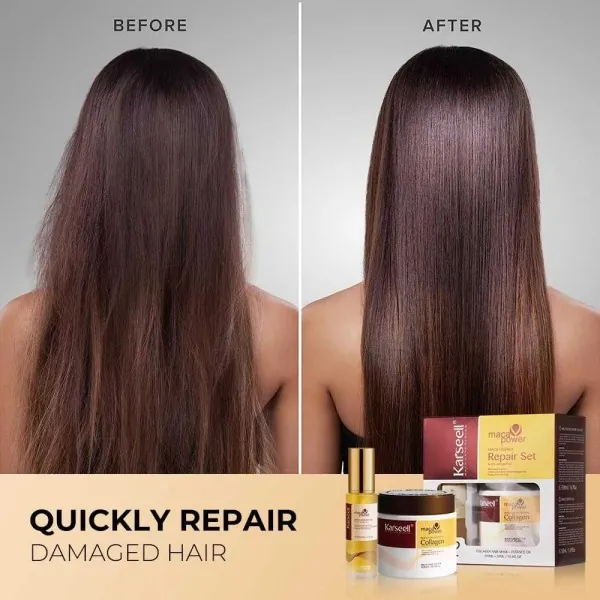
Learning how to use hair mask correctly is a game-changer for your hair health. These treatments are incredibly effective when applied properly—but they require a little more than just slathering and rinsing. By avoiding these 8 common mistakes and following the step-by-step guide above, you’ll transform your hair from dry and damaged to silky, strong, and vibrant.
Consistency is key. Make hair masking a regular part of your routine, and you’ll be amazed at the results. After all, your hair deserves the same care and attention you give to the rest of your appearance. Treat it well, and it will return the favor.
Frequently Asked Questions
How long should I leave a hair mask on for best results?
Most hair masks need 5–20 minutes to work effectively. For deep repair masks like Karseell Collagen Hair Mask, 10–15 minutes is ideal. Some intensive overnight masks are designed to be left on longer—always check the product instructions.
Can I use hair mask every day?
It’s not recommended to use a hair mask every day. Daily conditioning is fine, but intensive hair masks are meant for weekly use (1–3 times per week depending on hair condition). Overusing masks, especially protein-based ones, can cause buildup and make hair feel stiff or brittle.
Should I apply hair mask before or after conditioner?
Hair mask should replace conditioner, not be used in addition to it. Use your hair mask after shampooing, then follow with your regular conditioner if desired. Using both a mask and conditioner simultaneously can sometimes be too heavy, especially for fine hair types.
What’s the difference between a hair mask and a deep conditioner?
Hair masks are more intensive than standard deep conditioners. Masks contain higher concentrations of active ingredients and are designed to penetrate deeper into the hair shaft. Deep conditioners provide surface-level hydration and smoothing but don’t offer the same level of repair as a quality hair mask.
Can I sleep in a hair mask overnight?
Yes, if the product is specifically formulated for overnight use. Sleeping in a regular hair mask can cause frizz and breakage due to friction on cotton pillowcases. Use a silk pillowcase or scarf if sleeping in a mask, and choose products designed for overnight treatment.
Ready to transform your hair? Shop our collection of professional-grade hair masks at Karseell.com and experience the difference proper hair mask application can make.