

Open any bathroom cabinet and you will likely find both a hair conditioner and a hair mask staring back at you. Perhaps you bought the mask during a buy-one-get-one sale, telling yourself you would incorporate it into your routine. Perhaps you use both interchangeably, treating them as essentially the same product with different packaging. Or perhaps you have wondered whether you actually need both, or whether the mask has completely replaced the need for regular conditioner. You are not alone in this confusion.
The question of hair conditioner vs hair mask is one of the most frequently asked in hair care, and the confusion is entirely understandable. Both products are applied to the hair to improve its condition. Both come in similar textures and are used after shampooing. Both make hair feel softer and look shinier. On the surface, they appear to be the same thing wearing different marketing clothes.
But the differences between hair conditioner and hair mask are real, significant, and worth understanding. Using them correctly — and understanding which one to reach for in any given situation — can meaningfully improve the health, appearance, and manageability of your hair. This guide will cut through the confusion and give you a clear, practical understanding of when to use each product and how to get the most from both.

The Fundamental Difference: Intensity and Purpose
At the most basic level, the difference between hair conditioner and hair mask comes down to intensity and purpose. Hair conditioner is designed for daily, consistent use — it provides the regular maintenance that keeps hair in good condition day after day. Hair mask is designed for periodic, intensive treatment — it addresses more significant problems that daily conditioning alone cannot fully resolve.
Think of it this way: if your hair care routine were a fitness program, conditioner would be your daily exercise — consistent, sustainable, essential for maintenance. Hair mask would be your periodic deep tissue massage or physiotherapy session — more intensive, more targeted, addressing specific problem areas that regular exercise alone cannot fully resolve. Both are valuable. Both serve different but complementary purposes. Neither fully replaces the other.
The formulation differences between these two product types reflect their different purposes. Conditioners are typically lighter, with lower concentrations of active ingredients. They are designed to be applied and rinsed quickly — usually within 1-3 minutes — and they focus on surface-level benefits: smoothing the cuticle, reducing static, improving combability, and adding shine. Deep conditioners represent the upper end of the conditioner spectrum, offering more intensive care than daily conditioner but still falling short of true hair mask territory.
Hair masks, by contrast, are concentrated treatments with significantly higher levels of active ingredients. They are formulated to be left on the hair for longer periods — typically 10-20 minutes or more — and their higher viscosity allows them to coat the hair shaft more thoroughly and deliver active ingredients to deeper layers. This is why hair mask treatments are typically used only once or twice per week rather than after every wash.

Understanding How Each Product Works
To truly understand the difference between conditioner and mask, it helps to understand what is happening at a molecular level when you apply each product to your hair.
How Conditioner Works:
When you apply conditioner to freshly shampooed hair, the cuticle is slightly raised — this is why shampooing always leaves hair feeling rougher than before, at least temporarily. Conditioner contains positively charged cationic ingredients (like behentrimonium chloride) that are attracted to the negatively charged hair surface. These ingredients align along the hair strand, smoothing the cuticle scales and reducing static electricity. This is what gives freshly conditioned hair that silky, smooth feel. Conditioner also deposits a small amount of moisturizer and emollient, filling in microscopic gaps in the cuticle surface. But because of its lighter formulation and shorter contact time, conditioner works primarily at the surface level.
How Hair Mask Works:
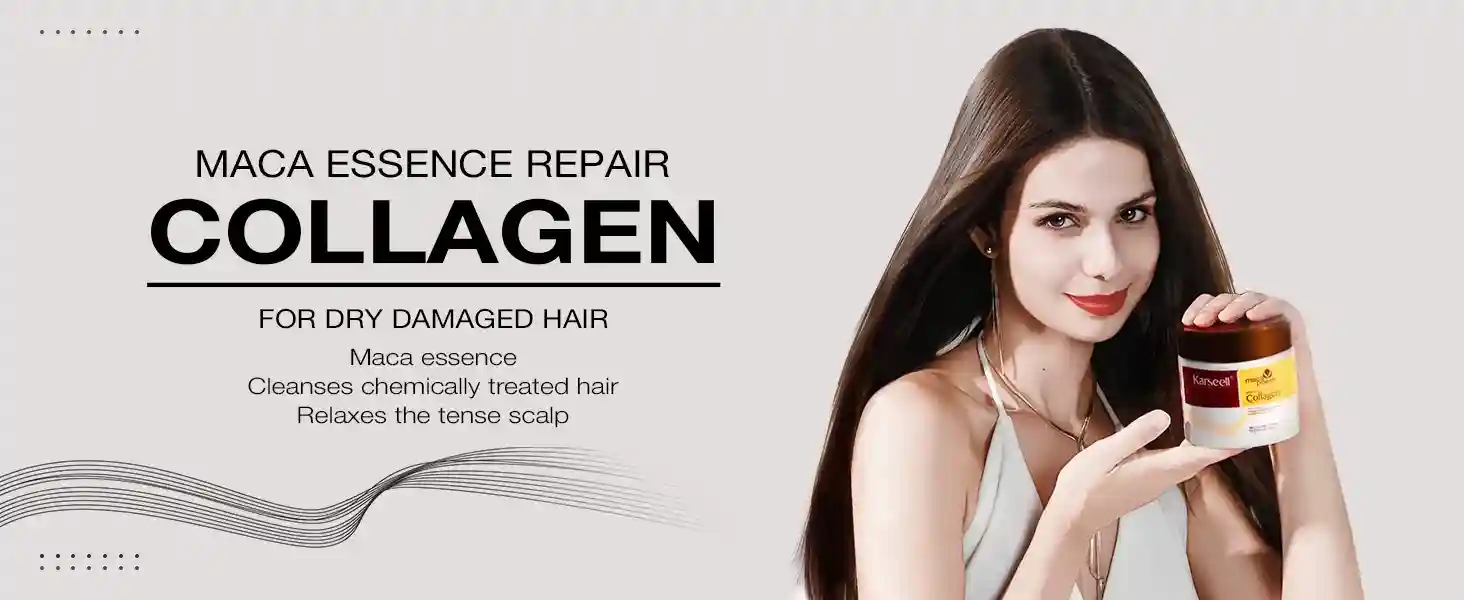
Hair masks work through the same basic mechanisms but at a much more intensive level. Their higher concentration of active ingredients means they can actually penetrate beyond the cuticle into the outer layers of the cortex, particularly when applied for extended periods or used with heat. Collagen-containing hair masks deliver protein fragments that can bond with the hair’s keratin structure, providing genuine structural reinforcement rather than mere surface smoothing. Masks with humectants like glycerin and hyaluronic acid draw significantly more moisture into the hair shaft than conditioner can achieve. The result is deeper, more lasting hydration and repair.
When to Use Hair Conditioner
Hair conditioner should be a non-negotiable part of every wash routine, regardless of your hair type. Here is exactly when and how to use it for maximum benefit.
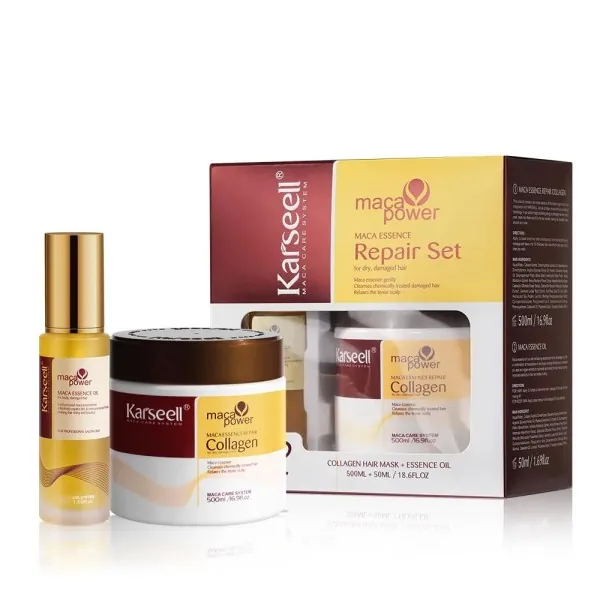
After Every Shampoo:
Conditioner is the essential follow-up to every shampoo session. After your hair has been cleansed — which necessarily involves some degree of cuticle disruption and moisture stripping — conditioner restores the balance by smoothing the cuticle, replenishing moisture, and reducing the static electricity that causes frizz. Skipping conditioner is one of the most common causes of dry, frizzy, unmanageable hair, particularly for those with longer hair where the natural oils from the scalp cannot reach the lengths and ends.
Target Application:
Apply conditioner primarily to the mid-lengths and ends, where it is needed most. The scalp area rarely needs conditioner — in fact, conditioner on the scalp can lead to excess oiliness and may contribute to scalp congestion. For those with very long or thick hair, a targeted application that focuses conditioner on the bottom two-thirds of your hair is more effective than applying it everywhere. The best conditioner for your hair type should address your specific concerns — moisture for dry hair, lightweight hydration for fine hair, protein for chemically treated hair.
Leave It On:
While conditioner is designed to be rinsed out, giving it a minute or two of contact time before rinsing improves its effectiveness significantly. After applying, gently comb through with a wide-tooth comb to distribute evenly, then let it sit while you finish your shower. The steam and warmth of the shower enhance penetration, and rinsing with cooler water helps seal the cuticle after conditioning.
When to Use Hair Mask
Hair mask is a treatment, not a daily product. Understanding when and how to use it is key to getting maximum benefit without overdoing it.
Once or Twice Per Week:
Most people benefit from a hair mask treatment once every 7-10 days. This frequency allows for meaningful deep conditioning without risking protein overload or moisture overload that can occur with more frequent use. Those with very dry, thick, coarse, or heavily processed hair may benefit from twice-weekly mask treatments, while those with fine or oily hair may only need a mask once every two weeks.
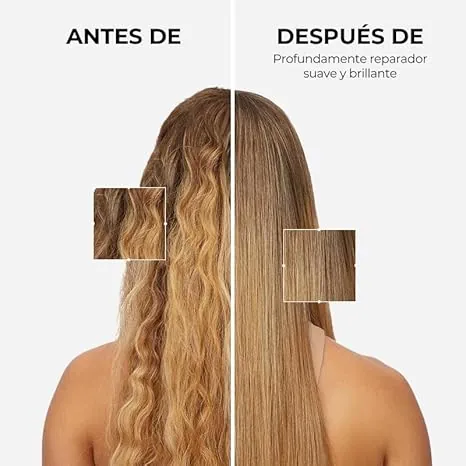
When Hair Shows Signs of Damage:
Hair mask is most valuable when your hair is showing signs of significant stress or damage. After a summer of sun exposure, chlorine swimming, or vacation heat styling. After a color treatment or chemical process. After a period of illness or stress that affected your nutrition and showed in your hair. These are the times to reach for the mask — not every wash, but when the hair genuinely needs the extra care. The best hair masks for damaged hair are formulated with higher concentrations of repair ingredients specifically for these situations.
With Heat for Maximum Penetration:
For truly intensive treatment, apply your hair mask and then apply heat. A shower cap worn for 20 minutes in a warm bathroom creates a steam environment that opens the cuticle and allows deeper penetration of active ingredients. Even better, a dedicated heat cap or hooded dryer provides controlled, consistent warmth that dramatically enhances mask performance. The combination of a quality mask with heat can produce results that rival professional salon treatments.
The Complementary System: Using Both Together
The most effective approach is not choosing between conditioner and mask — it is using both strategically as part of a comprehensive hair care system. Here is how to incorporate both products into your routine for maximum benefit.
On your regular wash days (every 2-3 days), use your daily conditioner as your standard after-shampoo step. Apply it to the mid-lengths and ends, leave it for 1-2 minutes while you finish your shower, then rinse thoroughly. This maintains consistent moisture balance and keeps your hair in good condition day to day.
Once a week, substitute your regular conditioner with your hair mask. Apply to clean, damp hair from mid-lengths to ends, cover with a shower cap, and leave for the recommended time (typically 10-20 minutes). Rinse thoroughly and follow with a light conditioner if your mask is very heavy or if your hair still feels like it needs more moisture after the mask treatment.
Consider the LOC or LCO method for very dry hair: Liquid (a water-based leave-in conditioner or spray), Oil (a sealing oil like Moroccan argan oil), and Cream (your conditioner or mask). Layering these three elements addresses both moisture and sealing in a way that single products cannot match.
Frequently Asked Questions
Can I use a hair mask every day instead of conditioner?
No, and doing so is likely to cause problems. Daily mask use — particularly with protein-containing masks — risks protein overload, which makes hair rigid, brittle, and prone to snapping. The frequency of mask use is specifically calibrated to provide benefits without overdoing it. Conditioner, with its lighter formulation, is designed for daily use and provides consistent, sustainable maintenance that masks simply cannot match on a daily basis. Think of them as complementary, not interchangeable.
What is a deep conditioner and how is it different from a regular conditioner or hair mask?
Deep conditioner is a term that exists in the gray area between regular conditioner and hair mask. A deep conditioner is more intensive than a daily conditioner — it has higher concentrations of active ingredients and is designed to be left on longer (usually 5-10 minutes instead of 1-2). However, it is typically less intensive than a true hair mask, which is usually more concentrated and designed for even longer application times. Many products are marketed as “deep conditioners” when they are functionally hair masks, and vice versa. The key is to read the product’s recommended usage instructions and follow them rather than relying solely on the marketing label.
Do I really need both conditioner and hair mask?
For most people, yes. If your hair is in relatively good condition — no significant chemical processing, no excessive heat styling, no major damage — and you are already using a quality conditioner that addresses your needs, a hair mask may feel like an optional luxury rather than an essential. But if your hair is color-treated, bleached, heat-styled regularly, or showing visible signs of damage, a mask is not optional — it is an essential treatment that conditioner alone cannot adequately address. A complete hair care system that includes both will always outperform one that relies on conditioner alone.
Can I apply conditioner and then a hair mask on the same wash day?
You can, but it is generally unnecessary. Applying a mask replaces the conditioner step for that wash day — the mask will provide more intensive conditioning than your regular conditioner would. Applying both sequentially is redundant and may lead to product buildup. The exception is if your mask feels too heavy or protein-rich after rinsing and you want a lighter layer of moisture on top, in which case a light conditioner application can balance out very intensive mask treatments.
How do I know which mask is right for my hair?
Just as with conditioners, masks should be chosen based on your hair’s specific needs. Dry, damaged hair needs masks rich in moisture ingredients (glycerin, hyaluronic acid, natural oils) and repair ingredients (collagen, keratin). Fine hair needs lightweight masks that provide moisture without weight. Color-treated hair needs masks that are sulfate-free and formulated to protect color vibrancy. Protein-sensitive hair should avoid masks with high protein content. The right mask for you depends entirely on what your hair needs — not on what is most expensive or most popular.
Conclusion
The debate between hair conditioner vs hair mask is ultimately a false choice. Both products serve essential, complementary roles in a comprehensive hair care routine. Conditioner is your daily essential — the consistent maintenance step that keeps your hair manageable, moisturized, and protected after every wash. Hair mask is your periodic intensive treatment — the repair and rejuvenation step that addresses deeper issues and provides a level of care that daily conditioner simply cannot achieve.
Understanding the difference between these two products is not just about vocabulary — it is about knowing when each product is appropriate and using them strategically to get the maximum benefit from your hair care routine. Use your conditioner consistently after every wash. Use your mask when your hair needs intensive repair or once a week as part of a proactive maintenance strategy. Together, they form a system that is far more powerful than either product alone.
Your hair deserves both. Give it the daily care it needs and the intensive treatments it deserves. Your future self — with shinier, stronger, more manageable hair — will thank you.
