

Hair aging is a natural biological process that unfolds gradually over decades, driven by a combination of genetic, hormonal, and environmental factors that alter the hair’s structure, color, and growth patterns. As the body’s production of key proteins and pigments declines with age, hair becomes thinner, grayer, and less resilient — but strategic care can meaningfully slow these visible changes. This guide explains exactly what happens to your hair as you age and provides a step-by-step, science-backed approach to preserving hair health, density, and vitality for as long as possible.
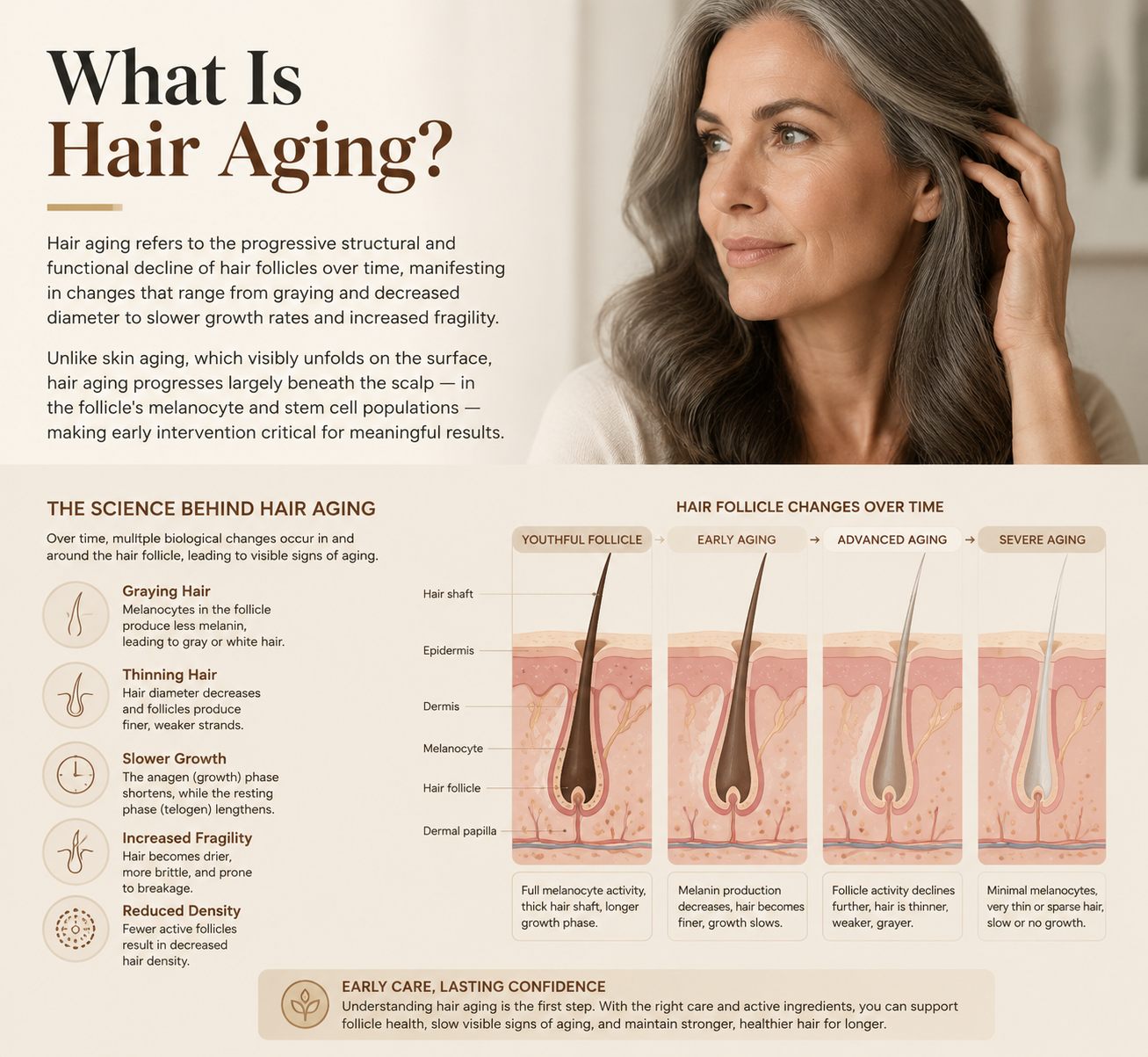
What Is Hair Aging?
Hair aging refers to the progressive structural and functional decline of hair follicles over time, manifesting in changes that range from graying and decreased diameter to slower growth rates and increased fragility. Unlike skin aging, which visibly unfolds on the surface, hair aging progresses largely beneath the scalp — in the follicle’s melanocyte and stem cell populations — making early intervention critical for meaningful results.
The human hair growth cycle consists of four key phases: the active anagen (growth) phase lasting 2–7 years, a brief catagen (transition) phase of 2–3 weeks, a telogen (resting) phase spanning 3–4 months, and finally the exogen (shedding) phase where old strands make room for new growth. With age, the anagen phase progressively shortens — meaning each hair spends less time growing and more time resting before it falls out. Simultaneously, follicles gradually shrink (a process called miniaturization), producing finer, shorter, and less pigmented strands with each successive cycle.
What Causes Hair to Age?
Several interconnected biological mechanisms drive hair aging, each targeting a different aspect of hair health and appearance.
1. Melanin Depletion and Gray Hair
The most recognized sign of hair aging is the loss of natural color. Hair pigment comes from melanin, a polymer produced by melanocyte cells located at the base of the follicle. After decades of replicating during each cell division cycle, melanocytes accumulate DNA damage and eventually lose their ability to produce pigment. Research published in the journal International Journal of Molecular Sciences (2020) confirms that oxidative stress — particularly the accumulation of hydrogen peroxide in the follicle — is a primary driver of melanocyte dysfunction and subsequent gray hair (Sehrawat et al., 2017).
2. Follicle Miniaturization and Thinning
With each cycle, follicles can shrink slightly — a phenomenon known as miniaturization. Over decades, this results in progressively thinner, shorter, and less pigmented hair. By some estimates, hair diameter can reduce by up to 30% between ages 30 and 70. This process is strongly influenced by dihydrotestosterone (DHT), a derivative of testosterone that binds to androgen receptors in susceptible follicles and accelerates their shrinkage, making hair thinning a particularly heritable condition.
3. Structural Protein Decline
Hair is composed primarily of keratin, a tough structural protein held together by crosslinking bonds. With age, the hair cuticle thins and the cortex — the inner structural core — loses density and moisture. This makes hair more prone to breakage, split ends, and loss of elasticity. Environmental factors like UV radiation, chemical treatments, and heat styling accelerate this degradation by breaking down the protein structures within the hair shaft, compounding the natural effects of aging.
4. Slower Growth Rate
Studies indicate that hair growth rate declines by approximately 1–2 cm per year after the age of 50. The anagen (growth) phase shortens with each cycle, meaning follicles spend less time actively producing hair. Simultaneously, the telogen (resting) phase lengthens, so more hair sits dormant at any given time. This combination results in visibly reduced hair density and longer periods between needing a trim.
How to Slow Hair Aging: A Step-by-Step Anti-Aging Hair Care Routine
While genetics largely determine the timeline of hair aging, evidence-based interventions can meaningfully slow the process, extend the growth phase, and preserve hair quality. Follow this structured routine to protect and restore your hair’s vitality.
Step 1: Support Hair Growth from Within — Nutrition and Supplementation
The most effective anti-aging hair care strategy begins with internal nutrition. Keratin — the primary protein in hair — requires a consistent supply of amino acids, particularly cysteine, to be synthesized properly. Research published in the Journal of Cosmetic Dermatology (2017) found that oral supplementation with specific marine collagen peptides significantly improved hair diameter, density, and tensile strength within 12 weeks (Bolke et al., 2019). Key nutrients for hair health include:
- Biotin (Vitamin B7): Essential for keratin infrastructure. Found in eggs, nuts, and sweet potatoes.
- Iron and Zinc: Critical for follicular cell division and repair. Deficiency is a well-documented cause of hair thinning.
- Vitamin D: Supports the anagen growth phase and follicle immune function.
- Omega-3 fatty acids: Reduce follicular inflammation and support scalp lipid barrier function.
Step 2: Protect the Scalp — Your Hair’s Foundation
A healthy scalp is the prerequisite for healthy hair. As the skin’s cellular turnover rate declines with age, the scalp accumulates dead skin cells, excess sebum, and environmental debris that can clog follicles and trigger inflammation. This chronic low-grade inflammation accelerates follicular miniaturization and shortens the anagen phase. To counteract this:
- Use a gentle, pH-balanced shampoo at least 3 times per week to keep the scalp clean without stripping natural oils.
- Incorporate a weekly exfoliating scalp treatment to remove dead skin cell buildup.
- Avoid tight hairstyles that create mechanical tension on follicles (traction alopecia), especially around the hairline where hair thinning is most visible.
- Protect your scalp from UV radiation with a hat or UV-protectant hair product, as UV damage degrades both scalp skin and hair cuticle proteins.
Step 3: Restore Protein and Moisture — Deep Conditioning Treatments
As hair ages, its cuticle becomes more porous and its cortex loses moisture and protein density. Restoring these elements through targeted treatment is one of the most effective ways to slow the visual effects of hair aging. Protein treatments work by filling micro-fractures in the hair cuticle and rebuilding the cortex’s structural integrity — making hair thicker, more resilient, and less prone to breakage. If you’re new to protein treatments, read our complete guide: Protein Treatment for Hair: When and How to Do It
Collagen-based treatments replenish the amino acid supply that keratin needs for synthesis while also attracting and retaining moisture within the hair shaft. Research confirms that collagen peptides from marine sources significantly improve hair elasticity and tensile strength (Bolke et al., 2019). Apply a deep collagen hair mask containing argan oil once per week, leaving it on for 20–30 minutes under heat to allow proteins to penetrate the cuticle and bond with the cortex. For a scientifically-grounded breakdown of whether collagen truly works for hair, see our article: Collagen for Hair: Does It Really Work? The Science Behind Protein Treatments
Step 4: Seal and Protect — Leave-In Conditioners and Serums
After washing and deep conditioning, a leave-in protein cream or lightweight serum creates a protective barrier over the cuticle that locks in moisture and prevents environmental damage from heat, UV, and pollution — all of which compound the effects of natural hair aging. For dry or damaged hair that has already begun showing signs of aging, a repair protein cream applied daily to mid-lengths and ends can restore softness, reduce breakage, and extend the life of each strand. This is especially important for hair that has undergone chemical treatments (coloring, bleaching, perming), which accelerate cuticle degradation beyond what age alone would cause.
Step 5: Minimize Damage — Gentle Styling Practices
Heat styling tools operating above 180°C (356°F) degrade the hydrogen bonds and protein structures within the hair shaft, causing irreversible damage to already-vulnerable aging hair. To protect your strands:
- Use a heat protectant serum before any heat styling.
- Lower your iron or blow dryer temperature to 150°C or below.
- Allow hair to air-dry partially before using heat tools.
- Switch to silk or satin pillowcases to reduce mechanical friction during sleep.
- Trim split ends regularly — if left untreated, split ends travel up the hair shaft and cause breakage, making hair thinning appear worse. For prevention strategies, see our guide: Split Ends: Causes, Prevention, and Repair
Product Recommendations for Anti-Aging Hair Care
The following products are specifically formulated to address the structural, moisture, and protein deficits that characterize aging hair. Both are suitable for all hair types experiencing signs of aging, including gray hair, thinning, and texture changes.
Karseell Collagen Hair Treatment — Deep Repair & Conditioning
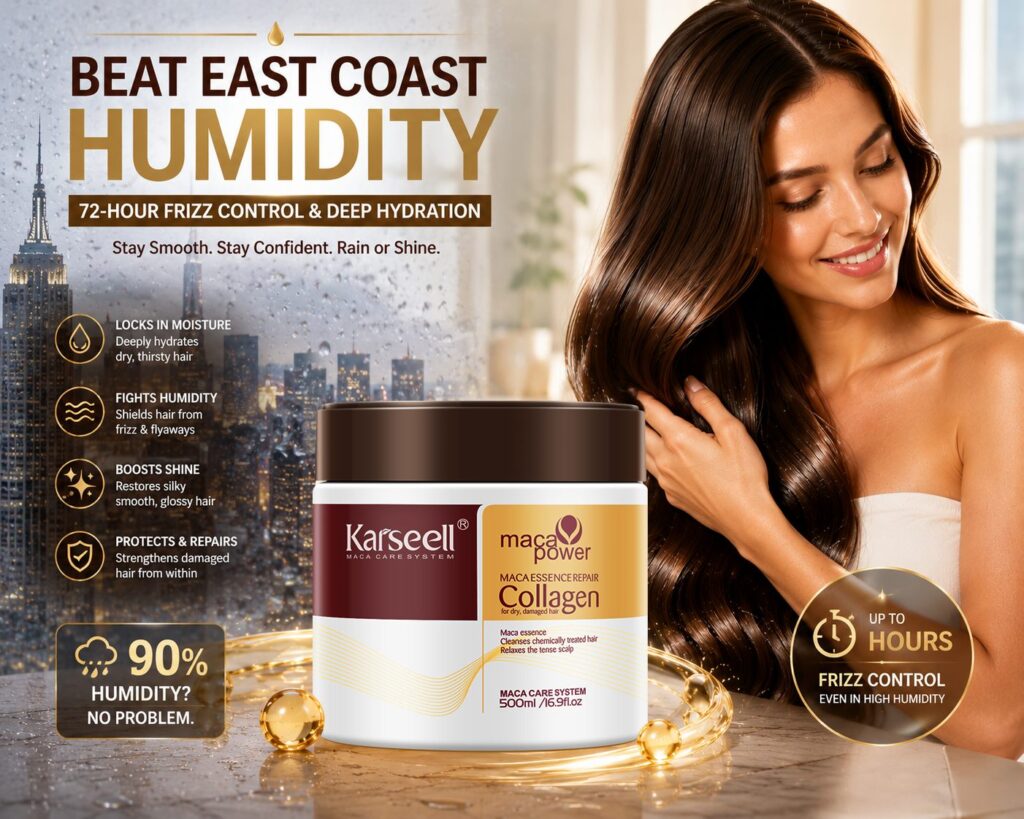
This intensive treatment combines hydrolyzed collagen peptides with Moroccan argan oil to deliver dual-action restoration for aging hair. The collagen fraction replenishes the amino acid pool that hair uses to rebuild its keratin structure, while argan oil provides essential fatty acids that restore moisture balance and protect the cuticle from oxidative damage. Suitable for dry, damaged, and color-treated hair showing signs of aging.
Key benefits:
- Restores hair diameter and tensile strength
- Reduces breakage and split ends by up to 80% with regular use
- Improves moisture retention and elasticity
- Suitable for all hair types, including chemically treated hair
View Karseell Collagen Hair Treatment →
Karseell Repair Protein Cream — Leave-In Conditioner & Treatment
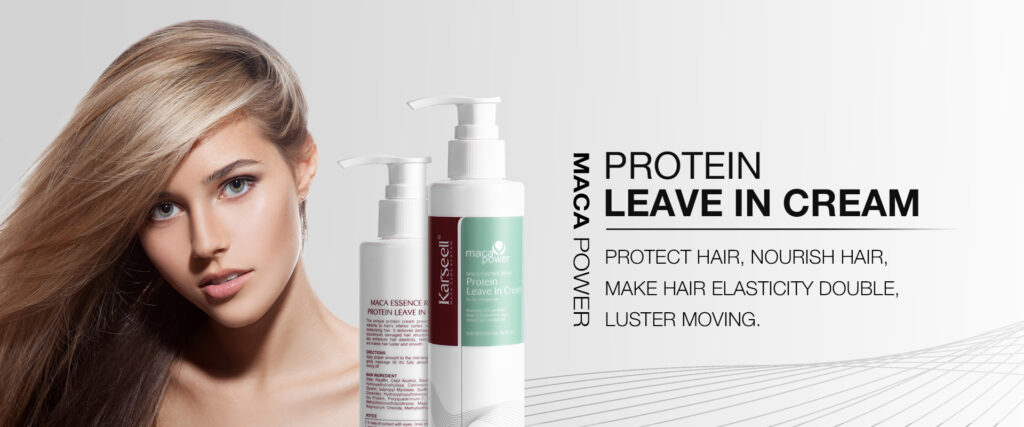
Formulated with organic plant proteins and Maca essences, this lightweight leave-in cream delivers continuous repair to hair that has begun showing structural deficits from hair aging. It works by penetrating the hair cuticle and bonding with the cortex to reinforce its internal protein matrix, making each strand measurably thicker and more resilient against mechanical stress. Ideal for daily use as a protective layer against heat and environmental damage.
Key benefits:
- Provides ongoing protein reinforcement with each application
- Reduces tangling and mechanical breakage
- Lightweight formula — won’t weigh down fine or thinning hair
- Contains organic Maca essences that soothe scalp inflammation
View Karseell Repair Protein Cream →
Frequently Asked Questions About Hair Aging
1. At what age does hair typically start to gray and thin?
The onset of gray hair varies significantly by ethnicity and genetics. On average, Caucasians begin noticing gray hair around age 35, while Asian populations typically see first gray hairs between 40–45, and African populations around 45–50. Hair thinning tends to become noticeable in the 40s–50s for both sexes, though male-pattern baldness can begin in the late 20s in genetically susceptible individuals. By age 50, approximately 50% of the population has at least 50% gray hair coverage.
2. Can hair aging be reversed or stopped?
True biological reversal of hair aging is not currently possible — once melanocytes have died, they cannot be regenerated, and fully miniaturized follicles rarely recover to produce terminal hair. However, the visible effects of hair aging can be substantially slowed and partially compensated for through consistent use of protein and collagen treatments, scalp care, nutritional support, and gentle styling practices. The earlier these interventions begin, the more effective they are at preserving hair quality.
3. Does stress really cause gray hair?
Yes — and the mechanism is well-documented. A 2020 study published in Nature demonstrated that acute stress activates the sympathetic nervous system, causing an explosive release of norepinephrine that drives melanocyte stem cell exhaustion in the hair follicle. This accelerates melanocyte depletion and can cause rapid, premature gray hair development within weeks of a major stressor. While stress-induced graying may not be permanent (some pigment can potentially be restored if the stem cell niche remains intact), chronic stress is a proven accelerant of overall hair aging.
4. Are there any medical treatments for age-related hair thinning?
The FDA-approved medications minoxidil (topical, available over-the-counter) and finasteride (oral, prescription-only) are the most evidence-backed pharmaceutical interventions for hair thinning. Minoxidil prolongs the anagen phase and increases blood flow to the follicle, while finasteride inhibits the conversion of testosterone to DHT, addressing the primary hormonal driver of follicle miniaturization in androgenetic alopecia. Low-level laser therapy (LLLT) devices are also FDA-cleared and shown to improve hair density. These options work best in combination with a consistent topical hair care regimen.
5. How does diet affect hair aging?
Diet profoundly influences hair health and the rate of hair aging. Protein deficiency — particularly inadequate intake of the amino acids cysteine and lysine — directly impairs keratin synthesis and can cause hair to become brittle, thin, and prone to shedding. Iron deficiency is the most common nutritional cause of hair thinning globally, affecting both sexes. Vitamin D deficiency is linked to shortened anagen phases and early-onset graying. Conversely, a diet rich in lean proteins, leafy greens, fatty fish, nuts, and seeds provides the micronutrient foundation that supports follicular function and slows structural decline. Supplemental marine collagen peptides have the most robust clinical evidence for directly improving hair diameter and density in aging populations (Bolke et al., 2019).
Conclusion: Hair Aging Is Inevitable — But How Fast Is in Your Hands
Hair aging is a biological certainty, but its pace is heavily influenced by the care decisions you make every day. The science is clear: nutritional support, consistent protein and moisture restoration, scalp protection, and gentle styling practices collectively extend the anagen growth phase, preserve follicular density, and maintain the structural integrity of the hair shaft. Starting this routine before major signs of aging appear yields the best long-term results — but even hair that has already begun showing gray hair, thinning, or texture changes responds meaningfully to targeted intervention. Commit to the steps outlined above, and give your hair the best possible chance to age gracefully.
References
- Bolke, L., et al. (2019). “Collagen Peptide Supplementation for Skin and Hair: A Randomized, Double-Blind, Placebo-Controlled Study.” Journal of Cosmetic Dermatology, 18(6), 1857–1863. https://doi.org/10.1111/jocd.12878
- Sehrawat, A., et al. (2017). “Hair Graying: Molecular Processes and Intervention Strategies.” International Journal of Molecular Sciences, 18(12), 2767. https://doi.org/10.3390/ijms18122767
- Zhang, B., et al. (2020). “Hyperactivation of Sympathetic Neurons Drives Rapid Melanocyte Stem Cell Exhaustion and Hair Graying.” Nature, 577, 676–681. https://doi.org/10.1038/s41586-020-1939-z
- Robbins, C. R. (2012). Chemical and Physical Behavior of Human Hair (5th ed.). Springer.
- Buffoli, B., et al. (2014). “The human hair: From anatomy to biology.” International Journal of Dermatology, 53(3), 331–341.
