

When it comes to hair health, two pillars stand above the rest: moisture and protein. While most of us are diligent about hydration, the critical role of protein in hair care is often overlooked—until problems arise. Protein treatment for hair is one of the most powerful (and misunderstood) tools in hair restoration, capable of transforming weak, damaged, breaking hair back into strong, resilient, healthy strands.
In this comprehensive guide, we’ll explain exactly what protein treatment for hair involves, when to use it, how to do it correctly, and how to avoid the pitfalls of overdoing it.

Understanding Protein and Hair Health
Your hair is made almost entirely of protein—specifically, a protein called keratin. In fact, hair is approximately 90% keratin by weight. Keratin is a fibrous structural protein that gives hair its strength, elasticity, shape, and resilience. When your hair is protein-deficient—due to chemical processing, heat damage, mechanical stress, or simply the wear and tear of daily life—it becomes weak, fragile, and prone to a host of problems.
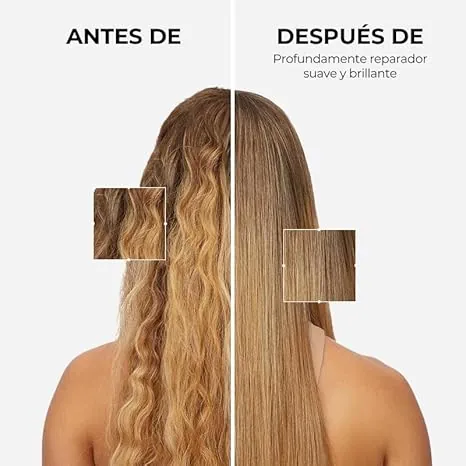
A hair protein treatment replenishes the keratin that has been lost or damaged, rebuilding the hair’s structural integrity from the inside out. The result is stronger hair that resists breakage, holds styles better, and regains its natural bounce and elasticity.
Signs You Need a Protein Treatment
Not sure if your hair is protein-deficient? Watch for these common warning signs:
- Hair stretches excessively when wet and doesn’t spring back
- Hair feels mushy, gummy, or overly soft (a sign of too much moisture without enough protein to balance it)
- Hair snaps or breaks easily, even with gentle handling
- Hair won’t hold a curl no matter what products you use
- Visible split ends despite regular trims
- Hair looks limp and lifeless
- Hair has changed texture significantly (suddenly frizzy, suddenly straight)
- Hair that has been heavily bleached, colored, permed, or chemically relaxed

The Different Types of Protein Treatments
Light Protein Treatments
These are incorporated into everyday products like shampoos, conditioners, and leave-in products. They provide subtle protein reinforcement and are safe for frequent use. Look for ingredients like hydrolyzed silk protein, oat protein, wheat protein, or rice protein.
Moderate Protein Treatments
These are deep conditioning masks that contain significant amounts of protein alongside moisturizing ingredients. They should be used weekly or bi-weekly depending on your hair’s needs. Products containing hydrolyzed collagen peptides fall into this category.
Intensive Protein Treatments
These are concentrated protein treatments designed for severely damaged hair. They may contain keratin, hydrolyzed keratin, or amino acids in high concentrations. These are typically used once a month or less frequently, and always followed by a moisturizing treatment to balance the protein.
When to Use Protein Treatment: The Balance Principle
The key to effective protein treatment is understanding the moisture-protein balance—often called the moisture-protein balance (MPB) or protein-moisture ratio. Think of healthy hair as having a 1:1 balance of protein and moisture. Too much protein and hair becomes stiff, brittle, and straw-like. Too much moisture and hair becomes limp, mushy, and weak.
When to Focus on Protein
- After bleaching or lightening treatments
- After chemical relaxers or perms
- After excessive heat styling
- When hair feels mushy or over-moisturized
- When hair won’t hold any style
- During periods of excessive breakage
When to Focus on Moisture
- When hair feels dry and brittle
- When hair is frizzy and unmanageable
- During dry winter months
- When scalp is itchy or flaky
- When hair feels stiff after too many protein treatments
How to Do a Protein Treatment at Home
Step 1: Identify Your Hair’s Needs
Before doing a protein treatment, assess whether your hair actually needs it. Perform the strand test: stretch a single wet hair strand gently. If it stretches excessively and doesn’t spring back, you likely need protein. If it snaps immediately with no stretch, you need both protein and moisture. If it feels stiff and hard, you may have protein overload and need moisture instead.
Step 2: Choose the Right Product
For regular maintenance and moderate damage, a quality collagen hair treatment mask provides an excellent balance of protein and moisture. For more intensive repair, look for products specifically labeled as protein treatments or reconstructors. The Karseell Collagen Hair Treatment Mask combines hydrolyzed collagen with argan oil, delivering protein reinforcement alongside deep moisture—ideal for most hair types.
Step 3: Application
- Shampoo hair with a gentle, sulfate-free cleanser to remove buildup
- Pat hair dry with a microfiber towel until damp
- Section hair into 4-6 parts
- Apply protein treatment from mid-lengths to ends, working section by section
- Use a wide-tooth comb to distribute evenly
- Cover with a shower cap and apply low heat for 15-30 minutes
- Rinse thoroughly with cool water
- Follow with a moisturizing conditioner or mask (important: always follow protein with moisture!)
Step 4: Post-Treatment Care
After your protein treatment, handle hair gently. Avoid heat styling for 24-48 hours if possible to allow the protein to fully bond with the hair shaft. Continue with your regular shampoo and conditioner routine, but be mindful of how your hair responds.
Common Protein Treatment Mistakes
Over-Doing It
The most common mistake is using protein treatments too frequently. Signs of protein overload include hair that feels straw-like, brittle, and snaps easily; hair that won’t absorb moisture; and hair that feels rough and dry despite conditioning. If you experience these symptoms, stop all protein treatments for 2-4 weeks and focus on deep moisture instead.
Not Following Up with Moisture
Protein treatments open up the hair cuticle and fill it with protein—but they can leave the hair feeling dry if not properly followed by a moisturizing treatment. Always apply a rich, nourishing conditioner or hair mask after a protein treatment to restore balance.
Using the Wrong Type of Protein
Not all protein treatments are created equal. Some contain amino acids that are too small to actually benefit the hair, while others use protein molecules that are too large to penetrate the shaft. Look for hydrolyzed proteins—they’ve been broken down to the right size for maximum absorption and effectiveness.
Leaving It On Too Long
More time is not always better. Leaving a protein treatment on for longer than recommended can cause protein to build up on the surface of the hair, creating a brittle, plastic-like coating that leads to breakage rather than preventing it.
Protein and Moisture: The Perfect Partnership
The most effective hair care routines don’t choose between protein and moisture—they balance both strategically. A well-formulated product like the Karseell Collagen Hair Mask and Argan Oil set delivers both in one application, simplifying your routine while ensuring your hair gets the best of both worlds.
For a comprehensive approach to repairing split ends and preventing breakage, alternate between protein-focused and moisture-focused treatments. Pay attention to how your hair responds, and adjust the frequency based on its needs. Over time, you’ll develop an intuitive understanding of what your hair needs and when.
How Often Should You Do a Protein Treatment?
Frequency depends on your hair’s condition and how much damage it has sustained:
- Normal, healthy hair: Once every 4-6 weeks for maintenance
- Chemically treated hair: Every 1-2 weeks
- Severely damaged hair: Once a week for the first 4-6 weeks, then taper to every 2-3 weeks
- Protein-sensitive hair: Once a month or less, testing on a small section first

Conclusion
Protein treatment for hair is one of the most powerful tools available for restoring damaged, weak, and breaking hair. By understanding when to use it, how much to use, and how to balance it with moisture, you can harness the remarkable regenerative power of protein to rebuild your hair from within. Remember: healthy hair isn’t just moisturized—it’s fortified with the protein it needs to stay strong, resilient, and beautiful. Make protein treatment a strategic part of your hair care routine, and watch your hair transform from fragile to formidable.
