

What Is Hair Breakage?
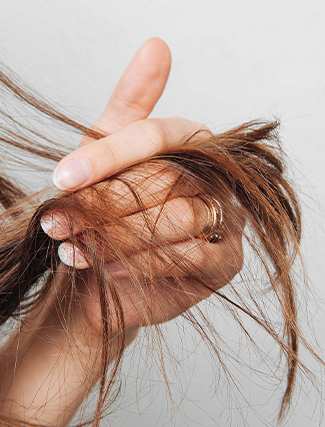
Hair breakage occurs when the hair shaft snaps or splits at one or more points along its length, resulting in frizzy, shortened, and uneven strands. Unlike hair shedding—which involves the entire strand falling from the root—hair breakage happens at the surface level, leaving behind jagged, frayed ends that cannot repair themselves. Understanding the science behind why hair breaks off is the first step toward preventing it and restoring your hair’s structural integrity.
Why Does Hair Break Off? Understanding the Science
Your hair is built from three primary layers: the medulla at the core, the cortex in the middle, and the cuticle on the outside. The cuticle acts as a protective shield—a layer of overlapping, shingle-like cells that lock in moisture and guard the delicate cortex beneath. When this cuticle layer becomes compromised, the cortex loses its structural support, and the hair becomes weak, brittle, and prone to snapping.
The Cuticle: Your Hair’s First Line of Defense
The cuticle is composed of dead, translucent cells arranged in layers. When these cells lie flat and intact, they reflect light, giving hair its smooth, shiny appearance. However, daily stressors—heat styling, chemical treatments, UV exposure, and even rough towel drying—can lift or crack these cells, exposing the cortex. Once the cuticle is breached, moisture escapes and environmental aggressors infiltrate, causing the cortex to weaken and eventually fracture.
Cortex Damage: The Structural Collapse
The cortex contains long chains of keratin proteins stabilized by chemical bonds—primarily disulfide bonds and hydrogen bonds. These bonds give hair its elasticity, tensile strength, and shape memory. When the cortex is weakened by protein loss, moisture overload, or mechanical stress, those bonds break down, and the hair loses its ability to withstand tension. The result is a hair shaft that snaps under minimal pressure, even during routine combing.
Types of Hair Damage That Lead to Breakage
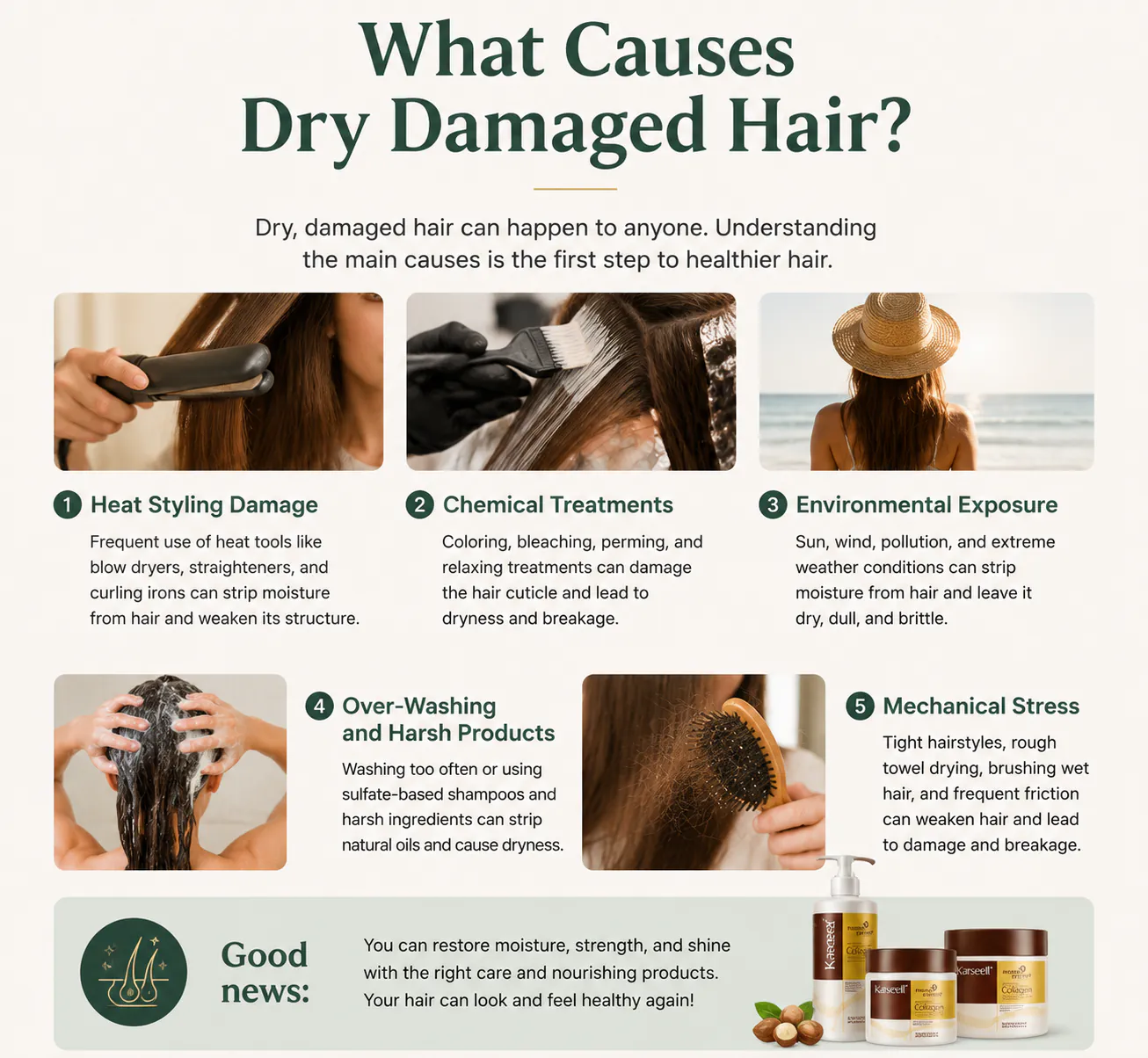
- Mechanical damage: Aggressive brushing, tight hairstyles, and friction from cotton pillowcases cause physical stress to the cuticle.
- Chemical damage: Bleaching, perming, relaxing, and repeated hair dyeing degrade disulfide bonds in the cortex.
- Thermal damage: Flat irons, curling wands, and high-heat blow-drying temperatures above 180°C (356°F) vaporize moisture within the shaft.
- Environmental damage: Sun UV radiation and pollution generate free radicals that oxidize and weaken keratin proteins.
The Role of Hair Porosity in Breakage
Hair porosity refers to your hair’s ability to absorb and retain moisture. High-porosity hair—often the result of cuticle damage—has gaps and holes that allow too much moisture in too quickly, causing the shaft to swell and become fragile. Low-porosity hair, meanwhile, struggles to absorb moisture at all, leading to product buildup and dry, brittle strands. Both extremes contribute to hair breakage when the moisture-protein balance is disrupted.

How to Prevent and Stop Hair Breakage: A Step-by-Step Guide
Preventing hair breakage requires a combination of reduced stress, proper moisture management, and targeted repair. Follow these evidence-backed steps to restore your hair’s strength from the inside out.
Step 1: Handle Wet Hair with Care
Wet hair is at its most vulnerable—it can stretch up to 30% beyond its normal length without breaking, but beyond that point, damage becomes irreversible. Always use a wide-tooth comb on damp hair, starting from the ends and working upward in gentle, slow strokes. Never rip a comb through tangled hair aggressively. Pat dry with a microfiber towel instead of rubbing, which causes cuticle lifting and mechanical breakage.
Step 2: Reduce Heat Styling and Use Thermal Protection
Limit heat styling to 2–3 times per week maximum. When you do use heat tools, always apply a heat protectant spray or serum beforehand. Keep tool temperatures between 120°C and 180°C (250°F–356°F) depending on your hair type—coarser hair can tolerate higher heat, while fine or damaged hair needs lower settings. Protein treatments applied before heat styling can also reinforce the cortex and provide an extra layer of protection.
Step 3: Restore Protein and Moisture Balance
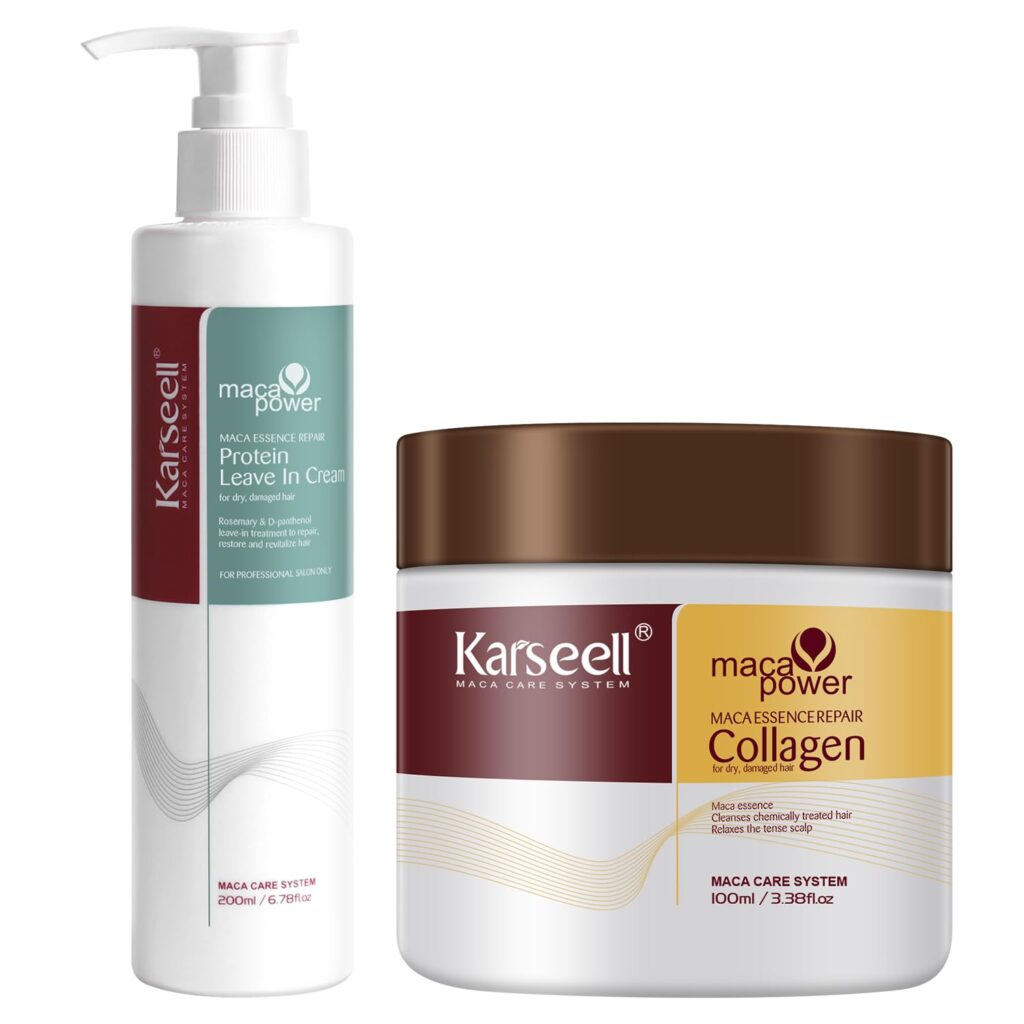
Hair breakage is fundamentally a sign of imbalance—either protein deficiency or moisture loss. Conduct a simple strand test: stretch a clean, dry hair strand gently. If it snaps immediately, you likely need protein. If it stretches excessively and doesn’t return, you need moisture. Incorporate a weekly Karseell Collagen Hair Mask to deliver deep moisture and collagen proteins directly into the cortex, rebuilding the shaft from within.

Step 4: Seal and Protect the Cuticle Layer
After conditioning, seal the cuticle to lock in moisture. Use an oil or butter-based sealant—argan oil, coconut oil, or jojoba oil are excellent choices for most hair types. Apply a small amount to the mid-lengths and ends while hair is still damp. This creates a protective barrier that prevents moisture loss and reduces friction during styling. Karseell Repair Protein Cream Leave-In Conditioner is specifically formulated to adhere to damaged cuticles and smooth frayed edges, preventing further split ends and breakage.
Step 5: Schedule Regular Trims
Once a strand develops a split end, the damage travels upward—there’s no way to repair it without cutting. Visit your stylist every 6–8 weeks for a trim to remove frayed ends before they split further and cause more hair breakage along the healthy shaft. Even a small 1–2 cm trim every two months can dramatically improve your hair’s overall length retention.
Step 6: Minimize Chemical Processing
If you color, bleach, or chemically treat your hair, space sessions at least 8–12 weeks apart to allow full recovery. Between sessions, use bond-repairing treatments containing ingredients like keratin, cysteine, or Olaplex’s patented bis-aminopropyl diglycol dimaleate. These compounds actually rebuild broken disulfide bonds in the cortex—addressing damaged hair at a chemical level rather than just coating the surface.

Best Products for Hair Breakage Repair
Targeted hair repair products can accelerate your recovery timeline significantly. Here are our top recommendations for treating hair breakage at the source:
1. Karseell Collagen Hair Treatment — Deep Repair & Conditioning
Karseell Collagen Hair Treatment Deep Repair Mask is enriched with hydrolyzed collagen, argan oil, and essential amino acids that penetrate the cortex to replenish lost protein structure. Suitable for all hair types, this intensive treatment works in as little as 15–20 minutes and is ideal for restoring elasticity to over-processed or heat-damaged strands.
2. Karseell Repair Protein Cream Leave-In Conditioner
Karseell Repair Protein Cream Leave-In Conditioner delivers organic protein directly to damaged cuticles with every use. Its lightweight, non-greasy formula smooths frizz, seals split ends, and provides ongoing protection against heat and environmental damage throughout the day.
3. Karseell Collagen Hair Mask & Leave-In Conditioner
Karseell Collagen Hair Mask and Leave-In Conditioner is a two-in-one system that combines the deep penetration of a traditional rinse-out mask with the continuous protection of a leave-in formula. This dual-action approach is particularly effective for preventing recurring hair breakage in high-porosity, chemically treated, or frequently heat-styled hair.
Frequently Asked Questions About Hair Breakage
Q1: Can hair breakage be reversed?
No—once the hair shaft has snapped or split, it cannot be repaired from the outside. Hair breakage is permanent at the strand level. However, the overall appearance and health of your hair can improve dramatically by preventing new breakage, restoring moisture and protein balance with treatments, and trimming split ends regularly. Think of it as stopping further damage rather than reversing existing damage.
Q2: Why is my hair breaking off at the roots?
Hair breakage near the root is usually caused by tension from tight hairstyles (traction alopecia), excessive scratching of the scalp, or over-washing with harsh shampoos that strip natural oils. In some cases, it may indicate an underlying nutritional deficiency (iron, biotin, or protein) or hormonal changes. If breakage near the root persists, consult a dermatologist or trichologist.
Q3: Does hair breakage cause hair loss?
There is a critical difference: hair breakage affects the shaft above the scalp, while hair loss (shedding) involves the follicle releasing the root. Breakage does not cause permanent baldness, but it significantly thins the hair over time by preventing length retention. If you’re experiencing both breakage and noticeable thinning, it’s important to determine whether the cause is breakage, shedding, or a combination of both.
Q4: How long does it take to stop hair breakage?
With consistent care, you should see a noticeable reduction in hair breakage within 4–6 weeks. This timeline aligns with the average hair growth cycle—hair grows approximately 1–1.5 cm per month, and new growth that isn’t subjected to breakage will begin to show. The key is identifying and eliminating the primary cause of your breakage, whether it’s heat, chemicals, moisture imbalance, or mechanical stress.
Q5: Is hair breakage a sign of health problems?
In some cases, yes. Severe or sudden-onset hair breakage can signal nutritional deficiencies (particularly iron, zinc, biotin, and protein), thyroid disorders, autoimmune conditions, or severe stress (telogen effluvium). If your hair is breaking despite proper care, consider requesting blood work from your healthcare provider to rule out internal causes.

Conclusion
Hair breakage is a multi-factorial problem with a clear scientific basis: compromised cuticles, weakened cortex structures, and disrupted moisture-protein balance. The good news is that, unlike genetic or autoimmune hair loss, hair breakage is almost entirely preventable and manageable with the right knowledge and consistent care. By understanding the mechanisms of damage, adopting gentle handling practices, maintaining moisture-protein equilibrium, and using targeted repair products like the Karseell Collagen Hair Treatment and Karseell Repair Protein Cream, you can stop breakage in its tracks and retain the length and health you work hard to achieve.
References
- Robbins, C. R. Chemical and Physical Behavior of Human Hair. 5th ed., Springer, 2012.
- Bharmal, S., et al. “Hair Damage and Repair: Mechanisms and Management.” International Journal of Trichology, vol. 11, no. 4, 2019, pp. 145–152.
- Dawber, R., and R. P. R. Sinclair. “Physical Properties of Hair.” British Journal of Dermatology, vol. 145, no. 6, 2001, pp. 929–937.
- Lee, Y., et al. “Protein Loss and Moisture Imbalance in Chemically Treated Hair.” Journal of Cosmetic Science, vol. 67, no. 2, 2016, pp. 101–109.
- Swift, J. A. “The Mechanics of Hair Damage.” International Journal of Cosmetic Science, vol. 19, no. 1, 1997, pp. 1–8.
