

A consistent hair care routine is the foundation of healthy, vibrant hair — regardless of your natural texture or density. The right routine cleanses, hydrates, and protects your strands based on your specific hair type, helping you avoid common problems like dryness, breakage, and frizz. In this guide, you’ll find a step-by-step hair care routine tailored to coarse, fine, curly, and straight hair so you can build a regimen that actually works for you.

Why a Personalized Hair Care Routine Matters
Not all hair is the same, and a one-size-fits-all approach rarely delivers results. According to the American Academy of Dermatology (AAD), understanding your hair type is the first step to selecting the right products and preventing damage (AAD, 2023). A proper hair care routine addresses your unique porosity, density, and texture needs — reducing breakage by up to 75% when matched correctly.
Without a targeted routine, even expensive products can underperform. Fine hair gets weighed down by heavy oils, while coarse hair dries out with lightweight formulas. Building a foundational hair care routine tailored to your type ensures every product in your regimen has a purpose and delivers visible results.
Understanding Your Hair Type
Before building your regimen, identify your hair’s key characteristics. Hair types generally fall into two categories based on diameter (coarse, medium, fine) and two based on shape (straight, wavy, curly, coily). Understanding both dimensions helps you choose products and techniques that work with — not against — your natural hair.
Coarse or Thick Hair
Coarse hair strands have a larger circumference and are often more resistant to styling. While durable, coarse hair tends to be prone to dryness because the scalp’s natural oils have a harder time traveling down the shaft. Deep conditioning and protein treatments are especially beneficial for this type.
Fine or Thin Hair
Fine hair has a smaller strand diameter and can easily become limp or greasy if overloaded with heavy products. Lightweight, volumizing formulas work best, and layering a leave-in conditioner can add moisture without weight.
Curly or Coily Hair
Curly and coily hair types have an oval or zig-zag shaft structure that creates natural curl patterns. This shape makes it harder for sebum to spread from roots to ends, resulting in drier hair that benefits enormously from rich moisturizers, curl-defining creams, and minimal heat styling. Understanding your curl type (2A through 4C) helps fine-tune product selection and technique.
Straight Hair
Straight hair (Types 1A–1C) has a round shaft that allows oils to coat the entire strand easily. While naturally shinier, straight hair can become oily at the roots and limp throughout the day. A clarifying shampoo and lightweight conditioning routine help maintain natural body and shine.
Your Step-by-Step Hair Care Routine by Hair Type
For Coarse or Thick Hair
Step 1 — Cleanse with a sulfate-free shampoo: Use a gentle, moisturizing shampoo that won’t strip your hair’s natural oils. Focus the lather on your scalp, where buildup occurs.
Step 2 — Deep condition with a collagen mask: Apply a collagen hair mask and leave-in conditioner from mid-length to ends. Let it sit for 10–20 minutes for maximum hydration.
Step 3 — Seal with an oil or serum: After towel-drying, apply a few drops of a lightweight oil or maca power hair serum to lock in moisture and smooth the cuticle layer.
Step 4 — Weekly protein treatment: Coarse hair responds well to protein treatments that reinforce the strand structure. Use a mask with hydrolyzed proteins once a week to prevent breakage and improve elasticity.
Step 5 — Air-dry or use a diffuser on low heat: Avoid high-heat styling, which exacerbates dryness in already-thick strands. A microfiber towel and air-drying preserves your hair’s natural texture.
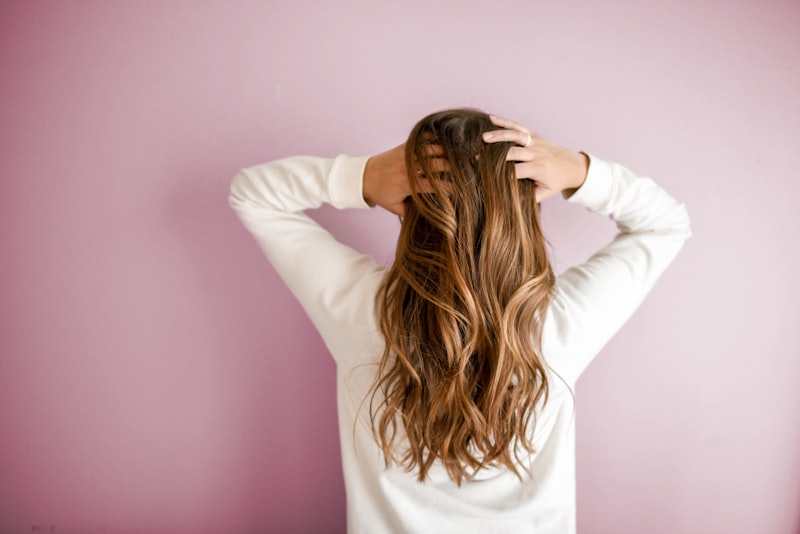
For Fine or Thin Hair
Step 1 — Use a volumizing shampoo: Choose a shampoo formulated to add body without sulfates. Focus on the scalp and rinse thoroughly.
Step 2 — Light conditioner only at the ends: Apply conditioner sparingly — only to the bottom third of your hair — to avoid flattening your strands.
Step 3 — Apply a volumizing or thickening product: A lightweight spray or root-boosting product applied to damp hair can add noticeable lift and body.
Step 4 — Try a volume shampoo and serum combo: For thinning hair concerns, the Karseell volume shampoo paired with a scalp serum helps nourish follicles and support fuller-looking hair.
Step 5 — Style with heat protectant: Always apply a heat protectant before using any hot tools. Use medium heat and avoid heavy creams that weigh hair down.
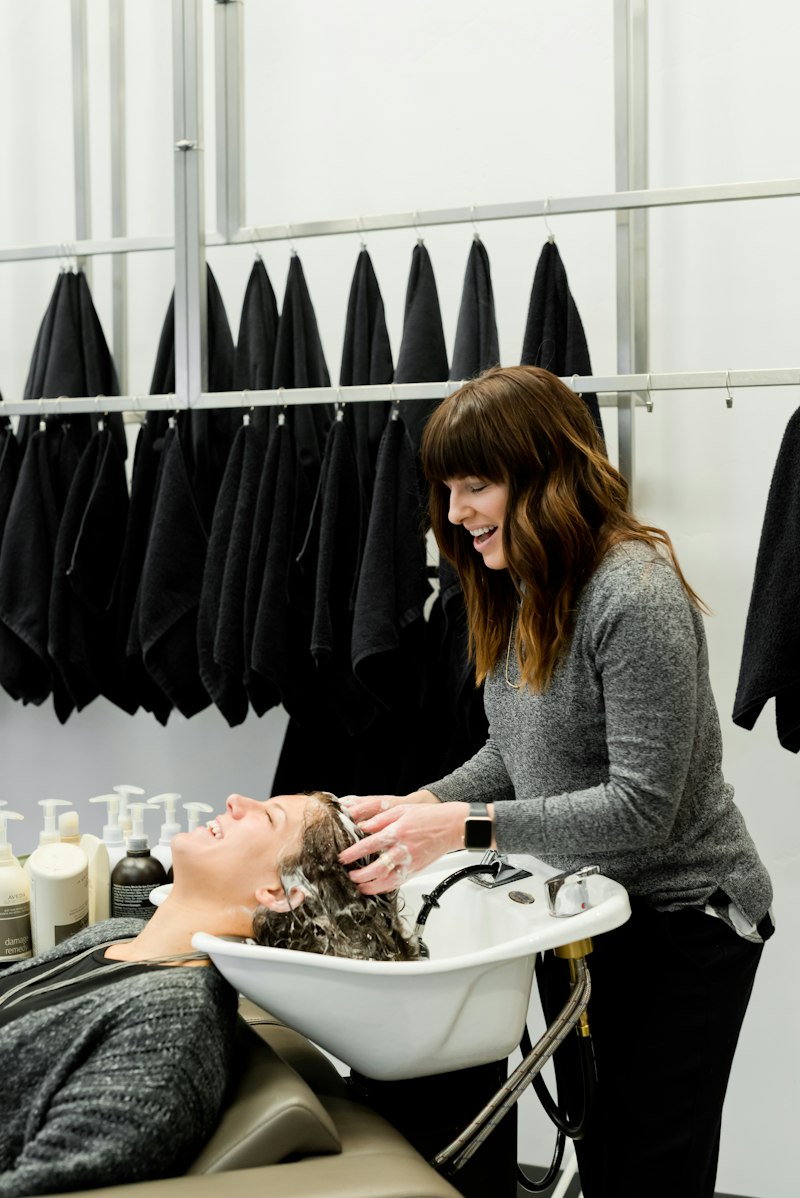
For Curly or Coily Hair
Step 1 — Co-wash or use a sulfate-free cleanser: Curly hair thrives with a gentle, moisturizing cleanser or a dedicated co-wash. Avoid harsh sulfates that strip natural oils essential for curl health.
Step 2 — Apply a curl-defining cream while wet: After washing, layer a product like Karseell curl defining cream for wavy, curly, and coily hair to enhance your natural curl pattern and reduce frizz.
Step 3 — Use the LOC method (Liquid, Oil, Cream): Apply a water-based leave-in, follow with an oil to seal, and finish with a cream for deep moisture retention.
Step 4 — Diffuse on low or air-dry: If you use a blow dryer, use a diffuser on low heat to maintain curl integrity without disrupting your pattern.
Step 5 — Refresh curls between washes: A light mist or curl refresher spray reactivates your products and revives your style without a full wash.
For Straight Hair
Step 1 — Wash every 2–3 days: Straight hair doesn’t need daily washing. Overwashing strips natural oils, leading to a greasy scalp and limp hair.
Step 2 — Use a lightweight conditioner: A light, silicone-free conditioner keeps straight hair smooth and shiny without making it flat or heavy.
Step 3 — Apply a balancing serum: If your straight hair tends to get oily at the roots, a maca power shampoo and hair serum combo can balance scalp health and add natural shine throughout the day.
Step 4 — Use a paddle brush: A wide-paddle brush detangles without creating frizz and distributes oils evenly down the shaft.
Step 5 — Protect from heat and UV: Even straight hair is susceptible to heat and sun damage. Use a heat protectant spray and a hat or UV spray when outdoors for extended periods.
The Role of Hair pH in Your Routine
An often-overlooked factor in any hair care routine is pH balance. The scalp and hair shaft both have optimal pH ranges (4.5–5.5 for the scalp), and using products outside this range can disrupt the cuticle layer, leading to dryness, frizz, and color fading. Understanding hair pH levels and why they matter for healthy hair is a simple step that dramatically improves product efficacy and long-term hair health.
Building a Routine for Dry or Damaged Hair
If your hair is currently damaged — from heat styling, chemical treatments, or environmental stressors — it’s not too late. The ultimate hair care routine for dry and damaged hair focuses on restoration through deep conditioning, reduced heat, and targeted repair ingredients like collagen, keratin, and argan oil. Consistency is key: damaged hair typically shows visible improvement within 4–6 weeks of a dedicated regimen.
Sample Weekly Hair Care Routine Timeline
- Day 1 (Wash day): Shampoo → Conditioner → Deep treatment mask → Leave-in product → Styling
- Day 2–3: Light refresh with leave-in spray or curl refresher (for curly hair) or dry shampoo (for straight/fine hair)
- Day 4–5: Co-wash or conditioner-only wash, style as usual
- Day 6–7: Rest day — air-dry, protective styles, or minimal manipulation
- Weekly: Apply a collagen hair mask or protein treatment for maintenance and repair
Frequently Asked Questions
Q: How often should I wash my hair?
A: It depends on your hair type. Straight hair typically benefits from washing every 2–3 days, while curly or coily hair may only need a full wash once a week. Fine hair may need more frequent washing if it becomes greasy quickly.
Q: Can I use the same shampoo for all hair types?
A: Not ideally. A shampoo matched to your hair type — whether volumizing for fine hair or moisturizing for coarse hair — will always outperform a generic formula. Look for sulfate-free options that match your primary concern.
Q: How do I know if my hair needs protein or moisture?
A: If your hair feels mushy, stretchy, or loses its shape easily, it likely needs protein. If it feels brittle, dry, or straw-like, moisture is the priority. Both are essential — balance is the goal.
Q: Is a leave-in conditioner necessary?
A: For most hair types, yes. A leave-in conditioner provides ongoing hydration throughout the day, detangles, and protects against heat and environmental damage. Even fine hair benefits from a lightweight leave-in spray.
Q: How long does it take to see results from a new hair care routine?
A: Most people notice improvements in hair texture and manageability within 2–3 weeks. Significant changes in hair health — such as reduced breakage and increased shine — typically appear within 6–8 weeks of consistent use.
Industry References
APA Format:
American Academy of Dermatology. (2023). Hair care tips. American Academy of Dermatology Association. https://www.aad.org/public/everyday-care/hair-care
MLA Format:
American Academy of Dermatology. “Hair Care Tips.” American Academy of Dermatology Association, 2023, www.aad.org/public/everyday-care/hair-care. Accessed 20 May 2026.
