

Beginner hair care routine — the phrase sounds deceptively simple, but anyone who’s walked into a beauty store or fallen down a hair care YouTube rabbit hole knows the truth: building a proper routine feels overwhelming. Do you need a mask? What’s a leave-in conditioner? How often should you wash? Is co-washing a thing? Let’s cut through the noise and build you a hair care routine steps plan that actually makes sense.

Before You Build: Know Your Hair
The first question to answer before buying any products is: what is my hair actually like? Not what you wish it was like, not what Instagram tells you it should be—like what it actually is. Understanding these fundamentals will guide every decision you make:
Hair Type: Straight, Wavy, Curly, or Coily?
This determines how you style, dry, and protect your hair. Straight hair tends to get oily faster and needs lighter products. Curly and coily hair tends to be drier and needs heavier, more moisturizing products and more protection.
Hair Texture: Fine, Medium, or Coarse?
Texture refers to the thickness of individual hair strands—not how much hair you have. Fine hair strands are thin and can easily be weighed down by heavy products. Coarse strands are thick and can handle—and often need—heavier, more emollient products.
Scalp Condition: Oily, Normal, or Dry?
Your scalp type drives your shampoo frequency and the type of products you need. If your scalp is oily, you’ll need more frequent washing with lighter products. If your scalp is dry, you’ll wash less frequently and use gentler, more hydrating formulas.
Understanding hair porosity is also crucial for building an effective routine. Porosity determines how well your hair absorbs and retains moisture, which directly affects which products will work for you.
The Essential Hair Care Routine: Step by Step
Here’s the thing: a good hair routine doesn’t have to be complicated. At its core, every routine needs just a few key elements. You can always add more later once you understand what your hair needs.
Step 1: Cleansing (Shampoo)
Shampoo is the foundation of your routine. It removes oil, dirt, product buildup, and environmental pollutants from your scalp and hair. Without proper cleansing, nothing else you apply will work effectively.
How often? This depends on your scalp type. Oily scalps may need daily or every-other-day washing. Normal scalps typically do well with 2–3 times per week. Dry scalps may only need once a week or less.
What to look for: A gentle, sulfate-free shampoo that doesn’t strip hair excessively. For dry hair, look for moisturizing ingredients. For oily scalp, look for clarifying or gentle purifying formulas.
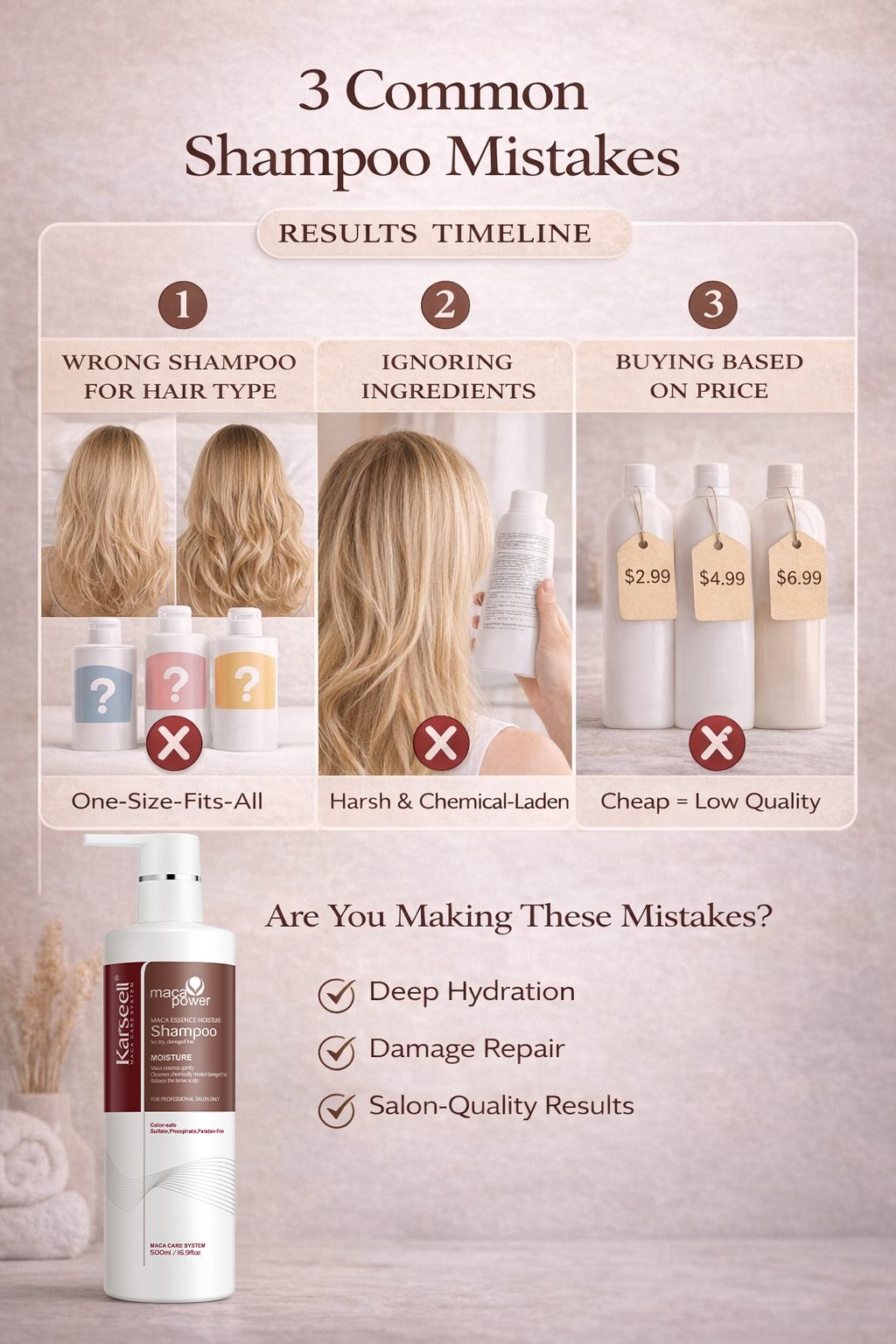
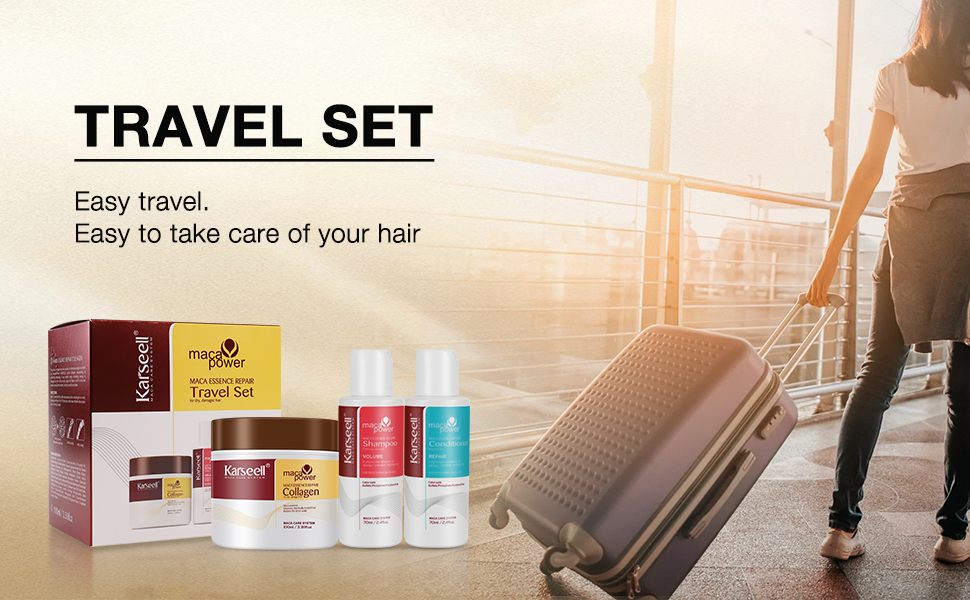
The Karseell Argan Oil Shampoo is an excellent gentle shampoo for beginners, suitable for most hair types and free from harsh sulfates.
Step 2: Conditioning
Conditioner follows every shampoo to restore moisture, smooth the cuticle, and make hair manageable. Never skip conditioner—it’s not optional, even if your hair is oily (in which case, use a lightweight formula focused on the mid-lengths and ends only).
How to apply: After rinsing out shampoo, squeeze excess water from your hair, then apply conditioner from mid-lengths to ends. Avoid the scalp unless the product is specifically designed for scalp use. Leave on for 1–3 minutes while the conditioner does its work.
What to look for: For beginners, a basic moisturizing conditioner is all most people need. As you learn your hair’s needs, you can branch out into targeted formulas for specific concerns.
Step 3: Deep Conditioning (Weekly Treatment)
Once a week—or every 1–2 weeks depending on your hair’s needs—replace your regular conditioner with a deep conditioning hair mask. This is where the real nourishment happens. Deep conditioners are more concentrated than regular conditioners and provide significantly more hydration and repair.
Apply a hair mask to clean, towel-dried hair. Section your hair for even application and leave on for 10–20 minutes. For best results, apply heat (wrap in a warm towel or sit in a steamy bathroom) to help the product penetrate more deeply.
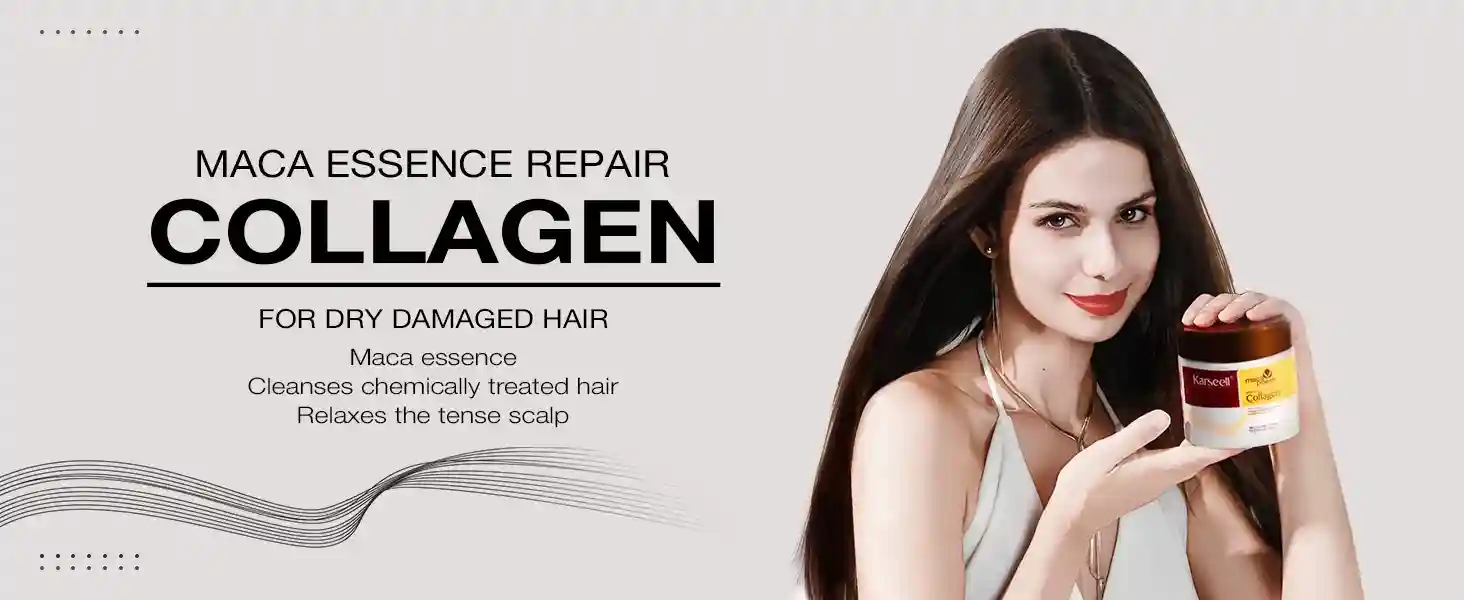
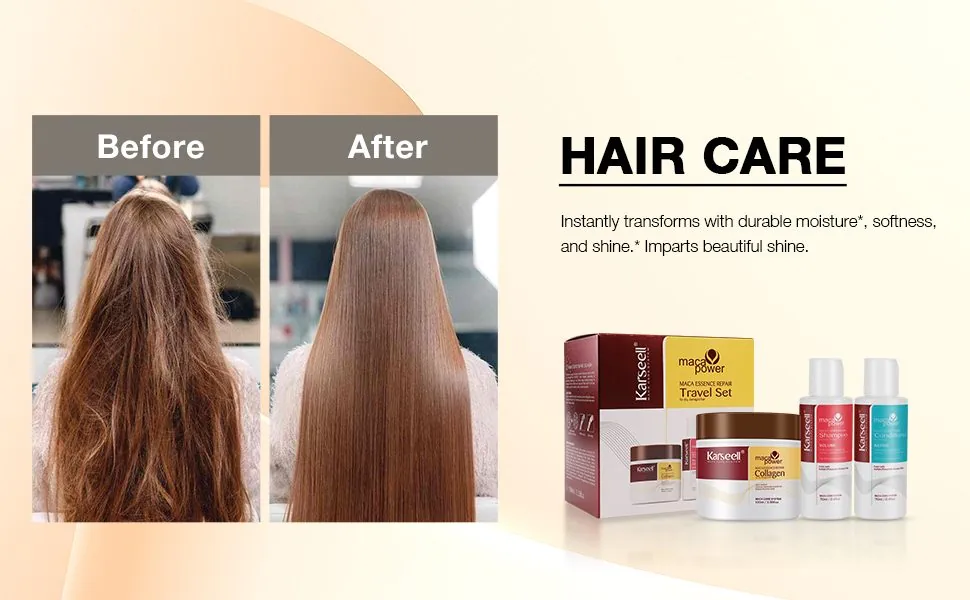
The Karseell Collagen Hair Mask is an excellent beginner-friendly deep conditioning option that works for most hair types and addresses the most common concern: dryness and damage.
Step 4: Leave-In Conditioner or Detangler
After washing and conditioning, while your hair is still damp, apply a leave-in product. This is especially important if your hair is prone to tangling, frizz, or dryness. Leave-in conditioners provide ongoing moisture and protection throughout the day.
How much? Start with a small amount—a quarter-sized dollop for medium-length hair. You can always add more if needed. Too much leave-in weighs hair down and creates buildup.
For beginners: A simple spray leave-in or a lightweight cream is perfect. You don’t need anything fancy yet.
Step 5: Styling Products (As Needed)
Once your leave-in is applied, you can layer styling products if desired—mousse for volume, gel for hold, serum for shine, cream for definition. Start simple: if your hair behaves well with just a leave-in, stick with that. Don’t add more products until you identify a specific need.
For frizz control: A lightweight serum or anti-frizz cream. Argan oil is excellent for taming frizz and adding shine without heaviness.
Step 6: Protection
Before any heat styling, apply a heat protectant. This is non-negotiable if you use flat irons, curling irons, or blow dryers. It creates a barrier that reduces heat damage by up to 80%.
For sleep protection, switch to a silk or satin pillowcase. Cotton creates friction that causes frizz and breakage overnight. An inexpensive silk pillowcase is one of the best investments you can make for your hair.
The Beginner Routine at a Glance
Weekly Schedule Example:
As Needed
| Frequency | Step | Product Type |
|---|---|---|
| Wash Days (2–3x/week) | Cleanse | Gentle shampoo |
| Wash Days | Condition | Regular conditioner |
| Once Weekly | Deep Condition | Hair mask |
| After Every Wash | Leave-In | Leave-in conditioner or detangler |
| Style | Mousse, gel, serum, cream | |
| Heat Styling Days | Heat Protect | Heat protectant spray/serum |
| Every Night | Sleep Protection | Silk pillowcase |
Common Beginner Mistakes to Avoid
Mistake #1: Over-Washing
New routines often lead to over-washing because people associate “clean” with squeaky-clean, stripped hair. But squeaky clean is actually a sign that too much oil has been stripped. Learning to recognize when hair is clean but not stripped takes time. If your hair feels straw-like after washing, you’re probably washing too frequently or using too harsh a shampoo.
Mistake #2: Using Too Many Products
Start with the basics. Don’t buy 10 products at once. Get the fundamentals (shampoo, conditioner, mask, leave-in), use them for at least 4–6 weeks, and assess what your hair still needs before adding anything new.
Mistake #3: Expecting Instant Results
Hair care is a marathon, not a sprint. Most treatments take 4–8 weeks to show visible results. If you changed three things at once, you won’t know which one worked. Change one thing at a time, wait, and assess.
Mistake #4: Ignoring the Scalp
A common beginner error is focusing entirely on the hair and ignoring the scalp. But healthy hair grows from a healthy scalp. If you have scalp issues (dandruff, oiliness, dryness, itchiness), address those first—they’re the foundation of everything else.
How to Build a Routine Based on Your Hair Concerns
For Dry, Damaged Hair
- Focus: Moisture, repair, and protection
- Must-haves: Moisturizing shampoo, deep conditioning mask (like collagen and argan oil combo), leave-in conditioner, heat protectant
- Add: Shampoo and conditioner for dry hair
For Oily Hair
- Focus: Gentle cleansing, lightweight products, avoiding heavy silicones
- Must-haves: Gentle sulfate-free shampoo, lightweight conditioner (ends only), lightweight leave-in
- Avoid: Heavy oils, butters, and occlusive products that coat the hair
For Color-Treated Hair
- Focus: Color protection, moisture replacement, toning
- Must-haves: Color-safe shampoo, sulfate-free products, deep conditioning, UV protection
- Add: Purple mask for blonde or lightened hair to maintain tone
For Fine or Thin Hair
- Focus: Volume, lightweight products, avoiding heaviness
- Must-haves: Volumizing shampoo, lightweight conditioner, mousses or sprays for lift
- Avoid: Heavy masks, butters, and thick serums that flatten hair

What About Co-Washing?
Co-washing (conditioner-only washing) has become popular in curly and coily hair communities. The idea: using only conditioner to cleanse the hair instead of shampoo. For some hair types—very curly, very dry, or tightly coiled hair—this can work well.
For most beginners with straight to wavy hair, however, co-washing is not recommended. Without occasional shampooing, buildup accumulates, leading to dull, limp, greasy-feeling hair over time. If you want to reduce shampoo frequency, try a gentle, sulfate-free shampoo instead of eliminating shampoo entirely.
How Long Before You See Results?
Hair growth is slow—about half an inch per month on average. But improvements in hair health, shine, manageability, and texture can show up in as little as 2–4 weeks of consistent care. Here’s what to expect:
- 1–2 weeks: Hair starts feeling less dry (if using the right products)
- 2–4 weeks: Improved shine, less frizz, better manageability
- 4–8 weeks: Noticeably stronger, more elastic hair
- 2–3 months: Reduced breakage, longer-lasting styles, healthier-looking hair
Simple Beginner Routine Summary
Here’s the distilled version of how to build hair routine from scratch:
- Find a gentle, sulfate-free shampoo suited to your scalp type
- Use a moisturizing conditioner after every shampoo
- Add a deep conditioning hair mask once a week
- Apply a leave-in conditioner after every wash
- Use heat protectant before any heat styling
- Sleep on a silk pillowcase
- Give it time—stick with your routine for at least 6–8 weeks before judging results
That’s it. That’s the foundation. Everything else is refinement based on your specific needs.
When to Upgrade Your Routine
Once you’ve mastered the basics and have been consistent for 6–8 weeks, you may find your hair has specific needs that the basics don’t fully address. That’s when you add targeted treatments:
- Protein treatments — If hair feels weak, stretchy, or gummy
- Clarifying treatments — If buildup is making hair feel dull despite good care
- Targeted masks — Purple masks for blonde/brassy hair, bonding treatments for chemical damage
- Serums and oils — For added shine, frizz control, or end protection
But until you’ve mastered the basics? Stick to the simple routine. It’s not glamorous, but it works.
Frequently Asked Questions
How long should a beginner hair care routine take?
A complete wash day routine typically takes 20–40 minutes including shampooing, conditioning, masking, and styling. Daily maintenance (refresh and style without washing) takes 5–10 minutes. The goal is to build a routine that fits your lifestyle and that you’ll actually stick to consistently.
How many products do I really need to start?
As a beginner, you need only four products: a gentle shampoo, a good conditioner, a weekly deep conditioning mask, and a leave-in conditioner. That’s it. Everything else (serums, styling products, treatments) comes later, only if your specific hair needs them.
What is the correct order of products in a hair care routine?
The order is: cleanse (shampoo) → condition (regular conditioner) → treat (hair mask, 1x/week) → protect (leave-in conditioner) → style (serums, mousses, gels). Never apply heat without a heat protectant, and always condition after every single shampoo, no matter what.
How often should a beginner wash their hair?
For most beginners, 2–3 times per week is a good starting point. This allows enough cleansing to remove oil and buildup without stripping hair excessively. Adjust from here: wash more frequently if you have an oily scalp, less frequently if you have a dry scalp or curly/coily hair that tends to be drier.
Is it okay to skip conditioner if my hair feels oily?
No. Even if your scalp is oily, your ends still need conditioning. Apply conditioner only from mid-lengths to ends, avoiding the scalp entirely. This ensures your ends get moisture without adding oil at the roots where it’s already being produced naturally.
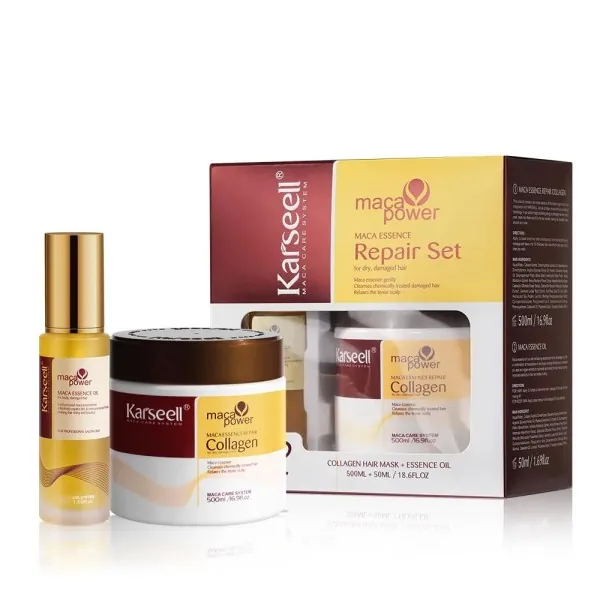
Starting your hair care journey? Build your perfect routine with Karseell’s complete beginner hair care set — everything you need to start caring for your hair the right way.
