

Purple shampoo is a color-correcting hair care product designed specifically for blonde, silver, gray, and pastel-colored hair. It uses violet pigments to neutralize unwanted warm and yellow tones — a process known as brass removal. If you have ever wondered how to use purple shampoo effectively, you are not alone. This guide covers everything from the color theory behind it to a step-by-step routine for the best results.
What Is Purple Shampoo?
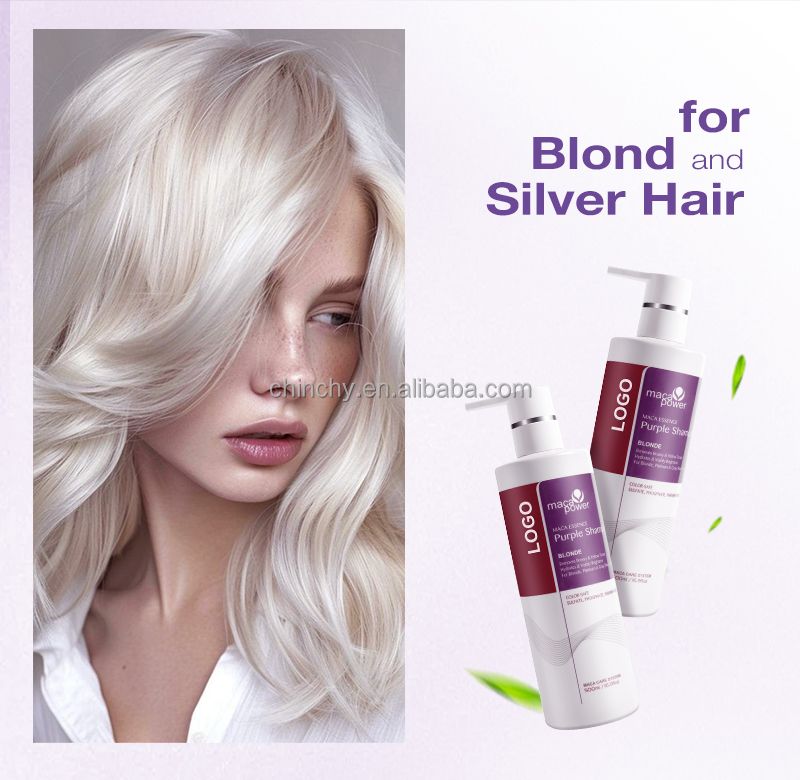
Purple shampoo is a specialized shampoo that contains violet or purple pigments. Unlike regular shampoos that simply cleanse the hair, purple shampoo deposits color-correcting agents onto the hair shaft each time you wash. It is primarily used by people with blonde hair (natural or dyed), silver and gray hair, pastel-colored or balayage hair, and white or lightened hair.
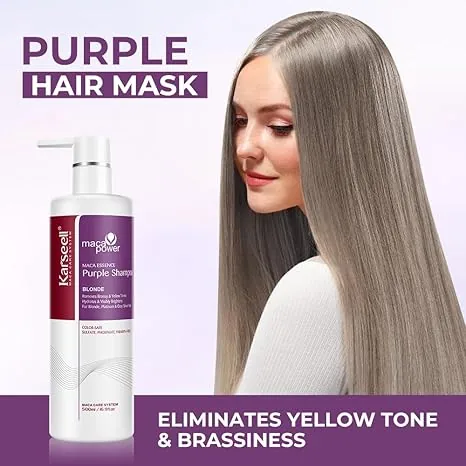
The key active ingredients in purple shampoo are violet pigments — synthetic compounds such as CI 60730 — that are safe for topical use on hair. These pigments coat the surface of the hair cuticle rather than penetrating the cortex, making them less permanent and more controllable than traditional hair dyes. You can explore the Karseell Purple Shampoo as a premium option for daily brass control.
Why Does Purple Neutralize Yellow and Brass Tones?
The science behind purple shampoo is rooted in basic color theory. On the color wheel, purple sits directly opposite yellow. This is not a coincidence — it is a fundamental principle of complementary colors. When complementary colors are placed next to each other, they visually neutralize one another.
Here is what happens chemically: when violet pigments come into contact with yellow or brassy tones in the hair, they cancel each other out on the visual spectrum. When hair is lightened — whether naturally or chemically — the dark melanin pigment is removed, but warm undertones (orange, yellow, and red pigments) remain and become more visible. Oxidation from sunlight, heat styling, and harsh sulfates accelerates the warm pigments surfacing, causing the unwanted “brassy” appearance.
Purple shampoo counteracts this by depositing a micro-violet tone that visually cancels out the warmth, restoring a cooler, more balanced look. The same principle applies to Karseell Purple Hair Mask with Argan Oil, which delivers deeper color correction during conditioning treatments.

How to Use Purple Shampoo: Step-by-Step Guide
Using purple shampoo correctly is essential for achieving the best results without over-pigmentation. Follow this step-by-step routine:
Step 1: Wet Your Hair Thoroughly
Start with clean, warm water. Ensure your hair is fully saturated from roots to ends. This opens the hair cuticle, allowing the violet pigments to deposit more effectively.
Step 2: Apply Purple Shampoo
Squeeze a small amount of purple shampoo — roughly the size of a quarter — into your palm. Evenly distribute it through your hair, focusing on areas where brassiness is most visible (typically the crown, hairline, and ends). For a more intensive treatment, concentrate on the most brassy sections.
Step 3: Lather and Wait
Massage the shampoo gently through your hair as you would with any shampoo. Here is the critical part: do not rinse immediately. Leave the shampoo in your hair for 1 to 5 minutes. The longer you leave it, the more violet pigment deposits onto your hair. For mild maintenance, 1–2 minutes is sufficient. For more stubborn brass, leave it for 3–5 minutes.
Step 4: Rinse Completely
Rinse thoroughly with cool or lukewarm water. Cool water helps seal the hair cuticle, locking in the violet pigments and adding shine. Avoid hot water, as it can cause the pigments to fade faster.
Step 5: Condition
After rinsing out the purple shampoo, follow with a moisturizing conditioner. Purple shampoos can sometimes be drying, especially for those with already dry or porous hair. Use a conditioner that suits your hair type to maintain hydration and balance.
Step 6: Frequency
How often should you use purple shampoo? This depends on your hair’s level of brassiness: once a week for light maintenance, every 2–3 washes for moderate brassiness, or every wash only if you have very brassy hair and are using a gentle, moisturizing formula.
For deeper treatments, consider pairing your purple shampoo routine with a weekly Purple Hair Mask treatment for more intensive brass removal.
How Often Should You Use Purple Shampoo?
This is one of the most common questions about purple shampoo and how to use it properly. The answer depends on several factors: your hair’s lightness level, water quality (hard water accelerates brassiness), sun exposure (UV rays break down color-treated hair), and heat styling habits.
Start conservatively — once or twice per week — and adjust based on how quickly your brass returns. Overuse can lead to a purple or violet tint, which is just as unflattering as brassiness. If this happens, simply switch to a regular shampoo for a few washes to let the pigments fade.
Who Should Use Purple Shampoo?
Purple shampoo is ideal for anyone with color-treated hair or naturally light hair that is prone to brassiness. It is perfect for blonde hair (both dyed and natural) to prevent yellowing between salon appointments, silver and gray hair to counter warm undertones, balayage and ombre to maintain cool-toned dimension, and highlighted hair to keep highlights bright and free from orange or yellow tones.
If your hair is not light-colored, purple shampoo will have little to no visible effect, as there are no yellow tones to neutralize.
Purple Shampoo vs. Purple Mask: Which Is Better?
Both purple shampoo and purple hair mask serve the same fundamental purpose — neutralizing brass — but they work differently. Purple shampoo is used during your regular wash routine, is quick and convenient, and is designed for frequent use — best for maintenance and mild brass control. Purple hair mask is a deep conditioning treatment that stays on hair for 5–20 minutes, provides more intensive pigment deposition, and is best for deeper brass removal and weekly maintenance.
For the best results, use both together as part of a complete brass removal routine. For a full comparison, read our guide on Purple Shampoo vs Purple Mask: Which Is Better for Brass Removal.
Common Mistakes to Avoid
- Leaving it on too long: More is not always better. Extended leave-in times can lead to an over-purple result.
- Using it on non-light hair: If your hair is brunette or darker, purple shampoo will not produce noticeable results.
- Skipping conditioner: Purple shampoo can be drying. Always follow with a moisturizing conditioner.
- Not testing on a strand first: If you are using a new product, test on a small, hidden section of hair first.
- Overusing: Daily use of purple shampoo is not recommended unless you have very heavy brass. Overuse can cause a violet or purple cast.

Frequently Asked Questions
1. Can I use purple shampoo on brown hair?
Purple shampoo will not visibly change the color of brown hair, as there are no yellow tones to neutralize. However, if you have highlights or balayage on brown hair, the blonde hair sections will benefit from purple shampoo use.
2. Will purple shampoo lighten my hair?
No. Purple shampoo does not contain bleach or lightening agents. It deposits violet pigments to neutralize existing yellow and warm tones. It cannot lighten your hair on its own.
3. How long does it take to see results?
Results can be visible after the very first use. For mild brassiness, you may notice a cooler tone immediately after the first wash. For more stubborn brass, it may take 2–4 uses before significant results are visible.
4. Can I leave purple shampoo on overnight?
Leaving purple shampoo on overnight is not recommended. Extended exposure to violet pigments can lead to over-pigmentation and an undesirable purple or violet tone. Stick to the recommended 1–5 minute wait time for best results.
5. Is purple shampoo safe for all hair types?
Yes. Purple shampoo is safe for all hair types, including natural, color-treated, chemically processed, and keratin-treated hair. However, if you have extremely damaged or porous hair, results may vary. Always follow with a good conditioner, and consider using a purple hair mask with argan oil for added moisture and repair.
Conclusion
Purple shampoo is an essential tool for anyone with blonde, silver, gray, or light-colored hair. By understanding how to use purple shampoo correctly — and incorporating it into a consistent hair care routine — you can maintain salon-quality cool tones at home, extend the life of your color treatments, and keep brassiness at bay.
Remember: a little goes a long way. Start with less frequent use and adjust based on your hair’s needs. Pair your routine with a quality purple hair mask for deeper treatments, and always follow with a nourishing conditioner to keep your hair healthy, hydrated, and vibrant.
For premium purple shampoo and purple hair mask products, explore the full Karseell Purple Shampoo and Karseell Purple Hair Mask collection at Karseell.
References
- Karseell. “Purple Shampoo: How It Works and When to Use It.” Karseell Official Store, 2026. https://www.karseell.com/purple-shampoo-how-it-works-and-when-to-use-it/.
- Karseell. “Purple Shampoo vs Purple Mask: Which Is Better for Brass Removal?” Karseell Official Store, 2026. https://www.karseell.com/purple-shampoo-vs-purple-mask-which-is-better-for-brass-removal/.
- Karseell. “Blonde Hair Maintenance: The Role of Purple Hair Mask.” Karseell Official Store, 2026. https://www.karseell.com/blonde-hair-maintenance-the-role-of-purple-hair-mask/.
- Karseell. “How to Apply Purple Mask for Best Results on Blonde Hair.” Karseell Official Store, 2026. https://www.karseell.com/how-to-apply-purple-mask-for-best-results-on-blonde-hair/.
