

Yes — collagen for hair does work, but not in the way most products claim. Topical collagen treatments can strengthen hair shafts, reduce breakage, and improve hair texture by filling gaps in damaged protein structure. However, collagen cannot reverse genetic hair loss or permanently rebuild hair from the inside out. Understanding what collagen actually does for your hair helps you use it more effectively.

Collagen has become one of the most discussed ingredients in hair care, with collagen hair masks, shampoos, and conditioners flooding the market. But whats actually happening when you apply collagen to your strands? The science is more nuanced than the marketing.
What Is Collagen for Hair?
Collagen for hair refers to hair care products that contain collagen proteins applied topically to strengthen, smooth, and protect the hair shaft. Collagen is the most abundant protein in the human body, making up about 30% of total protein content. It serves as the structural foundation for skin, bones, cartilage, and connective tissue throughout the body.
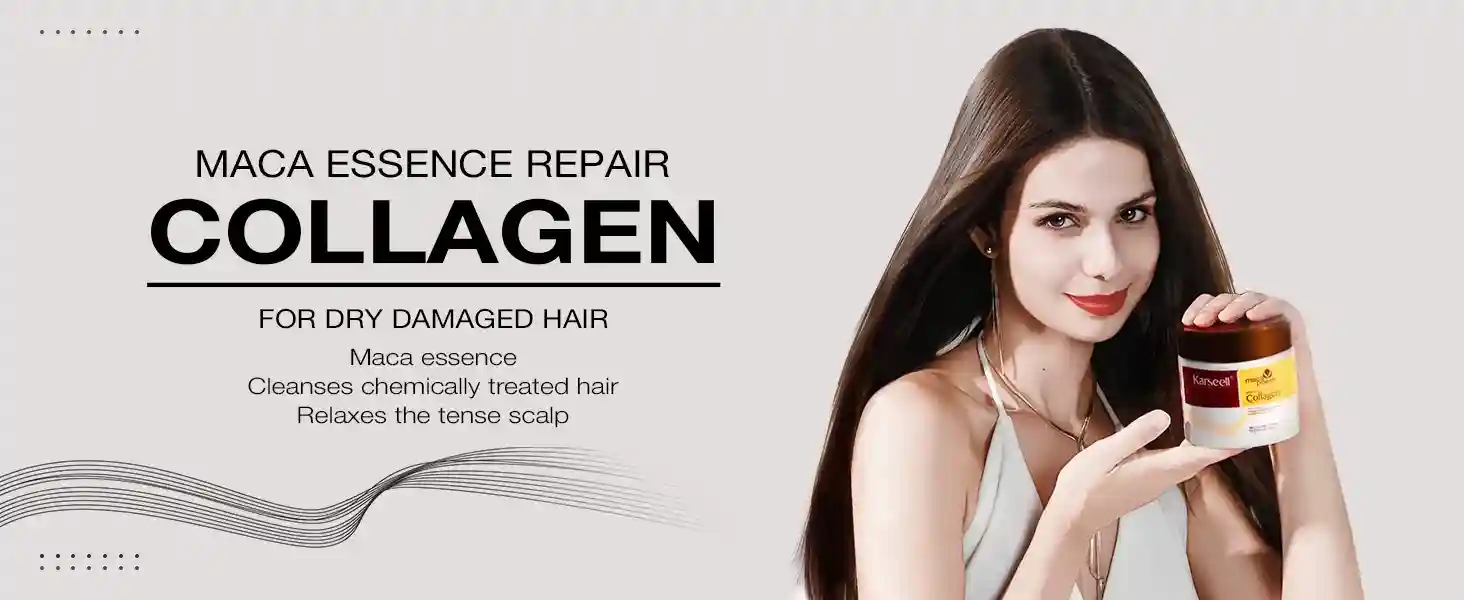
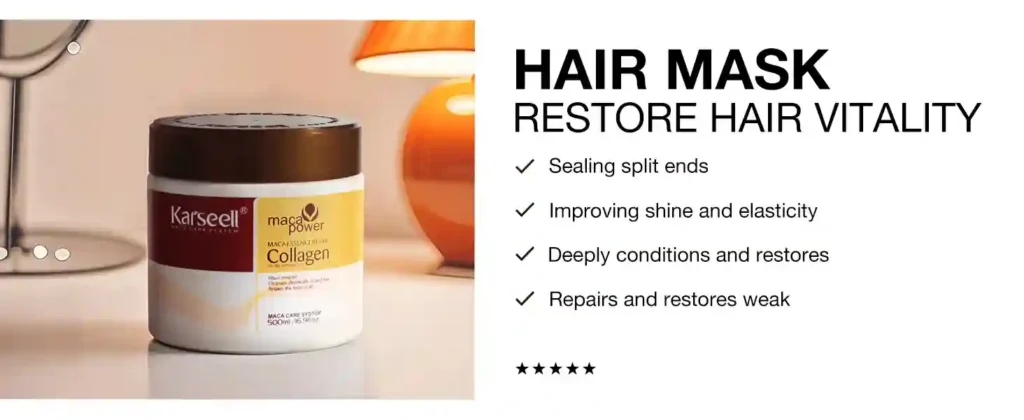
In hair care specifically, collagen works in two primary ways: as a surface coating that smooths and protects the cuticle, and as smaller peptide molecules that penetrate the hair cortex to fill protein gaps caused by damage from heat styling, chemical processing, or mechanical stress. This dual-action mechanism is why Karseell Collagen Hair Treatment has become a go-to for anyone dealing with dry, damaged, or over-processed hair.
How Collagen Works on Hair: The Molecular Science
To understand how collagen works on hair, you first need to understand hair structure. Each hair strand consists of three layers:
- Medulla: The innermost core (not always present in fine hair)
- Cortex: The middle layer containing keratin proteins and melanin — this is where hair gets its strength and elasticity
- Cuticle: The protective outer layer of overlapping scales that shields the cortex
The cortex is where hairs structural integrity lives, packed with keratin proteins organized into microfibrils. When this structure gets damaged — through bleaching, perming, excessive heat, or simply environmental stress — gaps appear in the protein matrix. These gaps make hair brittle, prone to snapping, and difficult to style.
Collagen treats this damage through two mechanisms:
1. Surface Coating (Temporary Effect)
When you apply a collagen hair mask, intact collagen molecules sit on the surface of the hair strand, coating the cuticle. This creates an instant smoothing effect that makes hair feel thicker, reduces frizz, adds shine, and provides a protective barrier against further damage. This effect washes out with your next shampoo — which is why consistent use matters.
2. Penetrating Repair (Deeper Effect)
Smaller collagen peptides — collagen molecules that have been broken down through hydrolysis — are small enough to penetrate between cuticle scales and enter the cortex. Once inside, they:
- Fill gaps caused by protein damage
- Strengthen the internal hair structure
- Improve elasticity and flexibility
- Help hair retain moisture more effectively
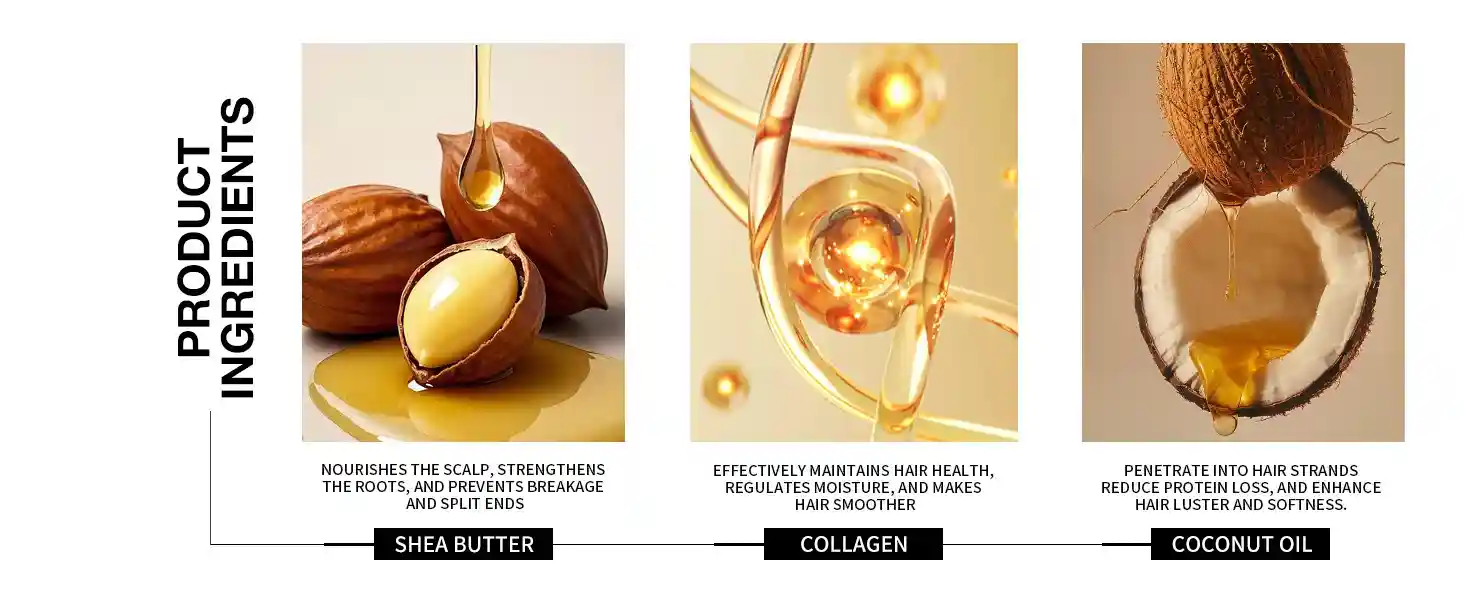
This is why the science behind collagen hair treatments shows that hydrolyzed collagen combined with nourishing oils (like argan oil) delivers superior results compared to collagen alone. The collagen repairs from within while the oil moisturizes and seals the cuticle.
Signs Your Hair Needs Collagen Treatment
Not sure if collagen for hair is what your strands need? Look for these signs that your hair is protein-depleted:
- Hair feels gummy or stretchy when wet — a classic sign of protein damage
- Excessive shedding or breakage with minimal styling
- Hair wont hold a curl or style no matter what products you use
- Noticeable thinning or loss of volume
- Frizz that wont smooth regardless of moisturizer use
- Split ends that reappear days after trimming

How to Use Collagen Treatments Effectively
Understanding the difference between protein and moisture treatments for hair is key to using collagen correctly. Collagen is a protein treatment, which means it addresses structural damage — not hydration. Heres how to incorporate collagen into your routine for maximum benefit:
Step 1: Assess Your Hair Porosity
Hair porosity determines how well collagen penetrates your strands. High porosity hair (often damaged or chemically treated) absorbs products quickly and may need protein treatments weekly. Low porosity hair has a tight cuticle that resists penetration — limit collagen treatments to once a month.
Step 2: Apply to Clean, Damp Hair
After shampooing, gently towel-dry hair until its damp but not dripping. Apply the collagen hair mask from mid-length to ends, avoiding the scalp. For deeper penetration, gently comb through with a wide-tooth comb to ensure even distribution.
Step 3: Allow Adequate Processing Time
Leave the treatment on for 20–30 minutes for optimal results. For intensive repair, cover hair with a shower cap and apply gentle heat using a warm towel. The warmth opens the cuticle and allows collagen peptides to penetrate more deeply.
Step 4: Rinse with Cool Water
Rinse thoroughly with cool or lukewarm water. Cool water helps seal the cuticle, locking in the collagen benefits and maximizing shine. Follow with a moisturizing conditioner to balance the protein treatment with hydration.
Step 5: Maintain a Balanced Routine
Collagen works best when alternated with moisture treatments. Overdoing protein (including collagen) can lead to protein overload — hair that feels stiff, brittle, or crusty. Watch for signs of overload and scale back treatment frequency if needed.
Collagen vs. Other Protein Treatments: How They Compare
| Protein Type | Molecular Size | Penetration Depth | Primary Benefits |
|---|---|---|---|
| Hydrolyzed Collagen | Small peptides | Moderate — can reach cortex | Strengthening, smoothing |
| Keratin | Medium | Surface to shallow cortex | Straightening, strength |
| Silk Protein | Very small | Deep penetration | Shine, flexibility |
| Wheat Protein | Small to medium | Moderate | Volumizing, body |
According to a review published in the Journal of Cosmetic Dermatology, hydrolyzed proteins (including collagen) demonstrate measurable improvements in hair tensile strength and elasticity when applied consistently over 4–8 weeks (Reuter et al., 2010). The molecular weight of the protein determines how deeply it can penetrate — smaller peptides deliver better results for internal repair.
The Role of Collagen in Scalp Health
While much of the discussion focuses on the hair strand itself, collagen for hair also plays a significant role in scalp health. The hair follicle is embedded in dermal tissue thats rich in collagen. Supporting scalp health with collagen may indirectly improve hair quality by creating a better environment for follicle function.
Research published in Dermatology and Therapy suggests that collagen supplementation may support hair density by improving blood flow to the scalp and providing essential amino acids for keratin production (Bolke et al., 2019). However, topical collagen applications primarily benefit the hair strand rather than the follicle.
Collagen Hair Treatment: Common Myths Debunked
Myth 1: Collagen can rebuild hair from the inside out.
Reality: Topical collagen cannot penetrate deep enough to rebuild the internal structure of the hair shaft. It can temporarily fill surface gaps and provide coating benefits, but results are temporary and require ongoing application.
Myth 2: Drinking collagen will give you better hair.
Reality: While collagen supplements may support overall health, the collagen molecules are too large to be directly routed to your hair. Any benefits from oral collagen come from general health improvements — not direct hair treatment.
Myth 3: More collagen is always better.
Reality: Protein overload is real. Hair that feels stiff, brittle, or snaps easily may be over-treated with protein. Balance collagen treatments with moisturizing products.
Frequently Asked Questions
Does collagen hair treatment actually work?
Yes — collagen for hair does work, particularly for addressing surface damage, reducing breakage, and improving hair texture and shine. The hydrolyzed collagen peptides in quality products like Karseell Collagen Hair Treatment can penetrate the hair shaft to some degree, filling protein gaps and strengthening the cortex. However, results are temporary and require consistent application. Collagen cannot reverse permanent damage or genetic hair loss.
How often should I use collagen hair treatment?
For high porosity or heavily damaged hair, use a collagen hair mask once a week. For normal or low porosity hair, once every 2–4 weeks is sufficient. Pay attention to how your hair responds — if it starts feeling stiff or brittle, reduce frequency and increase moisturizing treatments instead.
Can I use collagen and keratin treatments together?
You can, but be cautious. Both are protein treatments, and combining them increases the risk of protein overload. If you want to use both, space them out — use collagen one week and keratin the next. Monitor your hairs texture and adjust based on how it responds.
Is collagen treatment good for all hair types?
Collagen for hair benefits most hair types, but results vary. Fine hair may feel weighed down by heavy cream-based treatments, while coarse, high-porosity hair often shows dramatic improvement. If you have fine hair, look for lightweight gel or spray formulations. For thick, coarse, or damaged hair, richer mask formulas deliver better results.
Whats the difference between collagen and keratin for hair?
Keratin is the same protein that makes up your hair, while collagen is a different structural protein that supports the skin and connective tissues around the follicle. Keratin treatments tend to focus more on surface smoothing and straightening, while collagen provides more internal strengthening and moisture retention. Many effective hair products combine both for comprehensive treatment.
References
- Bolke, L., et al. (2019). A Collagen Supplement Improves Skin and Hair Quality: A Double-Blind, Placebo-Controlled Study. Dermatology and Therapy, 9(4), 731–739. https://doi.org/10.1007/s13555-019-00327-6
- Reuter, J., et al. (2010). Oxidative Stress in Hair and Skin. Journal of Cosmetic Dermatology, 9(4), 256–263. https://doi.org/10.1111/j.1473-2165.2010.00505.x
- Robbins, C. R. (2012). Chemical and Physical Behavior of Human Hair (5th ed.). Springer. ISBN: 978-3-642-25610-6
- Hair Science: The Structure and Properties of Human Hair. International Journal of Cosmetic Science, 41(2), 89–95.
If youre looking for a collagen hair treatment that combines hydrolyzed collagen with nourishing argan oil for deep repair, explore the Karseell Collagen Hair Mask collection — formulated for all hair types to deliver visible results with regular use.
