

Oily scalp treatment starts with understanding why your scalp produces excess sebum in the first place. An oily scalp occurs when the sebaceous glands on your scalp overproduce sebum, the natural oil that protects your hair and skin. This leads to greasy, limp hair that looks unwashed even just hours after shampooing. The good news: with the right combination of internal adjustments and external hair care routines, you can bring your scalp’s oil production back into balance.

What Is an Oily Scalp?
An oily scalp is a scalp that produces more sebum than it needs to stay healthy. Sebum is secreted by the sebaceous glands attached to hair follicles, and its job is to lubricate the scalp and protect the hair shaft. When these glands go into overdrive — due to genetics, hormones, diet, or improper hair care — excess oil accumulates on the scalp surface and coats the hair, causing it to look flat and greasy.
People seeking an oily scalp treatment often notice their hair becomes limp by midday, struggles to hold volume or style, and may develop associated issues like dandruff or an itchy scalp. It’s a common scalp health concern that affects all hair types, though those with fine or thin hair tend to notice it more visibly.

What Causes an Oily Scalp?
Excess sebum production doesn’t happen randomly. Several interlinked factors drive your scalp to overproduce oil. Understanding these causes is essential for any effective oily scalp treatment plan:
1. Hormonal Changes
Androgens stimulate sebaceous gland activity. During puberty, menstruation, pregnancy, or times of stress, hormonal fluctuations can cause a sudden increase in sebum production. This is why many people first experience oily scalp issues during adolescence and why hormonal balance is a key consideration in any serious oily scalp treatment approach.
2. Overwashing or Underwashing
It may seem counterintuitive, but washing your hair too often can paradoxically make an oily scalp worse. When you strip the scalp of its natural oils too frequently, the skin may respond by overcompensating and producing even more sebum. Conversely, not washing enough allows oil to build up. How often you should wash your hair depends on your scalp type and lifestyle.
3. Hair Care Product Buildup
Heavy conditioners, leave-in products, and styling creams can coat the scalp, disrupting the natural oil balance. When pores become clogged, the scalp may produce more oil to push out perceived impurities. Using products suited to your scalp type is a critical part of any oily scalp treatment.
4. Diet and Lifestyle Factors
Diets high in processed foods, dairy, and saturated fats have been linked to increased sebum production. Stress also plays a significant role — cortisol triggers the sebaceous glands. Addressing these internal factors amplifies the results of your external oily scalp treatment routine.
5. Scalp pH Imbalance
A healthy scalp has an acidic pH (around 4.5–5.5). When the scalp’s pH is disrupted — through harsh products, hard water, or overwashing — the skin’s barrier function weakens, potentially triggering excess oil production. Hair pH levels explained — why it matters for healthy hair is a foundational concept for anyone serious about scalp health.
How to Treat an Oily Scalp: A Complete Guide
An effective oily scalp treatment combines internal health adjustments with a targeted external hair care routine. Here’s how to address both:
Internal Adjustments
True oily scalp treatment starts from within. Consider these dietary and lifestyle changes:
- Reduce dairy and high-glycemic foods: Studies suggest a link between dairy intake and increased sebum activity. Swap processed snacks for whole foods.
- Stay hydrated: Dehydration can signal the body to overproduce oils as a compensatory mechanism.
- Manage stress: Chronic stress elevates cortisol, which directly stimulates sebaceous gland activity. Meditation, exercise, and quality sleep all contribute to effective oily scalp treatment.
- Consider omega-3 supplements: Omega-3 fatty acids help regulate inflammation and may moderate sebum production.
External Hair Care Routine
The right external routine is where most people see the fastest results from their oily scalp treatment:
Step 1: Choose the Right Shampoo
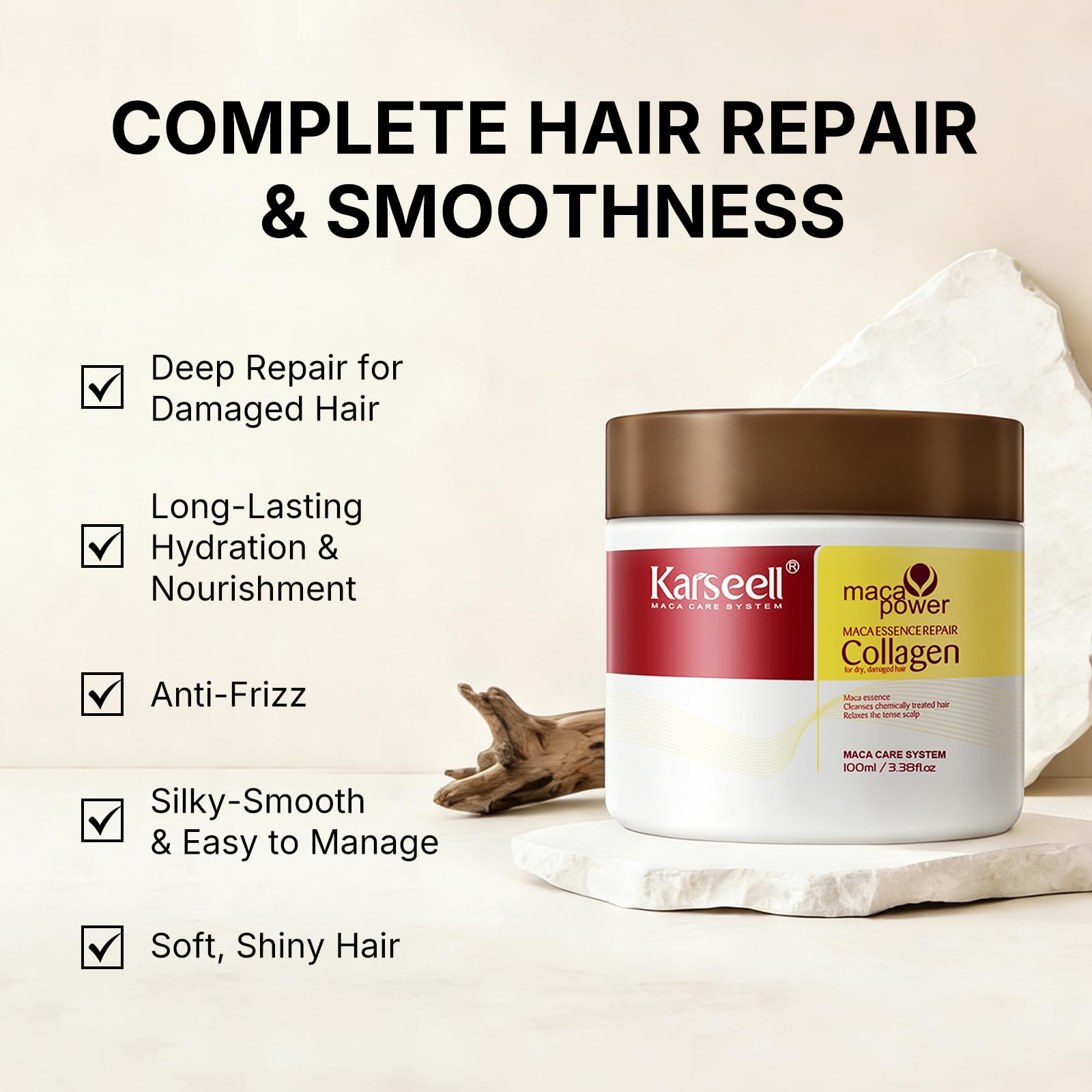
Use a clarifying shampoo or one specifically formulated for oily scalp. Look for ingredients like salicylic acid, tea tree oil, or witch hazel that help cut through excess sebum without over-stripping. The Karseell Volume Shampoo is lightweight and designed to cleanse without weighing hair down, making it a solid choice for oily scalp care.
Step 2: Don’t Skip Conditioner — But Place It Right
Conditioner is essential even for oily scalp — but application matters. Never apply conditioner to the scalp; focus it on the mid-lengths and ends only. Leave-in conditioner: how and when to use it is worth reviewing if you’re dealing with both oiliness and dryness issues simultaneously. For lightweight moisture that won’t exacerbate oiliness, try Karseell Argan Oil Hair Serum Leave-In Conditioner — it nourishes without greasiness.
Step 3: Try a Scalp Treatment or Serum
A targeted scalp serum can help regulate sebum over time. The Karseell Purple Shampoo and Hair Serum combination delivers scalp-nourishing ingredients that support a healthier environment for hair growth while helping manage excess oil.
Step 4: Wash at the Right Frequency
Most people with oily scalps benefit from washing every other day or daily, depending on activity level. The goal is to remove excess sebum before it accumulates, without disrupting the skin barrier. How often you should wash your hair depends on your activity level, hair texture, and scalp condition — listen to your hair.
Step 5: Rinse Hair Thoroughly
Residual shampoo or conditioner left on the scalp can contribute to buildup and worsen oiliness. Always rinse thoroughly with lukewarm (not hot) water, and finish with a cool water rinse to help close the cuticle and reduce excess oil.

Additional Tips for Managing an Oily Scalp
- Use dry shampoo between washes: A quality dry shampoo absorbs excess oil and refreshes your style. Use it at the roots only, not coating the entire scalp.
- Avoid touching your hair: Your hands transfer natural oils and bacteria to your scalp throughout the day.
- Brush hair properly: Regular brushing distributes natural oils along the hair shaft, but avoid over-brushing which can stimulate the scalp’s oil glands.
- Wash pillowcases regularly: Oil and bacteria accumulate on bedding and transfer back to your scalp overnight.
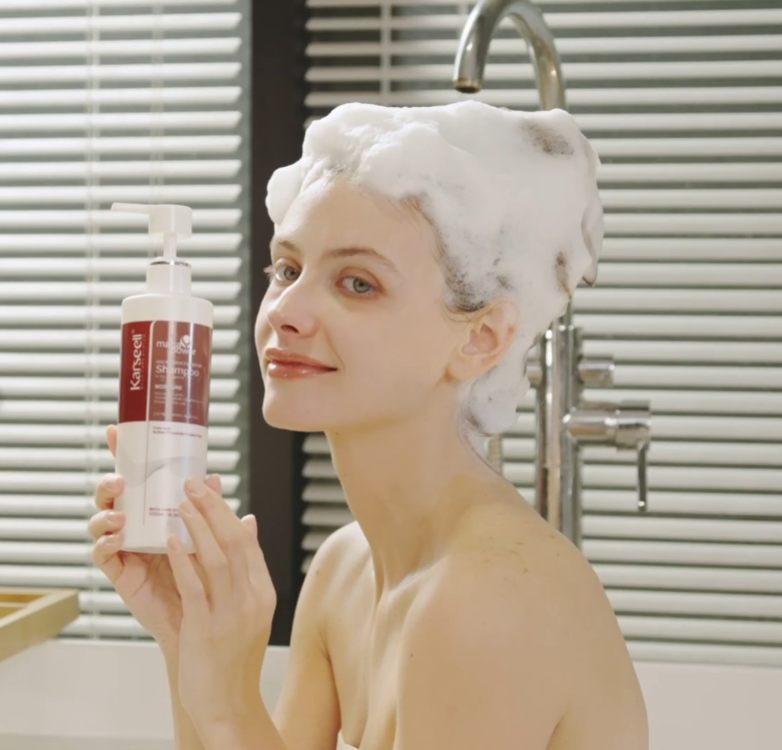
Video: Scalp Care Tips for Oily Hair
Watch this helpful guide on managing an oily scalp and maintaining a balanced hair care routine:
Frequently Asked Questions (FAQ)
How often should I wash my hair if I have an oily scalp?
Most people with an oily scalp benefit from washing every 1–2 days. However, the ideal frequency depends on your hair texture, activity level, and climate. Fine hair tends to show oiliness faster than thick hair. The key is consistency — regular washing prevents oil buildup from overwhelming the scalp.
Can diet really affect how oily my scalp is?
Yes. Research indicates that high-glycemic diets and dairy products can stimulate insulin and androgen hormones, which in turn increase sebum production. Reducing these foods while increasing omega-3 fatty acids, zinc, and vitamin A can contribute to a more effective oily scalp treatment outcome.
Does an oily scalp mean I’m producing too much sebum?
Not necessarily too much overall — but excess relative to your hair type and needs. Sometimes an oily appearance results from the wrong balance of products, improper rinsing, or a damaged scalp barrier. Why is my hair still dry after conditioning? explores how product placement and scalp health interact.
Can dry shampoo replace washing for oily scalp?
Dry shampoo is a temporary fix between washes, not a replacement for actual cleansing. It absorbs surface oil but doesn’t clean the scalp of bacteria, dead skin cells, or product buildup. Over-relying on dry shampoo can worsen scalp health over time, making your oily scalp treatment less effective in the long run.
What ingredients should I look for in an oily scalp shampoo?
Effective oily scalp treatment shampoos often contain salicylic acid (which penetrates pores), tea tree oil (natural antibacterial), witch hazel (astringent properties), or niacinamide (regulates sebum). Avoid heavy emollients like coconut oil or shea butter at the scalp — save those for the lengths only.

References
Dreno, B., et al. (2016). “Epidemiology of acne and rosacea: A worldwide global study.” Journal of the American Academy of Dermatology, 74(5), 917–933. https://doi.org/10.1016/j.jaad.2018.10.048
Picardo, M., et al. (2015). “Sebaceous gland lipids.” Dermato-Endocrinology, 7(1), e1010943. https://doi.org/10.1080/19381980.2015.1010943
Smith, R. N., et al. (2007). “The effect of a low glycemic load diet on acne vulgaris.” Journal of the American Academy of Dermatology, 56(5), 847–848. https://doi.org/10.1016/j.jaad.2006.08.048
American Academy of Dermatology Association. (n.d.). “Hair loss: Who gets and causes.” Retrieved from https://www.aad.org
Rawlings, A. V. (2006). “Cosmetic science and the skin barrier.” International Journal of Cosmetic Science, 28(2), 79–93. https://doi.org/10.1111/j.1467-2494.2006.00303.x
