

You’ve probably seen collagen hair treatment products popping up everywhere—from serums and shampoos to deeply nourishing masks. But what exactly is collagen, how does it work for hair, and why is it being hailed as one of the most effective ingredients in modern hair care? In this article, we’ll explore the science behind collagen hair treatments, how they repair and strengthen damaged hair, and why incorporating a quality collagen-based product into your routine can make a world of difference.
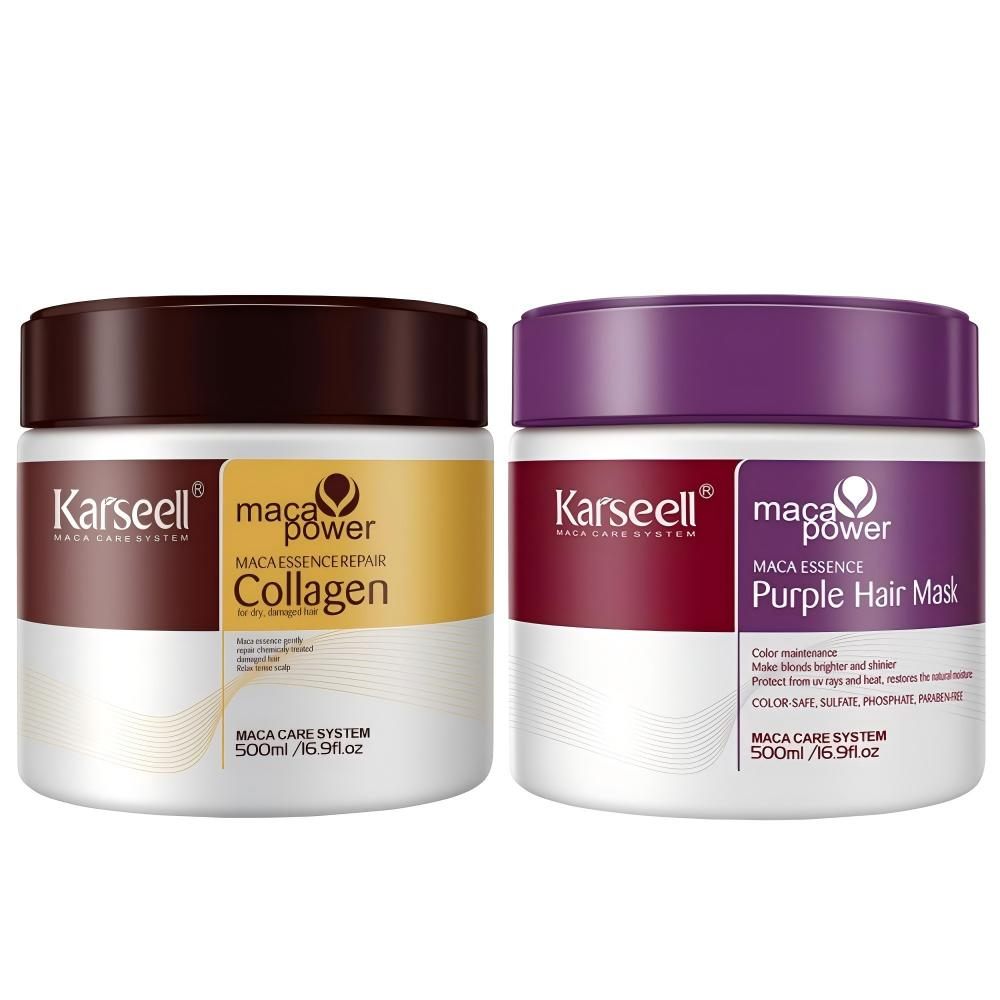
What Is Collagen?
Collagen is the most abundant protein in the human body—making up approximately 30% of all the protein in your body. It’s the structural foundation of your skin, bones, tendons, and yes, your hair. Think of collagen as the scaffolding that holds everything together, providing strength, elasticity, and resilience.
In the context of hair care, collagen works primarily on the outside of the hair shaft. Each strand of hair is composed of three layers: the medulla (innermost), the cortex (middle), and the cuticle (outer protective layer). The cortex contains keratin proteins and determines hair’s strength and elasticity. The cuticle, made of overlapping scales, protects the cortex from damage. When the cuticle becomes damaged—through heat styling, chemical processing, environmental exposure, or simply the passage of time—your hair loses moisture, becomes brittle, and develops split ends.
A quality collagen hair treatment works by replenishing the outer layer of your hair with protein that mimics the hair’s natural structure. When applied topically, hydrolyzed collagen molecules are small enough to penetrate the cuticle and fill in damaged areas, smoothing the surface and restoring shine.
How Collagen Works for Hair: The Biological Mechanism
Penetration and Bonding
Hydrolyzed collagen—the form used in hair care products—is created by breaking down collagen proteins into smaller peptides through a process called hydrolysis. These smaller molecules can actually penetrate the hair shaft rather than simply sitting on the surface. Once inside, they bond with the hair’s existing keratin structure, strengthening it from within.
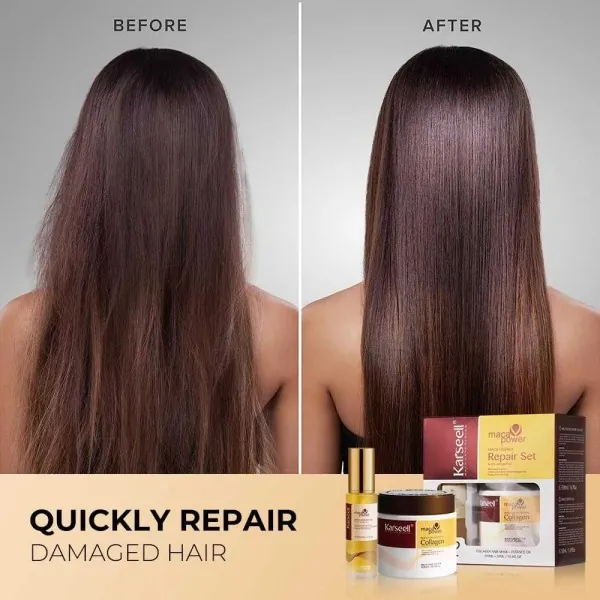
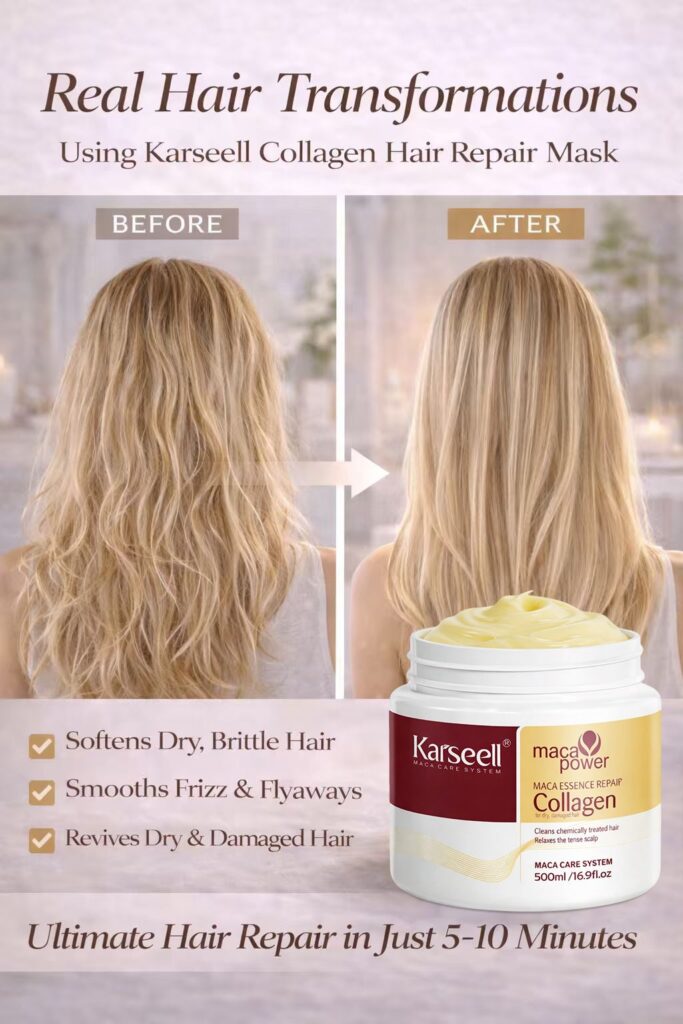
This is why a collagen hair treatment mask produces such dramatic before-and-after results. The collagen molecules fill in the gaps and cracks in damaged cuticles, creating a smoother, more uniform surface that reflects light more effectively—which is what gives healthy hair its characteristic shine.
Moisture Retention
Beyond structural repair, collagen also acts as a humectant, drawing moisture from the environment and locking it into the hair shaft. This is particularly important for those dealing with dry, frizzy, or unmanageable hair. The combination of protein replenishment and moisture retention is why collagen-based products are so effective for treating split ends and breakage.
Elasticity and Flexibility
Hair that lacks elasticity snaps easily when stretched—a sign of protein deficiency. By replenishing the hair’s protein stores, collagen improves elasticity, making hair more resilient and less prone to mechanical damage from brushing, styling, and everyday manipulation.
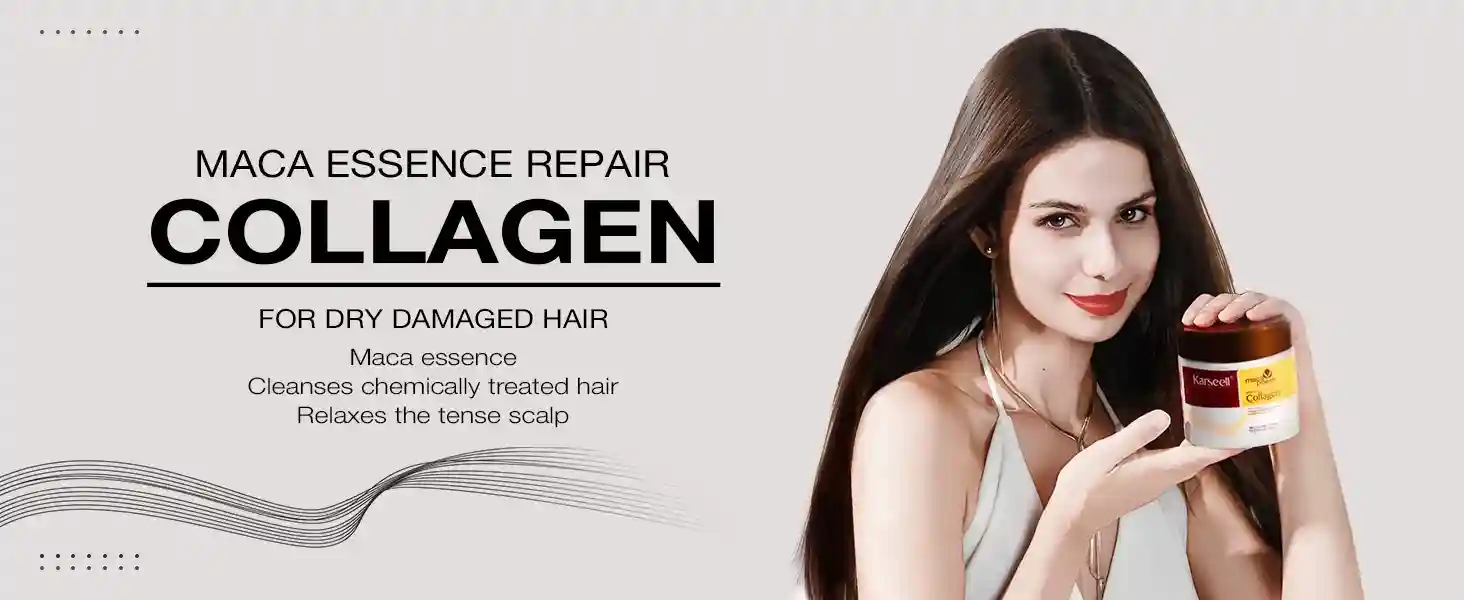
The Synergy of Collagen and Argan Oil
While collagen is exceptional for protein replenishment, it works even better when paired with complementary ingredients. Argan oil is the perfect partner for collagen in a hair treatment formula. Here’s why:
- Argan oil is rich in fatty acids (oleic and linoleic acid) that nourish and moisturize the hair shaft
- Vitamin E in argan oil acts as a powerful antioxidant, protecting hair from environmental damage
- The combination addresses both protein deficiency (collagen) and lipid deficiency (argan oil) for truly comprehensive hair repair
The result is hair that isn’t just temporarily softer, but genuinely healthier from the inside out. Products like the Karseell Collagen Hair Treatment with Argan Oil set leverage this powerful combination for maximum benefit.
Signs That Your Hair Needs a Collagen Treatment
Not sure if a collagen for damaged hair treatment is right for you? Look for these common indicators:
- Hair that feels brittle and snaps easily when combed
- Noticeable split ends despite regular trims
- Dull, lackluster hair that won’t hold shine
- Hair that feels straw-like or rough to the touch
- Excessive shedding during brushing or styling
- Frizz that no amount of serums can control
- Color-treated or chemically processed hair that feels weakened
- Heat damage from flat irons, curling wands, or blow dryers
If any of these sound familiar, your hair is likely suffering from protein loss or structural damage—and collagen can help.
How to Incorporate Collagen Treatments into Your Routine
The beauty of collagen hair treatments is their versatility. You can use them as a weekly deep conditioning treatment, a leave-in conditioner, or even as a pre-shampoo treatment. For best results with a collagen hair mask product, follow these guidelines:
- Apply to clean, towel-dried hair
- Section hair into 4-6 parts for even distribution
- Work the product through from mid-lengths to ends
- Cover with a shower cap and apply heat for 15-20 minutes
- Rinse thoroughly with cool water
- Follow with a color-safe or moisturizing conditioner if needed
The Research Behind Collagen and Hair Health
While the beauty industry has embraced collagen enthusiastically, what does the science say? Several studies support the efficacy of topical collagen for hair care. Research published in the Journal of Cosmetic Science found that hydrolyzed collagen peptides can penetrate the hair shaft and improve its mechanical properties. Additionally, collagen supplementation—both topical and oral—has been shown to support hair growth and thickness.
The key is choosing a product with high-quality, bioavailable collagen. Look for hydrolyzed collagen as the primary active ingredient rather than a trace component buried at the end of an ingredient list. Products like Karseell’s collagen-enriched hair mask feature concentrated amounts of this powerful protein alongside complementary ingredients for a comprehensive treatment.
Collagen vs. Keratin: What’s the Difference?
A common point of confusion is the difference between collagen and keratin treatments. While both are proteins, they serve different purposes:
- Keratin is the protein that makes up the majority of your hair’s structure. Keratin treatments (like Brazilian blowouts) penetrate deep into the cortex and restructure the hair chemically. They can be harsh and often contain formaldehyde.
- Collagen works primarily on the surface and outer layers, filling in gaps, smoothing the cuticle, and adding moisture. It’s far gentler and works with your hair’s natural structure rather than altering it chemically.
For most people with damaged but otherwise healthy hair, a collagen hair treatment offers the best balance of repair and gentleness.
Conclusion
Understanding how collagen works for hair empowers you to make informed decisions about your hair care routine. By replenishing lost protein, filling in damaged cuticles, and improving elasticity and shine, collagen treatments offer a scientifically-backed approach to hair repair. When combined with nourishing ingredients like argan oil, the results can be transformative—turning brittle, damaged hair back into the healthy, lustrous locks you deserve. Make collagen a regular part of your hair care regimen, and watch your hair transform from the outside in.
