

Fine, thin hair can feel like a constant battle—flat roots, limp strands, and hair that never seems to hold volume no matter what you try. The right best shampoo for thin hair can completely transform your routine, adding lift, strength, and bounce that lasts all day. Whether you’re dealing with genetically fine hair or thinning due to age or stress, choosing a shampoo specifically formulated for thin hair is the first and most important step.
The good news: you don’t need to settle for flat, lifeless hair. With the right volume shampoo and a targeted haircare approach, you can build stronger, thicker-looking strands from the scalp up.

Why Fine Thin Hair Needs Special Care
Not all hair is created equal—and fine hair requires fundamentally different care than medium or coarse textures. Fine hair strands are smaller in diameter, which means each strand has less structural integrity and is more prone to breakage, tangling, and flatness. When you pair fine texture with thin hair (fewer total strands on the scalp), the result is often limp, lifeless hair that collapses against your head.
Standard shampoos formulated for “normal” or thick hair typically contain heavier conditioning agents—like rich oils and butters—that weigh down fine strands immediately after washing. These formulas overwhelm fine hair, leaving it flat and greasy-looking within hours. That’s why finding a shampoo specifically designed for fine hair is essential, not optional.
Additionally, thin hair is more vulnerable to damage from heat styling, chemical treatments, and even aggressive towel drying. Without the natural resilience of thicker strands, fine hair requires gentle, lightweight ingredients that cleanse without stripping but still deliver the strengthening agents your scalp and hair need.

What Causes Thin Hair? Understanding the Root of the Problem
Understanding why your hair is fine or thin helps you choose the right products more intelligently.
Genetic Factors
The most common cause of thin hair is genetics. If your parents or grandparents had fine or thinning hair, there’s a strong likelihood you inherited similar hair characteristics. Female and male pattern baldness (androgenetic alopecia) is the most prevalent form, gradually reducing the number of active hair follicles over time.
Hormonal Changes
Hormonal shifts—especially during pregnancy, menopause, or thyroid imbalances—can trigger temporary or permanent changes in hair density. DHT (dihydrotestosterone) is a hormone that shrinks hair follicles, leading to progressively thinner hair over time.
Nutritional Deficiencies
Iron deficiency, low vitamin D levels, and insufficient protein intake are well-documented contributors to hair loss and thinning. Hair is made primarily of keratin (a protein), and without adequate nutrition, the scalp can’t support healthy hair growth.
Stress and Lifestyle
High-stress lifestyles, poor sleep quality, and harsh chemical treatments (bleach, perms, straightening) all accelerate hair thinning. Even over-washing with sulfates can strip the scalp of natural oils, weakening hair at the root.
Scalp Health
A healthy scalp is the foundation of healthy hair. Buildup from styling products, hard water minerals, and infrequent cleansing can clog hair follicles, leading to weaker growth and increased shedding. Volume shampoo formulas that include gentle scalp-cleansing ingredients help maintain the environment your hair needs to thrive.

How to Choose the Best Shampoo for Fine Thin Hair: A Step-by-Step Guide
Not sure what to look for when shopping for the best shampoo for thin hair? Follow these steps to select a formula that actually works for your hair type.
Step 1: Look for Lightweight, Volumizing Ingredients
Avoid shampoos with heavy oils (coconut oil, castor oil, olive oil) as primary ingredients—they coat fine strands and cause immediate flatness. Instead, look for lightweight humectants and proteins:
- Hydrolyzed rice protein – Adds temporary thickness to each strand
- Keratin amino acids – Strengthen without weighing hair down
- Biotin – Supports scalp health and hair strength
- Panthenol (Pro-Vitamin B5) – Conditions without heaviness
- Volumizing polymers – Coat individual strands for instant lift
Step 2: Choose Sulfate-Free or Low-Sulfate Formulas
Sulfates (like SLS and SLES) create rich lather but can be too harsh for fine hair over time. They strip essential oils from the scalp, leading to dryness and increased breakage. A gentle, sulfate-free volume shampoo cleanses effectively without compromising your hair’s natural structure.
Step 3: Prioritize Scalp-Focused Formulas
Since thin hair often starts at the scalp, choose shampoos that address scalp health:
- Tea tree oil – Natural antiseptic that keeps follicles clear
- Peppermint or eucalyptus – Stimulates blood flow to the scalp
- Saw palmetto – May help reduce DHT-related thinning
- Zinc – Helps regulate scalp oil production
Step 4: Check for Lightweight Conditioning Agents
Even if your hair is dry, avoid heavy conditioners in your shampoo. Look for these lightweight conditioning ingredients instead:
- Amodimethicone – A silicone that conditions without buildup
- Silk amino acids – Smooth and protect without weight
- Glycerin – A lightweight humectant that draws moisture
Step 5: Avoid These Common Pitfalls
- Parabens – Potentially disruptive to scalp microbiome
- Heavy silicones (dimethicone in high concentrations) – Causes buildup and flatness
- Alcohol-based formulas – Dries out fine hair, making breakage worse
- Overly thick, cream-style shampoos – Too heavy for fine texture
Step 6: Match the Shampoo to Your Specific Concern
Are you managing hair loss? Look for biotin, keratin, and scalp-stimulating ingredients. Is your main concern flatness? Choose a volume shampoo with polymers and rice protein. Do you have a dry, itchy scalp? Prioritize tea tree oil and gentle hydration.

Top Hair Care Products for Fine Thin Hair
Ready to shop? Here’s a curated selection of standout products for fine hair and thin hair:
| Product | Best For | Key Ingredients | Where to Buy |
|---|---|---|---|
| Karseell Volume Shampoo | Instant volume & lift | Hydrolyzed proteins, amodimethicone, panthenol | karseell.com |
| Karseell Purple Shampoo + Hair Serum | Strengthening & growth | herbal root extract, biotin, keratin complex | karseell.com |
| Karseell Curl Defining Cream | Lightweight moisture for fine curls | Argan oil (lightweight), silk proteins | karseell.com |

Why Karseell Stands Out
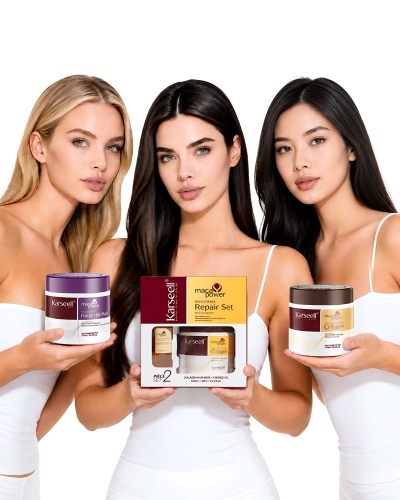
Karseell has built its reputation around hair care formulations that address real-world concerns—volume, strength, and scalp health. Their products consistently earn positive reviews for delivering visible results without heavy, pore-clogging ingredients. The Karseell Volume Shampoo is specifically engineered for fine hair, providing instant lift while supporting long-term hair health. For those experiencing hair loss, the Karseell Power Shampoo + Serum duo combines ancient Peruvian herbal root (known for follicle-supporting properties) with modern biotin and keratin technology.

Building a Complete Hair Care Routine for Fine Thin Hair
Using the right shampoo is just one piece of the puzzle. For lasting results, incorporate these habits:
1. Wash Every 2–3 Days
Over-washing strips your scalp; under-washing allows buildup. Every 2–3 days is the sweet spot for most fine hair types.
2. Use a Lightweight Conditioner—But Only on Mid-Lengths and Ends
Never apply conditioner to your roots. Focus only on the lengths and ends where moisture is actually needed.
3. Dry Gently
Avoid rough towel rubbing. Instead, gently squeeze water out with a microfiber towel and let hair air-dry whenever possible.
4. Apply Heat Protectant Before Styling
Fine hair is especially vulnerable to heat damage. Always use a lightweight heat protectant before blow-drying or using hot tools.
5. Sleep on a Silk Pillowcase
Cotton pillowcases create friction that leads to breakage. Silk reduces this significantly, preserving your strands overnight.
6. Schedule Regular Scalp Massages
A 2–3 minute scalp massage during each wash stimulates blood flow to hair follicles, supporting healthier, stronger growth over time.
For a complete hair care routine designed for dry and damaged hair, check out our comprehensive guide.

Expert Video: Tips for Volumizing Fine Thin Hair
Frequently Asked Questions About Shampoo for Fine Thin Hair
Q: Can shampoo actually help hair appear thicker?
A: Yes! While no shampoo can permanently change your hair’s genetic structure, volume shampoo formulas containing hydrolyzed proteins and cationic polymers coat individual strands, temporarily thickening each hair shaft and creating instant visible volume. Combined with regular scalp care, this can make a significant difference in how full your hair looks and feels.
Q: Should I use a shampoo for hair loss or a volume shampoo?
A: It depends on your primary concern. If you’re experiencing significant hair loss, a shampoo with biotin, keratin, and scalp-stimulating ingredients (like the Karseell Karseell Power formula) is your best choice. If your main issue is flatness and lack of body without active thinning, a volume shampoo like Karseell Volume Shampoo will deliver faster cosmetic results.
Q: How often should I wash fine, thin hair?
A: Every 2–3 days is generally optimal. Daily washing is too frequent for most people and can lead to scalp dryness and increased breakage. If you work out heavily or have an oily scalp, you may need to wash more often—but still aim to use a gentle, sulfate-free formula.
Q: Are sulfate-free shampoos better for fine hair?
A: Generally, yes. Sulfates are effective cleansers but can be overly drying and irritating to the scalp over time. For fine hair, a gentle, sulfate-free volume shampoo maintains moisture balance while still thoroughly cleansing the scalp and hair.
Q: Can diet improve thin hair?
A: Absolutely. While shampoo works topically, hair loss and thinning are often influenced by nutritional deficiencies. Ensure you’re getting adequate protein, iron, zinc, biotin, and vitamins D and E. Foods like salmon, eggs, spinach, and nuts support hair health from the inside out. Learn more about building a complete routine in our Beginner’s Guide to Building a Hair Care Routine.

The Bottom Line
Finding the best shampoo for fine thin hair isn’t about spending the most money or chasing the latest trends—it’s about understanding your hair’s unique needs and choosing formulas that address those needs intelligently. Whether you need instant volume shampoo lift, long-term hair loss support, or gentle everyday cleansing, the right shampoo can transform your hair from flat and fragile to full and fortified.
Start with a targeted, lightweight shampoo like Karseell Volume Shampoo, build a supporting routine with the Karseell Karseell Power system, and stay consistent. Your hair responds to care over time—and with the right products, transformation is absolutely achievable.
References
- American Academy of Dermatology Association. (2023). Hair loss: Who gets and causes. AAD. https://www.aad.org/public/diseases/hair-loss/causes/common-causes
- Badri, T., & Anderson, R. C. (2023). Androgenetic alopecia. StatPearls Publishing. https://www.ncbi.nlm.nih.gov/books/NBK430924/
- Giacomoni, P. U. (2022). Hair and scalp health: The role of topical formulations in preventing hair loss. International Journal of Cosmetic Science, 44(2), 112–128. https://doi.org/10.1111/ics.12784
- Harvard Health Publishing. (2024). The connection between nutrition and hair health. Harvard Medical School. https://www.health.harvard.edu/staying-healthy/the-connection-between-diet-and-hair-loss
- National Institutes of Health. (2023). Biotin: Fact sheet for consumers. NIH. https://ods.od.nih.gov/factsheets/Biotin-Consumer/
