

Sleeping in a hair mask overnight sounds luxurious—but does it actually work, or is it just another beauty trend that’s more hype than help? If you’ve ever gone to bed with a visible coating of product in your hair, you deserve to know whether that treatment is doing anything while you snooze. Let’s set the record straight on overnight hair mask treatments, including how to do them safely and which products are best for leaving in hair mask overnight.
What Happens When You Sleep in a Hair Mask?
The idea behind an overnight hair mask is simple: the longer you leave a treatment on your hair, the more time active ingredients have to penetrate and repair. While a standard 5–20 minute application is effective, extending that to 6–8 hours theoretically allows for deeper, more thorough absorption of nourishing ingredients like collagen, keratin, and argan oil.
But here’s the science that matters: hair absorbs products best when the cuticle is open, which happens when hair is warm and damp. As your hair cools overnight, the cuticle gradually closes again—which means the benefits of an overnight mask are most powerful in the first few hours, not by morning. Still, the extended wear time does allow for more thorough overall saturation of the hair shaft.

The real question isn’t whether sleeping in a hair mask works—it’s whether it’s the best use of your time compared to a properly applied 20-minute treatment with heat. Both approaches have merit, and the right choice depends on your hair’s needs and your lifestyle.
The Benefits of Overnight Hair Mask Treatments
Deep Penetration Time
Perhaps the greatest advantage of leaving a leave in hair mask overnight is the sheer amount of time the active ingredients have to work. Hair is most receptive to treatment when warm and damp, but even as it cools, ingredients continue to be absorbed—particularly emollients and proteins that coat the cuticle rather than penetrate deeply.
For those with severely damaged, porous, or coarse hair, overnight treatment can deliver more visible results in a single session than a quick application. If you’ve been struggling with breakage, split ends, or extreme dryness that doesn’t respond to short treatments, an overnight mask might be the solution you need.
Convenience for Busy Schedules
Let’s be honest: not everyone has 20–30 minutes to dedicatedly sit in the shower with a hair mask processing. An overnight treatment lets you get the benefits of an extended treatment while you sleep. You wake up, rinse, and go—multi-tasking at its finest.
This convenience factor is why so many people are drawn to overnight hair mask products. It’s a low-effort, high-reward approach to intensive hair care that fits seamlessly into your existing routine. No need to schedule dedicated mask time; just apply before bed and rinse in the morning.
The Risks and Drawbacks of Overnight Hair Masks
Friction and Breakage
The biggest risk of sleeping in a hair mask is mechanical damage. Standard cotton pillowcases absorb moisture and create friction against your hair as you move during sleep. This friction can cause tangling, breakage, and the dreaded morning frizz—all of which completely undermine the benefits of your treatment.
The solution: always use a silk or satin pillowcase when sleeping in a hair mask. These materials create minimal friction and don’t absorb the product from your hair. Alternatively, you can loosely tie your hair up in a silk scarf to protect it further.
Product Buildup
Leaving certain types of hair masks on overnight—especially those containing heavy oils, butters, or proteins—can cause buildup on your scalp and hair. Over time, this buildup can make hair feel greasy, look dull, and even lead to scalp irritation or dandruff.
The fix: not all products are suitable for overnight use. Choose masks specifically labeled as overnight hair mask formulas, or use lighter products designed to be fully absorbed without rinsing. Always rinse thoroughly in the morning, and clarify your hair once a month to remove any residual buildup.

How to Safely Sleep in a Hair Mask
If you want to try an overnight hair mask treatment, follow these steps to maximize benefits and minimize risks:
- Choose the right product — Not all masks are designed for overnight use. Look for lightweight, non-heavy formulas. Avoid masks with high protein content unless your hair specifically needs protein treatment.
- Apply to damp, not soaking wet hair — Damp hair allows better absorption without the dripping mess on your pillow.
- Use a silk or satin pillowcase — This is non-negotiable. Silk reduces friction and doesn’t absorb your mask.
- Protect your hair — Consider loosely braiding your hair or putting it in a pineapple bun to keep it contained and reduce tangling.
- Time it right — You don’t need a full 8 hours. 4–6 hours is sufficient for most masks. Apply 30–60 minutes before bed to account for cooling.
- Rinse thoroughly in the morning — Use cool to lukewarm water and gently shampoo if needed.

Overnight Mask vs. 20-Minute Treatment: Which Is Better?
Both methods have their place in a comprehensive hair care routine. Here’s how to decide:
Choose an Overnight Mask When:
- You have a very busy schedule and can’t dedicate time to masking
- Your hair is severely damaged and needs intensive repair
- You’re using a mask specifically formulated for overnight use
- You have a silk or satin pillowcase available
Choose a 20-Minute Treatment When:
- You want faster results with less risk of breakage
- Your hair doesn’t tolerate long wear times (fine hair especially)
- You want to use heat to boost absorption
- You’re using a protein-based mask
The good news: you don’t have to choose just one. Alternate between overnight and short treatments based on your hair’s weekly needs. For deep repair weeks, go overnight. For maintenance weeks, use a 20-minute treatment with warmth.
Best Products for Sleeping in a Hair Mask Overnight
Not all hair masks are created equal for overnight use. Here’s what to look for and our top recommendations:
What to Look For in an Overnight Hair Mask:
- Lightweight, fast-absorbing formulas
- Non-greasy finish
- No high protein content (unless specifically needed)
- Ingredients like argan oil, collagen, hyaluronic acid, and natural butters in balanced ratios
Recommended Products:
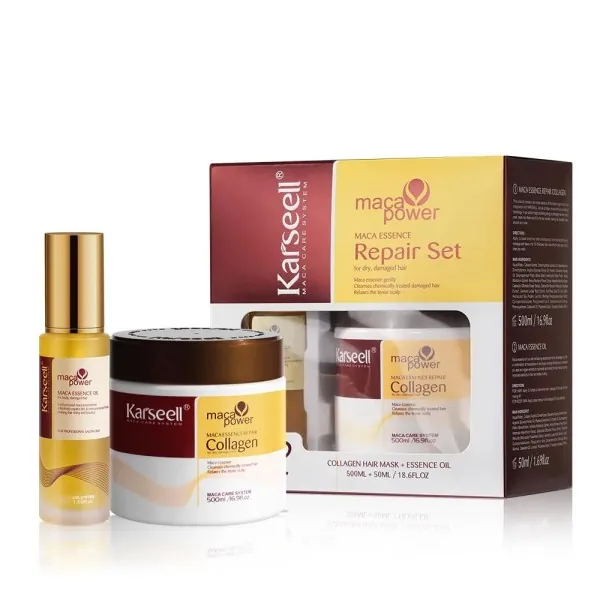
Karseell Collagen Hair Mask — Lightweight yet deeply nourishing, this mask is perfect for overnight treatment when you need intensive repair. The collagen and argan oil combination absorbs without heavy residue.
For those with blonde or color-treated hair, an overnight purple hair mask can deliver enhanced toning benefits while you sleep—just be sure to use a white pillowcase or silk to avoid staining.
If you’re looking for an all-in-one overnight treatment, the Collagen and Argan Oil Set combines the deep repair of a mask with the lasting moisture of argan oil—ideal for very dry or damaged hair that needs around-the-clock hydration.
What About Scalp Health?
If you’re applying an overnight mask, be cautious around the scalp area. Heavy products left on the scalp overnight can clog hair follicles, leading to acne, irritation, or excessive shedding. Focus your application on the mid-lengths and ends, which are typically the most damaged parts of your hair anyway.
For scalp-specific treatment, look for products designed for scalp care and use them separately from your overnight conditioning routine. The benefits of herbal for hair growth can be accessed through dedicated scalp treatments without risking buildup or irritation.
Final Verdict: Does Sleeping in a Hair Mask Really Work?
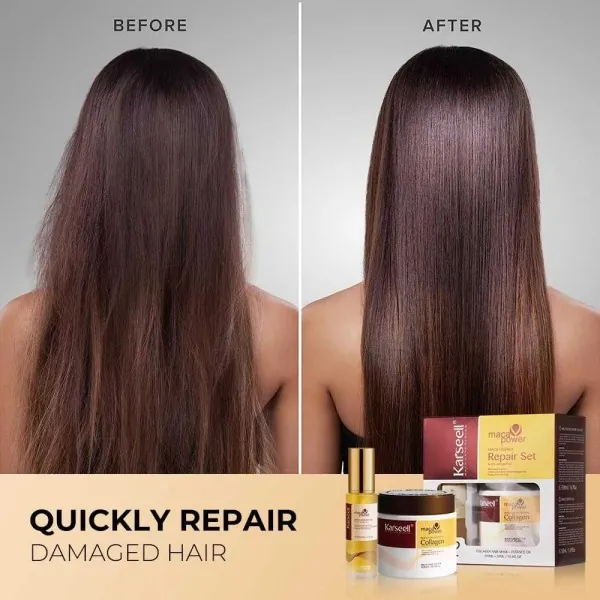
Yes—but with caveats. An overnight hair mask can be highly effective for deep conditioning and repair, but only if done correctly. The key is choosing the right product, protecting your hair from friction, and not overdoing it. When executed properly, overnight treatments deliver noticeably softer, more hydrated hair by morning.
For best results, combine the overnight approach with a proper short treatment routine. Use overnight masks for your intensive repair sessions (1–2 times per week), and use shorter treatments for maintenance. Your hair will thank you.
And remember: the most expensive mask in the world won’t work if your overall hair care routine isn’t supporting hair health. A balanced approach that includes gentle cleansing, regular conditioning, and protective styling will always outperform relying solely on any single treatment—even a brilliant overnight mask.
Frequently Asked Questions
Can I leave a hair mask on for 8 hours overnight?
Yes, you can leave a hair mask on for 6–8 hours overnight, but it’s not always necessary. Most of the absorption happens in the first 2–4 hours. If you choose to leave it on all night, always use a silk pillowcase and apply the mask to damp (not soaking wet) hair. Some masks, particularly protein-based ones, should NOT be left on overnight as they can cause stiffness and breakage.
Does sleeping in hair mask cause hair loss?
Sleeping in a hair mask does not directly cause hair loss. However, if the mask causes excessive tangling or if you’re using a cotton pillowcase that creates friction, you may experience more breakage—which can make it seem like more hair is falling out. Use a silk pillowcase and keep your hair protected to minimize this risk.
Should I wash my hair after sleeping in a hair mask?
Yes, you should always rinse your hair after an overnight mask treatment. Even if the product feels mostly absorbed, residue can remain on the surface and lead to buildup over time. Rinse thoroughly with cool to lukewarm water, and gently shampoo if needed to remove any remaining product.
Can I put an overnight hair mask on dry hair?
It’s not ideal. Dry hair doesn’t absorb products as effectively because the cuticle is tightly sealed. Damp hair allows better absorption of active ingredients. If you must apply to dry hair for convenience, mist your hair lightly with water first, or use a product specifically formulated for dry application.
How often should I use an overnight hair mask?
Most hair experts recommend using intensive overnight treatments 1–2 times per week maximum. Overusing overnight masks—especially protein-based ones—can lead to buildup, stiffness, or the opposite of your desired results (brittle, dry-feeling hair). Listen to your hair and adjust frequency based on how it responds.
Ready to try overnight hair mask treatment? Explore our range of professional hair masks at Karseell.com and wake up to transformed hair every morning.
