

Every shampoo bottle you throw away. Every plastic microbead that washes down the drain. Every ingredient sourced without regard for the people who harvested it. These small choices add up to a massive environmental footprint—the beauty industry generates over 12 billion units of packaging annually, with a significant percentage ending up in landfills or oceans. Sustainable beauty is no longer a niche movement—it’s an urgent imperative. In this guide, we explore how eco friendly hair care 2026 trends are reshaping the industry and how you can make greener choices for your hair and the planet.
The global green beauty market is projected to exceed $54 billion by 2027, according to a 2025 report by Grand View Research. What’s driving this growth? Consumers—particularly Millennials and Gen Z—are demanding transparency, ethical sourcing, and environmental accountability from the brands they support. Hair care, one of the largest segments of the beauty industry, is at the center of this transformation.
What Is Sustainable Beauty?
Sustainable beauty refers to hair care and cosmetic products that are manufactured, packaged, and distributed in ways that minimize harm to the environment while maximizing benefit to people and communities. This includes:
- Clean, responsibly sourced ingredients – Avoiding harmful chemicals and supporting sustainable farming and harvesting practices
- Cruelty-free formulation – No animal testing at any stage of product development
- Eco-conscious packaging – Recyclable, refillable, or biodegradable materials
- Ethical supply chains – Fair wages and safe working conditions for ingredient producers
- Carbon footprint reduction – Minimizing energy use and emissions in production and shipping
The Rise of Eco Friendly Hair Care in 2026
Several converging factors have accelerated eco friendly hair care 2026 trends:
1. Regulatory Pressure
Governments worldwide are implementing stricter regulations on cosmetic ingredients and packaging. The EU’s updated Cosmetics Regulation and California’s natural cosmetic laws are pushing brands to reformulate and repackage.
2. Consumer Awareness
A 2025 Nielsen survey found that 73% of global consumers would change their consumption habits to reduce environmental impact—and hair care is one of the top three categories where they say they’d pay more for sustainable options.
3. Supply Chain Transparency
Blockchain and digital labeling technologies are making it easier than ever for consumers to trace the origin of their hair care ingredients. This is driving a new era of radical transparency in beauty.
Karseell’s Commitment to Sustainable Beauty
At Karseell, sustainability isn’t a marketing tagline—it’s a core operating principle. Here’s how the brand is contributing to sustainable beauty across every dimension:
Ethically Sourced Argan Oil
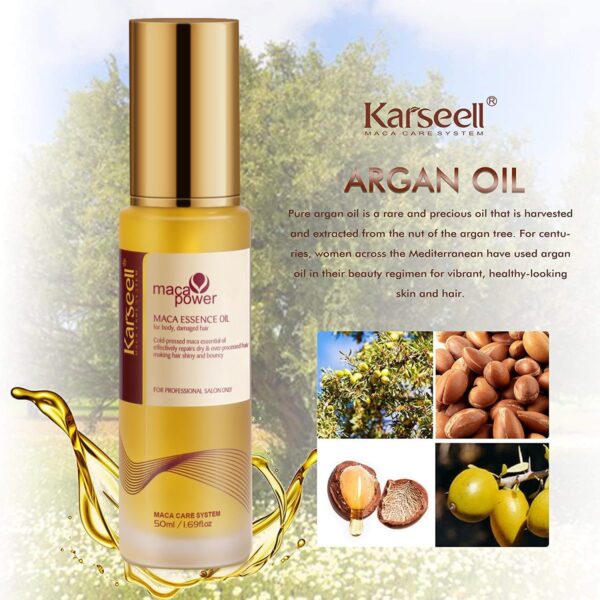
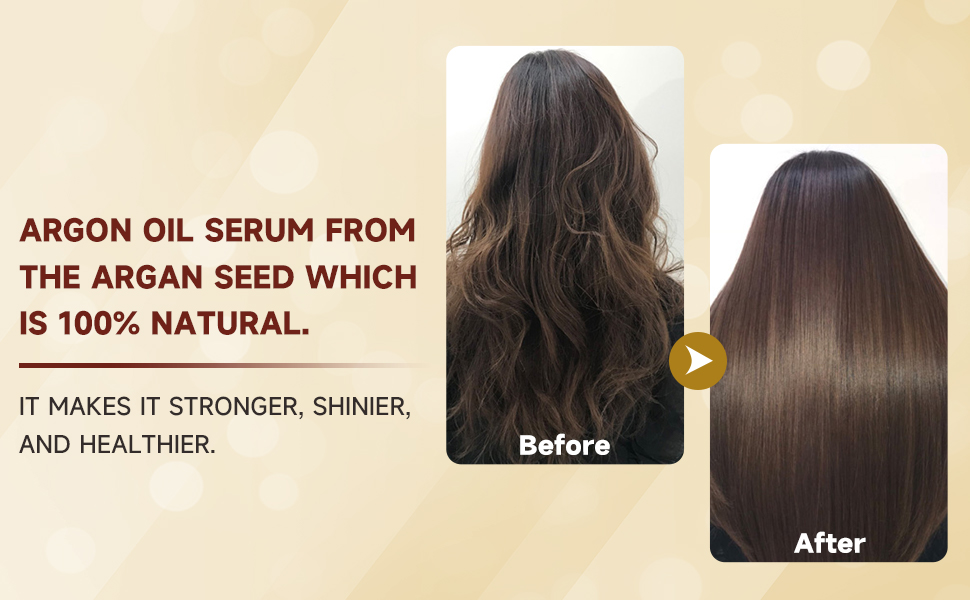
Karseell’s signature ingredient—cold-pressed argan oil—is sourced exclusively from women’s cooperatives in Morocco. These cooperatives provide fair wages, safe working conditions, and community investment for thousands of rural women. By purchasing argan oil from these cooperatives, Karseell supports sustainable agricultural practices that protect the argan forest—a UNESCO biosphere reserve—and the livelihoods of the communities that depend on it.
Cruelty-Free Formulation
Every Karseell product is cruelty-free—no animal testing at any stage of development. To learn why this matters, read our comprehensive article on why cruelty-free hair care matters and our commitment.
Responsible Packaging
Karseell continuously works to reduce plastic usage in its packaging, using recyclable materials wherever possible. We encourage customers to recycle our bottles and tubes after use.
Clean Ingredient Philosophy
Karseell avoids harmful chemicals—including parabens, sulfates, and synthetic fragrances—that can harm aquatic ecosystems when washed down the drain. Our products use naturally derived preservatives and botanical extracts that are both effective and environmentally benign.
The Science of Green Hair Care
One of the most persistent myths about eco friendly hair care is that natural or sustainable products are less effective than conventional ones. The science tells a different story. Many plant-derived ingredients outperform synthetic alternatives in clinical testing:
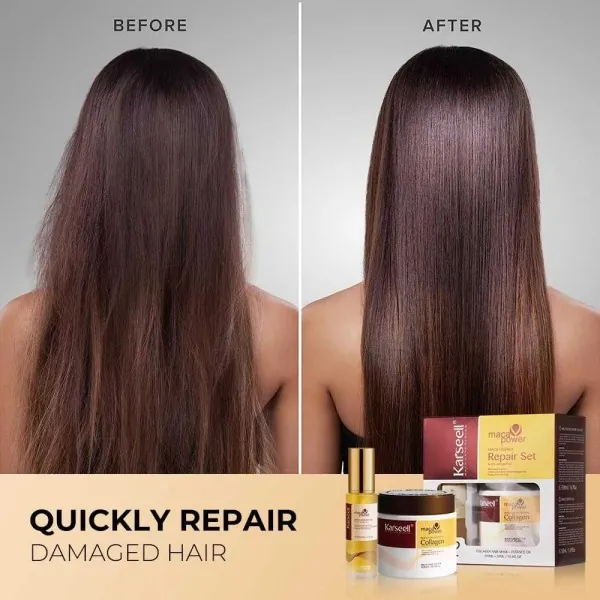
- Argan oil – Contains twice as much vitamin E as other popular hair oils, with a unique combination of fatty acids (oleic, linoleic, palmitic) that penetrate the hair shaft more effectively than lighter silicones
- Collagen peptides – Bioactive hydrolyzed collagen has been shown in multiple studies to improve hair elasticity, reduce breakage, and increase shine in treated hair
- herbal root extract – A Peruvian adaptogen with documented benefits for hair follicle stimulation and reduced hair shedding
The why Karseell products work: ingredients breakdown article provides a detailed look at the science behind each key ingredient—and why sustainable sourcing matters for efficacy.
How to Build a More Sustainable Hair Care Routine
Making the switch to green hair care doesn’t have to happen overnight. Here are practical steps you can take to reduce your hair care environmental footprint starting today:

Step 1: Audit Your Current Products
Check the ingredient lists on your current shampoo, conditioner, and treatments. Look for harmful ingredients like sulfates (SLS/SLES), parabens, synthetic fragrances, and microplastics. Our guide to the ultimate hair care routine for dry and damaged hair walks you through choosing cleaner alternatives.
Step 2: Choose Concentrated, Multi-Use Products
Reduce packaging waste by choosing concentrated products that do double or triple duty. The Karseell Collagen Hair Mask & Argan Oil Set combines deep conditioning and sealing in one efficient routine—fewer products, less packaging, better results.
Step 3: Switch to Recyclable Packaging
Support brands that use recyclable, refillable, or biodegradable packaging. Karseell’s瓶子和管子 are designed for easy recycling—and we provide clear recycling instructions on every package.
Step 4: Extend Time Between Washes
Washing hair every day strips natural oils and requires more product. By extending wash intervals to 2-3 days, you reduce product consumption, water usage, and packaging waste. Using a gentle, sulfate-free shampoo like Karseell Argan Oil Shampoo makes this easier—your scalp adjusts more quickly when the cleanser is gentle.
Step 5: Support Brands with Ethical Supply Chains
Research the brands you buy. Do they pay fair wages? Do they protect ecosystems? Karseell’s commitment to ethical sourcing—particularly our argan oil partnership with Moroccan women’s cooperatives—is documented in our behind the brand: how Karseell develops its hair care products article.
The Zero-Waste Hair Care Movement
One of the most exciting eco friendly hair care 2026 trends is the emergence of zero-waste hair care formats. From shampoo bars to refillable concentrate pods, innovative brands are reimagining how hair care products are delivered:

- Shampoo and conditioner bars – Eliminating plastic bottles entirely
- Refill pods – Concentrated product tablets that dissolve in reusable bottles
- Concentrate systems – Small concentrated sachets that mix with water at home
- Solid hair masks – Waterless, preservative-free treatment formats
Karseell’s travel-ready hair mask and argan oil set is one example of concentrated, efficient packaging that reduces the environmental footprint of shipping and storage.
Understanding “Greenwashing” and How to Avoid It
Not every brand that claims to be sustainable actually is. Greenwashing—the practice of making misleading or unsubstantiated environmental claims—remains rampant in the beauty industry. Here’s how to separate genuine green beauty from marketing spin:

- Look for certifications – Leaping Bunny (cruelty-free), COSMOS (organic), B Corp (ethical business) are independently verified
- Read ingredient lists – Genuine sustainable brands have nothing to hide
- Check supply chain transparency – Real sustainability stories are detailed and specific
- Be skeptical of “natural” claims – Natural doesn’t always mean safe or sustainable
- Research the brand’s history – How long have they been making sustainability claims? What actions back it up?
Our article on from lab to your hair: Karseell’s quality control process shows what genuine commitment to quality and sustainability looks like—from ingredient sourcing to final product testing.
The Future of Sustainable Hair Care
Looking ahead, sustainable beauty will only grow in importance. Several emerging trends will shape eco friendly hair care 2026 and beyond:
- Biotechnology-derived ingredients – Lab-grown versions of rare botanical actives that reduce wild harvesting pressure
- Waterless formulations – Concentrated products that require less water and plastic packaging
- Carbon-negative brands – Companies that remove more carbon than they emit through reforestation and direct air capture
- Circular packaging economies – Take-back programs and closed-loop recycling systems
Small Changes, Big Impact
You don’t need to overhaul your entire routine to make a difference. Switching one conventional product for a sustainable alternative—like trading your sulfate shampoo for the Karseell Argan Oil Shampoo—is a meaningful step. Multiply that by millions of consumers, and the environmental impact becomes transformative.
Sustainable beauty isn’t about perfection—it’s about progress. Every time you choose a product with clean ingredients, recyclable packaging, and ethical sourcing, you’re casting a vote for the kind of world you want to live in. Karseell is proud to be part of that future—one bottle, one hair mask, one argan oil treatment at a time.
Frequently Asked Questions
What is sustainable beauty and why does it matter?
Sustainable beauty refers to hair care and cosmetic products made with environmentally responsible ingredients, ethical supply chains, recyclable packaging, and cruelty-free testing. It matters because the beauty industry is one of the largest contributors to global plastic waste and environmental pollution. By choosing sustainable options—like Karseell’s cruelty-free hair care products—consumers can reduce their environmental footprint while still achieving excellent hair health results.
Is eco friendly hair care as effective as conventional products?
Yes. Many eco friendly hair care ingredients—like cold-pressed argan oil, hydrolyzed collagen, and herbal root extract—have been clinically proven to outperform synthetic alternatives. Karseell’s sustainable formulations deliver professional-grade results without harmful chemicals. Our collagen hair mask and argan oil serum are testaments to the efficacy of clean, sustainably sourced ingredients.
How can I make my hair care routine more sustainable?
You can make your routine more sustainable by: (1) choosing products with clean, responsibly sourced ingredients like gentle, sulfate-free shampoos; (2) using concentrated multi-use products that reduce packaging waste; (3) switching to recyclable packaging; (4) extending time between washes; and (5) supporting brands with transparent, ethical supply chains like Karseell.
How does Karseell contribute to sustainable beauty?
Karseell contributes to sustainable beauty through multiple initiatives: ethically sourced argan oil from Moroccan women’s cooperatives, 100% cruelty-free formulation, clean ingredient philosophy avoiding harmful chemicals, and recyclable packaging. Over 500,000 customers trust Karseell because our commitment to sustainability is backed by concrete action—not just marketing claims. Read our behind the brand story to learn more.
