

Hair mask and conditioner are both essential hair care products, but they serve different purposes. A hair mask is a deep conditioning treatment designed to penetrate the hair shaft and repair damage from within, typically used once a week. A regular conditioner, on the other hand, provides surface-level smoothing and hydration that you use after every wash. Think of a hair mask vs conditioner comparison as the difference between an intensive salon treatment and your daily skincare routine — both matter, but they work differently.
What Is a Hair Mask?
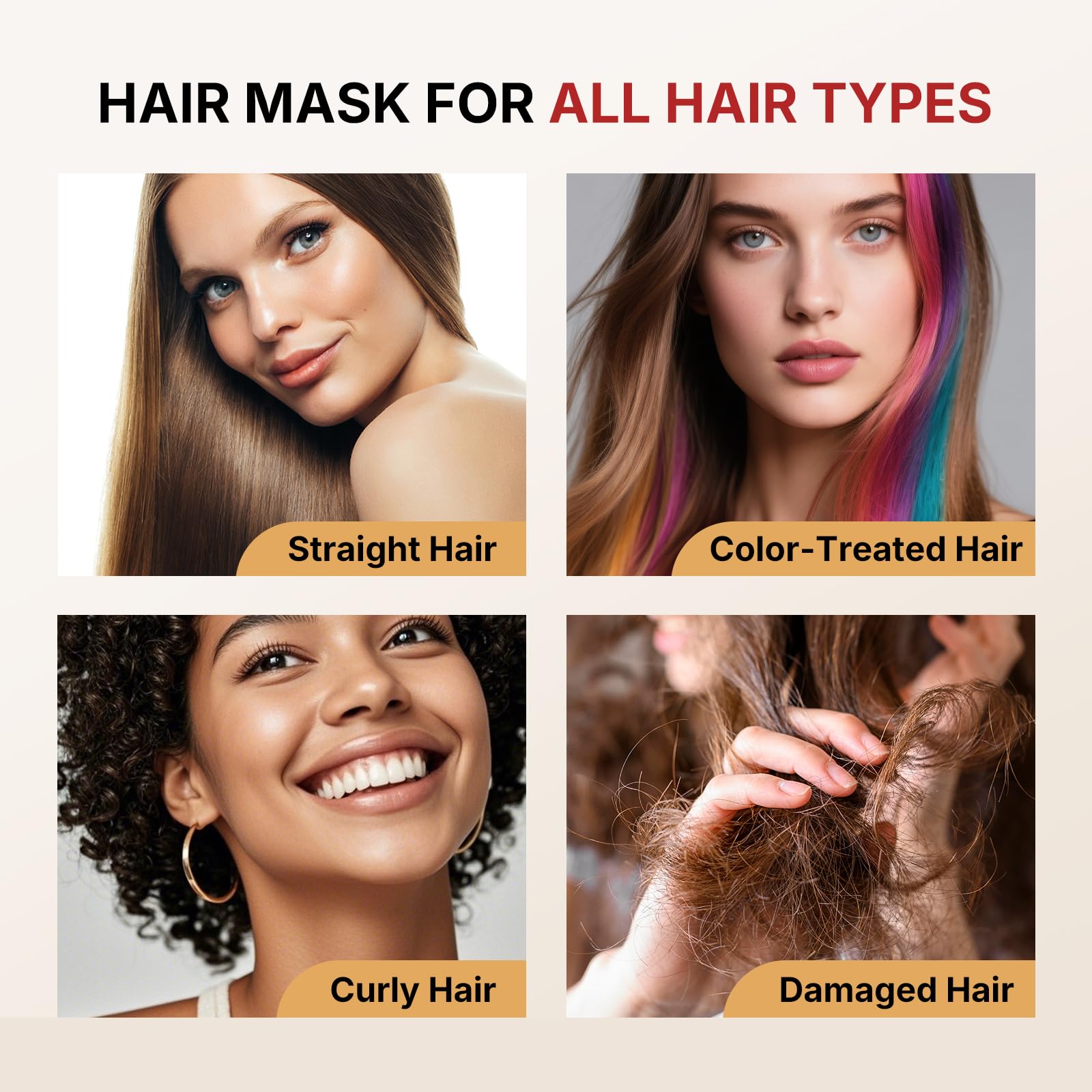
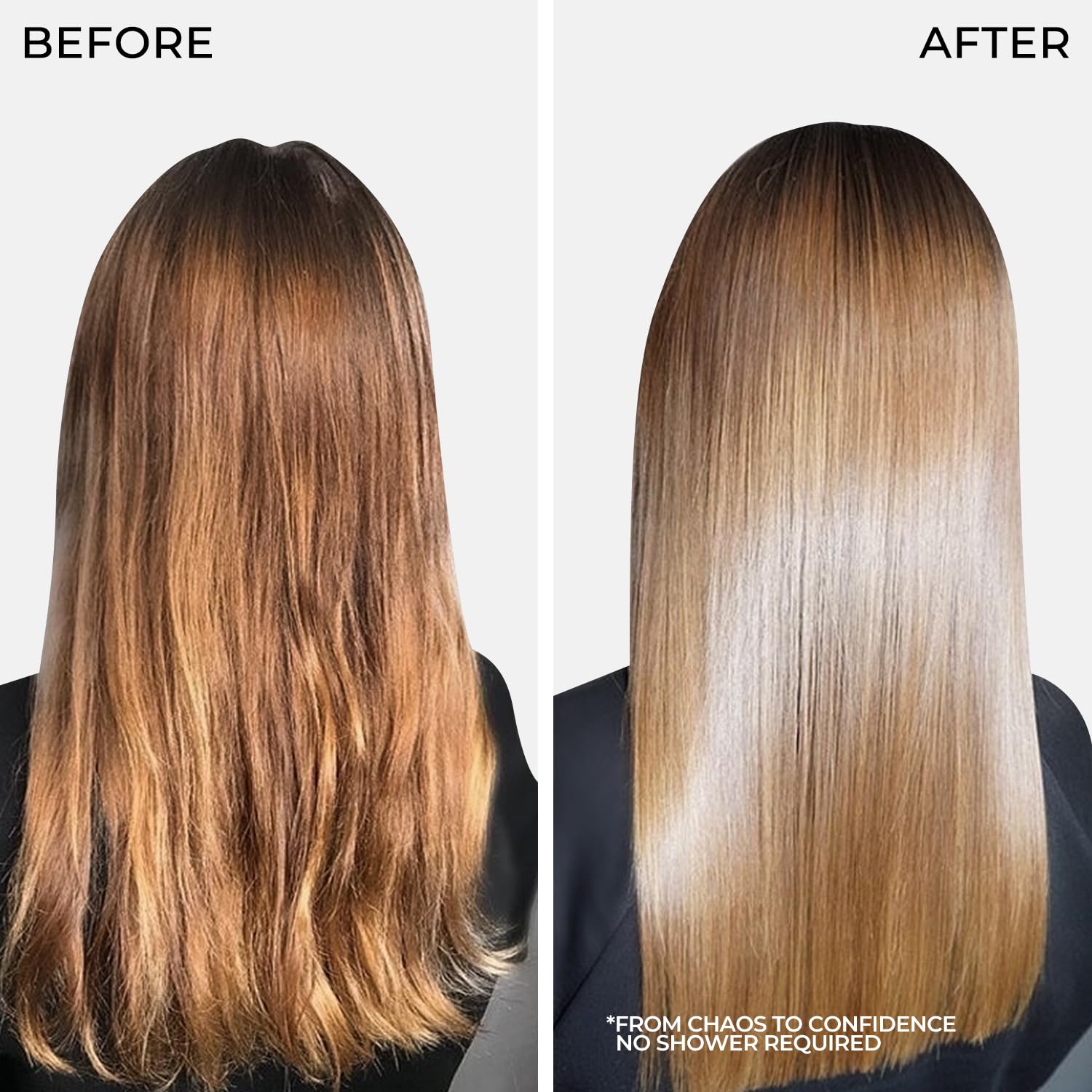
A hair mask is an intensive deep conditioning treatment formulated with concentrated active ingredients — such as collagen, argan oil, keratin, or protein — that penetrate beyond the hair’s surface cuticle. Unlike regular conditioners, hair masks are designed for weekly use and require longer application time to achieve maximum absorption. They work by filling in gaps in the hair shaft, restoring elasticity, and reversing damage caused by heat styling, chemical treatments, and environmental stressors.
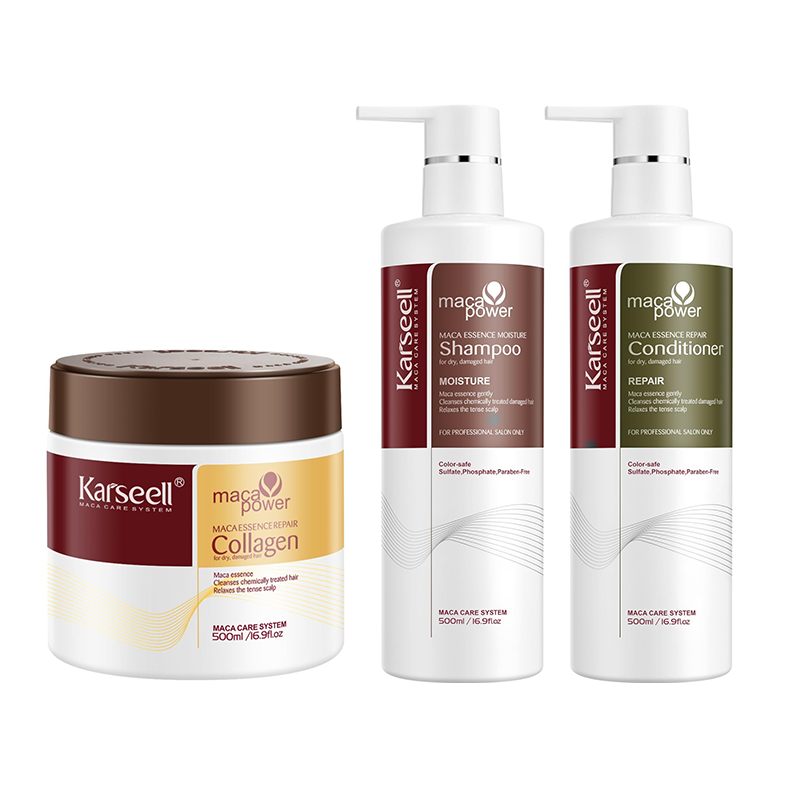
If you’re dealing with dry, brittle, or chemically damaged hair, incorporating a quality hair mask into your routine can make a significant difference. Products like the Karseell Collagen Hair Mask and Leave-In Conditioner combine deep repair with convenient leave-in benefits, making it easier to maintain healthy hair between full treatment sessions.

What Is a Conditioner?
A conditioner is a daily hair care product applied after shampooing to coat the hair cuticle with moisture and smoothing agents. Its primary function is to detangle, reduce static, and add shine without heavy residue. Conditioners work on the surface of the hair — they don’t penetrate deeply but instead create a protective layer that locks in hydration and smooths the cuticle.
For everyday hydration, a reliable deep-restoring conditioner with argan oil is an excellent choice. It replenishes moisture after each wash and leaves hair feeling soft, silky, and manageable without weighing it down.
Hair Mask vs Conditioner: Key Differences
Understanding the structural differences between a hair mask vs conditioner helps you use each product at the right time for the best results. Here’s a comprehensive comparison:
| Feature | Hair Mask | Conditioner |
|---|---|---|
| Purpose | Deep repair & intensive treatment | Daily moisture & surface smoothing |
| Penetration | Penetrates the hair cortex | Coats the hair cuticle only |
| Application Time | 10–30 minutes (or overnight) | 1–3 minutes after shampooing |
| Frequency | 1–2 times per week | After every shampoo (daily) |
| Texture | Thick, concentrated, rich | Light, fluid, non-greasy |
| Best For | Damaged, dry, color-treated, or brittle hair | All hair types for daily maintenance |
| Key Ingredients | Collagen, keratin, protein, argan oil, shea butter | Silicones, panthenol, lightweight oils, humectants |
| Heat Enhancement | Yes — use with heat for better absorption | Not required |
Both products play distinct but complementary roles. A conditioner maintains daily hair health, while a hair mask provides the intensive repair that worn-out or damaged hair desperately needs.
When to Use a Hair Mask
Knowing when to use a hair mask is just as important as knowing how. Here are the ideal situations:
- After excessive heat styling (flat iron, curling wand, blow dryer)
- Following color or chemical treatments (bleaching, perming, relaxing)
- When experiencing dryness, brittleness, or increased hair breakage
- As part of a monthly deep conditioning routine
- Before major heat styling events for extra protection
How to Apply a Hair Mask Correctly
For best results, follow these steps when applying a hair mask:
- Shampoo hair thoroughly to remove buildup and open the cuticle.
- Squeeze out excess water — the hair mask should adhere to damp, not soaking wet, hair.
- Apply the mask from mid-length to ends, avoiding the scalp unless specifically formulated for scalp use.
- Comb through with a wide-tooth comb to ensure even distribution.
- Cover hair with a shower cap and apply gentle heat (or simply wrap in a warm towel) for 15–30 minutes.
- Rinse with cool water to seal the cuticle and lock in moisture.

For more detailed guidance, check out our guide on how to use hair mask correctly and avoid 8 common mistakes.
When to Use a Conditioner
A conditioner should be a non-negotiable step in every wash routine. Use it every time you shampoo — whether that’s daily, every other day, or twice a week. Apply it primarily to the mid-lengths and ends, since these areas are the oldest and most prone to dryness and damage. Avoid applying conditioner directly to the scalp, as this can lead to product buildup and weigh fine hair down.
Can You Use Both a Hair Mask and a Conditioner?
Absolutely — and for most people, using both is the optimal approach. Think of a hair mask and conditioner as partners rather than substitutes. Here’s a recommended routine:
- Daily: Shampoo + Conditioner
- Weekly (1–2x): Shampoo + Hair Mask (skip the regular conditioner on mask days)
- As needed: Leave-in conditioner or mask for extra dry or processed hair
To learn more about the science behind hair repair treatments, read our article on the difference between protein and moisture treatments for hair.
Which Should You Choose? Hair Mask vs Conditioner
Choosing between a hair mask vs conditioner depends entirely on your hair’s current condition and your goals:
- Choose a Hair Mask if: Your hair is damaged, dry, color-treated, over-processed, or you’re looking for intensive repair and restoration.
- Choose a Conditioner if: You want daily moisture, detangling, shine enhancement, and lightweight hydration after every wash.
- Choose Both if: You want a complete hair care routine that maintains daily health while periodically addressing deeper issues.
Frequently Asked Questions
1. Can I use a hair mask instead of a conditioner?
While you can use a hair mask instead of a conditioner occasionally, it’s not recommended as a daily substitute. Hair masks are too heavy for everyday use and may cause product buildup or weigh hair down. Use your conditioner daily and reserve the hair mask for weekly intensive treatment sessions.
2. How often should I use a hair mask?
Most hair care professionals recommend using a hair mask 1–2 times per week. Overusing deep conditioning treatments can lead to protein overload, causing hair to become stiff and brittle. Adjust frequency based on your hair’s level of damage and porosity.
3. Do I need to shampoo before applying a hair mask?
Yes — always shampoo before applying a hair mask. Shampooing removes dirt, sebum, and product buildup, allowing the hair mask’s active ingredients to penetrate the hair shaft more effectively. Skipping this step significantly reduces the treatment’s efficacy.
4. Can I leave a hair mask on overnight?
Yes, overnight hair masks can be highly effective for severely damaged or very dry hair. Use a satin or silk cap to prevent the mask from transferring to your pillow, and rinse thoroughly in the morning. Not all hair masks are formulated for overnight use — check the product label first.
5. What’s the difference between a deep conditioner and a hair mask?
The terms are often used interchangeably, but a true deep conditioning treatment focuses primarily on moisture restoration, while a hair mask may target specific concerns like protein repair, bond rebuilding, or intensive hydration. Both are more intensive than regular conditioners, but hair masks tend to have more concentrated formulations for targeted treatment.
Final Verdict: Hair Mask vs Conditioner
When it comes to the hair mask vs conditioner debate, the answer isn’t either/or — it’s both. A quality conditioner protects your hair daily, while a weekly hair mask delivers the intensive repair needed to counteract accumulated damage. For the best results, invest in professional-grade products like Karseell Collagen Hair Mask and Leave-In Conditioner or Karseell Collagen Hair Treatment to transform your hair health over time.

