

DIY hair care vs professional products—the debate has never been more relevant. From coconut oil pre-poos to avocado masks and apple cider vinegar rinses, DIY hair treatments have taken social media by storm. But are natural alternatives really better than professional hair treatment products? Or are we romanticizing kitchen ingredients that can’t compete with science-backed formulations? Let’s look at the facts.
The Rise of DIY Hair Care
There’s something deeply appealing about DIY hair care. It’s accessible, affordable, and makes for great social media content. The idea that you can nourish your hair with ingredients from your kitchen—coconut oil, honey, egg yolks, avocado—feels natural, wholesome, and somehow more honest than buying a product full of ingredients you can’t pronounce.
But here’s what the beauty industry doesn’t advertise: DIY treatments are rarely a match for professional hair treatment products that have been specifically formulated, tested, and optimized for hair health. The gap between a coconut oil mask and a professionally formulated collagen and argan oil treatment is enormous.

What DIY Treatments Can (and Can’t) Do
Natural Alternatives That Have Real Merit
Some natural hair care ingredients have genuine benefits that have been backed by both traditional use and modern science:
Coconut Oil — One of the few natural oils with scientific evidence showing it penetrates the hair shaft (not just coating the surface). Its lauric acid content allows it to reduce protein loss when used before or after washing.
Apple Cider Vinegar (ACV) Rinse — An effective, gentle clarifier that removes buildup and balances scalp pH. The acidity also smooths the hair cuticle, adding shine. Diluted ACV can be a great addition to your routine.
Aloe Vera — Contains enzymes that can promote a healthy scalp environment and has mild conditioning properties. Many professional products include aloe vera for this reason.
Honey — A natural humectant (attracts moisture) with some antibacterial properties. Great as a standalone mask for very dry hair when mixed with other ingredients.

The Honest Truth About Most DIY Hair Treatments
Here’s where DIY enthusiasm needs a reality check. Most DIY hair treatments fall short in significant ways:
Egg masks — Eggs are rich in protein, but the proteins in eggs are too large to penetrate the hair shaft. They sit on the surface, creating a film that can actually make hair feel stiff or look dull. And if you rinse with hot water? You’ll have scrambled eggs in your hair.
Mayonnaise masks — The idea that mayo can condition hair is largely a myth. The oils in mayo don’t penetrate effectively, and the other ingredients (vinegar, eggs, salt) can be drying or damaging. Any smoothing effect is purely from the occlusive coating—not real conditioning.
Olive oil as a deep conditioner — Olive oil is too heavy and viscous to penetrate the hair shaft effectively. It coats the surface, which can temporarily feel smoothing but leads to buildup over time.
Baking soda scrubs — Far too alkaline for hair. Baking soda has a pH of around 9, while healthy hair is around 4.5–5.5. Using baking soda on your hair can damage the cuticle, cause frizz, and lead to long-term problems.
Where Professional Products Win
Formulated for Bioavailability
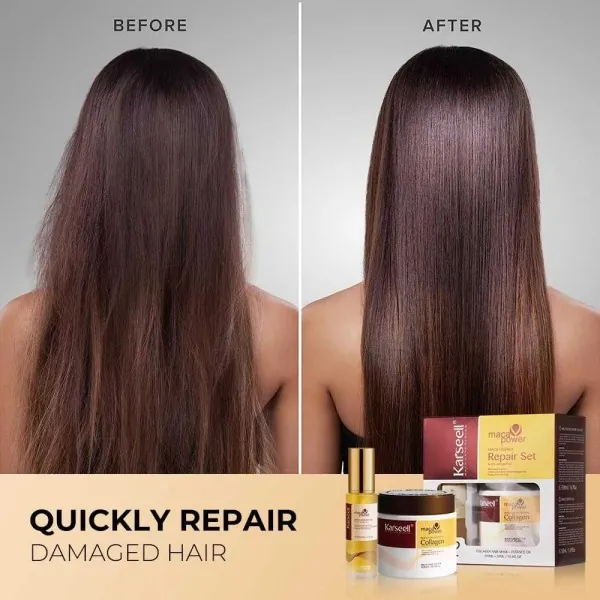
Professional products like collagen hair masks are formulated with ingredients in specific concentrations and molecular sizes optimized for hair absorption. Collagen in professional products is typically hydrolyzed—broken down into smaller peptides—that can actually penetrate the hair shaft rather than just coating it.
Natural ingredients in DIY masks are usually in their raw, unprocessed form. The molecules are too large to penetrate, which means you’re getting surface-level benefits at best.
Precision Ingredient Combinations
Professional formulations combine multiple active ingredients in precise ratios that work synergistically. A collagen and argan oil combination, for example, delivers both structural repair (collagen) and intense moisture (argan oil) in one product—one that has been tested to ensure both ingredients are delivered effectively.
DIY masks can have unpredictable results because you’re mixing ingredients without understanding how they interact. Some combinations can cancel out benefits; others can create negative reactions.
Consistency and Preservation
Professional products are manufactured with consistent quality and preserved to prevent bacterial growth. DIY masks made from perishable ingredients (egg, avocado, banana) can spoil, harbor bacteria, and cause more harm than good. A fresh egg mask sounds appealing—but if not used immediately and rinsed perfectly, you’re risking salmonella and damaged hair.
Professional products have shelf lives verified by testing and preservatives that ensure safety and efficacy from first use to last.
The Verdict: DIY vs Professional
The answer isn’t black and white. Here’s a framework for thinking about DIY hair care vs professional treatments:
Use DIY For:
- Occasional gentle scalp scrubs (sugar + conditioner)
- Diluted apple cider vinegar rinses (1:4 ratio with water)
- Quick detangling sprays (water + a drop of oil)
- Maintaining already-healthy hair between professional treatments
Use Professional Products For:
- Deep conditioning and repair treatments
- Targeted treatment of specific concerns (damage, color protection, moisture)
- Consistent, reliable results
- Any chemically treated or heavily processed hair
- Addressing hair damage that DIY can’t fix
The Best Approach: Combine Both Strategically
You don’t have to choose exclusively. The ideal natural hair care routine uses DIY as a supplement—not a replacement—for professional products. Use gentle DIY treatments for maintenance and upkeep, and professional products for deep repair and treatment of specific concerns.
Why Your Hair Type Matters
Not all hair responds the same way to DIY or professional treatments. Understanding your hair type and needs helps you make better choices:
Fine, thin hair — DIY treatments can easily weigh this hair type down. Professional lightweight formulas work better.
Thick, coarse, curly hair — Can tolerate richer DIY treatments better, but still benefits enormously from professional deep conditioning.
Chemically treated hair — Bleached, colored, or permed hair is already compromised and needs professional-grade repair. DIY treatments are generally not strong enough.
Sensitive scalp — Natural ingredients can sometimes cause irritation (coconut oil is a common allergen). Professional products are typically dermatologically tested.
The Real Cost Comparison
One argument for DIY is cost. But let’s do the math properly. A DIY coconut oil and honey mask might cost $3 in ingredients. But will it deliver the same results as a professional collagen hair mask treatment?
No. And if you factor in the time to make the DIY treatment, the inconsistent results, and the potential for damage—professional products are often the better value. One $25–$40 professional mask that actually works is worth more than ten $3 DIY masks that don’t.
Think of it this way: you wouldn’t try to repair your own car engine with kitchen tools just because it’s “more natural” than going to a mechanic. Your hair deserves the same consideration.
Common DIY Mistakes That Damage Hair
Before you reach for that kitchen ingredient, know these common DIY pitfalls:
Oiling Hair Before Swimming
Many DIY advocates suggest coating hair in coconut oil before swimming for protection. While this does create a barrier, it can also cause your hair to absorb more chlorinated or salt water than it would without the oil—defeating the purpose.
Essential Oils in High Concentrations
Essential oils like lavender, tea tree, and peppermint are often recommended for scalp health. But these should never be applied undiluted—they can cause severe chemical burns, irritation, and allergic reactions. Always dilute in a carrier oil or water.
Hot Oil Treatments Without Temperature Control
Heating oil and applying it to hair can feel luxurious, but overheating oil causes burns and damaged cuticles. Professional hot oil treatments come with temperature-controlled applicators. DIY versions rarely do.

What Professional Products Actually Contain (And Why That’s Good)
One reason DIY feels appealing is fear of “chemicals” in professional products. But this is a misunderstanding. Everything is a chemical—water is a chemical, coconut oil is a chemical. The question isn’t whether something is natural or synthetic; it’s whether it’s safe and effective.
Professional hair care products contain:
- Hydrolyzed proteins — Broken down to penetrate hair shaft for actual repair
- Emollients in precise ratios — Like argan oil combined with other ingredients for balanced moisture
- Vitamins and antioxidants — Stabilized for effectiveness, not raw and unstable
- Preservatives — Essential for preventing bacterial growth that could harm your scalp and hair
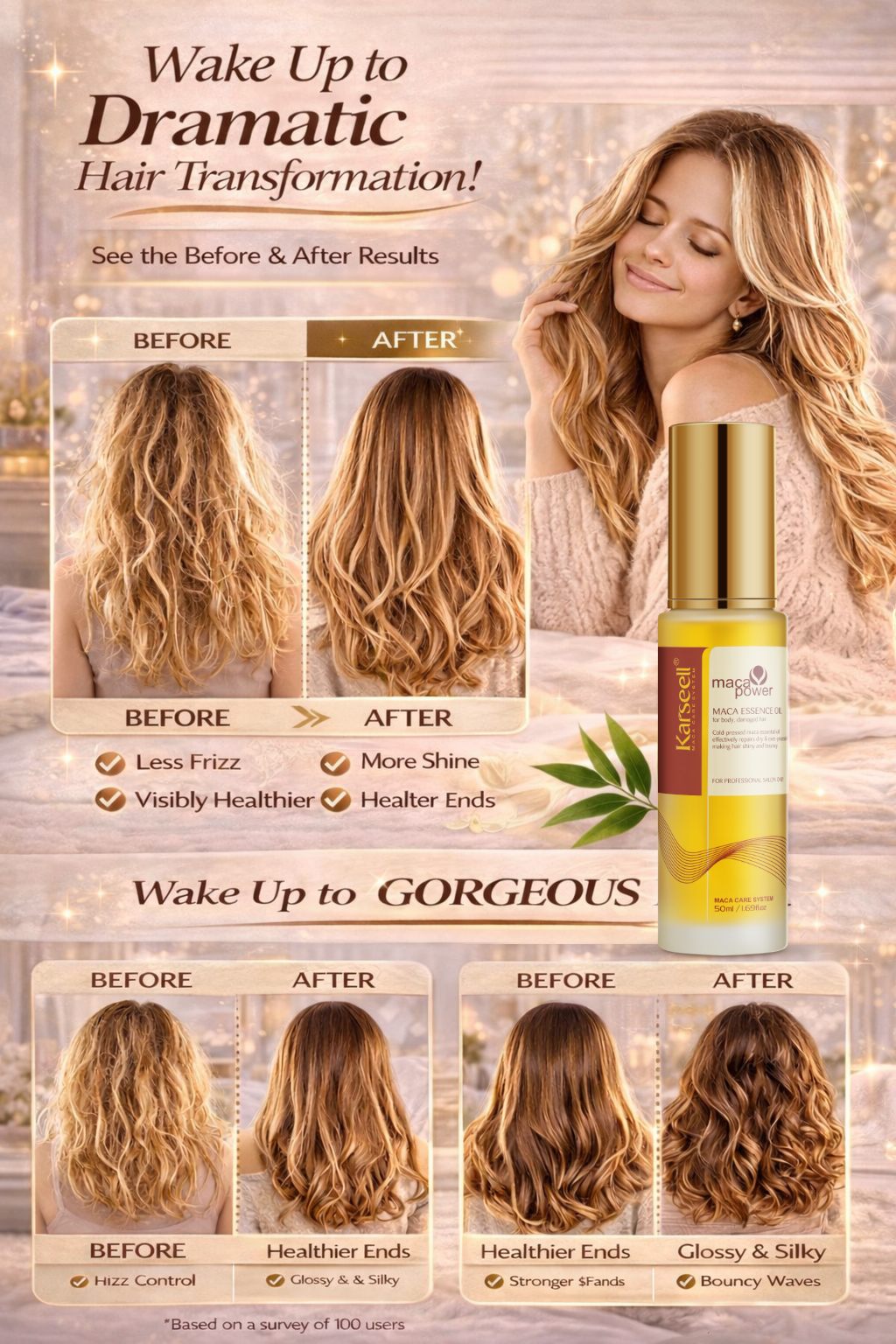
For hair health, what argan oil does for hair in a professional formula is very different from what raw argan oil does alone. The professional version is often combined with other ingredients that enhance its absorption and effectiveness.
Making an Informed Choice
Here’s the bottom line: DIY hair care vs professional treatment isn’t really a competition. DIY has its place as a supplement to—not a replacement for—professional care. For basic maintenance, gentle natural alternatives can be wonderful. But when your hair is damaged, dry, color-treated, or in need of real repair, professional products deliver results that DIY simply cannot match.
The smart approach: use professional products for the foundation of your hair health (your shampoo, conditioner, mask, and treatments), and incorporate simple DIY elements only where they genuinely add value—like a diluted ACV rinse once a month, or a natural oil on your ends for extra shine.
Your hair is an investment. Treating it with professional-grade products isn’t vanity—it’s giving your hair the tools it needs to be healthy, strong, and beautiful.
Frequently Asked Questions
Are natural ingredients always safer for hair than professional products?
No. Natural ingredients can be irritants, allergens, or even harmful if used incorrectly. Coconut oil can clog pores and cause acne on the scalp. Essential oils can cause chemical burns when undiluted. Raw egg can harbor bacteria. Many professional products are dermatologically tested and formulated to be safe for regular use on all hair types.
Can professional products cause buildup like DIY treatments?
Some professional products with heavy silicones or oils can cause buildup if overused or not properly clarified. However, most quality professional products are formulated to rinse clean and include gentle cleansing agents. Buildup is typically a result of using too much product or not clarifying periodically—not a problem unique to professional products.
What professional treatment is best for dry and damaged hair?
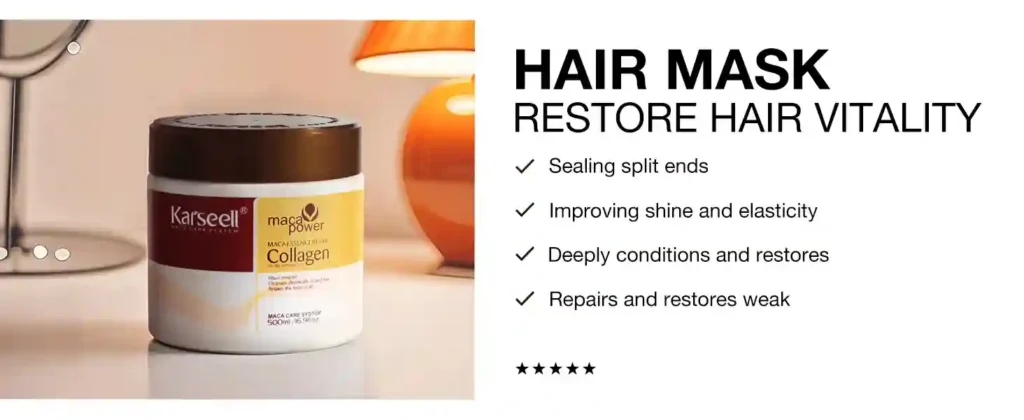
Karseell Collagen Hair Mask combines hydrolyzed collagen for structural repair with argan oil for deep moisture—one of the most effective professional combinations for dry and damaged hair.
Is it worth using both DIY and professional products together?
Yes, strategically. Use professional products as your core routine (shampoo, conditioner, weekly mask) and supplement with simple DIY elements like occasional ACV rinses for clarifying or a light oil application on ends. Just don’t replace your professional treatments with DIY ones, especially for damaged or treated hair.
Why do professional hair masks work better than DIY egg or avocado masks?
Professional masks contain hydrolyzed proteins and ingredients formulated at molecular sizes that can penetrate the hair shaft. Natural DIY ingredients like eggs or avocado are too large to penetrate—they coat the surface, which provides temporary smoothing but no real repair. Professional formulas also contain precise combinations of occlusives, humectants, and emollients in ratios specifically optimized for hair.
Ready to experience professional-grade hair care? Explore the complete range of Karseell professional hair treatments and feel the difference science-backed formulations can make.
