

Most people do not get a disappointing result from a collagen hair mask because the formula was bad. They get it because the mask went onto dry hair, sat there for an hour, came out under hot water, or was stacked with three other heavy products in the same wash. The product is only half the job. The other half is technique, and technique is the part you can actually change today.
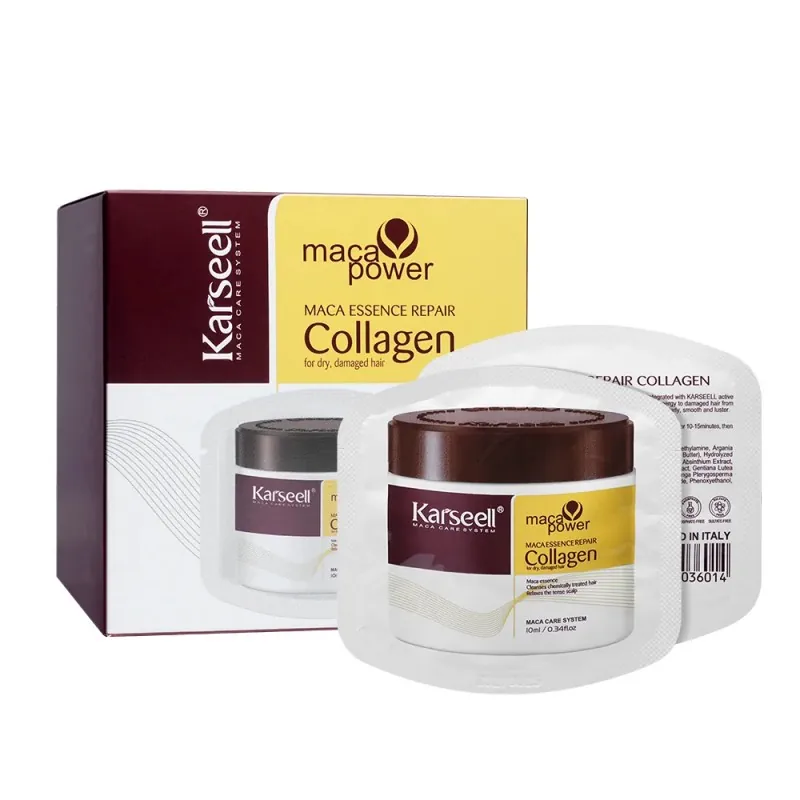
So here is the method in the order it matters: how to use a collagen hair mask properly, from preparation through the final rinse, plus the four mistakes that quietly cancel the work out. The Karseell Collagen Hair Mask at $15.99, rated 4.98 out of 5 from 1,063 reviews, is the product used throughout, because its own product page is unusually specific about method: damp hair, 5 to 10 minutes, then rinse.

Why Technique Decides the Result
A mask is a film-forming treatment. It works by spreading over the hair shaft, filling in the gaps in a damaged cuticle, and then being rinsed away. Every one of those steps needs the product in contact with slightly damp hair for a set period of time.
Change the variables and the same product gives a different result. Mask on soaking wet hair and it slides off your shoulder before it has done anything. Mask on bone dry hair and it sits on the surface as a waxy film with no water to spread it. Mask for thirty minutes on hair that needed five and it can leave a heavy coating that takes two washes to shift. That is not the formula failing — that is the instruction being ignored.
What a mask genuinely delivers is softness, shine and less frizz, not a rebuilt fibre. Hair that has been bleached cannot be un-bleached by a mask, and no amount of timing changes that. Understanding that limit is what makes the rest of the method make sense, because you are optimising smoothness and hydration, not trying to reverse chemical damage.
The Karseell range is refreshingly unambitious about what it needs. The Collagen Hair Mask page says just 5 to 10 minutes, it lists collagen, keratin and argan oil, and it states that it is built for dry, damaged and colour-treated hair — bleached, curly, straight, dry or damaged. The Karseell Collagen Hair Mask Bag at $29.69 (rated 4.94 from 282 reviews) runs the same formula in light-blocking, foldable packaging and gives you more explicit directions: apply to damp, clean hair, massage from roots to ends focusing on the mid-lengths and ends, leave 10 to 15 minutes, rinse thoroughly.

Before You Begin: Hair, Tools and Dose
Getting the hair ready
You want damp, not dripping hair. Squeeze after the shampoo and you should be able to run your fingers down the lengths without water dripping off. Squeezing out the excess is not optional: a mask applied to dripping hair gets diluted and washed down the drain before it can sit on the strand.
Comb through before you apply, not after. Tangles set by mask product are much harder to shift than tangles in wet clean hair, and a wide-tooth comb plus your fingers will remove more knots than you expect in about a minute. Have a clip ready too, because you are going to be waiting ten minutes.
How much to use
For a 500ml jar, a practical dose is about 5 to 10ml — a walnut-sized blob for shoulder-length hair, more for long or very porous hair, and less if your hair is fine and straight. The Karseell Collagen Hair Mask 24 packs are pre-portioned: each sachet is a 10ml single-serve portion sized for one full treatment, which removes the guessing entirely.
Use more than you think you need, but not a full palm on short hair. Overloading the lengths is what causes the residue people blame on the formula.
Step One: Shampoo, Then Rinse Properly
Shampoo first, always. The mask needs a clean surface to sit on. Apply it over conditioner and the two products compete for the same fibre, the mask rinses away early, and you end up with less conditioning than you paid for.
The rinse after shampooing matters as much as the wash. Rinse until the water runs clear and the hair no longer feels slick or coated. On very porous hair, a second rinse gives the mask a clean starting point.
The full order for a wash night is shampoo → mask → conditioner if you want it → leave-in on damp hair. If you want the reasoning rather than the list, our guide to shampoo, conditioner and hair mask in the correct order explains why the leave-in goes last, on damp rather than dry hair.
Step Two: Apply It Where It Does Work
Lengths and mid-lengths, not the scalp
Work the mask in from mid-lengths down to the ends. The bag’s own how-to says to massage from roots to ends while focusing on the mid-lengths and ends for maximum hydration — and that mid-lengths-to-ends focus is the part that matters, because that is where dryness and split ends live.
Keep it off the scalp. Scalp skin is not hair, it does not need collagen, and rich formulas left at the roots can feel greasy by day two.
Layering with other products
One treatment per wash is the rule. The collagen mask already conditions, so adding a rich conditioner straight afterwards is optional. On thick or coarse hair that drags a comb through, a light conditioner on the lengths only gives you the slip you need to detangle. On fine hair, skip it.
Do not stack a second heavy protein treatment on top. A collagen mask plus a bond-building treatment, or a collagen mask plus a strong protein shampoo, in the same wash is how hair ends up feeling stiff and straw-like rather than soft. If you want the leave-in effect as well, the Karseell Collagen Hair Mask and Leave-In Conditioner at $33.99 (rated 4.99 from 109 reviews) pairs a 100ml travel-size collagen mask with a Repair Protein Cream leave-in — use the mask as the rinse-out step and the leave-in on a different wash day.

Step Three: Timing and Heat
How long, and how hot
The Karseell pages do not agree perfectly on the ceiling, and that is useful information. The 500ml Collagen Hair Mask says 5 to 10 minutes. The bag says 10 to 15 minutes. The 24-pack sachets say 5 to 15 minutes, longer for severely damaged hair.
Read those together and the practical rule is clear: start at five minutes, stay inside ten, and treat fifteen as the outer limit for hair that is genuinely wrecked rather than a default. Beyond that you are not adding benefit, you are adding rinse time and the chance of a heavier coating.
Heat is not part of this treatment. Do not sit under a heat hood, a hot towel or a blow-dryer with the mask still in your hair. Heat sets protein on the strand, which is exactly the stiff feeling people report after leaving a protein treatment on far too long. Get the mask out first, then dry your hair properly.
For more on the timing question, how long to keep a hair mask on before washing it out digs in, and how to use a hair mask for soft, shiny, frizz-free hair covers the result you are aiming for.
Step Four: Rinse, Squeeze and Dry
Rinsing out completely
Rinse with cool-to-lukewarm water and take longer than you think you need to. Most of the “my mask leaves a coating” complaints trace back to a fast rinse. Work the water through the mid-lengths and down to the ends, massage the lengths lightly as you rinse, and keep going until your hair no longer feels slippery — that slip should be gone once the mask is out.
You do not need a second shampoo on normal hair after a well-rinsed mask. Then squeeze rather than scrub: press a towel up into the hair instead of rubbing it back and forth, and dry with airflow rather than a brush. Scrubbing with a towel and yanking a brush through wet, coated hair are both reliable ways to create the split ends you were masking in the first place.
The Four Mistakes That Cancel It Out
What goes wrong, and what to do instead
Almost every disappointing mask result traces back to one of these four:
- Applying it to dry hair. Water is the carrier that spreads the formula and lets it penetrate the shaft. On dry hair you get an uneven film instead of a treatment. Fix: damp hair, squeezed, not dripping.
- Leaving it on far too long. Longer is not stronger. The range’s guidance stops at 5 to 15 minutes, and going well beyond it usually means a heavy residue and, on protein-forward formulas, that stiff coated feeling. Fix: set a timer for 5 to 10 minutes.
- Putting it on the scalp. The hair shaft is what needs conditioning; the scalp is skin, and rich products there are a reliable route to a greasy root. Fix: mid-lengths and ends only.
- Combining two protein-rich products in one wash. The collagen mask is protein-forward. Pair it with a bond builder, a protein shampoo or a second heavy treatment and you can overload the strand, which reads as stiffness rather than repair. Fix: one protein treatment per wash, with a moisturising conditioner alongside if you need more conditioning.

How Often, and Which Format to Use
Frequency and format
Once or twice a week is the range’s guidance for a collagen mask, and once a week suits most hair. Bleached, colour-treated or heat-damaged hair can take it twice a week. Fine hair that gets oily fast usually does better on once a week, because a rich mask followed by a heavy conditioner is an easy route to limp roots. If you are still working out a schedule, our notes on how often to use a hair mask and on whether you can mask on every wash cover the detail.
| Format | Price | Rating | Reviews | Cost per use |
|---|---|---|---|---|
| 500ml jar | $15.99 | 4.98 | 1,063 | About $0.32 at 10ml per application (roughly 50 uses) |
| 500ml bag | $29.69 | 4.94 | 282 | About $0.59 at 10ml per application (roughly 50 uses) |
| 24 sachets, 10ml each | $19.79 | 4.95 | 236 | About $0.82 per single-serve treatment |
| 100ml mask + leave-in set | $33.99 | 4.99 | 109 | Travel format, built for trying it rather than for volume |
The jar is the value option and the one most people should start with. The bag costs more per use but its packaging is designed to keep the formula away from light, air and moisture, and it folds flat for travel or a gym bag. The 24-pack sachets at $19.79 (rated 4.95 from 236 reviews) are the safest way to test a mask without committing to a jar, since each sachet is one pre-portioned treatment that stays fresh until opened. The full hair mask category is worth a browse if you want to compare it against the rest of the range.
One last practical note: the product page carries a site offer of 20% off when you spend $100 with code KA20 at checkout, which is the point at which buying the jar plus the leave-in starts to make more sense than buying one product.
Frequently Asked Questions
Do I put a collagen mask on wet or dry hair?
On damp hair — squeezed so it does not drip, but wet enough for the product to spread evenly. Applying it to dry hair leaves an uneven coating instead of a treatment, and applying it to soaking wet hair lets it slide straight off. Every Karseell collagen product page describes applying to damp, clean hair.
Can I leave a collagen mask on overnight?
No. The range’s guidance is 5 to 10 minutes for the 500ml jar, 10 to 15 for the bag, and up to 15 for the sachets on severely damaged hair. Overnight is far outside any of that, and the usual result is a heavy coating that takes an extra wash to remove, plus a stiff feeling from the protein setting for too long.
Do I need a conditioner after a collagen mask?
Usually not. The mask conditions as it repairs, so adding a rich conditioner straight afterwards is often redundant. On thick or coarse hair that is hard to comb, a light conditioner on the lengths only is fine. On fine hair, skip it and let the mask be the only treatment in the wash.
How often should I use a collagen hair mask?
Once or twice a week for most hair, and once a week is a sensible default. Colour-treated, bleached or heat-damaged hair can usually take it twice a week. If your hair is fine and gets oily at the roots, stay at once a week and keep the mask off the scalp.
