

With countless hair masks on the market claiming to be the best hair mask for dry damaged hair, how do you actually know which one is right for your specific needs? The truth is, a hair mask that works miracles for your best friend’s thick, curly hair might do absolutely nothing for your fine, straight hair—or worse, leave it limp and greasy.
This comprehensive 2026 guide will teach you exactly how to choose hair mask based on your unique hair type, porosity, and concerns. By the end, you’ll know exactly what to look for and how to get maximum benefit from your treatment.
Why Hair Masks Are Essential
Hair masks are concentrated deep conditioning treatments designed to deliver intensive care that regular conditioners can’t match. Unlike rinse-out conditioners that work in minutes, hair masks require longer application time and are formulated with higher concentrations of active ingredients.
The right hair mask for hair type matching can:
- Transform dry, brittle hair into soft, manageable locks
- Reduce breakage and split ends
- Restore shine and luster to dull hair
- Improve elasticity and flexibility
- Extend the life of color-treated hair
- Prep hair for better styling results
But using the wrong mask—or the right mask incorrectly—can lead to disappointment. Let’s make sure that doesn’t happen to you.
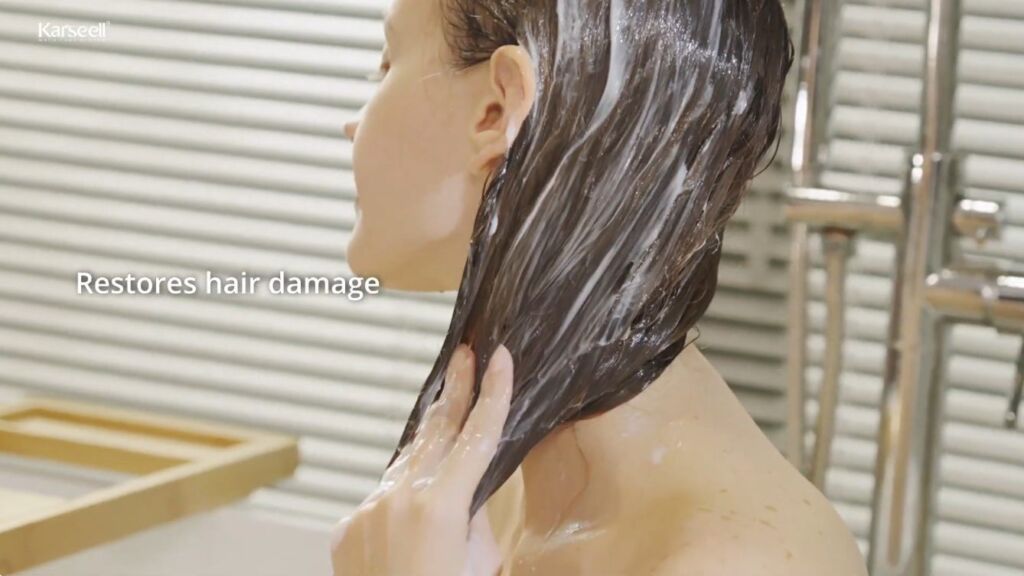
Understanding Your Hair Type
Before you can choose the right mask, you need to understand your hair’s characteristics. Hair type is determined by several factors:
Hair Texture (Fine, Medium, or Coarse)
Fine hair: Individual hair strands are thin in diameter. Fine hair gets greasy faster, is easily weighed down, and shows damage quickly.
Medium hair: The most common texture. Balanced diameter that’s neither fine nor coarse. Generally tolerates a wide range of products.
Coarse hair: Individual strands are thick in diameter. Coarse hair tends to be drier, more resistant to styling, and can feel rough without proper conditioning.
Hair Porosity
As we explored in our complete guide to hair porosity, porosity determines how well your hair absorbs and retains moisture:
- Low porosity hair: Cuticle is tight and sealed. Moisture has difficulty entering. Needs lightweight products and heat to help penetration.
- Normal porosity hair: Balanced absorption and retention. Most products work well.
- High porosity hair: Cuticle is raised and porous. Loses moisture quickly and absorbs product rapidly. Needs heavier products that can seal and retain.
Hair Condition (Chemically Treated, Heat Damaged, Natural)
Your hair’s current condition matters enormously when choosing a mask:
- Color-treated or bleached hair: Needs protein and moisture balance. Often porosity is elevated.
- Heat-damaged hair: Needs protein to fill gaps and moisture to restore flexibility.
- Natural, untreated hair: May need less intensive treatment. Focus on maintaining health.
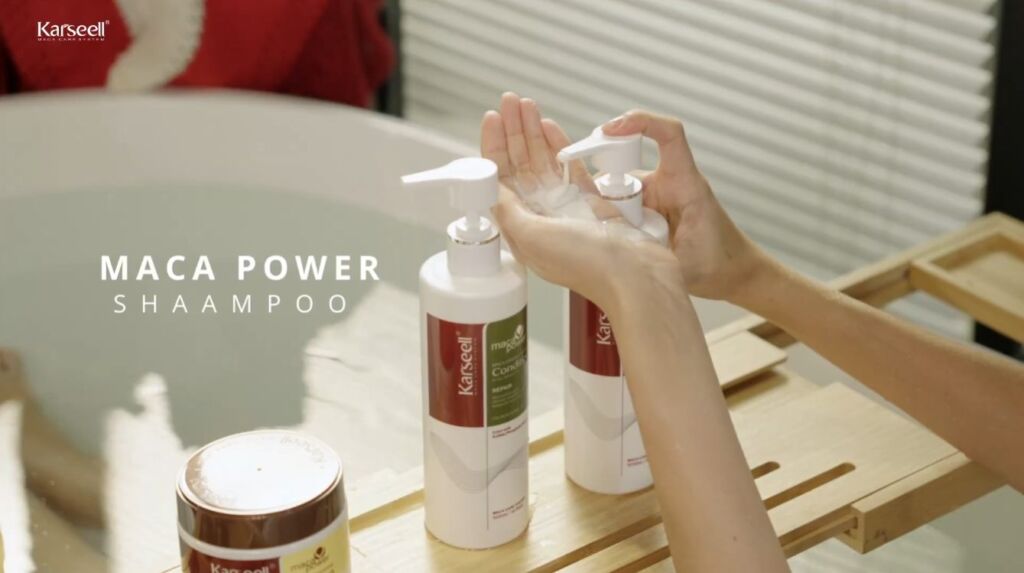
Choosing the Best Hair Mask for Dry Damaged Hair
Dry damaged hair is one of the most common hair concerns and requires a balanced approach. When hair is damaged:
- The cuticle is cracked or missing (allowing moisture to escape)
- The cortex may be weakened (causing breakage)
- Hair loses elasticity and flexibility
The best hair mask for dry damaged hair should include:
1. Protein Ingredients
Damaged hair needs protein to fill in the gaps in the cuticle and cortex. Look for:
- Hydrolyzed keratin
- Hydrolyzed collagen
- Silk protein
- Amino acids
Protein temporarily “glues” damaged areas back together, strengthening the hair shaft.
2. Deep Moisturizing Ingredients
Along with protein, damaged hair needs intense hydration:
- Shea butter or cocoa butter
- Natural oils (argan, coconut, olive)
- Glycerin or honey (humectants)
- Panthenol (vitamin B5)
3. Bond-Building Technology
Newer masks incorporate bond-building ingredients (like the technology in Olaplex) that actually repair broken disulfide bonds in the hair.
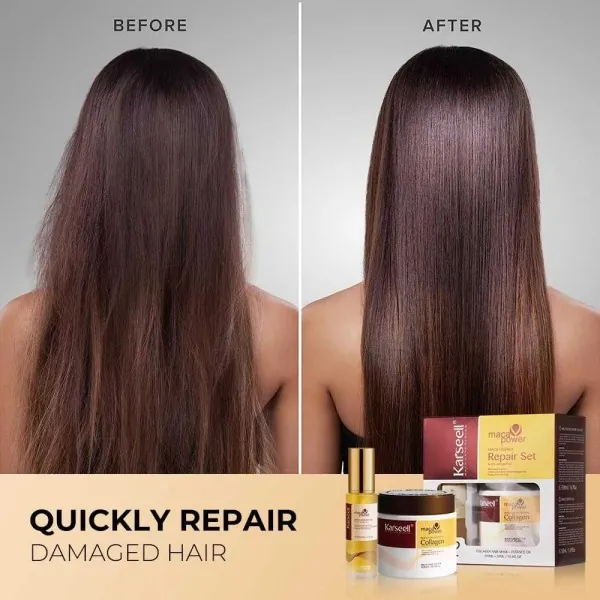
The ideal mask for dry damaged hair combines all three: collagen for protein repair plus argan oil for moisture sealing.

Hair Mask Recommendations by Hair Type
Fine Hair
Fine hair is easily weighed down. Choose lightweight masks:
Look for:
- Water-based or gel textures
- Lightweight proteins (silk protein, amino acids)
- Light oils (jojoba, argan in small amounts)
- Avoid heavy butters and coconut oil
Avoid: Heavy creams, rich butters, too much oil. These will make fine hair limp and flat.
Application tip: Focus mask application on the mid-lengths and ends only. Avoid the scalp and roots.
Thick, Coarse Hair
Thick hair can handle—and often needs—heavier products:
Look for:
- Rich, thick cream textures
- Heavy butters (shea, mango)
- Coconut oil, olive oil
- Intensive protein treatments
- Deep penetration formulas
Avoid: Too-light products that won’t penetrate thick hair. You need serious moisture and repair.
Application tip: Apply generously from roots to tips. Cover with a shower cap and allow extended processing time (30+ minutes or overnight).
Curly and Textured Hair
Curly hair tends to be drier due to difficulty distributing natural oils. It needs:
Look for:
- Rich, emollient formulas
- Curl-defining ingredients
- Heavy moisture (butters, oils)
- Protein for structure
- Humectants for hydration
Avoid: Lightweight, water-only formulas that won’t provide enough slip and moisture for curls.
Color-Treated Hair
Color treatments open the cuticle to deposit color, making hair more porous and vulnerable:
Look for:
- Color-safe formulas (no sulfates, gentle)
- Protein to replace color-stripped proteins
- UV filters to prevent fading
- Deep moisture to combat dryness
- Silicones for shine and smoothing
Special consideration: Wait 48-72 hours after coloring before using a deep mask to allow the color to set.
Oily Hair and Scalp
It may seem counterintuitive, but oily hair still needs conditioning:
Look for:
- Lightweight, water-based masks
- Amino acid or lightweight protein
- Clarifying ingredients (tea tree, salicylic acid)
- Apply ONLY to mid-lengths and ends
Avoid: Heavy oils and butters near the scalp. These will exacerbate oiliness.

Key Ingredients to Look For (and Avoid)
Beneficial Ingredients
- Hydrolyzed proteins: Penetrates hair to repair from within
- Natural oils: Seal moisture and add shine
- Butters: Deep conditioning and protection
- Panthenol (Vitamin B5): Humectant that attracts and retains moisture
- Silicones (non-water-soluble): Coat and smooth cuticle
- Vitamin E: Antioxidant that protects and nourishes
Ingredients to Use Caution With
- Heavy silicones: Can build up on low porosity hair
- Coconut oil: Excellent moisturizer but can be too heavy for some
- Protein overload: Too much protein makes hair stiff—balance with moisture
How to Use a Hair Mask Correctly
Having the best hair mask for dry damaged hair doesn’t help if you don’t use it correctly. Follow these steps for maximum benefit:
Step 1: Shampoo First
Clean hair absorbs treatment better. Don’t skip shampoo—but don’t use a harsh sulfate shampoo either.
Step 2: Apply to Damp Hair
Hair should be wet but not dripping. Excess water dilutes the mask’s effectiveness.
Step 3: Focus on Damage
Apply more product where damage is worst—usually the mid-lengths and ends. Avoid the scalp unless the mask is specifically formulated for scalp care.
Step 4: Add Heat
Covering your hair with a shower cap traps heat, which opens the cuticle and allows deeper penetration. For extra benefit, wrap a warm towel around the cap.
Step 5: Time It Right
Follow the product instructions, but generally 10-30 minutes is optimal. Leaving a mask on “overnight” is usually not necessary and can cause over-conditioning in some cases.
Step 6: Rinse Cool
Cool water rinses help seal the cuticle and lock in the treatment’s benefits.
How Often Should You Use a Hair Mask?
This depends on your hair’s needs:
- Dry, damaged, or high porosity hair: 1-2 times per week
- Normal hair: Once every 1-2 weeks
- Fine or low porosity hair: Once every 2-4 weeks (or as needed)
- Color-treated hair: Weekly to bi-weekly
Over-using masks—especially heavy ones—can lead to buildup, limp hair, and reduced effectiveness. Start with the recommended frequency and adjust based on results.
Frequently Asked Questions
Can I use a hair mask instead of conditioner?
No, hair masks and conditioners serve different purposes. Conditioner is designed for daily or regular use to provide light conditioning and detangling. Hair masks are intensive treatments meant for periodic deep care. Use both: conditioner after every wash, and a more intensive mask 1-2 times per week (or as needed) for deep treatment.
How do I know if my hair mask is too heavy for my hair type?
If your hair feels limp, heavy, or greasy after using a mask, or if it won’t hold any style, the mask may be too heavy. Fine hair and low porosity hair are most susceptible to heaviness from masks. Switch to a lighter formula or use less product, focusing only on the mid-lengths and ends.
Should I use a protein mask or a moisture mask?
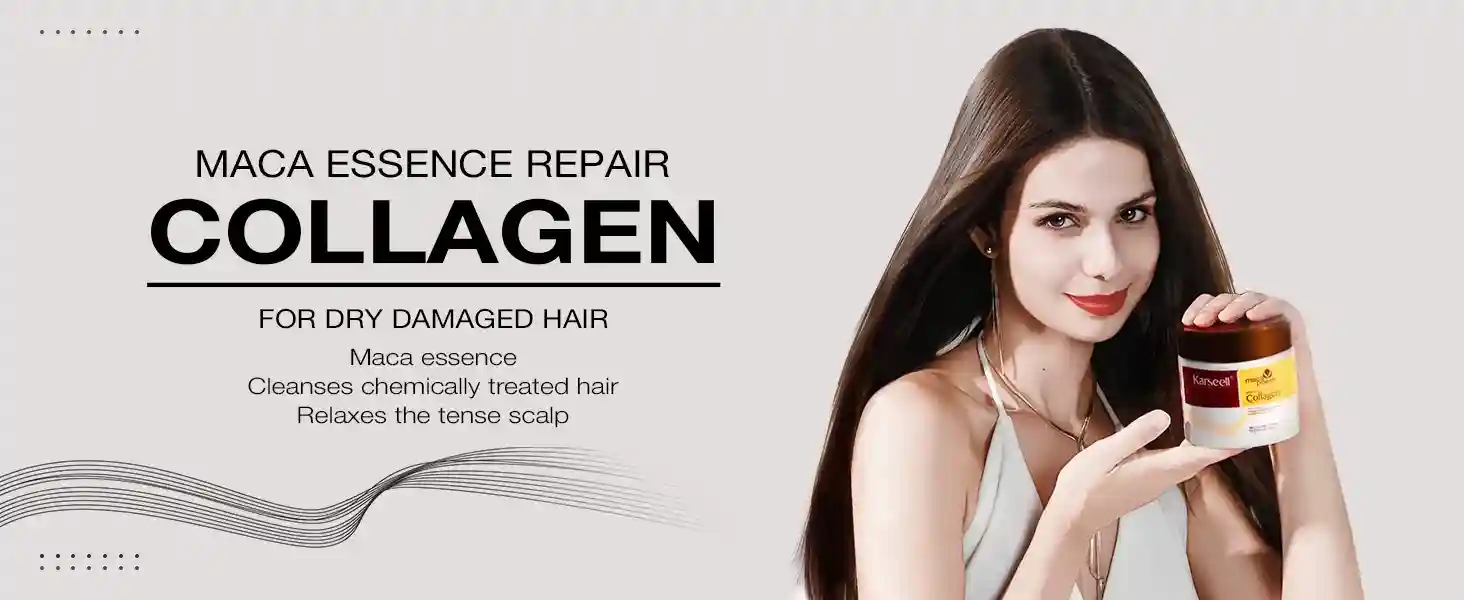
This depends on your hair’s condition. If your hair is stretchy, gummy, or won’t hold styles, you likely need protein. If your hair is dry, brittle, stiff, or frizzy, you likely need moisture. Many damaged hair types need both—which is why masks that combine collagen protein with argan oil moisture are so popular.
Can I leave a hair mask on too long?
Yes. Leaving a mask on longer than recommended (or using it too frequently) can lead to over-conditioning, where hair becomes limp, overly soft, and loses its structure. Some people with fine hair may also experience “mask head” where the hair becomes impossibly flat and greasy. Always follow product instructions and adjust frequency as needed.
What’s the difference between a mask and a deep conditioner?
In practice, “hair mask” and “deep conditioner” are often used interchangeably. Generally, masks tend to be more intensive and targeted (for specific concerns like damage repair or color protection), while deep conditioners are more general hydration treatments. For severely damaged hair, look for masks labeled specifically for repair or reconstruction.
Your Perfect Hair Mask Awaits
Now you know exactly how to choose hair mask for your unique hair type, porosity, and concerns. The key is matching the mask’s ingredients and texture to what your specific hair needs—fine hair needs lightweight formulas, thick hair needs rich ones, and damaged hair needs protein plus moisture.
Find your perfect match with our curated collection. For dry damaged hair that needs intensive repair, try our Collagen Deep Repair Hair Mask—formulated with hydrolyzed collagen and argan oil for the perfect protein-moisture balance. For color-treated or highlighted hair, our Karseell Purple Hair Mask delivers tone correction with deep conditioning.
Give your hair the targeted treatment it deserves. Your perfect hair starts with the right mask.
