

The hair mask market in 2026 is more crowded, more innovative, and more confusing than ever. Walk down any beauty aisle or scroll through any e-commerce platform and you will be confronted with hundreds of options claiming to be the best hair mask for your specific needs. Some promise overnight miracles. Others claim to be suitable for all hair types. Most of them make promises that their formulations simply cannot keep.
The truth is, there is no single “best hair mask” that works universally for everyone. The mask that will transform your thick, coily, dry hair might leave your fine-haired friend’s strands flat and greasy. The protein-rich treatment that rescues your bleached and brittle hair might push your already protein-sensitive hair into overload and snap city. Choosing the right hair mask is not about finding the most expensive or most popular option — it is about understanding your hair’s unique needs and matching them with a formulation designed to address those specific concerns.
In this comprehensive 2026 guide, we are going to break down exactly how to choose the best hair mask for every hair type, explain what ingredients to look for, what to avoid, and how to incorporate your mask into a comprehensive hair care routine that delivers real, lasting results.
Understanding Hair Mask Formulations and Their Key Ingredients
Before we dive into specific hair types, it is essential to understand what separates a mediocre hair mask from an exceptional one. The best hair masks for dry hair, for example, will have very different ingredient profiles from the best masks for color-treated or highlighted hair. Understanding these differences is the foundation of smart product selection.
Most effective hair masks contain some combination of the following key ingredient categories:
Humectants: These water-attracting ingredients draw moisture into the hair shaft. Common humectants include glycerin, hyaluronic acid, honey, and panthenol (pro-vitamin B5). These are essential for any mask targeting dry or dehydrated hair. They work by pulling water from the environment (in humid conditions) or from deeper layers of the hair shaft (in dry conditions) and holding it within the cortex.
Emollients: These ingredients smooth and soften the hair by filling in gaps between cuticle cells. Natural oils like argan oil, coconut oil, and jojoba oil are excellent emollients. Argan oil is particularly effective because its fatty acid composition closely mimics the natural lipids found in healthy hair, allowing it to penetrate and nourish without leaving a heavy residue.
Proteins: These ingredients repair and strengthen the hair shaft by replenishing lost keratin. Hydrolyzed keratin, collagen, silk proteins, and amino acids are common protein sources. Protein is essential for damaged, chemically treated, or heat-styled hair, but must be used with caution to avoid protein overload.
Occlusives: These ingredients create a protective barrier over the hair cuticle that seals in moisture and prevents water loss. Behentrimonium chloride, silicones (cyclomethicone, dimethicone), and certain waxes are effective occlusives. They work by coating the cuticle with a thin, hydrophobic layer that traps moisture inside the hair shaft.
The Best Hair Mask for Fine or Thin Hair
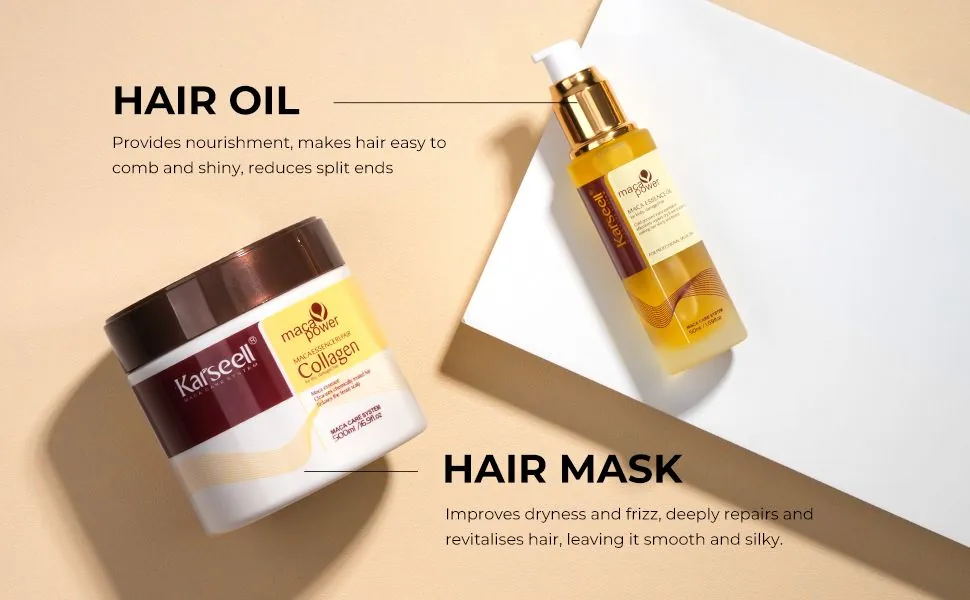
Fine hair presents a unique challenge for hair masks: it needs moisture and nourishment but is easily overwhelmed by heavy products. The best hair masks for fine hair are lightweight formulas that deliver intense hydration without weighing hair down or causing the flat, greasy look that no one wants.
What to look for: Water-based masks with hyaluronic acid, lightweight silicones, and panthenol. Avoid heavy butters (shea, mango), coconut oil as a primary ingredient, and high-concentration protein formulas unless your fine hair is also bleached or severely damaged. Look for products specifically marketed as “lightweight” or “for fine hair.”
Application technique: Apply from mid-lengths to ends only. Never apply a heavy mask to the roots of fine hair. Focus on the areas that are driest and most damaged — usually the bottom third of your hair. Leave on for the minimum recommended time rather than extending it.

The Best Hair Mask for Thick, Dry, or Coarse Hair
Thick and coarse hair can handle — and often requires — more intensive formulations than fine hair. These hair types typically have high porosity and struggle to retain moisture, making them ideal candidates for richer, more emollient mask formulas that provide deep penetration and long-lasting hydration.
What to look for: Rich creams with shea butter, mango butter, or avocado oil as primary emollients. Products containing collagen and argan oil combinations are particularly effective for thick hair because the argan oil provides deep nourishment while the collagen reinforces the internal structure. Products with honey or glycerin as humectants are excellent for attracting and retaining moisture in coarse hair.
Application technique: Generous application is your friend. Coat your hair thoroughly from root to tip, paying special attention to the ends. For maximum benefit, apply to dry hair before shampooing as a pre-treatment, or apply to very damp hair after shampooing and wrap in a warm towel for 20-30 minutes. The heat opens the cuticle and allows deeper penetration of the active ingredients.
The Best Hair Mask for Curly or Textured Hair
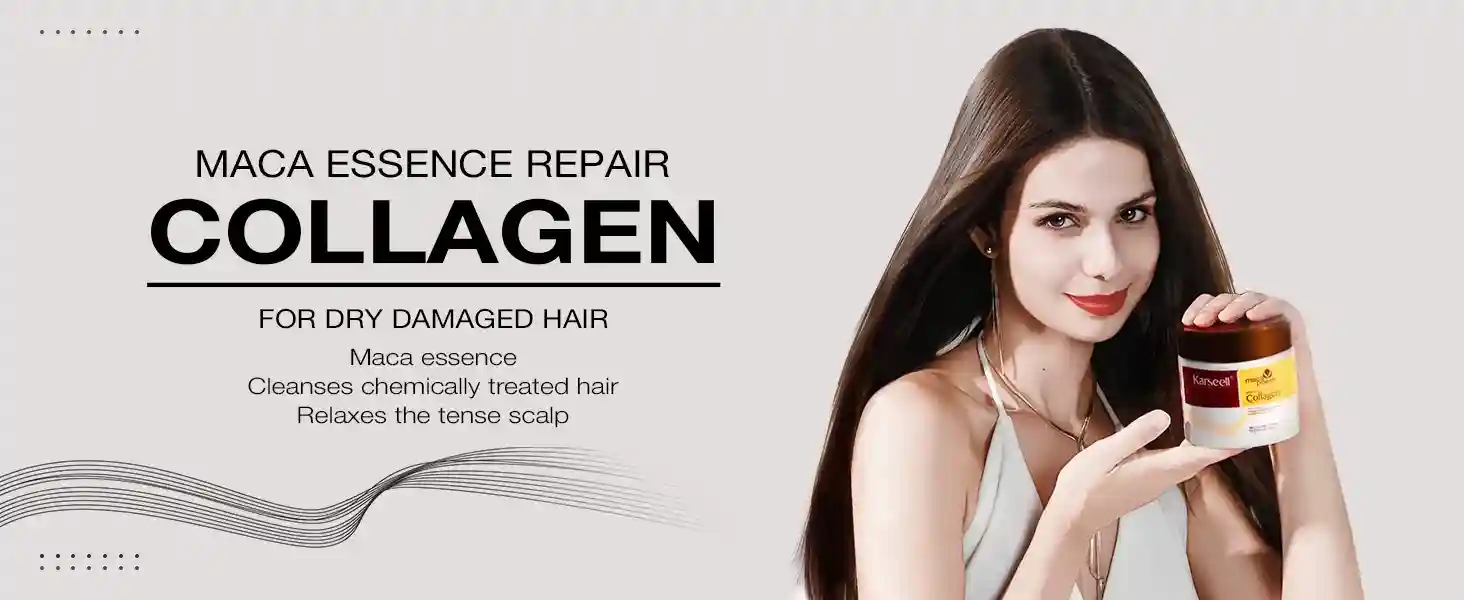
Curly hair has unique structural characteristics that make it both more prone to dryness and more challenging to moisturize effectively. The zigzag pattern of curly hair means that natural oils from the scalp have a much longer path to travel to reach the ends, leaving the mid-lengths and ends chronically under-conditioned. The LOC method (Liquid, Oil, Cream) is particularly popular among curly-haired individuals, and a rich cream-based mask forms the perfect “cream” component.
What to look for: Thick, buttery formulas with natural oils, shea butter, and glycerin. Avoid masks that contain alcohols (except fatty alcohols, which are nourishing), as these can be drying. Products with slip-enhancing ingredients like behentrimonium chloride are excellent for curly hair because they make the hair easier to detangle, reducing mechanical breakage during styling.
Application technique: Curly hair benefits from longer application times and regular use. Apply your mask to sections of detangled hair, ensuring even coverage. Use a wide-tooth comb to distribute the product. Cover with a shower cap and allow 20-30 minutes for maximum absorption. Consider using a heating cap or hooded dryer for even better results.
The Best Hair Mask for Color-Treated or Chemically Processed Hair
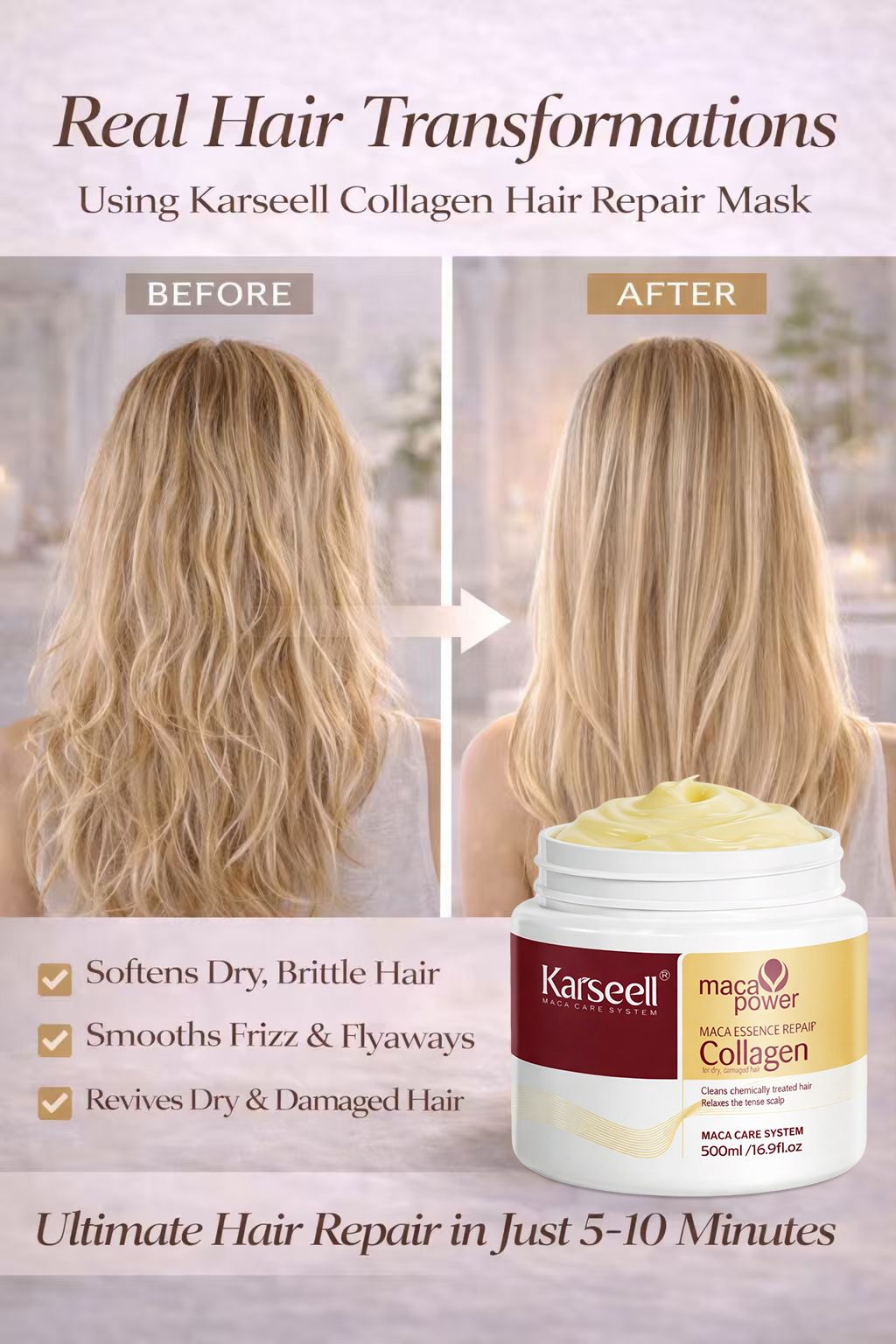
Color-treated, bleached, permed, or relaxed hair has been chemically altered in ways that fundamentally change its structure and its needs. The bleaching process, in particular, raises the hair cuticle and damages the cortex, making color-treated hair more porous, more fragile, and more prone to dryness than untreated hair.
What to look for: Sulfate-free formulas that will not strip color. Products with bond-building ingredients that can actually repair some of the damage to the hair’s internal structure are particularly valuable. Purple-tinted masks for blonde and silver hair that neutralize unwanted warm tones while conditioning. For red or brown color-treated hair, color-depositing masks can help maintain vibrancy between salon visits.
Application technique: Color-treated hair benefits from regular deep conditioning — at least once per week, and twice per week for heavily processed hair. Always apply to clean, damp hair for best absorption. Follow every conditioning treatment with a cool or cold water rinse, as cold water helps seal the cuticle and lock in both moisture and color pigment.

The Best Hair Mask for Damaged or Heat-Styled Hair
Hair that is regularly exposed to high temperatures from flat irons, curling wands, or blow dryers develops a specific type of damage that requires targeted treatment. Heat damage compromises the internal structure of the hair shaft, making it weaker, less elastic, and more prone to breakage.
What to look for: Protein-rich formulas that can replenish some of the structural components lost through heat damage. Collagen and argan oil masks are excellent for heat-damaged hair because they address both the structural protein deficit (collagen) and the moisture/softness needs (argan oil) simultaneously. Products containing keratin, amino acids, or silk proteins are also beneficial.
Application technique: Apply heat-damaged hair masks 1-2 times per week, alternating between protein-focused and moisture-focused products to maintain balance. For best results, apply to damp hair and use gentle heat (warm towel or heating cap) to enhance penetration of the active ingredients into the compromised cortex.
Frequently Asked Questions About Choosing the Right Hair Mask
How do I know if my hair mask has too much protein?
Protein overload manifests as hair that feels stiff, wiry, or straw-like after using a mask. It may feel dry despite being moisturized, and it will snap or break rather than stretch when pulled while wet. If you experience these symptoms, switch to a purely moisturizing mask and skip the protein for several weeks. A simple home test: if your hair stretches slightly when pulled and returns to its original length, your protein balance is likely fine. If it snaps without stretching, you likely need more moisture. If it stretches and does not return (like over-stretched taffy), you may have moisture overload.
Can I use different hair masks for different parts of my hair?
Absolutely, and this is an advanced technique that many professionals use. Your ends — the oldest and most damaged part of your hair — may need a richer, more intensive treatment than your mid-lengths. You can absolutely apply a different mask to different sections, focusing the most intensive product on the areas that need it most. This is particularly useful if you have color-treated lengths with natural roots, or if you have combination hair that is oily at the scalp and dry at the ends.
Should I use a hair mask instead of conditioner?
No — hair masks and conditioners are complementary products, not substitutes for each other. Regular conditioner should be used after every wash to provide consistent, lightweight moisture and to smooth the cuticle. Hair masks are intensive treatments designed for periodic use (typically once per week) to address more significant damage or dehydration that daily conditioner cannot fully manage. Think of conditioner as your daily multivitamin and hair mask as your periodic visit to a specialist.
What is the difference between a deep conditioner and a hair mask?
In practical terms, the terms are often used interchangeably, and there is no industry standard that distinguishes them. However, in general usage, “deep conditioner” typically implies a formula that focuses primarily on moisture and conditioning, while “hair mask” implies a more intensive treatment that may contain higher concentrations of active ingredients, including proteins, and is designed to address more significant hair damage. Both are left on longer than regular conditioner, and both are used less frequently.
How do I choose between a cream, butter, or gel hair mask?
The texture you choose depends on your hair’s needs. Cream-based masks are versatile and work for most hair types. Butter-based masks are richer and better for thick, coarse, or very dry hair. Gel-based masks are lighter and more suitable for fine hair or those with protein sensitivity. Ultimately, the best approach is to try different textures and observe how your hair responds — texture preference is personal, and your hair’s feedback is the most reliable guide.
Conclusion
Choosing the best hair mask for your specific hair type is one of the most impactful decisions you can make in your hair care journey. It is not about finding the most expensive product or the one with the most celebrity endorsements — it is about understanding what your hair actually needs and choosing a formulation that delivers those specific benefits without unnecessary extras.
The right hair mask, used consistently once per week, can be transformative. It can take hair from dry and brittle to soft and manageable. It can reduce breakage by up to 75%. It can extend the time between salon visits by maintaining color vibrancy and hair health. It can turn a frustrating hair care routine into one that is genuinely enjoyable.
Invest the time to understand your hair’s unique needs. Start with the guidelines in this article, but be willing to experiment and adjust based on what your hair tells you. Hair care is not a one-size-fits-all endeavor — it is an ongoing conversation between you and your hair. Listen carefully, respond thoughtfully, and watch your hair transform.
