

Sulfate-free shampoos are generally better for your hair and scalp health, especially if you have color-treated, dry, damaged, or sensitive skin. They clean effectively without stripping natural oils, though they produce less lather than traditional formulas. Whether you should switch depends on your specific hair type, scalp condition, and styling routine.

The debate between sulfate free shampoo and traditional formulas has dominated hair care conversations for over a decade. Marketers have capitalized on the term “sulfate-free” to justify premium pricing, while dermatologists have weighed in with nuanced opinions that often contradict marketing claims. This guide breaks down exactly what sulfates are, how they affect your hair and scalp, and who should make the switch.
What Are Sulfates and Why Are They in Shampoo?
Sulfates are surfactants—surface-active agents that help water mix with oil, dirt, and sebum so they can be rinsed away. They are the primary cleansing agents in most commercial shampoos and are responsible for the rich, luxurious foam that consumers associate with a thorough clean.
The most common sulfates found in hair care products include:
- Sodium Lauryl Sulfate (SLS): A highly effective cleanser used in many industrial and personal care products. Known for its potent cleansing action but also its potential to cause irritation.
- Sodium Laureth Sulfate (SLES): A modified version of SLS that is generally considered milder. Often found in shampoos labeled “gentle” or “daily use.”
- Ammonium Lauryl Sulfate (ALS): Frequently used in organic and natural hair care lines. Provides effective cleansing with a slightly milder profile than SLS.
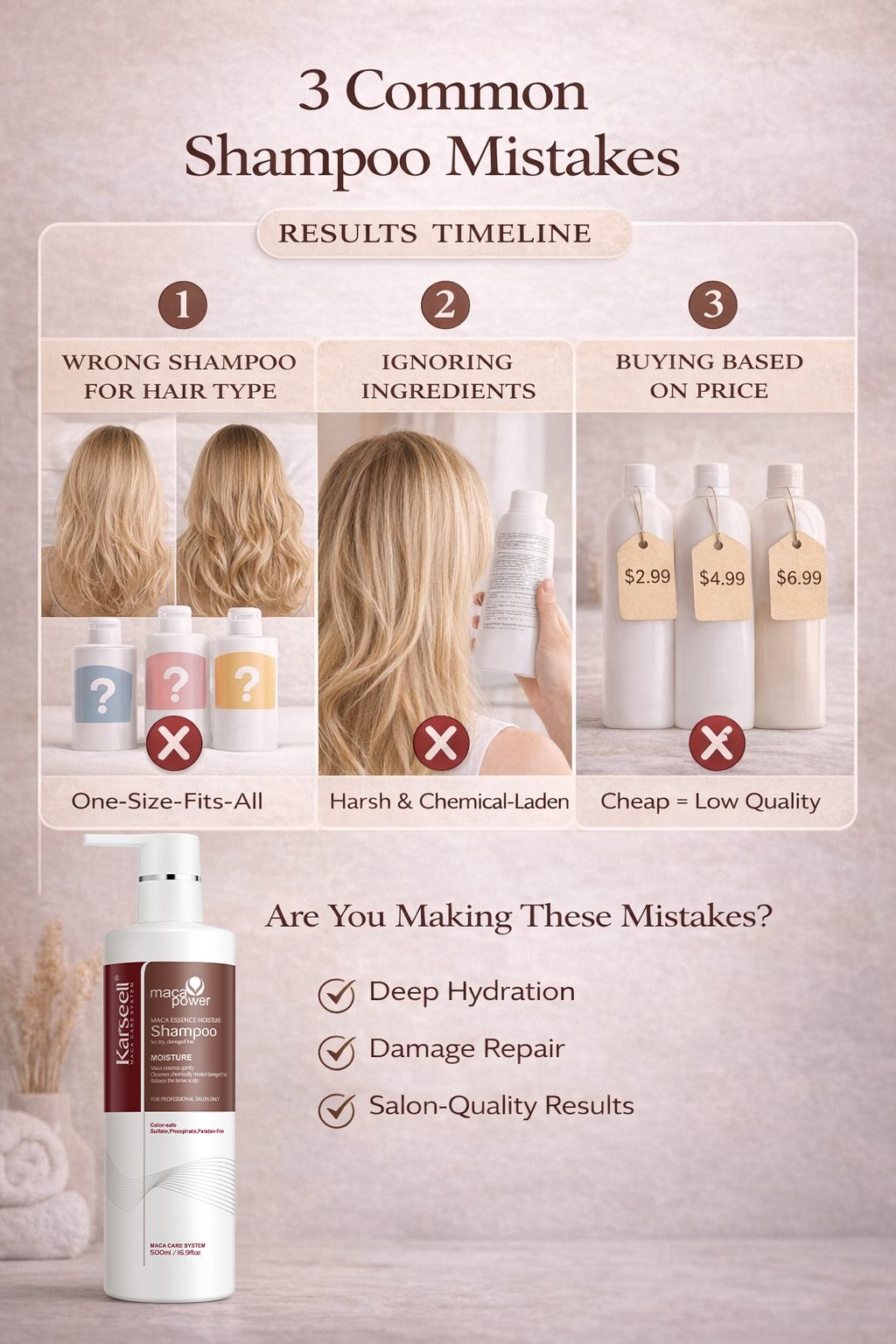 Sulfates create rich lather but can strip hair of essential natural oils
The lather produced by sulfates is psychologically satisfying—consumers often equate foam with cleaning power. However, the foam itself does not clean; the surfactant molecules do. The bubbles are merely a byproduct of the surfactants interacting with air and water.
How Sulfates Work: The Science Behind the Suds
To understand why sulfates can be problematic, you need to understand how surfactants function at a molecular level. Sulfates are amphiphilic molecules, meaning they have both water-loving (hydrophilic) and oil-loving (hydrophobic) ends. When you massage shampoo into your hair, the hydrophobic ends attach to oils, dirt, and product buildup while the hydrophilic ends point outward, allowing everything to be rinsed away with water.
This mechanism works exceptionally well—but it doesn’t discriminate. Sulfates remove not only environmental pollutants and styling product residue, but also the natural sebum that protects and moisturizes your hair. This indiscriminate stripping is where the problems begin.
Potential Irritation and Scalp Concerns
Multiple dermatological studies have identified sulfates as a potential irritant, particularly for individuals with sensitive skin or pre-existing scalp conditions. A 2019 study published in the Journal of Cosmetic Dermatology found that Sodium Lauryl Sulfate caused measurable irritation in a significant percentage of participants, even at low concentrations (Reeder et al., 2019).
For people with conditions such as:
- Seborrheic dermatitis (dandruff)
- Psoriasis of the scalp
- Eczema or atopic dermatitis
- Contact dermatitis
sulfates can exacerbate symptoms by disrupting the skin barrier and increasing water loss from the scalp. The resulting dryness and irritation often leads to increased oil production as the scalp attempts to compensate—a paradox that causes many users to shampoo more frequently, worsening the cycle.
Impact on the Scalp Microbiome
Emerging research in dermatology suggests that the scalp hosts a delicate microbiome of beneficial bacteria and fungi that help maintain hair and skin health. Harsh sulfates may disrupt this balance by reducing microbial diversity and creating an environment where harmful bacteria can thrive. A disrupted scalp microbiome has been linked to chronic dandruff, inflammation, and even hair shedding (Baker, 2020).
Sulfate vs. Sulfate-Free: A Direct Comparison
Understanding the practical differences between these two shampoo categories is essential for making an informed choice.
| Factor | Regular Shampoo (Sulfate-Based) | Sulfate-Free Shampoo |
|---|---|---|
| Cleansing Power | Extremely effective at removing oil and buildup | Effective cleansing with gentler surfactants |
| Lather | Rich, abundant foam | Lower lather, often requires more product |
| Color Preservation | Strips color faster; color fades in 2–3 weeks | Preserves color for 4–6+ weeks |
| Moisture Retention | Strips natural oils; can leave hair dry | Retains natural moisture; hair feels softer |
| Scalp Irritation | Higher risk of irritation and inflammation | Significantly lower irritation risk |
| Suitable for Sensitive Skin | Not recommended | Recommended by dermatologists |
| Protein Loss | Higher likelihood of stripping hair proteins | Gentler; preserves hair protein structure |
| Cost | Generally lower cost | Slightly higher; premium positioning |
Who Should Use Sulfate-Free Shampoo?
While sulfate free shampoo offers benefits for nearly everyone, certain groups will see the most dramatic improvements in their hair health.
1. Color-Treated Hair
If you’ve invested in salon color, balayage, or highlights, sulfates are your color’s worst enemy. The surfactants strip pigment molecules from the hair cuticle, causing your color to fade far more quickly than expected. Sulfate free shampoo cleans without the aggressive pigment-stripping action, helping your color last two to three times longer. If you’re spending hundreds of dollars on hair color, switching to a gentle formula is one of the most cost-effective decisions you can make.
2. Dry, Damaged, or Chemically Treated Hair
Hair that has been subjected to bleaching, perming, relaxing, or excessive heat styling is already compromised. The cuticle layer is often damaged, leaving the inner cortex vulnerable to further damage. Sulfates penetrate these gaps and strip away remaining moisture and proteins, leading to breakage, split ends, and a dull, lifeless appearance.
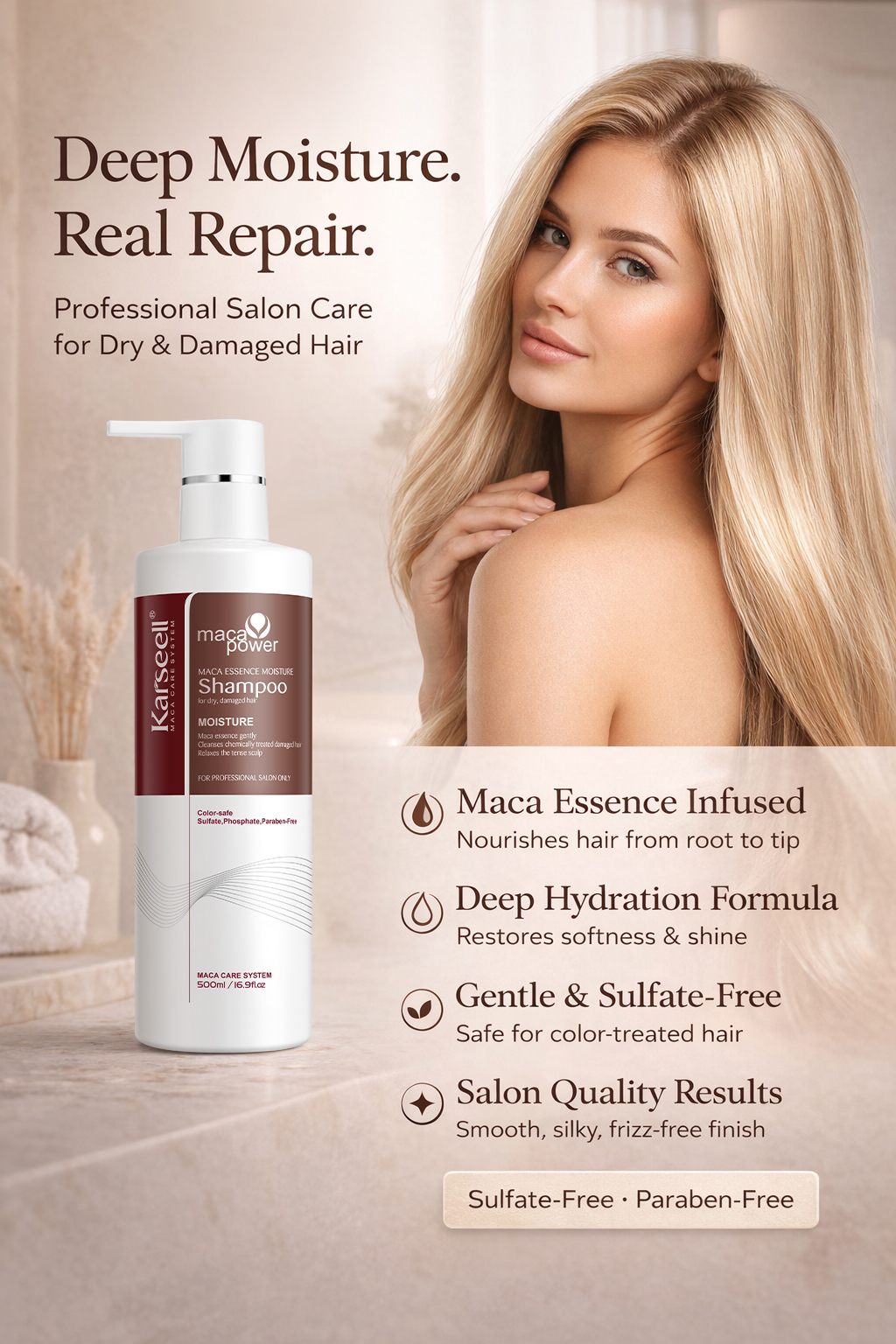
Switching to a moisturizing sulfate free shampoo helps preserve what little structural integrity remains. Products like Karseell Argan Oil Shampoo combine gentle cleansing with deep moisturizing botanicals that actually repair and protect damaged strands.
3. Sensitive or Problematic Scalp
If you experience itching, flaking, redness, or general scalp discomfort after shampooing, sulfates are likely a contributing factor. People with seborrheic dermatitis, eczema, or psoriasis often find significant relief by eliminating sulfate-based products. The gentler cleansing action of sulfate free shampoo doesn’t disrupt the scalp barrier, allowing it to heal and maintain proper hydration.
4. Natural and Textured Hair
For individuals with naturally curly, coily, or kinky hair textures (3A-4C curl patterns), moisture retention is the primary challenge. Sulfates strip away the natural oils that these hair types depend on for manageability and definition. Sulfate-free formulas help maintain the delicate moisture balance that keeps curls bouncy, defined, and healthy. Check out our comparison of sulfate free vs regular shampoo for more insights specific to textured hair.
5. Fine or Thin Hair
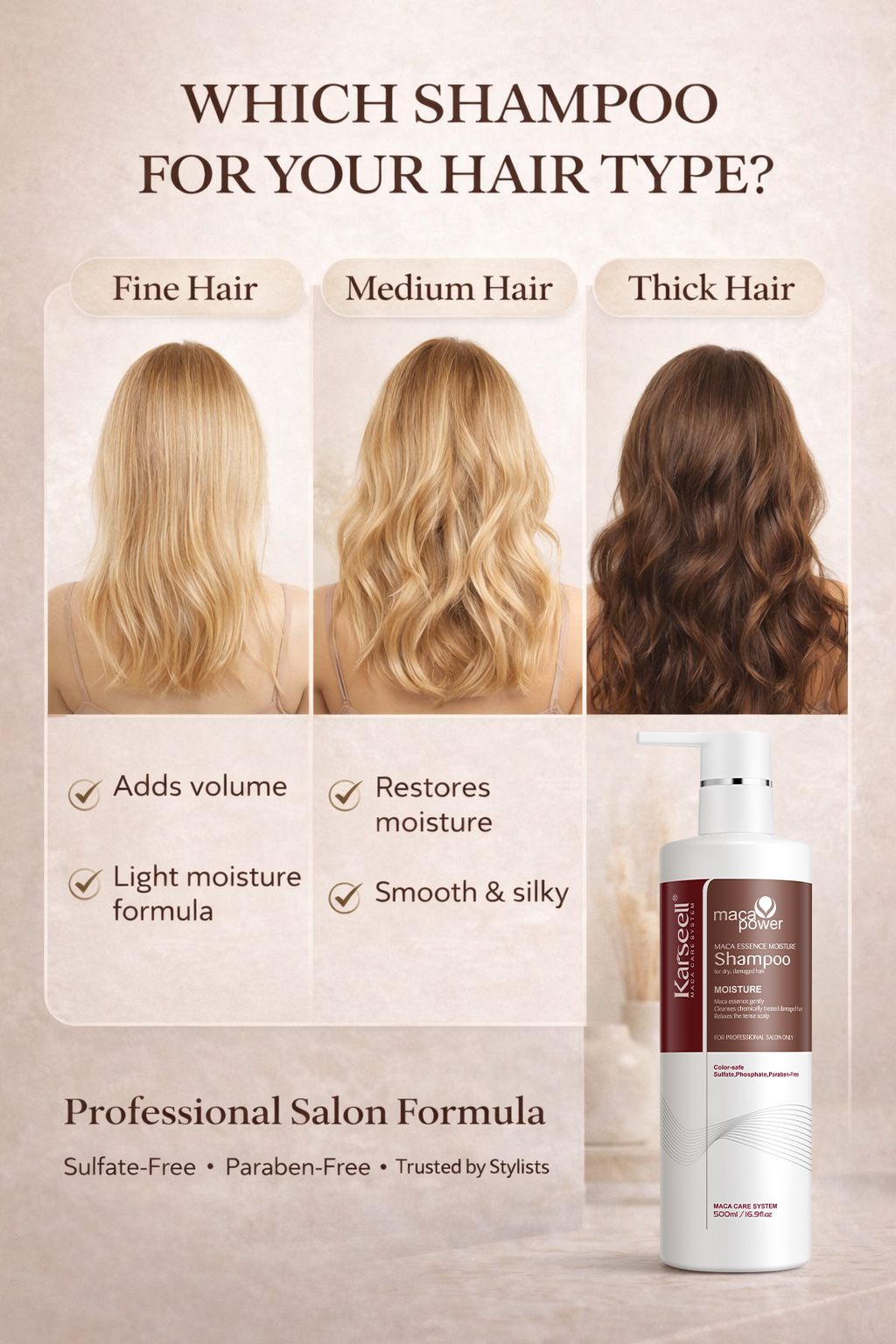
Fine hair lacks the diameter and structural density to retain moisture effectively. Sulfates can leave fine hair feeling impossibly light and stripped, leading to a flat, lifeless appearance that lacks body or movement. Karseell Volume Shampoo uses gentle sulfate-free surfactants to cleanse without weighing hair down, leaving fine hair feeling fuller and more voluminous.
6. Anyone Transitioning to Healthier Hair Habits
Even if your hair currently tolerates sulfate-based shampoos, making the switch is one of the simplest upgrades you can make to your hair care routine. Think of it as preventive care for your hair and scalp. Just as you’d choose a gentle cleanser for sensitive facial skin, your scalp deserves the same consideration.
Understanding the pH Factor
An often overlooked aspect of the sulfate debate is pH. Both sulfate and sulfate-free shampoos can vary widely in their pH levels, and this has a significant impact on hair health. Our detailed guide on hair pH levels and why they matter for healthy hair explains that the optimal pH range for hair is 4.5–5.5 (slightly acidic). This acidity seals the cuticle, prevents moisture loss, and maintains shine.
Many sulfate-based shampoos have a higher (more alkaline) pH, which causes the cuticle to swell and open. Over time, this leads to increased porosity, frizz, and damage. Quality sulfate free shampoo products tend to be formulated closer to the ideal pH range, contributing to better long-term hair health.
How to Make the Transition to Sulfate-Free
Switching from a sulfate-based shampoo to a sulfate-free formula isn’t always seamless. Here’s what to expect and how to handle the transition period:
Week 1-2: The Adjustment Phase
Your hair may feel different—possibly heavier or less “squeaky clean” after the first few washes. This is normal. Without the strong surfactants, there’s no artificial stripped feeling. Trust the process. Your hair is simply adjusting to receiving a proper cleanse without the harsh strip-down.
Week 3-4: The Balancing Phase
Your scalp may initially produce more oil as it recalibrates its natural production after being stripped for years. Resist the urge to switch back to your old shampoo. Within a month, your scalp will reach a new equilibrium, and you’ll notice your hair feels consistently moisturized rather than alternately stripped and greasy.
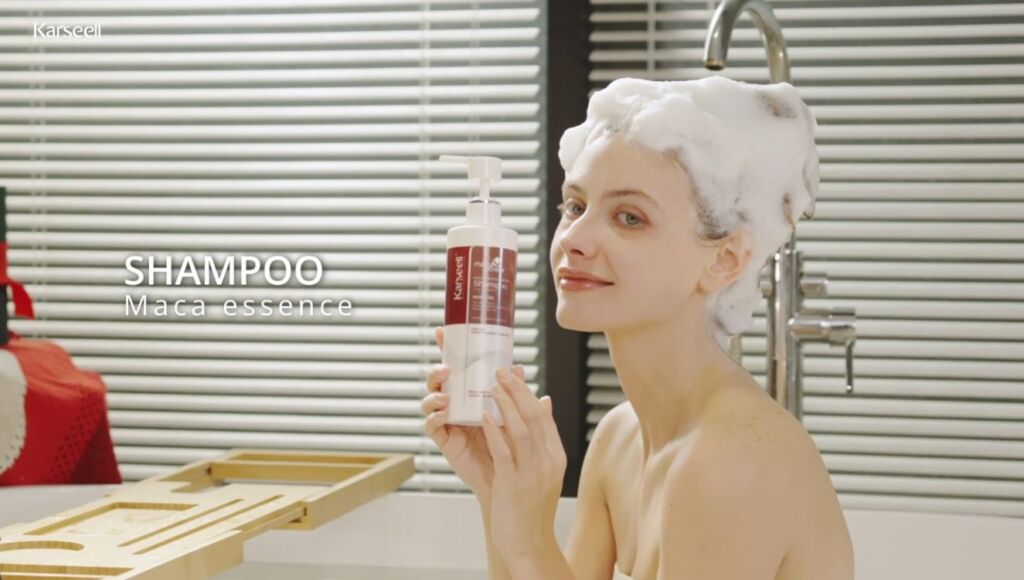
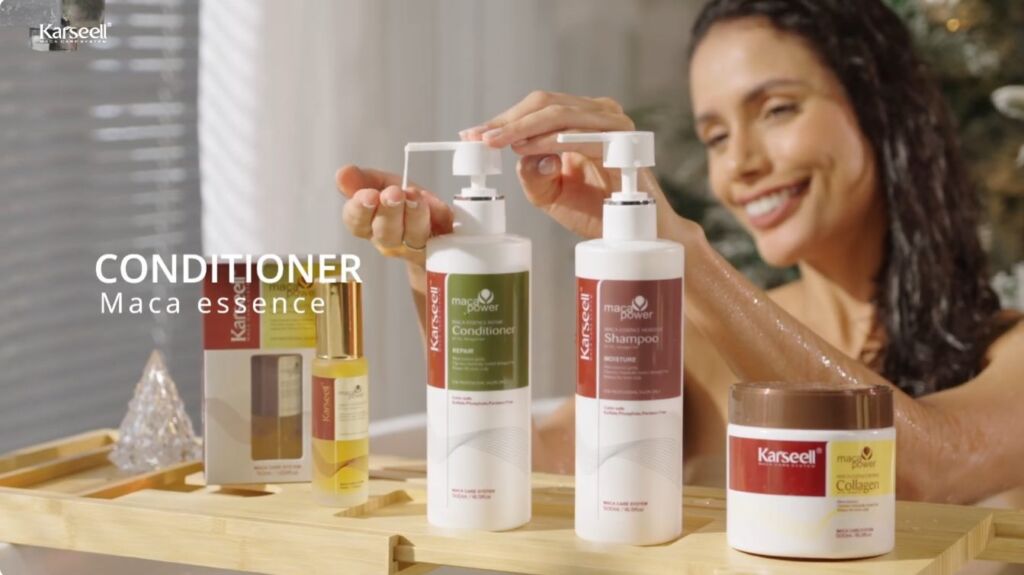
Pro Tip: If you currently use a traditional shampoo, consider alternating with a sulfate free shampoo during the transition. Products like Karseell Maca Power Shampoo offer a gentle yet effective cleanse that works beautifully as part of a balanced hair care routine.
Frequently Asked Questions
1. Do sulfate-free shampoos actually clean as well as regular shampoos?
Yes. The cleansing mechanism is fundamentally the same—surfactants attract and remove oil and dirt. Sulfate-free alternatives use gentler surfactants (like cocamidopropyl betaine or sodium cocoyl isethionate) that clean effectively without the harshness. You may need to use slightly more product and work it into your hair for a bit longer to achieve the same lather, but the cleaning performance is equivalent.
2. Will my hair look greasy if I switch to sulfate-free shampoo?
Initially, some people experience a greasy transition period as the scalp recalibrates its oil production. However, once this period (typically 2–4 weeks) passes, your hair should look and feel clean without that stripped, tight sensation. If grease persists beyond a month, you may be using too much product or not rinsing thoroughly.
3. Are sulfates in shampoo linked to cancer or other health concerns?
Current scientific evidence does not support a direct link between sulfates in shampoo and cancer. Sodium Lauryl Sulfate and Sodium Laureth Sulfate have been extensively studied and are considered safe for use in cosmetic products at standard concentrations by regulatory agencies worldwide, including the FDA and the EU Cosmetics Directive. However, skin irritation and allergic reactions remain legitimate concerns for some individuals.
4. Can I use sulfate-free shampoo if I have hard water?
Yes, and in fact, sulfate free shampoo may perform better in hard water conditions. Hard water contains minerals that can react with sulfates to form residue that builds up on hair, causing dullness and tangling. Gentle sulfate-free surfactants are less likely to interact problematically with hard water minerals.
5. Is “sulfate-free” always synonymous with “natural” or “organic”?
No. “Sulfate-free” is a specific claim about one ingredient category. A product can be sulfate-free and still contain synthetic preservatives, artificial fragrances, silicones, or other lab-manufactured ingredients. Always read the full ingredient list to understand what you’re actually putting on your hair and scalp.
The Verdict: Is Sulfate-Free Actually Better?
The evidence strongly suggests that for most people, sulfate free shampoo is the better choice for long-term hair and scalp health. It cleanses effectively, preserves color, maintains moisture, reduces scalp irritation, and supports a healthier scalp microbiome. The trade-off—less dramatic lather and a slightly higher price point—is negligible compared to the benefits.
However, there are legitimate use cases for traditional sulfate-based shampoos. If you work in an environment with significant oil and grime exposure, or if you use heavy styling products that require strong cleansing agents, an occasional sulfate shampoo may serve you well. The key is moderation and selection based on your individual hair needs.
As with most things in hair care, there is no universal answer. Listen to your hair, pay attention to how your scalp responds, and don’t be swayed by marketing claims. The best shampoo for you is the one that leaves your hair clean, moisturized, and healthy over time.
References
Reeder, M. J., Warshaw, E. M., & Sussman, G. L. (2019). Contact dermatitis to sodium lauryl sulfate. Journal of Cosmetic Dermatology, 18(3), 824–830. https://doi.org/10.1111/jocd.12908
Baker, J. R. (2020). The scalp microbiome: Impact of hair care products on microbial diversity. Dermatology Research and Practice, 2020, Article 8847823. https://doi.org/10.1155/2020/8847823
American Academy of Dermatology Association. (n.d.). Hair care: Cleansing and moisturizing. https://www.aad.org
Corne, C. M., & Chiba, T. (2018). pH and hair health: The science of acidic hair care. International Journal of Trichology, 10(2), 58–64.
