




Continue Reading: Expert Guide
Why Your Hair Truly Needs a Dedicated Shampoo and Conditioner Duo
The modern hair care aisle can feel overwhelming, with an almost infinite variety of shampoos, conditioners, serums, masks, and treatments promising to solve every hair woe imaginable. Amidst this abundance, it is easy to overlook the most fundamental truth of effective hair care: a well-matched shampoo and conditioner duo, used consistently, will do more for your hair’s health and appearance than a cabinet full of specialty treatments used sporadically. This is not a marketing claim. It is a scientific fact rooted in how hair actually works and how it responds to consistent, gentle care versus occasional intensive intervention. The most expensive products in the world cannot compensate for a poor foundational routine.
Shampoo’s primary function is cleansing. It removes the accumulation of sebum, the natural oil produced by your scalp, environmental pollutants, sweat, dead skin cells, and product residue that builds up on the hair shaft over time. Without regular cleansing, this buildup would weigh hair down, create an unhealthy environment on the scalp that can lead to itching, flaking, and even hair loss, and prevent any applied treatments from penetrating effectively. However, the very surfactants that give shampoo its cleansing power also have a potentially drying effect. They strip away not just excess sebum and buildup, but also some of the hair’s natural protective lipids and proteins, which can leave the hair feeling dry, rough, and more prone to static and frizz. This dual nature, necessary for cleansing but potentially damaging to hair health, is precisely why shampoo alone is never sufficient for truly healthy hair care.
This is where conditioner enters the picture as the essential complement to shampoo. Conditioner is specifically formulated to counteract the drying effects of shampoo by depositing conditioning agents, emollients, and humectants onto the hair shaft immediately after cleansing. These ingredients smooth the cuticle layer, replenish moisture, reduce static, and create a lubricating layer that makes wet hair easier to detangle without causing mechanical damage from brushing or combing. In short, shampoo cleanses and conditioner restores. Together they form a complete cleansing system that maintains both hair hygiene and hair health simultaneously. Skipping conditioner is like washing your face with soap and never applying moisturizer. It cleanses but it also strips, and without the restorative step, the stripping eventually catches up with you in the form of dryness, irritation, and progressive damage.
What to Look for in a Shampoo and Conditioner for Dry, Frizzy, or Damaged Hair
Not all shampoos and conditioners are created equal, and choosing the right duo for your specific hair type and concerns is one of the most impactful decisions you can make for your hair care routine. For those dealing with dry, frizzy, or damaged hair, a category that encompasses an enormous portion of the population given the prevalence of heat styling, chemical processing, and environmental stressors, there are several key ingredient categories and product characteristics to prioritize above all others.
Avoid Harsh Sulfates:
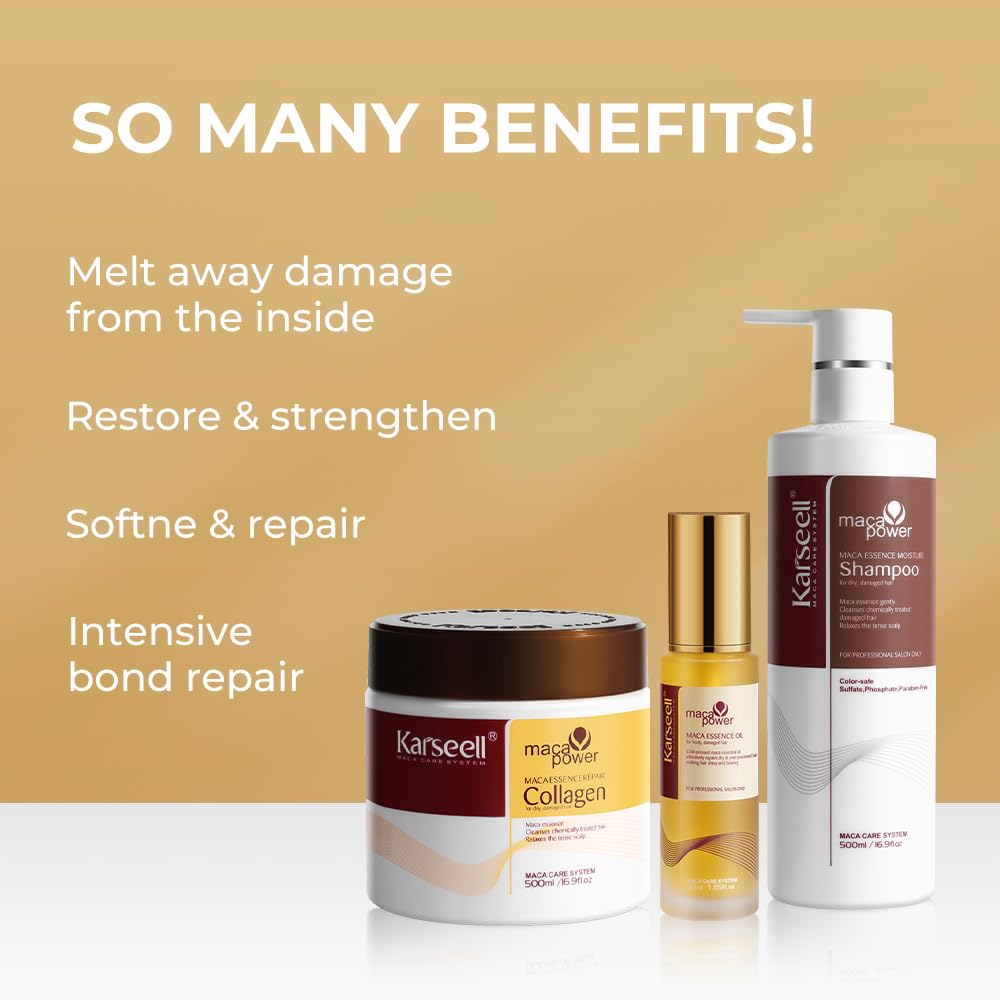
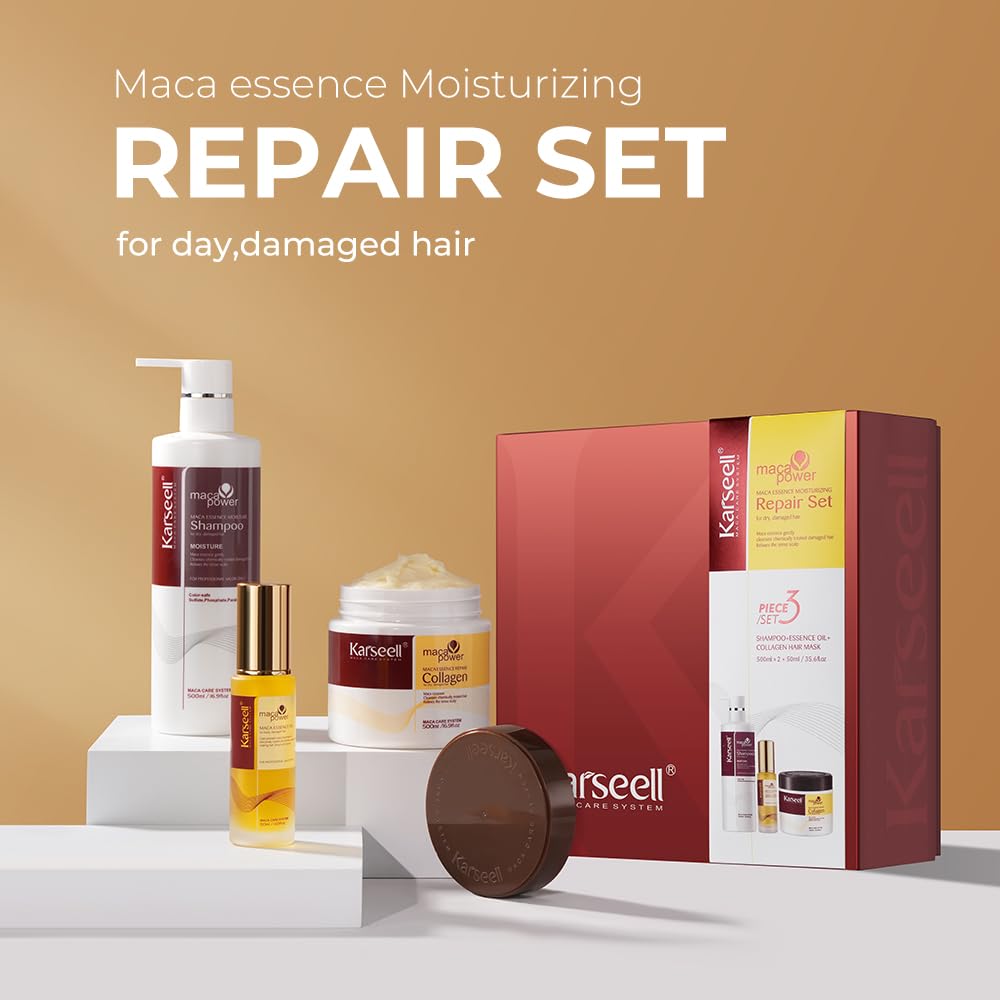
Sodium lauryl sulfate (SLS) and sodium laureth sulfate (SLES) are the most common surfactants used in shampoos because they produce abundant, satisfying lather and are extremely effective at cutting through oil and buildup. However, they are also among the most aggressive cleansing agents available, and they can strip hair of its natural protective oils and proteins to a degree that causes more harm than good, particularly for already dry, damaged, or color-treated hair. Look for shampoos that use gentler alternatives such as cocamidopropyl betaine, decyl glucoside, or sodium cocoyl isethionate, which cleanse effectively without the excessive degreasing action of sulfates. These alternatives produce less dramatic lather, which many consumers associate with inadequate cleansing, but they clean just as thoroughly while preserving the hair’s natural moisture barrier. Karseell’s shampoo formulations exemplify this approach, providing a thorough cleanse that respects the hair’s natural moisture balance rather than stripping it entirely.
Prioritize Hydrating and Moisturizing Ingredients:
In both shampoo and conditioner, look for ingredients that actively add or retain moisture in the hair. Glycerin, a humectant, draws moisture from the air into the hair shaft, making it particularly effective in humid environments. Panthenol vitamin B5 penetrates the hair cuticle and binds water inside the cortex, adding both moisture and body to the hair strand. Natural oils such as argan oil, coconut oil, and Moroccan argan oil provide deep nourishment and help seal the cuticle to prevent moisture loss throughout the day. Ceramides, lipid molecules naturally found in healthy hair, help restore the protective barrier of the cuticle layer in a way that mimics the hair’s own structure. Karseell’s hydrating shampoo and conditioner collections are enriched with precisely these categories of ingredients.
Seek Out Protein for Structural Repair:
Hair is primarily composed of a protein called keratin, and damaged hair lacks sufficient keratin to maintain its structural integrity. Look for conditioners that contain hydrolyzed proteins, such as hydrolyzed keratin, hydrolyzed collagen, or hydrolyzed silk protein, which are broken down into small enough molecular fragments to penetrate the hair shaft and bind with existing keratin structures. These proteins temporarily fill in gaps and cracks in the hair cuticle, reducing breakage and improving the hair’s overall strength and elasticity. The effects of protein conditioning are cumulative. With each application, more of the hair’s protein structure is replenished, leading to progressively stronger hair over time.
Choose Silicone-Free or Soluble Silicone Options:
Silicones such as dimethicone have long been used in conditioners to create an immediate smoothing and shine-enhancing effect by coating the hair shaft. While this can produce pleasing short-term results, heavy silicone buildup can weigh hair down, create a dull, waxy appearance over time, and prevent moisture and active ingredients from penetrating the hair shaft. If you prefer to avoid silicones, look for products that use alternative conditioning agents such as cationic surfactants, natural oils, and butters to achieve smoothness and shine without the buildup risk. Karseell’s carefully curated ingredient lists prioritize naturally derived conditioning agents that deliver the same smoothing benefits without the long-term drawbacks of heavy silicone use.
How Karseell’s Shampoo and Conditioner Work Together as a Complete System
Karseell has approached hair care formulation with the understanding that the shampoo and conditioner are not independent products that happen to be used in sequence. They are two halves of a single, integrated system, and their ingredients must complement each other to achieve optimal results. This systems-thinking approach is evident in every aspect of Karseell’s shampoo and conditioner development, from the carefully balanced surfactant systems in the cleansing formulas to the targeted conditioning actives in the treatment formulas. The result is a product line where the whole is genuinely greater than the sum of its parts.
The shampoo in Karseell’s hydrating system uses a coconut-derived surfactant base that cleanses gently but effectively, removing buildup and preparing the hair shaft for maximum absorption of the conditioner’s active ingredients. By avoiding heavy sulfates and aggressive alkaline pH levels that can raise the cuticle too aggressively, Karseell’s shampoo leaves the hair’s moisture barrier largely intact during cleansing, a critical first step in any hydration-focused routine that many competing brands overlook in favor of dramatic lather and aggressive degreasing.
The matching conditioner then builds on this gentle cleanse with a carefully layered conditioning complex. Humectants draw moisture into the hair shaft, emollients smooth the cuticle surface, and occlusive agents create a protective seal that prevents that moisture from evaporating throughout the day. The result is hair that feels genuinely moisturized from within rather than merely coated on the surface, a difference you can feel from the first use and that compounds over time with consistent application. Karseell’s system is also designed with color-treated and chemically processed hair in mind, free from sulfates, parabens, and other ingredients known to accelerate color fading.
A Simple, Step-by-Step Routine for Maximum Hydration and Frizz Control
Building an effective hair care routine does not need to be complicated. With the right products and a consistent approach, most people can achieve significant improvements in their hair’s moisture levels, smoothness, and overall health within just a few weeks. Here is Karseell’s recommended step-by-step routine, designed specifically for dry, frizzy, or damaged hair that needs serious hydration and repair.
Step 1: Pre-Treatment Once Weekly for Intensive Repair
For severely dry or damaged hair, begin your routine once a week with a pre-shampoo oil treatment. Apply Karseell’s coconut oil or argan oil hair mask to dry or slightly damp hair, focusing on the mid-lengths and ends. Massage gently and leave in for 15 to 30 minutes, or overnight for a more intensive treatment. This pre-treatment creates a protective barrier that reduces the shampoo’s protein-stripping action and allows the conditioning ingredients to work more effectively once you begin washing. The overnight approach is particularly effective for very thick or coarse hair that needs extended penetration time to achieve optimal results.
Step 2: Shampoo with Karseell Hydrating Shampoo
Wet your hair thoroughly with lukewarm water. Apply a small amount of Karseell hydrating shampoo to your palms and work into a gentle lather. Massage the lather into your scalp using your fingertips in circular motions for about 60 seconds. This scalp massage stimulates blood circulation, which supports healthy hair growth, while the gentle lather carries away sebum and buildup from both the scalp and hair shaft. Allow the lather to run through the lengths as you rinse. This is all the shampoo your mid-lengths and ends need, and over-shampooing these areas can strip away moisture and cause dryness.
Step 3: Apply Conditioner from Mid-Length to Ends Only
After rinsing out the shampoo, gently squeeze excess water from your hair. Apply Karseell conditioner generously from approximately ear-level down to the ends. This is where moisture is needed most, as the roots receive natural oil from the scalp throughout the day. For extra conditioning on very dry or coarse hair, comb the conditioner through with a wide-tooth comb to ensure even distribution and to help detangle at the same time. Leave the conditioner in for 2 to 5 minutes while the water and warmth open the cuticle and allow the conditioning ingredients to penetrate effectively.
Step 4: Rinse with Cool Water
Rinse the conditioner out with cool or cold water. This final cool rinse is one of the simplest and most effective steps in any hydration routine, because cooler water causes the hair cuticle to contract and lie flat, sealing in the moisture and conditioning agents from the conditioner and creating a smooth, reflective surface that catches light and adds natural shine. It also helps extend the life of your color treatment if you have color-treated hair, by closing the cuticle before it can release pigment molecules.
Step 5: Leave-In Treatment for All-Day Hydration
While your hair is still damp, apply a leave-in conditioner or serum for ongoing hydration throughout the day. Karseell’s lightweight argan oil serum or hydrating leave-in spray creates an invisible protective layer that locks in moisture, smooths flyaways, and shields hair from heat damage during blow-drying or styling. This step is particularly important for frizzy hair, as it prevents the hair shaft from absorbing atmospheric moisture that causes swelling and frizz formation throughout the day. Use sparingly. A little goes a long way, and too much will weigh hair down.
Frequently Asked Questions About Shampoo and Conditioner for Dry Hair
Q: How often should I wash dry or frizzy hair?
This is one of the most common questions in hair care, and the answer depends on your hair type, lifestyle, and scalp condition rather than a fixed rule that applies universally. For most people with dry or frizzy hair, washing 2 to 3 times per week is sufficient to keep the scalp clean and healthy without over-stripping the hair’s natural oils. However, if you exercise frequently, live in a humid climate, or use a lot of styling products, you may need to wash more often to prevent buildup that can lead to scalp issues. On the other hand, if your hair is very fine or if you have a dry scalp, washing less frequently and using a gentle, moisturizing dry shampoo on non-wash days may be the better approach. The most important principle is to listen to your hair and adjust based on how it looks and feels rather than adhering rigidly to any fixed schedule.
Q: Can I skip conditioner if my hair is oily at the roots?
This is a very common misconception that leads to significant hair damage over time. Having an oily scalp does not mean your mid-lengths and ends are receiving adequate moisture. In fact, it often means the opposite. The natural sebum produced by your scalp travels down the hair shaft, but if your hair is long, thick, or styled in ways that prevent the oil from reaching the ends, the lengths and ends can be very dry even while the roots appear greasy. Skipping conditioner entirely means your mid-lengths and ends receive zero moisturizing treatment, which leads to split ends, breakage, and a rough, frizzy texture that makes hair look and feel unhealthy. The solution is not to skip conditioner but to apply it correctly, starting from the mid-lengths and carefully avoiding the roots and scalp area entirely.
Q: What is the difference between a conditioner and a deep conditioning mask?
While both conditioners and deep conditioning masks serve the fundamental purpose of moisturizing and softening the hair, they differ significantly in intensity, frequency of use, and the depth of treatment they provide. Regular conditioner is designed for daily or every-wash use. It provides surface-level smoothing, instant detangling, and moderate moisturization that lasts until your next wash. Deep conditioning masks, such as Karseell’s collagen hair mask or coconut oil treatment, are formulated with higher concentrations of active ingredients and are designed for periodic, intensive use, typically once or twice per week. Masks penetrate more deeply into the hair shaft, delivering a more substantial repair and hydration treatment that creates lasting improvements in hair health over time. Think of conditioner as your daily nutrition and a deep mask as your weekly spa treatment. Both are essential, but they serve different and complementary purposes.
Q: Are sulfate-free shampoos as effective at cleansing as sulfate-containing shampoos?
Sulfate-free shampoos have come a long way in recent years, and the best formulations are now almost as effective at cleansing as their sulfate-containing counterparts while being significantly gentler on the hair and scalp. Many sulfate-free shampoos on the market were initially poorly formulated, producing minimal lather and feeling ineffective, which led to widespread skepticism about their cleansing power. Karseell’s hydrating shampoo demonstrates that sulfate-free formulas can deliver a rich, satisfying lather and thorough cleansing without any of the drying or color-fading effects of sulfates. If you are transitioning from a sulfate shampoo to a sulfate-free one, you may notice that your hair feels different after the first few washes. This is normal as your hair and scalp adjust to the new surfactant system, and any initial difference typically resolves within 1 to 2 weeks of consistent use.
Q: How long does it take to see results from switching to a better shampoo and conditioner?
The good news about switching to a high-quality shampoo and conditioner like Karseell’s hydrating range is that you will notice improvements very quickly, often within the first few uses. Immediately after your first wash with a hydrating shampoo and conditioner, most people notice that their hair feels softer, smoother, and more manageable when wet. After 1 to 2 weeks of consistent use, you will likely notice less frizz, improved shine, and better detangling. After 4 to 6 weeks, the deeper repair ingredients such as hydrolyzed collagen and keratin begin to show cumulative effects, with reduced breakage, fewer split ends, and measurably stronger hair. For the best long-term results, commit to your new routine for at least two months before evaluating its overall effectiveness.
