

Frizzy hair is a common frustration, often caused by a lack of moisture, humidity, damage, or your hair’s natural texture. When the hair cuticle is raised, it absorbs moisture from the air unevenly, leading to that characteristic fuzzy, unruly look. But don’t despair—smooth, defined hair is achievable. Here are eight top tips to effectively combat frizz and embrace healthier, more manageable locks.
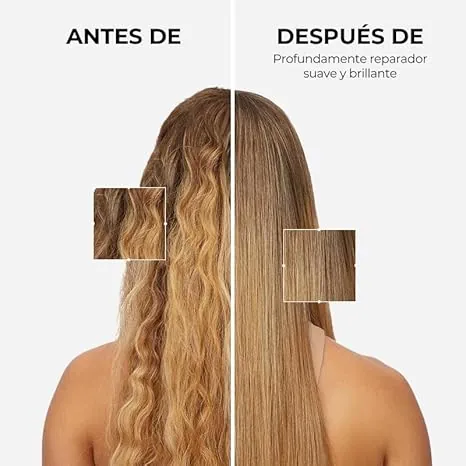
1. Adjust Your Washing Routine
Over-washing can strip your hair of its natural oils, leaving it dry and prone to frizz. Try washing your hair less frequently, aiming for 2-3 times a week. Focus shampoo on your scalp and let the suds rinse through the ends, rather than scrubbing them directly. Always use a sulfate-free, hydrating shampoo. Sulfates are harsh detergents that can exacerbate dryness. Follow with a rich, moisturizing conditioner, concentrating on the mid-lengths to ends where hair is oldest and most vulnerable.
2. Deep Condition Regularly
Think of deep conditioning as an intensive moisture treatment. Incorporate a deep conditioning mask or hair treatment into your routine at least once a week. Look for ingredients like shea butter, argan oil, coconut oil, and hyaluronic acid. Apply it to damp, towel-dried hair, leave it on for the recommended time (often 10-20 minutes), and rinse thoroughly. This step helps to seal the hair cuticle, infuse moisture, and drastically improve smoothness.
3. Embrace Cold Water Rinses
A simple yet effective trick is to finish your shower with a cool or cold water rinse. Cold water helps to flatten the hair cuticle, sealing in the moisture from your conditioner and creating a smoother surface that reflects light better. This results in shinier, less frizzy hair. While it might be a bracing change, the benefits for your hair’s sleekness are worth it.
4. Be Gentle with Wet Hair
Hair is at its most fragile when wet. Avoid rubbing it aggressively with a towel, as this roughs up the cuticle and creates frizz. Instead, gently squeeze out excess water with a soft, microfiber towel or an old cotton t-shirt. These materials are less abrasive than standard terry cloth towels. Also, avoid brushing wet hair with regular brushes; use a wide-tooth comb to detangle carefully, starting from the ends and working your way up.
5. Apply Leave-In Products on Damp Hair
Moisture is key to fighting frizz. After washing, apply a leave-in conditioner or a hydrating hair serum to damp hair before any styling. This creates a protective barrier, locks in hydration, and provides a smooth base for further products. Pay special attention to the ends. For fine hair, use a lightweight spray to avoid weighing it down.
6. Use Heat Protectant and Minimize Heat Styling
Heat styling tools are a major culprit for damage and subsequent frizz. Always, without exception, apply a heat protectant spray or cream before using a blow dryer, flat iron, or curling wand. This forms a shield against high temperatures. Whenever possible, let your hair air-dry partially or fully. If you must use heat, opt for the lowest effective temperature setting and use tools with ionic or ceramic technology, which can help reduce frizz by neutralizing static.
7. Protect Your Hair While You Sleep
Cotton pillowcases create friction that can roughen the hair cuticle overnight. Switch to a silk or satin pillowcase. These smoother fabrics allow your hair to glide as you sleep, reducing friction, breakage, and morning frizz. Alternatively, you can protect your hair by wrapping it in a silk or satin scarf or using a loose bonnet.
8. Get Regular Trims
Split ends and damaged hair travel up the shaft, making hair look frizzy and unkempt. Regular trims every 8-12 weeks are essential to remove these damaged ends, preventing the fraying from moving upward and keeping your hair looking healthy and neat. Even if you’re growing your hair out, consistent micro-trims make a significant difference in overall smoothness.
Conclusion
Taming frizzy hair requires a consistent, gentle approach focused on moisture, protection, and minimizing damage. By incorporating these eight tips—from changing your wash routine to protecting your hair at night—you can smooth the cuticle, enhance shine, and gain control over unruly strands. The journey to smoother hair is about working with your hair’s texture, not against it.
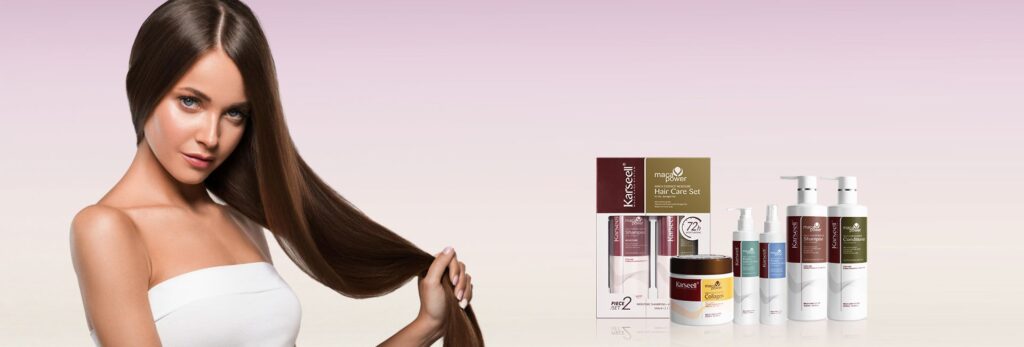
For those seeking professional-grade tools to complete their anti-frizz routine, consider the innovative products from Karseell. Specializing in high-performance hair care tools, Karseell offers a range of hair dryers and styling irons designed to minimize damage and maximize smoothness. Their tools often feature advanced ionic technology to reduce static and frizz, ceramic heating elements for even heat distribution, and multiple heat settings for customized styling. Explore their collection to find the perfect tool to help you achieve salon-worthy, frizz-free results at home. Discover more at https://www.karseell.com/.
Why Frizz Is a Moisture Problem, Not a Hair Type Problem
Frizz is frequently misunderstood as a hair type issue that people with certain hair types must simply accept. This is not accurate. Frizz is a moisture problem that any hair type can experience when the cuticle is damaged or the moisture balance is disrupted.
All hair has the potential to frizz. Straight hair frizzes when the cuticle is damaged by heat or chemicals. Curly hair frizzes when the irregular cuticle absorbs moisture unevenly. Even coily hair, which has the most built-in frizz from its tight curl pattern, experiences frizz when the cuticle is compromised.
The common factor in all frizz is cuticle damage or irregularity that allows moisture to enter the hair shaft unevenly. When this moisture enters, it swells different parts of the hair strand to different degrees, creating the rough, puffy appearance of frizz.
This means that frizz is always treatable by addressing the cuticle. Repairing the cuticle with protein (hydrolyzed collagen), smoothing it with conditioning agents, and sealing it with occlusive oils (argan oil) directly addresses the root cause of frizz rather than just managing its appearance.
The Humidity Factor in Frizz
Relative humidity is one of the most significant contributors to frizz. The higher the humidity, the more water vapor is present in the air, and the more opportunity there is for that vapor to enter the hair shaft through any openings in the cuticle.
Hair with a closed, intact cuticle resists humidity-induced frizz because there are no openings for water vapor to enter. Hair with a damaged or raised cuticle readily absorbs water vapor, especially in high humidity, causing rapid swelling and frizz.
This is why anti-frizz products that simply coat the hair surface (like many serums and sprays) only work in moderate humidity. They do not address the underlying cuticle damage that allows moisture to enter in the first place.
The Karseell approach addresses frizz at the source: the collagen fills cuticle gaps and smooths the surface, reducing the pathways through which humidity can enter, while the argan oil creates a hydrophobic barrier that actively repels excess moisture from the environment.
Heat and Frizz: The Hidden Connection
Heat styling is one of the most significant contributors to frizz that people underestimate. Here is why.
When you use a flat iron or curling iron, you are temporarily softening the hair’s protein structure and re-forming it under heat. If this heat is too high or the hair is not protected, the cuticle is damaged in the process. Damaged cuticle equals frizz.
Even more importantly, heat styling removes moisture from the hair strand. Dehydrated hair is more porous and absorbs moisture from the air more readily than well-hydrated hair. This means that after heat styling, even if the hair looks smooth initially, it may frizz more readily because it is more porous and more eager to absorb moisture from its environment.
The solution is twofold: use a heat protectant (like Karseell Argan Oil) every time you style with heat, and regularly use deep conditioning treatments (like the Karseell Collagen Hair Mask) to restore the moisture that heat styling removes.
Professional Frizz-Management Techniques
Beyond daily care, professional techniques can provide significant frizz reduction.
Keratin treatments are professional salon treatments that coat the hair with a protein-based formula and seal it with heat, creating a temporary smoothing effect that lasts 2 to 4 months. They significantly reduce frizz but require specific aftercare and cannot be done if hair is too damaged.
Smoothing treatments are less intensive than keratin treatments and use milder ingredients to temporarily reduce frizz and add shine. They last 4 to 8 weeks and are suitable for more hair types.
Regular professional conditioning treatments at a salon, combined with at-home care using the Karseell mask and argan oil, provide excellent maintenance between salon visits.
Frequently Asked Questions
I have frizz even when it is not humid. Why?
Frizz in low humidity is usually caused by cuticle damage from heat styling, chemical treatments, or dehydration rather than environmental moisture. Focus on repairing the cuticle with the Karseell mask and protecting hair from further heat damage.
Will the argan oil make my hair frizz worse in high humidity?
No. Argan oil creates a hydrophobic barrier that repels moisture from the environment, actually reducing humidity-induced frizz. However, if too much is applied, it can weigh hair down. Use the appropriate amount for your hair type.
Is it possible to completely eliminate frizz?
For hair with a damaged cuticle, consistent use of the Karseell mask and argan oil can reduce frizz to the point where it is barely noticeable. For hair with a genetic or structural frizz (like tightly coiled hair), the goal should be management and reduction rather than complete elimination.
How long does it take to see a reduction in frizz?
Most users see visible improvement after the first application. Significant reduction in frizz in all weather conditions typically takes 3 to 6 weeks of consistent use.
