

Updated April 10, 2026
There is a moment every person with damaged hair eventually reaches: they catch a strand on their shoulder, pull it taut, and watch in dismay as it snaps effortlessly under the slightest tension. Or they notice their once-glossy hair now looks matte, frizzy, and somehow simultaneously greasy and dry. Or they run their fingers through their hair and feel only the roughness of a cuticle that has seen better days. These are the hallmarks of damaged hair, and they are far more common than most people realize.
Studies suggest that the majority of women and a growing number of men are walking around with measurably damaged hair. Some of this damage comes from obvious culprits — bleach, relaxers, perms, and repeated heat styling at high temperatures. But much of it comes from sources we rarely consider: sun exposure, pollution, hard water, mechanical stress from brushing, and even the simple act of sleeping on cotton pillowcases. Understanding how to fix damaged hair starts with understanding exactly what kind of damage you are dealing with.
In this guide, we take a science-based approach to hair repair. Rather than relying on marketing promises or anecdotal remedies, we will examine what actually happens when hair is damaged, what repair is genuinely possible, and what products and practices deliver measurable results. The good news: while you cannot completely reverse all hair damage, you can do far more to repair and protect your hair than most people realize.
Understanding the Structure of Hair Damage
Hair damage is not a single phenomenon — it is a spectrum of structural compromises, each requiring a different approach to address. To effectively repair damaged hair, you need to understand which layers of the hair shaft have been affected and what interventions can actually help at each level.
The hair shaft is composed of three distinct layers. The outermost layer, the cuticle, is a protective covering made of overlapping dead cells that look somewhat like roof tiles under a microscope. When these cuticle cells are intact and lying flat, they create a smooth surface that reflects light evenly, giving hair its characteristic shine. When they are raised, cracked, or missing entirely, light scatters in all directions, making hair appear dull and feeling rough.
Beneath the cuticle lies the cortex — the structural core of the hair that contains keratin proteins organized into long chains. The cortex is responsible for hair’s mechanical strength, elasticity, and curl pattern. Damage to the cortex is more serious than damage to the cuticle alone, as it affects the fundamental structural integrity of the hair strand. The innermost layer, the medulla, is present in some hair types and absent in others, and its role in hair health is less clearly understood.
When you bleach your hair, you are primarily damaging the cortex. The alkaline solution opens the cuticle and penetrates into the cortex, where it oxidizes the melanin pigments that give hair its color. This same oxidation process also breaks down some of the keratin protein chains, weakening the structural integrity of the cortex. This is why bleached hair breaks more easily, feels different to the touch, and requires more careful treatment than unbleached hair.
Heat damage works differently. When you straighten or curl hair at temperatures above 350 degrees Fahrenheit, the water molecules inside the hair shaft are essentially “boiled” — they turn to steam and expand, creating pressure that can crack and blister the internal structure of the cortex. Under an electron microscope, severely heat-damaged hair shows characteristic bubble-like formations in the cortex. This type of damage is often irreversible through topical treatment alone.
The Four Pillars of Damaged Hair Repair
Based on our understanding of hair structure, effective damage repair must address four distinct needs. No single product or treatment can address all of them, which is why a comprehensive approach to repairing damaged hair always involves multiple strategies working together.
Pillar 1: Moisture Restoration
Damaged hair has a compromised lipid barrier and an altered water balance that makes it both dry and unable to retain moisture effectively. The first step in any repair protocol is restoring adequate moisture levels through deep conditioning treatments. Products containing hyaluronic acid, glycerin, and panthenol are excellent humectants that draw water into the hair shaft. The best shampoo and conditioner for dry hair combinations work synergistically — shampoo opens the cuticle to cleanse, and conditioner deposits moisture that the cuticle then seals in.
Pillar 2: Protein Reinforcement
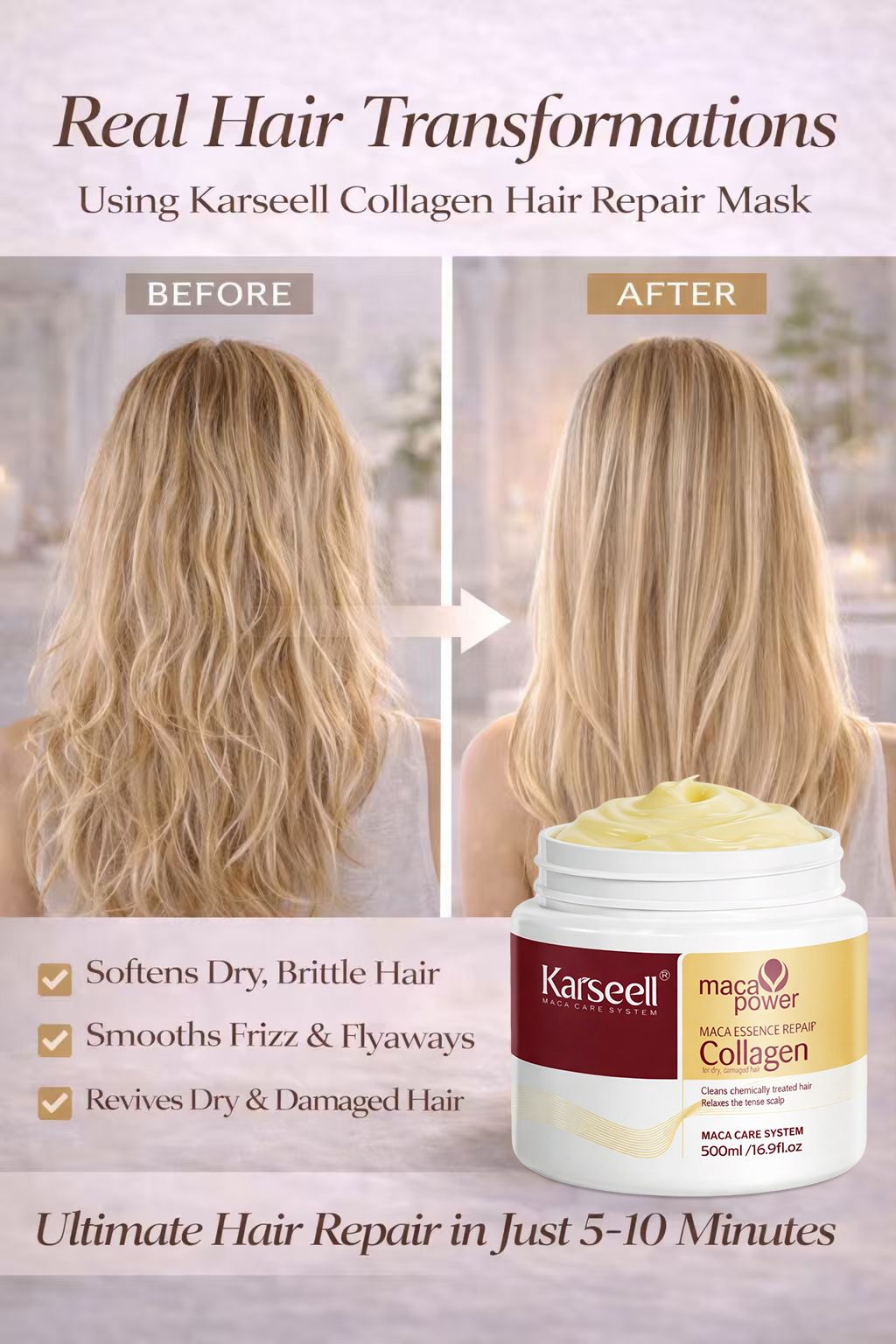
Hair is made primarily of keratin protein, and any process that damages the cortex necessarily depletes some of this protein. Protein treatments and deep conditioning masks that contain hydrolyzed proteins — such as collagen and argan oil combinations — can help replenish these losses. Protein works by depositing small protein fragments that can penetrate the damaged cuticle and bond with the remaining keratin in the cortex, effectively patching weak spots. This is why protein treatments make damaged hair feel stronger and more resilient immediately after use.
However, protein balance is delicate. Too much protein causes protein overload, making hair rigid and brittle — ironically increasing breakage rather than preventing it. The signs of protein overload include hair that feels stiff and wiry, hair that snaps rather than stretches when wet, and hair that does not respond to conditioning treatments. Finding the right balance between moisture and protein is one of the most important skills in effective hair repair.
Pillar 3: Cuticle Repair and Smoothing
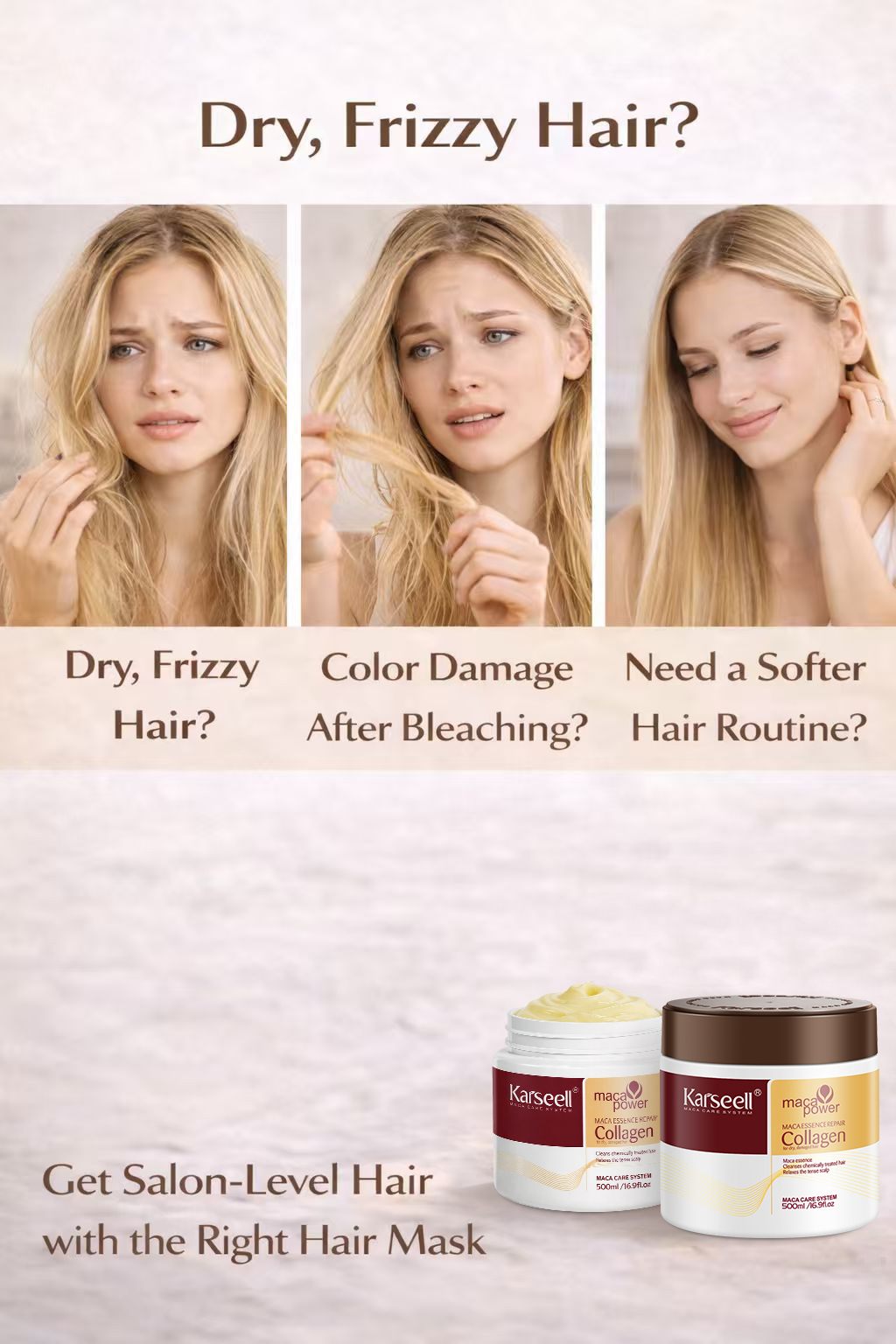
The cuticle, being the outermost layer, is the most accessible to topical treatment. While you cannot truly “repair” a damaged cuticle — once the dead cells are compromised, they cannot be regenerated — you can effectively coat and smooth them to restore a more functional protective barrier. Silicones, ceramides, and certain oils are excellent cuticle-coating agents. Argan oil is particularly effective because its fatty acid profile is similar to the natural lipids in healthy hair, allowing it to create a smooth, protective coating that restores shine and reduces friction.
Pillar 4: Damage Prevention
No amount of repair can keep up with ongoing damage. If you continue bleaching, heat styling, and exposing your hair to damaging practices without protection, any repair efforts will be constantly negated. Prevention means using heat protectant products every single time you style with heat, wearing hats or UV-protective hair products in the sun, using sulfate-free shampoos that are gentler on colored or processed hair, and minimizing mechanical stress through careful handling and silk or satin pillowcases.

A Science-Based Hair Repair Routine
Here is a practical, week-by-week framework for addressing damaged hair, built on the four pillars above.
Week 1-2: Assessment and Reset
Before beginning any repair program, it is important to assess the extent and type of damage you are dealing with. Visit a stylist for a professional evaluation if possible. They can use tools like a microscopic hair analysis to determine the exact nature of your damage. Begin with a clarifying treatment to remove any product buildup that may be preventing your repair products from working effectively. This reset is essential — you cannot repair hair that is covered in buildup.
Week 3-4: Intensive Moisture and Protein
Begin alternating between moisture-focused deep conditioning treatments and protein-containing repair masks. Apply a deep conditioning hair mask treatment once or twice per week, leaving it on for the full recommended time (10-20 minutes for most formulas). On alternate weeks, use a protein treatment. Pay close attention to how your hair responds to each — the goal is to find the right balance for your specific hair type and damage level.
Week 5 and Beyond: Maintenance and Consolidation
Once you have established a baseline of improved health, maintain your hair with regular deep conditioning (once per week), daily protection through oil application, and strict heat styling precautions. Results from consistent repair efforts typically become visibly apparent within 6-12 weeks, as the new hair growing from the root will be healthier, and the damaged lengths — which cannot truly be repaired — can be gradually trimmed away.
The Role of Professional Treatments and Salon Services
While home care is essential for maintaining healthy hair, some aspects of damage repair benefit significantly from professional intervention. Olaplex and similar bond-building treatments work at a molecular level to reconnect broken disulfide bonds in the hair cortex — something that topical home products simply cannot replicate. If your hair has been severely damaged by chemical processes, a series of professional bond-building treatments can make a substantial difference in its structural integrity.
Regular trims are also non-negotiable in any damage repair strategy. No product can truly repair split ends once they have formed — the only solution is to cut them off before they travel up the hair shaft and cause further damage. Even a small trim every 6-8 weeks can dramatically improve the overall health and appearance of damaged hair by removing the most compromised ends.

Frequently Asked Questions About Repairing Damaged Hair
Can damaged hair actually be repaired, or do I need to cut it off?
This is the most important and most misunderstood question in hair care. Here is the honest truth: hair that has been severely damaged in the cortex cannot be fully repaired through topical treatment. No product can regenerate broken protein chains or restore the original structure of oxidized melanin. However, you can significantly improve the appearance and feel of damaged hair through treatments that smooth the cuticle, replenish lost moisture, and temporarily bond with the cortex to provide structural support. Think of it as rehabilitation rather than regeneration — you can restore function and appearance, but the underlying structure has been permanently altered. The only way to get truly “undamaged” hair back is to grow it fresh.
How long does it take to see improvement in damaged hair?
Surface improvements in shine, manageability, and softness can be visible within 1-2 weeks of consistent deep conditioning and protective oil application. Significant improvements in strength and elasticity typically require 4-6 weeks of dedicated treatment. The most meaningful results — where new, healthier hair growth becomes visible at the roots and damaged lengths are gradually trimmed away — take 3-6 months to become apparent. Patience is essential. Hair grows at approximately half an inch per month, so meaningful length transformation requires a long-term commitment.
Is coconut oil better than argan oil for repairing damaged hair?
Both oils have genuine repair properties, but they work differently. Coconut oil is particularly effective at penetrating the hair shaft due to its low molecular weight and affinity for protein, making it excellent for preventing protein loss during washing. Argan oil is superior for cuticle smoothing and shine restoration due to its high vitamin E content and fatty acid profile. For most damaged hair, a combination approach — using coconut oil as a pre-shampoo treatment and argan oil for post-wash sealing — delivers the most comprehensive benefits.
Can I use hair masks every day to speed up repair?
No, and doing so can actually slow your progress. Daily use of protein-rich hair masks can lead to protein overload, and daily use of very heavy moisturizing masks can lead to moisture overload. Both conditions cause hair to become brittle and prone to breaking. The optimal frequency for most people is one deep conditioning treatment per week, with a light daily conditioner after washing. Consistency over time is far more effective than intensity in the short term.
What is the fastest way to fix damaged hair?
The fastest real results come from combining professional treatments (bond-building salon services), weekly deep conditioning with quality products, strict heat protection, and regular trims to remove the most damaged ends. There is no shortcut to truly healthy hair — it requires consistent care over time. Any product or treatment that promises instant results is likely providing only a temporary cosmetic effect that will wash away, rather than addressing the underlying damage.
Conclusion
Fixing damaged hair is not a single treatment or product — it is a commitment to a different approach to hair care going forward. The damage did not happen overnight, and the repair will not happen overnight either. But with a science-based understanding of what your hair needs, a consistent routine that addresses moisture, protein, cuticle health, and prevention, and a generous helping of patience, even significantly damaged hair can be restored to a state that is healthy, beautiful, and manageable.
The most important shift is from reactive to proactive hair care. Instead of waiting for damage to accumulate before treating it, invest in daily practices that prevent damage from occurring in the first place. A quality heat protectant, a few drops of nourishing hair oil, a silk pillowcase, and a weekly deep conditioning session — these simple practices, maintained consistently, will do more for your hair than any single miracle treatment ever could.
Your hair is capable of remarkable recovery when given the right support. Start today. Be patient. Trust the process. The hair you want is growing right now — your job is simply to protect it long enough to let it reach its full potential.


