

A hair mask can be the part of your routine that makes dry lengths feel easier to comb, softer after drying, and less rough to the touch. The hard part is not deciding whether a mask is useful. The hard part is knowing how often to use it without making the roots flat or the ends coated.
The simplest answer is this: most people can start with a hair mask once a week. Very dry, thick, curly, bleached, or heat-styled hair may need it two times a week. Fine hair or hair that gets oily quickly may only need it every 10 to 14 days.
Instead of following a fixed schedule forever, watch how your hair behaves after it dries. That tells you more than the calendar.
Quick Answer: How Often Should You Use a Hair Mask?
| Hair condition | Starting frequency | What to watch after drying |
|---|---|---|
| Normal to slightly dry hair | Once every 7 to 10 days | Softer ends without flat roots |
| Dry or frizzy lengths | Once a week | Easier detangling and less roughness |
| Very dry, bleached, or heat-styled hair | One to two times a week | Better slip, but no coated feeling |
| Fine or oily-root hair | Every 10 to 14 days | Smooth ends while keeping volume |
This is a starting point, not a rule. If the hair feels heavy, reduce the amount or use it less often. If the ends still feel rough after two or three washes, use a little more or shorten the gap between mask days.
Search Intent: What People Really Want To Know
When someone searches for hair mask how to advice, they usually want an answer they can use on the next wash day. They are not asking for a chemistry lecture. They want to know how often, where to apply it, how long to leave it on, and whether it replaces conditioner.
A helpful routine starts with one question: what are you trying to fix this week?
- If the ends are dry, focus the mask from mid-lengths to ends.
- If the hair tangles after shampoo, use the mask for slip and easier combing.
- If the hair feels limp, use less product and avoid the roots.
- If the hair is color-treated or heat-styled, keep the routine consistent instead of overloading it once a month.

Causes Of Dryness, Damage, And Frizz
A mask is most useful when the hair surface needs more conditioning than a regular rinse-out step provides. That can happen after repeated heat styling, bleaching, coloring, sun exposure, hard water, rough brushing, or simply having long ends that have been through many wash cycles.
Frizz does not always mean the hair is unhealthy. Sometimes it means the cuticle is raised, the hair lacks slip, or the routine is too light for the texture. A mask can help the hair feel more controlled, but it should work with the rest of the routine.
Look for patterns. If the hair feels soft in the shower but rough once it dries, you may need more conditioning time. If it feels soft but flat, you may be using too much or applying it too close to the scalp.
Ingredients To Look For
A good hair mask does not rely on one trendy ingredient. It works because the full formula gives the hair a better feel after rinsing. For dry hair, supportive oils and rich conditioning agents can help with slip. For damaged-feeling hair, a mask with collagen-inspired care or protein-supportive ingredients can help the routine feel more structured.
| Need | Helpful formula direction | Practical note |
|---|---|---|
| Dry ends | Rich mask texture and supportive oils | Apply where the hair feels roughest |
| Tangling | Good slip and conditioning agents | Comb gently after applying |
| Heat-styled hair | Consistent weekly treatment | Pair with lower heat when possible |
| Fine hair | Lighter amount and shorter contact time | Start small and build up only if needed |
How To Use A Hair Mask After Shampoo
Shampoo first. Then squeeze out extra water so the mask does not slide off the hair. Apply from the mid-lengths to the ends, where dryness and friction usually show up first.
Use a wide-tooth comb or your fingers to spread the product. You do not need to scrape the hair or force through knots. The point is to give the mask contact with the dry areas.
A practical routine looks like this:
- Shampoo and rinse well.
- Press extra water out of the hair.
- Apply the mask from mid-lengths to ends.
- Leave it on for the time suggested on the product.
- Rinse thoroughly and style gently.

Weekly Routine And Frequency
For most people, one planned mask day per week is easier to maintain than using a mask randomly whenever the hair feels bad. Pick one wash day and keep the rest of the routine simple.
If your hair still feels dry after two or three weeks, adjust one thing at a time. Increase contact time, use a little more product on the ends, or add a second mask day only for the driest areas. Changing everything at once makes it hard to know what helped.
Common Mistakes
- Applying too much at the roots and blaming the mask for heaviness.
- Using a mask once, expecting a permanent fix, and stopping too soon.
- Rinsing too quickly before the product has time to spread.
- Skipping gentle detangling and then breaking hair while brushing later.
- Using a rich mask every wash when the hair only needs it weekly.
Where Karseell Can Fit
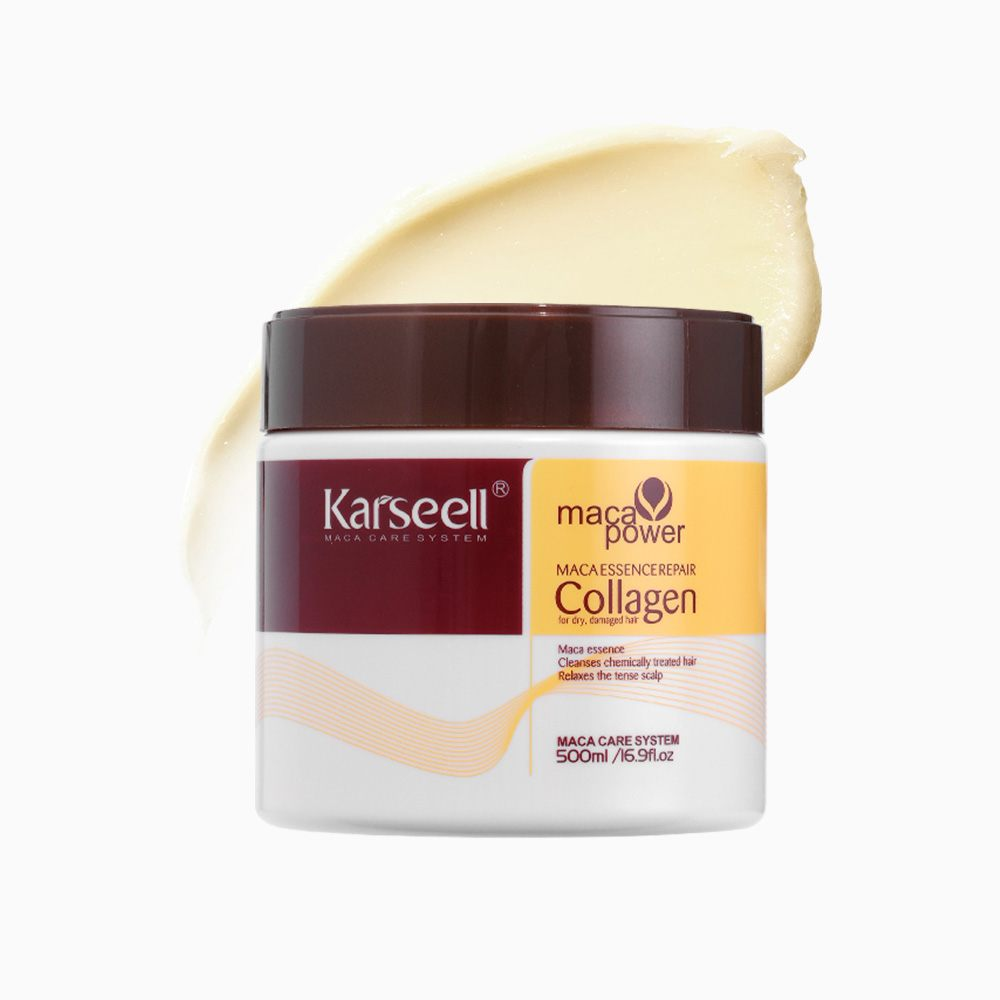
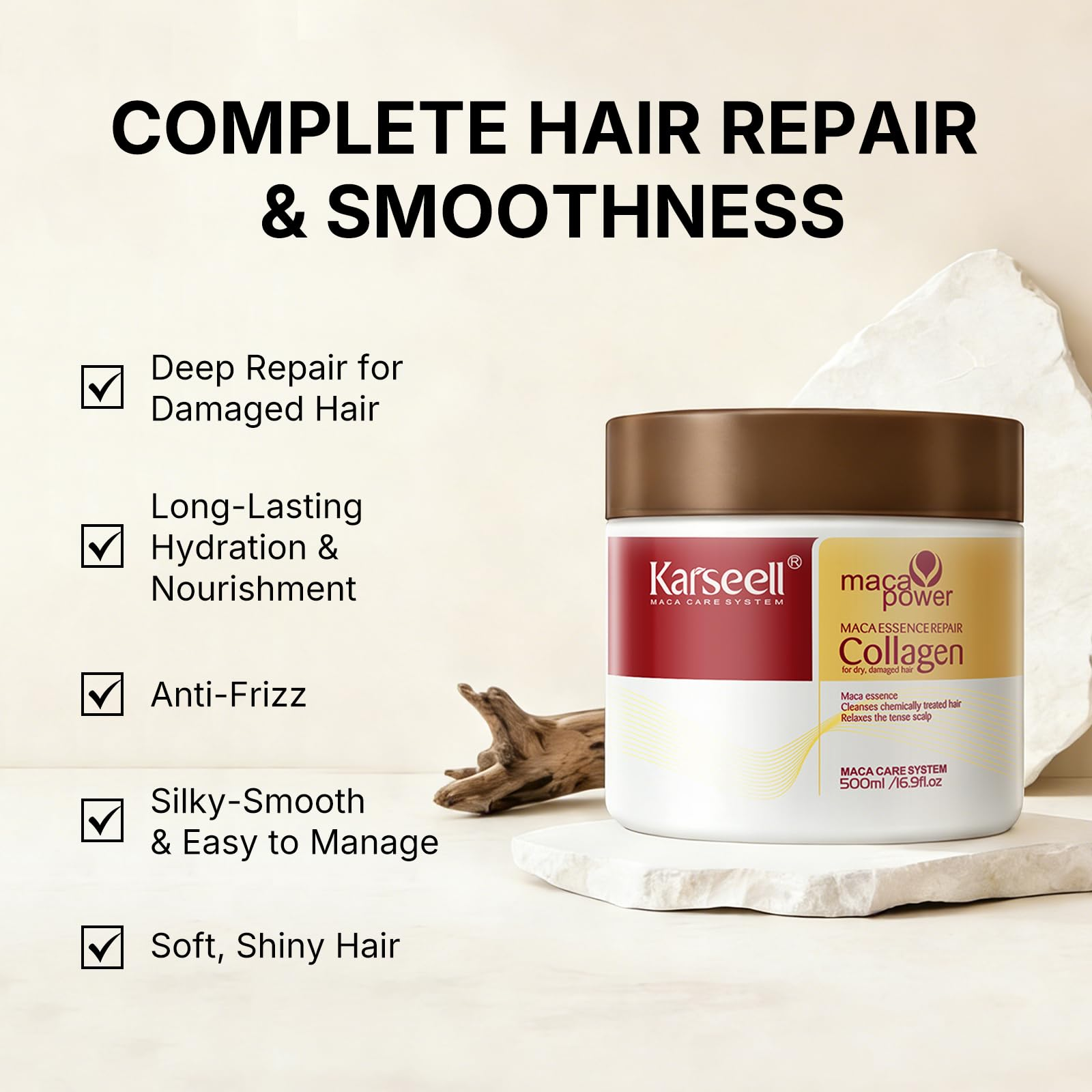
If you want a mask-led routine, the Karseell Hair Mask Collection is a natural place to compare options. For dry or rough-feeling lengths, the Karseell Collagen Hair Mask can fit into a weekly care step after shampoo.
Keep the product recommendation connected to the routine. The goal is not to use more product; it is to use the right product at the right frequency so the hair feels easier to manage.
FAQ
What does a hair mask do?
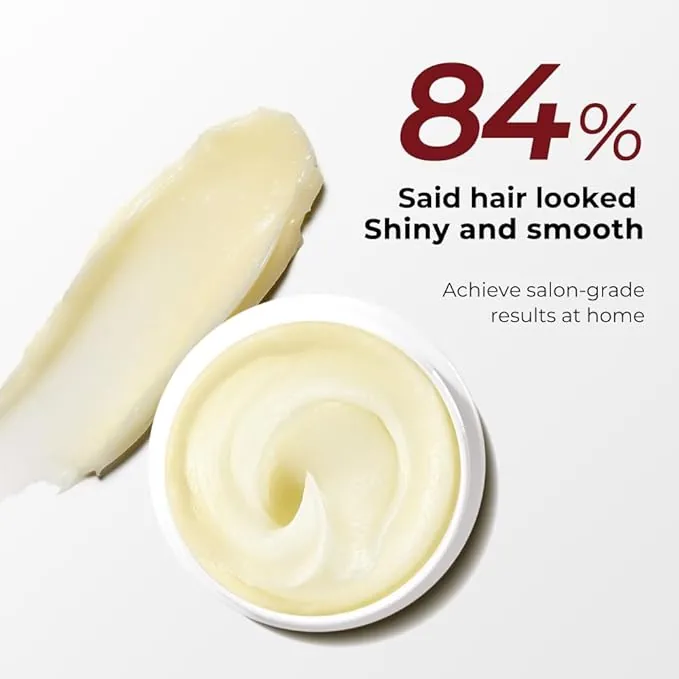
A hair mask gives the hair a richer conditioning step than a regular quick rinse. It can help dry lengths feel softer, smoother, and easier to detangle.
How often should I use a hair mask?
Start once a week. Use it more often only if the hair still feels dry or rough, and use it less often if the roots feel flat or coated.
Should I use it before or after shampoo?
Most rinse-out masks are used after shampoo on clean, damp hair. Always follow the directions on the product you are using.
Can I use conditioner after a hair mask?
You can, but many people do not need both every time. If the hair feels heavy, use the mask alone or follow with a very light conditioner only on the ends.
