

A home hair treatment works best when it is simple, repeatable, and matched to the way your hair actually feels. Dry and damaged hair does not need a complicated shelf. It needs a routine that reduces friction and adds the right conditioning step.
The strongest routine usually combines a gentle wash step, a richer treatment step, and careful styling after rinsing. The order matters because each product has a job.
What The Searcher Is Trying To Buy
The searcher wants a realistic at-home plan, not a salon menu.
A useful article should help the reader choose by hair concern:
- dry lengths need softness and slip
- damaged-feeling hair needs lower friction and consistency
- frizz needs smoother styling habits, not only richer product
- fine hair needs lighter application and careful placement
Product Types Compared
| Product type | Main job | Best use case |
|---|---|---|
| Shampoo | Cleans the scalp and removes buildup | Start of the wash routine |
| Conditioner | Quick softness and detangling | Regular wash days |
| Hair mask | Richer treatment and better slip | Weekly or targeted care |
| Hair oil or serum | Finishing smoothness and shine | Ends after styling or as a final touch |
| Leave-in cream | Ongoing manageability | Dry ends, frizz, or styling control |

Ingredient Checklist
A good product routine is easier to choose when you connect ingredients to the problem they solve.
- Supportive oils can help dry ends feel smoother.
- Conditioning agents improve slip and make detangling easier.
- Collagen-inspired or protein-supportive care can help damaged-feeling hair feel more structured.
- Lightweight formulas are better for roots, fine hair, or frequent use.
- Rich masks belong mainly on mid-lengths and ends.

Routine By Hair Concern
For dry hair, start with a gentle shampoo, use a mask once a week, and finish with a small amount of oil or leave-in on the ends if needed.
For damaged-feeling hair, keep the routine consistent. Do not chase a stronger product every wash. Use a treatment step weekly and reduce heat or harsh brushing.
For frizz, focus on product placement and drying habits. A mask can help the hair feel smoother, but rough towel drying and high heat can undo the effect quickly.
For fine hair, use less product than you think. Apply treatment where the hair is dry, not everywhere.

How To Choose A Product
Read the product role first. If the page says mask, ask how often you will use it. If it says oil, ask whether it is for finishing, pre-wash care, or added softness. If it says conditioner, ask whether you need daily lightness or deeper care.
Then check the texture. Thick cream usually suits dry or coarse lengths. Lighter products suit fine hair or frequent use. The right product should make the routine easier, not more confusing.
Shopping Checklist
Before adding a product to your routine, make the decision smaller. Choose one concern and one job for the product.
| If your main concern is… | Start with… | Avoid… |
|---|---|---|
| Dry ends | Weekly mask or supportive oil | Heavy roots |
| Rough damaged feel | Treatment mask and gentle styling | Expecting one-use repair |
| Frizz | Mask plus smoother drying habits | Rough towel drying |
| Fine hair | Lighter amount on the ends | Coating the scalp |
| Confusing routine | One product change at a time | Replacing everything at once |
This kind of checklist keeps the buying process practical. The product is not the whole routine; it is one tool inside the routine.
Example Weekly Routine
A simple weekly routine might look like this: shampoo on wash day, use conditioner on normal days, replace conditioner with a mask once a week, and use a small finishing product only if the ends still need control.
If the hair is very dry, add a second lighter treatment on the ends. If the hair is fine, keep the mask day weekly and use less product. If the hair is color-treated, avoid harsh washing and focus on softness after rinsing.
The best routine should be easy to repeat even when you are busy. That is why simple product roles usually work better than complicated layering.
Recommended Karseell Routine
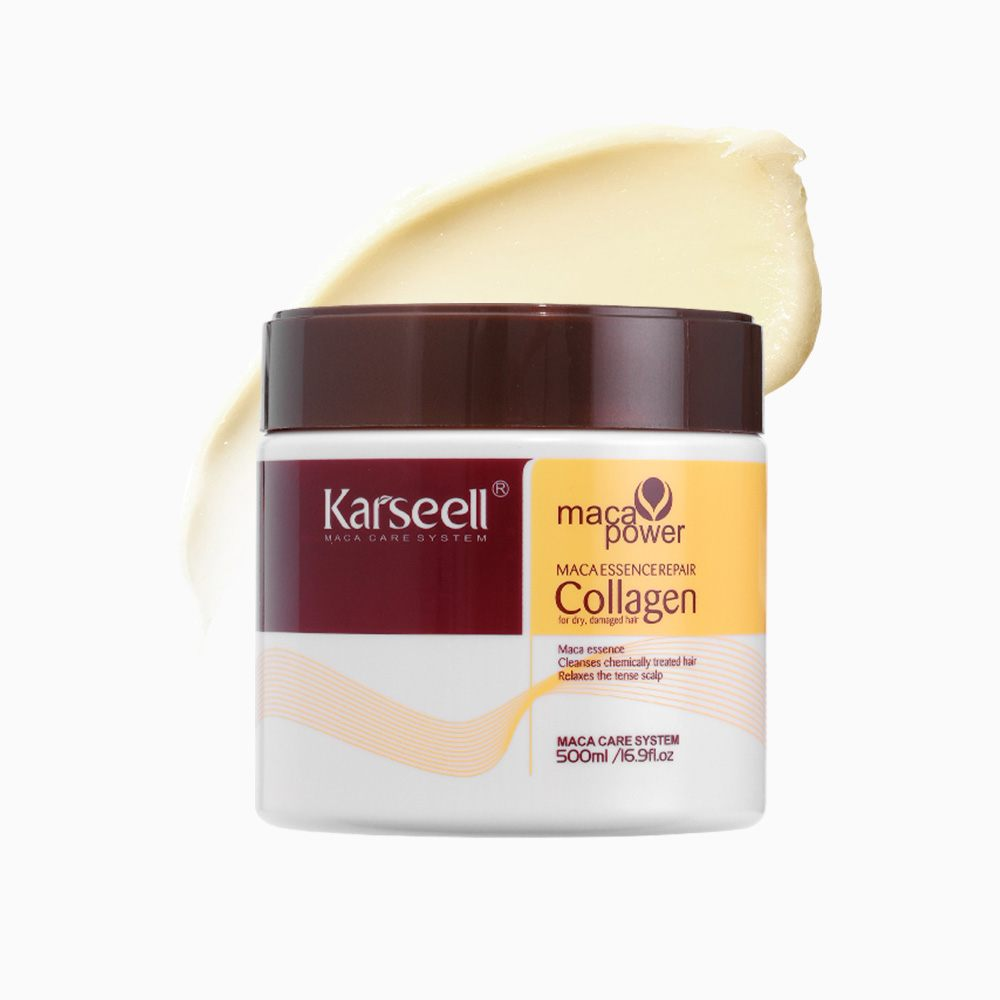
A simple Karseell routine can start with the Karseell Hair Mask Collection for the treatment step. For dry or damaged-feeling lengths, compare the Karseell Collagen Hair Mask. If the routine needs a finishing oil alongside the mask, review the Karseell Hair Mask + Argan Oil Set.
The product hook should come after the reader understands the routine. That makes the recommendation feel useful instead of forced.
FAQ
Which hair product should I use first?
Start with shampoo, then conditioner or mask depending on the wash day. Finishing products such as oils usually come after rinsing and styling.
Is a hair mask different from conditioner?
Yes. Conditioner is usually a quick softening step. A mask is richer and is used less often or more strategically.
What products are best for dry or damaged hair?
A gentle shampoo, weekly mask, and lightweight finishing product can be a practical starting routine.
How do I build a routine?
Choose one main concern, pick the product role for that concern, and test the routine for two or three washes before changing everything.
