

If you are researching hair care products for dry hair, you probably want a simple answer: what will make your hair easier to manage without overpromising results?
This guide keeps the advice practical. It looks at hair feel, routine habits, product texture, and where a product recommendation can fit naturally.
You will learn:
- how to tell whether hair care products for dry hair fits your hair concern
- what ingredients and textures are worth comparing
- how to build a routine without making hair feel heavy
- where Karseell can fit as a helpful next step, not a hard sell
What the searcher is trying to buy
Most readers searching for hair care are not looking for theory. They want to know what will make their next wash day easier. For this section, treat the intent as informational + commercial. Give the reader a clear next step first, then add product guidance only when it helps.
- Start with feel: Does the hair feel rough, coated, tangled, or flat after rinsing?
- Match the routine: Adjust the amount, timing, and placement before switching products.
- Keep the promise realistic: Hair can feel softer and easier to manage, but results still depend on hair condition and consistency.
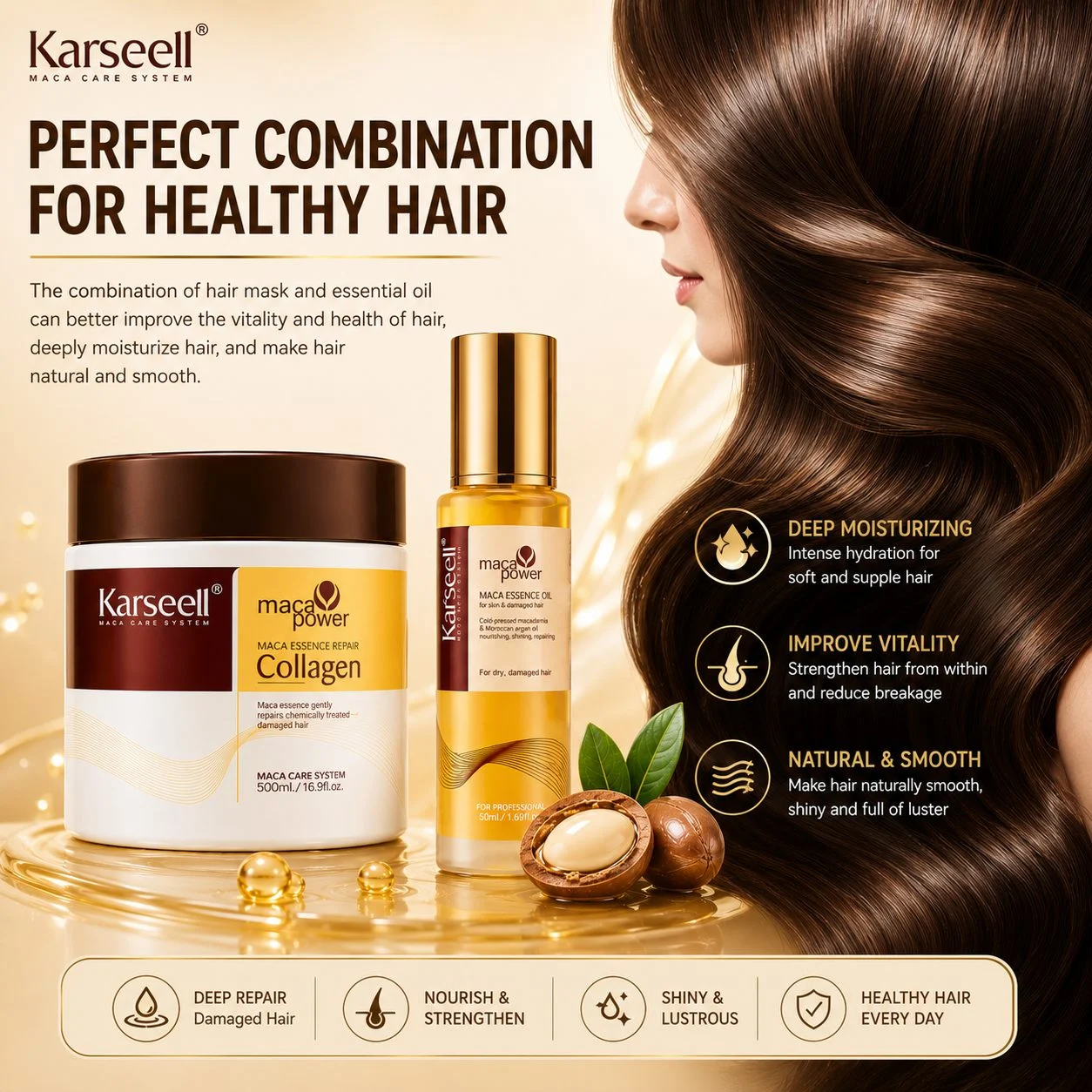
A product recommendation works best after the reader already understands their hair goal. At that point, they can explore the Hair Mask Collection to compare options by routine, texture, and product format.
- If the hair feels dry after every wash, start with a mask-led routine.
- If the ends feel rough after styling, add a finishing oil or gentler heat habits.
- If the roots get heavy, use less product and keep it away from the scalp.
For a fuller weekly routine, the products for dry hair can be framed as an option. Keep the language helpful, not pushy.
Product types compared
Most readers searching for hair treatment are not looking for theory. They want to know what will make their next wash day easier. For this section, treat the intent as informational + commercial. Give the reader a clear next step first, then add product guidance only when it helps.
- Start with feel: Does the hair feel rough, coated, tangled, or flat after rinsing?
- Match the routine: Adjust the amount, timing, and placement before switching products.
- Keep the promise realistic: Hair can feel softer and easier to manage, but results still depend on hair condition and consistency.
Ingredients are easier to understand when you connect them to a real hair need. Instead of treating one ingredient as a magic fix, look at what the full formula helps the routine do: soften, detangle, smooth, or add slip.
| Hair need | What to look for | Practical note |
|---|---|---|
| Dry-feeling lengths | Conditioning agents and supportive oils | Helps hair feel softer and easier to comb |
| Frizz and rough texture | Rich mask texture with good slip | Focus application on mid-lengths and ends |
| Frequent heat styling | Routine consistency and gentle handling | Pair masking with lower heat and careful detangling |
| Fine or easily weighed-down hair | Lighter amount and shorter contact time | Start small and adjust after rinsing |
If the reader is comparing products, products for dry hair should feel like a useful next step rather than a hard sell.

Ingredient checklist
Most readers searching for hair products are not looking for theory. They want to know what will make their next wash day easier. For this section, treat the intent as informational + commercial. Give the reader a clear next step first, then add product guidance only when it helps.
- Start with feel: Does the hair feel rough, coated, tangled, or flat after rinsing?
- Match the routine: Adjust the amount, timing, and placement before switching products.
- Keep the promise realistic: Hair can feel softer and easier to manage, but results still depend on hair condition and consistency.
Ingredients are easier to understand when you connect them to a real hair need. Instead of treating one ingredient as a magic fix, look at what the full formula helps the routine do: soften, detangle, smooth, or add slip.
| Hair need | What to look for | Practical note |
|---|---|---|
| Dry-feeling lengths | Conditioning agents and supportive oils | Helps hair feel softer and easier to comb |
| Frizz and rough texture | Rich mask texture with good slip | Focus application on mid-lengths and ends |
| Frequent heat styling | Routine consistency and gentle handling | Pair masking with lower heat and careful detangling |
| Fine or easily weighed-down hair | Lighter amount and shorter contact time | Start small and adjust after rinsing |
If the reader is comparing products, Karseell Collagen Hair Mask should feel like a useful next step rather than a hard sell.
Routine by hair concern
Most readers searching for hair care products are not looking for theory. They want to know what will make their next wash day easier. For this section, treat the intent as informational + commercial. Give the reader a clear next step first, then add product guidance only when it helps.
- Start with feel: Does the hair feel rough, coated, tangled, or flat after rinsing?
- Match the routine: Adjust the amount, timing, and placement before switching products.
- Keep the promise realistic: Hair can feel softer and easier to manage, but results still depend on hair condition and consistency.
A useful routine should be easy to repeat. Keep the steps simple enough that the reader can try them this week.
- Shampoo first, then squeeze out extra water.
- Apply the mask from the mid-lengths to the ends, not heavily at the roots.
- Comb through gently so the product reaches the dry or rough areas.
- Rinse well, then check how the hair feels after it is fully dry.
If the routine still feels too light, compare a richer option such as Karseell Hair Mask + Argan Oil Set after you know how often the hair needs deeper care.

How to choose a product
Most readers searching for Hair Care Products / Treatment are not looking for theory. They want to know what will make their next wash day easier. For this section, treat the intent as informational + commercial. Give the reader a clear next step first, then add product guidance only when it helps.
- Start with feel: Does the hair feel rough, coated, tangled, or flat after rinsing?
- Match the routine: Adjust the amount, timing, and placement before switching products.
- Keep the promise realistic: Hair can feel softer and easier to manage, but results still depend on hair condition and consistency.
Ingredients are easier to understand when you connect them to a real hair need. Instead of treating one ingredient as a magic fix, look at what the full formula helps the routine do: soften, detangle, smooth, or add slip.
| Hair need | What to look for | Practical note |
|---|---|---|
| Dry-feeling lengths | Conditioning agents and supportive oils | Helps hair feel softer and easier to comb |
| Frizz and rough texture | Rich mask texture with good slip | Focus application on mid-lengths and ends |
| Frequent heat styling | Routine consistency and gentle handling | Pair masking with lower heat and careful detangling |
| Fine or easily weighed-down hair | Lighter amount and shorter contact time | Start small and adjust after rinsing |
If the reader is comparing products, Hair Mask Collection should feel like a useful next step rather than a hard sell.
Recommended Karseell routine
Most readers searching for hair care are not looking for theory. They want to know what will make their next wash day easier. For this section, treat the intent as informational + commercial. Give the reader a clear next step first, then add product guidance only when it helps.
- Start with feel: Does the hair feel rough, coated, tangled, or flat after rinsing?
- Match the routine: Adjust the amount, timing, and placement before switching products.
- Keep the promise realistic: Hair can feel softer and easier to manage, but results still depend on hair condition and consistency.
A useful routine should be easy to repeat. Keep the steps simple enough that the reader can try them this week.
- Shampoo first, then squeeze out extra water.
- Apply the mask from the mid-lengths to the ends, not heavily at the roots.
- Comb through gently so the product reaches the dry or rough areas.
- Rinse well, then check how the hair feels after it is fully dry.
If the routine still feels too light, compare a richer option such as Shampoo/Conditioner pages after you know how often the hair needs deeper care.
Quick Answer: What to Know About hair care products for dry hair
Most readers searching for hair treatment are not looking for theory. They want to know what will make their next wash day easier. For this section, treat the intent as informational + commercial. Give the reader a clear next step first, then add product guidance only when it helps.
- Start with feel: Does the hair feel rough, coated, tangled, or flat after rinsing?
- Match the routine: Adjust the amount, timing, and placement before switching products.
- Keep the promise realistic: Hair can feel softer and easier to manage, but results still depend on hair condition and consistency.
Ingredients are easier to understand when you connect them to a real hair need. Instead of treating one ingredient as a magic fix, look at what the full formula helps the routine do: soften, detangle, smooth, or add slip.
| Hair need | What to look for | Practical note |
|---|---|---|
| Dry-feeling lengths | Conditioning agents and supportive oils | Helps hair feel softer and easier to comb |
| Frizz and rough texture | Rich mask texture with good slip | Focus application on mid-lengths and ends |
| Frequent heat styling | Routine consistency and gentle handling | Pair masking with lower heat and careful detangling |
| Fine or easily weighed-down hair | Lighter amount and shorter contact time | Start small and adjust after rinsing |
If the reader is comparing products, products for dry hair should feel like a useful next step rather than a hard sell.
Practical Routine Summary
Use hair care products for dry hair as a routine decision, not a one-size-fits-all answer.
- Start with the hair concern.
- Choose a texture that matches that concern.
- Apply it carefully from mid-lengths to ends.
- Judge the result after the hair is fully dry.
If the reader wants to keep exploring after learning the basics, they can visit the Hair Mask Collection or compare a focused option such as the Shampoo/Conditioner pages.
The recommendation should support the article, not take it over.
FAQ
Which hair product should I use first?
Use the guidance above as a starting point, then adjust by hair type and routine.
Is a hair mask different from conditioner?
Use the guidance above as a starting point, then adjust by hair type and routine.
What products are best for dry or damaged hair?
Use the guidance above as a starting point, then adjust by hair type and routine.
How do I build a routine?
Use the guidance above as a starting point, then adjust by hair type and routine.
How often should I use hair care products for dry hair?
Most routines start with once a week, then adjust based on how the hair feels after washing, styling, and drying.
