

An oily scalp can feel like a never-ending battle. You wash your hair in the morning, and by evening—boom—your roots look flat, greasy, and lifeless. Sound familiar? Well, you’re not alone. Millions of people deal with excess scalp oil every day, often without fully understanding why it happens or how to fix it.
Let’s break it all down, nice and easy.
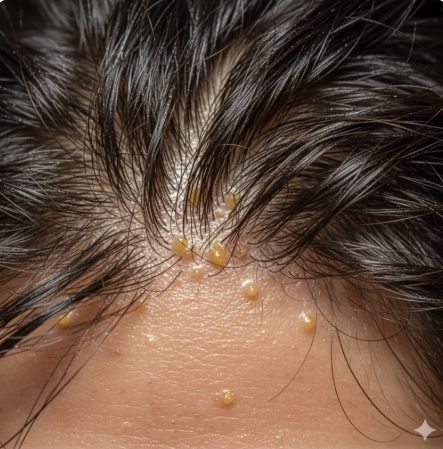
What Is an Oily Scalp?
An oily scalp occurs when the sebaceous glands in your scalp produce too much sebum, a natural oil meant to protect and moisturize your skin and hair. While sebum is essential, too much of it can clog hair follicles, attract dirt, and leave your hair looking greasy.
In short, balance is the goal—not eliminating oil completely.
10 Common Causes of an Oily Scalp
1. Overactive Sebaceous Glands
Some people naturally produce more oil due to genetics. If oily hair runs in your family, chances are your scalp is just wired that way.
2. Washing Hair Too Often
Ironically, over-washing can make things worse. When you strip your scalp of natural oils too often, it panics and produces even more oil to compensate.
3. Using the Wrong Shampoo
Heavy, sulfate-rich, or overly moisturizing shampoos can weigh hair down and trigger excess oil production.
4. Hormonal Changes
Puberty, pregnancy, menopause, or even monthly hormonal fluctuations can send oil production into overdrive.
5. Poor Diet
Diets high in fried foods, sugar, and processed snacks can increase oil secretion. Yep, what you eat shows up on your scalp too.
6. Stress and Anxiety
Stress raises cortisol levels, which can stimulate sebaceous glands. In other words, stress equals grease.
7. Touching Hair Too Often
Running your fingers through your hair transfers oils from your hands directly to your scalp. Old habit, big mistake.
8. Product Buildup
Styling products, dry shampoos, and conditioners that aren’t rinsed properly can clog follicles and trap oil.
9. Environmental Factors
Hot, humid weather causes sweat and oil to mix, making your scalp feel even greasier.
10. Skin Conditions
Conditions like seborrheic dermatitis or dandruff can cause excess oil along with itching and flakes.
How to Treat an Oily Scalp Effectively
Now for the good stuff—what actually works.
Choose the Right Shampoo
Look for lightweight, clarifying, or oil-control shampoos with ingredients like:
Tea tree oil
Salicylic acid
Charcoal
Zinc PCA
Avoid heavy silicones if your scalp gets oily fast.
Wash Smart, Not Hard
Wash 2–4 times per week, depending on your hair type
Use lukewarm water (hot water stimulates oil glands)
Massage gently—no aggressive scrubbing
Condition Correctly
Apply conditioner only to mid-lengths and ends, never directly on the scalp.
Exfoliate Your Scalp
A gentle scalp scrub once a week helps remove buildup, dead skin cells, and excess oil.
Mind Your Diet
Eat more:
Leafy greens
Omega-3 fatty acids
Lean proteins
And cut back on sugary, greasy foods when possible.
Manage Stress
Yoga, walking, meditation—whatever chills you out helps your scalp too.
Daily Habits That Help Reduce Oily Scalp
Clean your brushes regularly
Change pillowcases twice a week
Avoid overusing dry shampoo
Don’t skip rinsing thoroughly
Small habits, big difference.
FAQs About Oily Scalp
Is an oily scalp bad for hair growth?
Not necessarily, but clogged follicles can weaken hair roots over time.
Can oily scalp cause hair loss?
Excess oil combined with buildup may contribute to hair thinning if left untreated.
Should I use oil on an oily scalp?
Only if it’s lightweight and used sparingly, like tea tree or rosemary oil.
How long does it take to fix an oily scalp?
With consistent care, noticeable improvement can appear in 2–4 weeks.
Wrapping It All Up
An oily scalp isn’t a curse—it’s a condition that just needs the right care. Once you understand the causes and adjust your routine, managing excess oil becomes totally doable. Stick with gentle cleansing, smart product choices, and healthy habits, and your scalp will thank you.
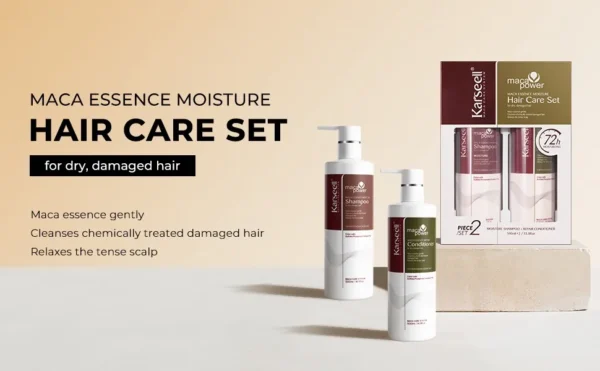
Discover Karseell Products for Healthy, Balanced Hair
If you’re looking for professional-grade hair care that supports scalp health, Karseell is a brand worth checking out. Known for its high-quality formulations and nourishing ingredients, Karseell offers shampoos, masks, and treatments designed to restore balance, strengthen hair, and improve overall scalp condition.
Their products are widely used in salons and trusted by professionals for addressing issues like oil imbalance, dryness, and damaged hair. Whether you’re dealing with an oily scalp or just want healthier, shinier hair, Karseell provides reliable solutions backed by science and innovation.
👉 Learn more about their hair care range at https://www.karseell.com/
Healthy scalp, happy hair—it really is that simple.
The Sebaceous Gland: Your Scalp’s Oil Factory
To understand oily scalp, it helps to understand the sebaceous gland and what it is actually designed to do.
Sebaceous glands are microscopic exocrine glands located in the skin that produce sebum, an oily waxy substance. They are found throughout the body but are most concentrated on the face, scalp, and upper back. On the scalp, they are attached to the hair follicle and deposit sebum directly onto the hair strand as it grows.
Sebum serves several essential biological functions: it waterproofs the skin and hair, preventing excessive moisture loss; it has mild antibacterial and antifungal properties that protect the skin; and it provides natural conditioning that keeps hair soft and manageable.
The rate at which sebaceous glands produce sebum is primarily controlled by hormones, specifically androgens like testosterone and dihydrotestosterone (DHT). This is why oily scalp often begins or worsens during puberty, when androgen levels surge.
Other factors that influence sebum production include genetics (the primary determinant of your baseline oiliness), diet (high-glycemic foods and dairy can increase sebum in some people), stress (elevates cortisol, which stimulates sebum), and climate (heat and humidity generally increase sebum production).
Understanding that sebum production is a normal, biological process helps frame the management approach correctly. The goal is not to eliminate sebum but to manage it appropriately without over-stripping.
The Link Between Oily Scalp and Hair Breakage
This is a paradox that confuses many people: how can an oily scalp cause hair breakage when oil is supposed to condition and protect the hair?
The answer lies in the fact that sebum is produced at the root and travels down the strand. On an oily scalp, the excess sebum creates a heavy, slick coating at the roots that can make hair limp and flat. However, the mid-lengths and ends of the hair, which are the oldest and most damaged parts, may still be dry because the sebum is not traveling all the way down the strand.
This creates a combination problem: oily roots and dry ends simultaneously. Conventional products that address oiliness tend to dry out the already-dry ends. Products that address dryness at the ends tend to add more oil at the roots.
The Karseell solution addresses this beautifully: apply the Collagen Hair Mask only to the mid-lengths and ends, avoiding the scalp entirely. This delivers moisture and repair exactly where it is needed without adding any oil to the scalp.
Professional Scalp Treatments for Oily Hair
Beyond home care, there are professional treatments that can help manage oily scalp more effectively.
Scalp detox treatments use ingredients like salicylic acid, tea tree oil, or charcoal to deeply cleanse the scalp, removing sebum buildup, product residue, and dead skin cells that can clog follicles and exacerbate oiliness.
Sebum-regulating treatments use ingredients like niacinamide, zinc PCA, or sulfur to directly reduce sebum production at the gland level. These are available through dermatologists or professional hair care lines.
LED light therapy uses specific wavelengths of light to reduce sebum production and calm inflammation in the scalp. It is available through dermatologists and some advanced hair salons.
Microneedling of the scalp stimulates blood flow and can improve the overall health of the scalp environment, indirectly supporting better oil regulation.
Between professional treatments, the Karseell Herbal Essence Shampoo provides gentle daily cleansing that removes excess oil without over-stripping, which is the primary home care strategy for oily scalp management.
Frequently Asked Questions
Does brushing my hair spread oil and make my scalp oilier?
Yes. Brushing distributes sebum from the roots down the strand, which can temporarily make the roots look less oily but also makes the lengths look greasy. For oily scalp, brushing should be done gently and primarily for detangling, not for distributing oils.
Can diet changes actually reduce scalp oiliness?
For some people, yes. High-glycemic diets and dairy products have been linked to increased sebum production in research studies. Reducing these foods and increasing water intake can sometimes produce measurable improvements in scalp oiliness within a few weeks.
Is it better to wash oily hair every day or less frequently?
This depends on the individual. Some people with oily scalps do well with daily washing using a gentle, sulfate-free shampoo. Others find that daily washing keeps the scalp overproducing oil in compensation. Experiment to find your optimal frequency. Signs that you are washing too much include tightness or dryness at the scalp after washing.
Does dry shampoo actually make oily scalp worse?
Over-reliance on dry shampoo can worsen oily scalp over time. Dry shampoo absorbs surface oil but does not cleanse the scalp, leading to buildup that can clog pores and create an unhealthy scalp environment. Use dry shampoo as a temporary bridge between washes, not as a long-term replacement for washing.
