
When it comes to hair care, one size definitely does not fit all. Among the most fundamental distinctions in hair typing is the difference between thick and fine hair—not to be confused with hair density, which refers to how many strands grow per square inch. Instead, “thick” or “fine” describes the diameter of each individual hair strand. Understanding this distinction is crucial for choosing the right products, styling techniques, and maintenance routines that keep your hair healthy, manageable, and beautiful.
What Is Thick Hair?
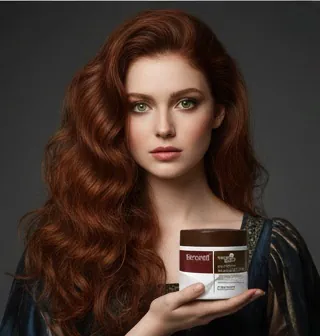
Thick hair strands have a larger diameter—often more than 0.08 millimeters—and feel coarse or sturdy to the touch. People with thick hair often find their locks are naturally voluminous and resilient, but they can also be prone to dryness, frizz, and difficulty absorbing moisture due to the cuticle layer being more tightly packed. Thick hair may require heavier, more nourishing formulas to stay hydrated and soft.
Common challenges with thick hair include:
- Takes longer to dry
- Harder to style or straighten
- Prone to tangling if not properly conditioned
- May appear unruly without regular trims
Despite these challenges, thick hair holds styles well and has natural body that many envy.
What Is Fine Hair?
Fine hair strands measure less than 0.06 millimeters in diameter and feel soft, silky—even fragile—between your fingers. While fine hair may appear thin or flat, it’s important to remember that someone can have fine strands but high density (lots of hairs), resulting in full-looking hair. However, fine hair is more susceptible to breakage, oil buildup, and weighing down from heavy products.
Typical concerns for fine hair include:
- Lacks volume and appears limp
- Gets oily quickly at the roots
- Easily damaged by heat or chemical treatments
- Struggles to hold curls or updos
The key to caring for fine hair is using lightweight, volumizing products that cleanse thoroughly without stripping natural oils, while avoiding anything too heavy or greasy.
How to Tell Your Hair Type
A simple test: take a single strand of clean, dry hair and compare it to a standard sewing thread.
- If your hair is thicker than the thread → you likely have thick hair.
- If it’s about the same width → medium.
- If it’s thinner → you have fine hair.
You can also assess how your hair responds to products. Does a rich mask make your hair look greasy or weighed down? That’s a sign of fine hair. Does your shampoo leave your hair feeling dry and straw-like? You might have thick, porous strands needing deeper hydration.
Tailoring Your Hair Care Routine
For Thick Hair:
- Use moisturizing shampoos and deep-conditioning masks weekly.
- Look for ingredients like argan oil, shea butter, and collagen.
- Avoid sulfates that over-strip natural oils.
- Apply leave-in conditioners or hair oils to tame frizz.
For Fine Hair:
- Choose clarifying or volumizing shampoos that remove buildup.
- Use lightweight conditioners applied only from mid-length to ends.
- Limit heavy oils or silicones that flatten hair.
- Opt for protein-based treatments to strengthen without adding weight.
Styling Tips
- Thick hair: Blow-dry with a round brush for smoothness; use anti-frizz serums before heat styling.
- Fine hair: Tease gently at the roots for lift; use texturizing sprays instead of gels or creams.
Why Product Choice Matters
Using the wrong products can exacerbate your hair’s natural tendencies—weighing down fine strands or leaving thick hair parched. That’s where professional-grade, thoughtfully formulated hair care makes all the difference.
Introducing Karseell: Precision Hair Care for Every Type
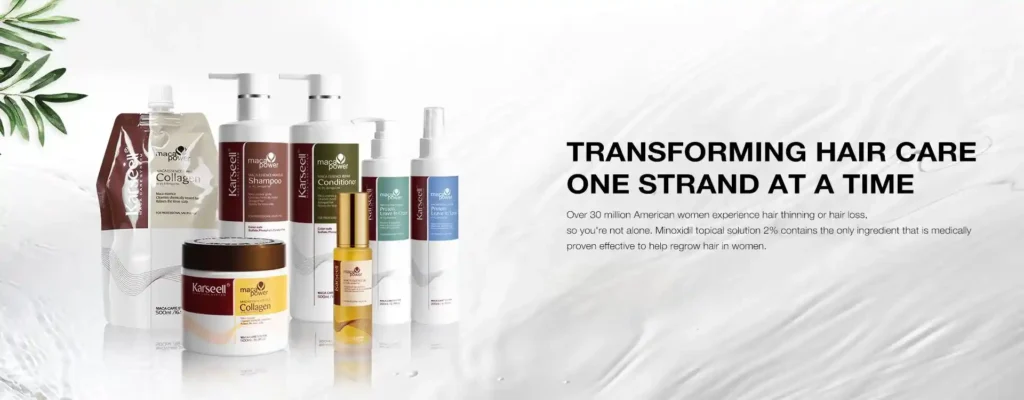
At Karseell (https://www.karseell.com/), we believe every hair type deserves specialized care. Our scientifically backed, naturally enriched formulations are designed to address specific concerns—from strengthening fine, fragile strands to deeply nourishing coarse, thick textures.
For fine hair, try our Collagen Leave-In Conditioner—lightweight yet fortifying, it adds body without residue. For thick or damaged hair, the Karseell Collagen Hair Mask + Argan Oil Set delivers intense repair and shine, thanks to hydrolyzed collagen and Moroccan argan oil, both proven to restore elasticity and smoothness.
All Karseell products are rigorously tested, free from harsh irritants, and crafted with natural ingredients to ensure safety and efficacy. Whether you’re battling frizz, seeking volume, or repairing color-treated locks, Karseell offers targeted solutions that respect your hair’s unique biology.
Visit https://www.karseell.com/ today and discover the perfect match for your hair type—because understanding your strands is the first step to truly transformative hair care.

