

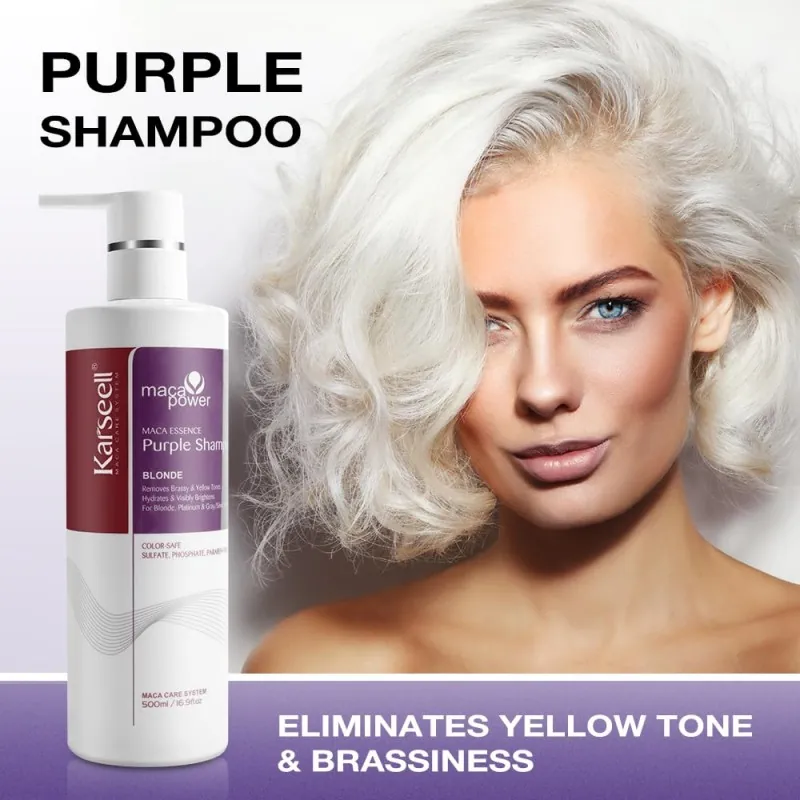

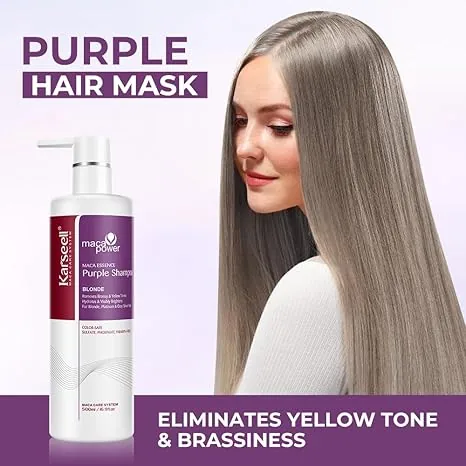
💎 Spotlight on Karseell Purple Shampoo
For those looking for a high-performance solution that combines toning with deep repair, Karseell offers a professional-grade option designed specifically for damaged and color-treated hair.

This innovative formula is not just about removing brassiness; it actively repairs dry and damaged hair. It utilizes Herbal Essence to deliver energy-activating nutrients from root to tip, while Moroccan Argan Oil deeply hydrates and smooths frizz.
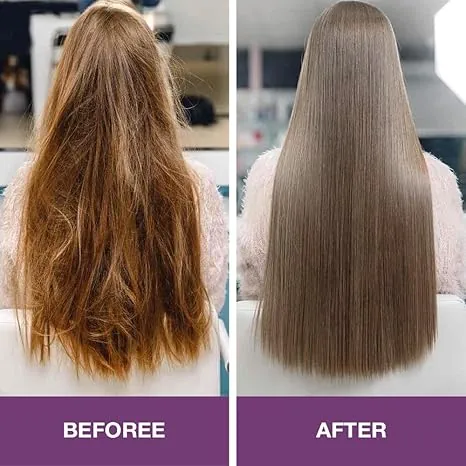
Continue Reading: Expert Guide
What Is Purple Shampoo and How Does It Actually Work?
If you have ever walked out of a salon with stunningly bright blonde or platinum hair, only to notice an unwelcome brassy warmth creeping back in just a few days later, you are not alone. This frustrating phenomenon happens because hair’s natural pigment, melanin, contains warm orange and yellow tones. When hair is lightened through bleaching or highlighting, those underlying warm pigments become visible, creating an unflattering brassiness that can make even the most expensive color jobs look dull and neglected. The warmer your desired blonde, the less of this brassy problem you will encounter. But for those pursuing icy platinum, cool ash blonde, or silver tones that are so popular in today’s salons, brassiness is almost inevitable without dedicated intervention and a consistent toning routine.
Enter purple shampoo, a specially formulated hair care product that has become an essential tool in the arsenals of blonde, silver, and ash-brown-haired individuals worldwide. But what exactly makes this violet-hued shampoo so effective at banishing brass? The answer lies in the color wheel, a fundamental concept in both art and cosmetic science. On the standard color wheel, purple sits directly opposite to yellow, which means these two colors are complementary, sitting at maximum distance from each other and, when applied together, having the effect of visually canceling each other out. This principle of complementary color neutralization is used in everything from photography filters to makeup artistry to professional hair coloring, and it is the foundation upon which all effective purple toning products are built.
When you apply a purple-tinted shampoo or mask to yellow or orange tones in your hair, the purple pigments in the formula deposit a faint violet layer onto the hair shaft. This does not bleach or lighten the hair. Instead, it coats the surface with cool-toned pigment that neutralizes the warmth, effectively toning down the brassiness and restoring a clean, ashy, or silver undertone. The result is hair that looks freshly colored, vibrant, and salon-fresh for far longer between appointments. Because the purple pigment sits on the surface rather than penetrating deeply, it gradually washes out over several days, meaning you need to maintain your purple shampoo routine consistently to keep the brass at bay. This gradual fade actually works in your favor, because it prevents the hair from becoming over-toned or taking on a purple cast that would look unnatural.
Purple shampoos are not just for platinum blondes. Anyone with lightened, highlighted, or balayaged hair can benefit from regular use. Ash-brown hair, which has cool undertones, also benefits from purple shampoo to maintain its sophisticated cool finish and prevent warm reddish or orange tones from emerging over time. Even those with natural blonde hair that tends toward golden or wheat-like tones can use purple shampoo for subtle brightening. The key is choosing the right formula for your hair’s porosity, color depth, and desired level of toning. Karseell’s range of purple hair care products offers options for every level of brass-busting need, from gentle maintenance formulas to intensive treatment masks.
The Science Behind Purple Shampoo Toning Power: Why It Works So Well
Understanding the science behind purple shampoo makes it easier to use correctly and achieve the best possible results. At its core, the product leverages a principle known as color correction or color deposition. Hair color is not simply a surface phenomenon, it results from pigments embedded within the hair’s cortex, the inner layer of the hair shaft. When hair is lightened, chemical processes open the cuticle layer and lift the natural pigments from the cortex, revealing the underlying warm tones that were previously masked by darker eumelanin pigment. This process, called oxidation, is what allows hairdressers to transform dark hair into beautiful blonde shades, but it also exposes the warm orange and yellow pigments that exist beneath the surface.
Purple shampoo works on the cuticle layer, the outermost protective scales of the hair shaft, rather than penetrating to the cortex. The violet pigments in the formula sit on the surface and inside microscopic cracks in the cuticle, where they create a cool-toned veil over the existing warm pigments. Because light reflects off this cool-toned surface, the hair appears cooler, brighter, and more balanced in color. This is particularly effective for counteracting the yellow-gold tones that develop as bleached hair oxidizes and re-exposes its underlying warm pigments, a process that continues for days after bleaching as residual oxygen in the hair continues to lift the natural pigment.
The concentration and type of purple pigment vary significantly between formulas. Professional-grade purple shampoos often use highly concentrated direct dyes that can produce noticeable results in just one or two applications. Consumer formulas typically use milder concentrations designed for gradual, buildable toning to prevent the hair from taking on a purple or gray cast. Karseell’s purple shampoo and mask formulations strike an ideal balance, delivering noticeable toning results without over-depositing pigment that could leave hair looking dull or artificially colored. The brand achieves this through a carefully calibrated violet dye concentration combined with transparent labeling that helps consumers understand exactly what to expect.
Beyond the color science, quality purple shampoos also contain nourishing ingredients that protect the hair during the toning process. Since the cuticle layer has been opened during coloring or lightening, it is particularly vulnerable to damage from subsequent washing, brushing, and environmental exposure. Karseell’s purple hair mask includes conditioning agents that help smooth the cuticle, add shine, and restore moisture lost during the coloring process. This dual-action approach, toning plus caring, is what sets premium purple shampoos apart from basic color-correcting products that can strip and dry out already vulnerable hair.
How to Use Karseell Purple Hair Mask for Salon-Quality Results at Home
Using purple shampoo or mask correctly is just as important as choosing the right product. Even the best formula will underdeliver if applied incorrectly or at the wrong frequency, and understanding the nuances of application technique can mean the difference between a perfect toning result and an over-toned purple disaster. Here is a comprehensive step-by-step guide to getting the most out of your Karseell purple hair mask, whether you are maintaining balayage, caring for freshly highlighted locks, or preserving the integrity of your silver or ash-blonde hair.
Step 1: Wet Your Hair Thoroughly with Lukewarm Water
Begin in the shower with thoroughly wet hair. Use lukewarm water, not hot, as hot water opens the hair cuticle too aggressively, which can lead to faster color fading, increased porosity, and moisture loss. The heat also accelerates oxidation within the hair shaft, making brassiness worse rather than better. Warm, not hot, water is sufficient to open the cuticle gently, allowing the mask’s active ingredients and purple pigments to penetrate effectively without causing additional damage or color degradation. Take your time during this step. Properly saturated hair absorbs product far more evenly than hair that is only partially wet.
Step 2: Apply the Mask Strategically to Brass-Prone Areas
Squeeze out a small amount of Karseell purple hair mask, roughly the size of a golf ball for medium-length hair, more for thick or long hair. Begin at the mid-lengths, where brassiness tends to be most concentrated and visible, and work your way outward to the ends. Avoid applying too much product directly to your roots unless your scalp’s natural oils are contributing to an overly oily appearance. Roots are typically less porous than lengths and may not need as much toning. If you have a full head of highlights, concentrate the product on the areas with the most highlight coverage for the most even toning results.
Step 3: Let It Work Its Magic — Timing Is Everything
This is where patience pays off. For a maintenance treatment on previously toned hair, leave the mask in for 3 to 7 minutes. For more stubborn brassiness on coarse or highly porous hair, you can extend this to 10 or even 15 minutes, but keep an eye on your hair color throughout to avoid over-toning, which can result in a slightly purple or gray cast that is difficult to correct quickly. Using a shower cap during this waiting period helps trap heat from your scalp and the shower environment, which opens the cuticle further and allows for deeper pigment and conditioning action. Set a timer so you do not accidentally leave the mask in for too long.
Step 4: Rinse Thoroughly and Assess Your Results
Rinse thoroughly with cool water to help seal the cuticle, lock in the pigment, and maximize shine. Pat, do not rub, your hair dry with a microfiber towel, as rubbing creates mechanical friction that can damage the cuticle and roughen the hair surface. Evaluate the color while still damp. If you still see warm tones in certain areas, your next wash can be extended by a few minutes. If the tone looks perfect, maintain your current timing for future sessions. With experience, you will develop an intuitive sense of exactly how long the mask needs to stay in for your specific hair type and brassiness level.
How Often Should You Use It?
The ideal frequency depends on your hair’s porosity, how recently it was colored, how quickly your hair tends to go brassy, and how often you wash it. As a general guideline, use purple shampoo or mask 1 to 3 times per week. Overuse can lead to a dull, overly cool purple or gray appearance, particularly on fine hair. Between purple mask sessions, use your regular sulfate-free shampoo to keep hair clean and moisturized without stripping color. Seasonal factors also matter. Hair tends to go brassy faster in summer due to increased UV exposure and chlorine or saltwater contact, so you may need to increase your usage frequency during the warmer months.
Why Karseell’s Purple Hair Mask Formula Stands Out from the Competition
The market for purple shampoos and toning masks has exploded in recent years, with countless options ranging from drugstore bargains to high-end salon exclusives. So what makes Karseell’s purple hair mask worth choosing over the competition? The answer lies in the thoughtful combination of toning power, hair care science, and real-world effectiveness that defines every product in the Karseell range, a combination that is surprisingly rare in a market crowded with formulas that either tone effectively or care for hair, but rarely manage both simultaneously.
First and foremost, Karseell’s formula uses a high-concentration violet pigment complex that delivers noticeable toning results from the very first use, without the harsh sulfates or stripping detergents found in many mass-market alternatives. Many competitor purple shampoos rely on aggressive cleansing agents that clean the hair thoroughly but also strip away both natural oils and deposited color at the same time, creating a counterproductive cycle of color fading followed by aggressive toning followed by more fading. Karseell’s sulfate-conscious formula cleanses gently while allowing the purple pigments to remain on the hair shaft long enough to do their work effectively, without accelerating the underlying color loss that necessitates frequent toning in the first place.
In addition to its toning prowess, Karseell’s purple hair mask is enriched with deep conditioning ingredients that transform it from a simple color corrector into a genuine treatment for hair health. Ingredients like hydrolyzed collagen, argan oil, and keratin work synergistically to repair the micro-damage that occurs during the bleaching and coloring process, while also providing long-lasting moisture that keeps highlighted hair feeling soft, manageable, and full of life. The result is hair that not only looks better immediately after use but continues to improve in health and appearance with regular application, meaning your hair actually gets stronger and more beautiful over time.
Another key differentiator is the mask’s versatility across hair types and conditions. Whether you have fine, thin hair that tangles easily, thick coarse hair that demands heavy moisture, or chemically treated hair that desperately needs comprehensive repair, Karseell’s purple hair mask adapts to your needs. Its carefully balanced formula, neither too light nor too heavy, does not weigh fine hair down or leave coarse hair feeling undertreated. This adaptability, combined with genuine toning effectiveness and restorative benefits, is why Karseell has earned such strong and consistent reviews from customers with a wide range of hair colors and hair care concerns.
Frequently Asked Questions About Purple Shampoo and Toning Masks
Q: How often should I use purple shampoo or a purple hair mask?
The recommended frequency varies depending on your hair’s condition, how recently it was colored, and how quickly it develops brassiness. For most people with highlighted or lightened hair, using a purple shampoo or mask 1 to 3 times per week strikes the right balance between effective toning and avoiding over-depositing pigment. If your hair goes brassy very quickly, within a day or two of washing, you may need to use it more frequently at first until the underlying brass is neutralized, then scale back to a maintenance schedule. Always monitor your hair’s tone and adjust accordingly. If you start noticing a purple or gray cast, reduce your usage frequency or dilute the product with your regular shampoo. During periods of increased sun exposure, chlorine contact, or heat styling, you may find that you need to increase usage slightly.
Q: Can purple shampoo damage or dry out my hair?
Like any hair care product, the effect of purple shampoo on your hair’s health depends entirely on the formula and how you use it. Many commercial purple shampoos contain sulfates and other harsh detergents that can strip moisture from the hair, particularly from already-processed or porous hair that is more vulnerable to damage. Karseell’s purple hair mask is specifically formulated to minimize this risk, incorporating nourishing ingredients like argan oil, collagen, and keratin that replenish moisture and strengthen the hair shaft while the toning pigments do their work. When used as directed, Karseell’s purple mask should not cause dryness or damage. It should leave hair feeling softer, more conditioned, and more vibrant than before.
Q: How long does it take to see results from purple shampoo?
Most users notice a visible improvement in their hair’s tone after just one application, particularly if they are dealing with moderate brassiness. For more stubborn or deeply embedded warm tones, you may need to use the product consistently for 2 to 4 weeks before achieving your desired result. The key is patience and consistency. Using the mask at the recommended frequency without skipping sessions will produce gradual, natural-looking toning that does not suddenly shift your hair to an unnatural cool tone. If you need faster results, consider leaving the mask in for the maximum recommended time, applying it to dry hair for deeper penetration, or using it in combination with a purple shampoo in the same week.
Q: Will purple shampoo work on dark hair that has not been lightened?
Purple shampoo is most effective on lightened or color-treated hair that has yellow, orange, or golden undertones. On dark brown or black hair that has not been lightened, the purple pigment will not have much visible effect because the dark hair’s melanin dominates the color presentation. However, if you have dark hair with cool-toned undertones or very subtle natural highlights, using a purple shampoo can help enhance those cool tones and prevent any warm shimmer from developing in sunlight. For dark-haired individuals specifically concerned about maintaining cool undertones, Karseell’s purple mask can be a valuable addition to the hair care routine, though results will be more subtle than on lightened hair.
Q: Can I use purple shampoo alongside other color-protecting products?
Absolutely. Combining purple shampoo with other color-protecting strategies is one of the best ways to extend the life of your hair color investment and maximize the time between expensive salon touch-ups. Purple shampoo works synergistically with sulfate-free shampoos, color-depositing conditioners, UV-protectant sprays, and heat-protectant serums. Each layer of protection addresses a different cause of color fading. Purple shampoo neutralizes warmth, sulfate-free products prevent stripping, UV protectants shield against sun-induced oxidation, and heat protectants guard against damage from styling tools. Karseell’s purple hair mask fits seamlessly into a comprehensive color care routine for a complete approach to hair health and color preservation.
