
There is a scene that plays out in bathrooms around the world: someone applies a luxurious hair mask, sets a timer, and then wonders whether those extra ten minutes might make the difference between good hair and great hair. They glance at the clock, shrug, and decide to leave it on “just a bit longer.” But is that extra time actually helping — or could it be causing harm?
The question of how long to leave a hair mask on is one of the most commonly asked in hair care, and the answer is more nuanced than most people realize. Leave a mask on for too short a time and you waste its potential. Leave it on for too long and you might trigger protein overload or weigh down your hair. Understanding the science behind deep conditioning time is the key to getting the maximum benefit from every treatment.
The Science of Deep Conditioning Time: How Hair Masks Actually Work
To understand the ideal timing for a hair mask, we first need to understand what is happening at the molecular level when you apply one. Hair masks are concentrated formulas packed with active ingredients — humectants that draw moisture into the hair shaft, emollients that smooth the cuticle, and proteins that fill in damaged areas of the cortex.
These ingredients need time to work. The outer layer of your hair, the cuticle, is composed of overlapping scales that normally lie flat to protect the inner layers. When you apply a hair mask, the conditioning agents must first penetrate past this protective barrier. This process takes time — usually between 5 and 20 minutes depending on the formula’s molecular size and the hair’s porosity level.
After penetration, the active ingredients begin their work: moisturizing the cortex, smoothing the cuticle, and in the case of protein-based masks, bonding to the hair’s keratin structure. This bonding process is not instantaneous — it requires sustained contact time to form stable, beneficial attachments. This is why the deep conditioning process cannot be rushed.
Standard Timing Guidelines: What the Experts Say
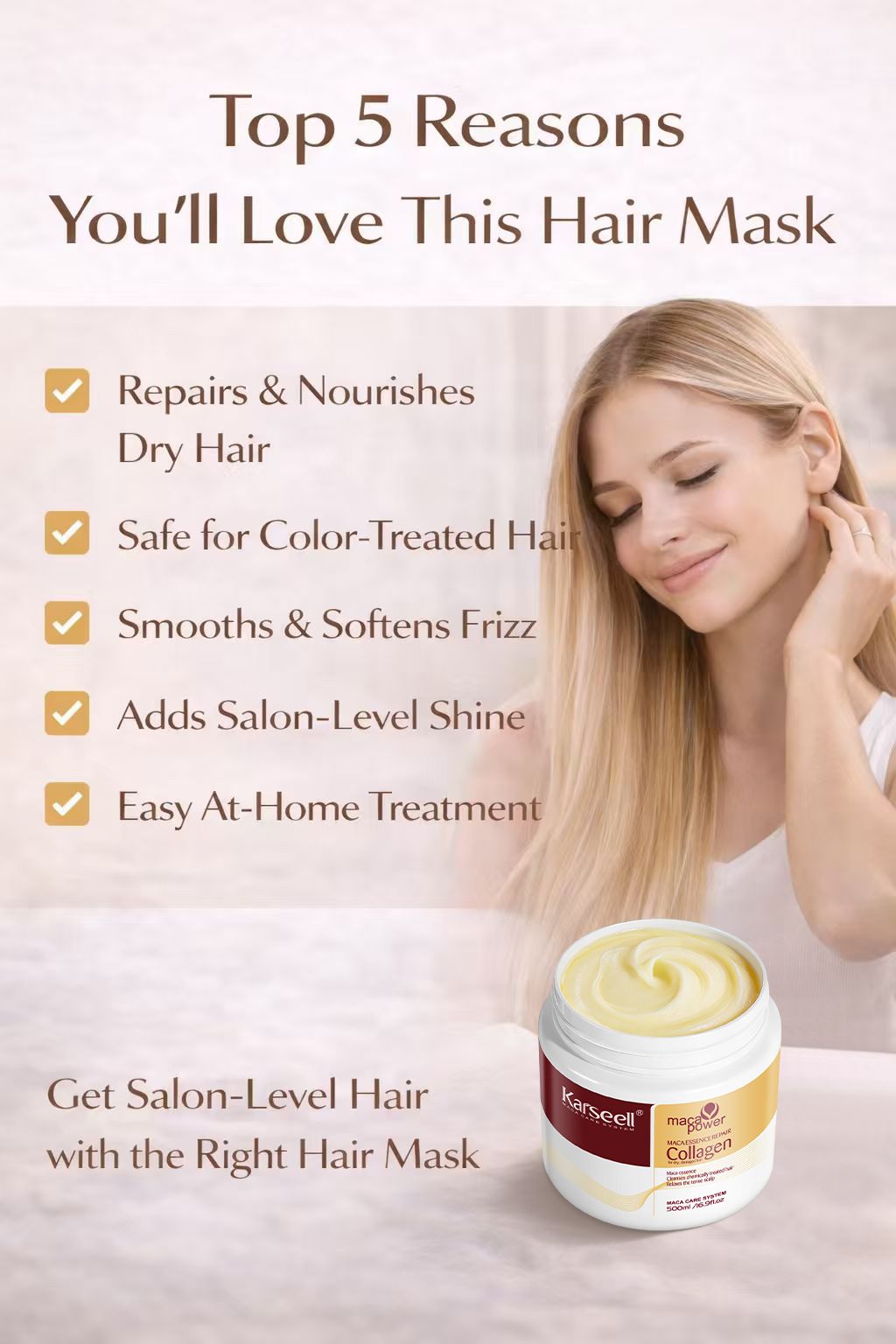
For most commercially available hair masks, the ideal leave-on time falls between 10 and 20 minutes. This window allows the active ingredients to fully penetrate the cuticle and begin their repair work without risking overexposure that can lead to negative effects. However, the exact timing depends heavily on the type of mask and your hair’s specific condition.
Standard Deep Conditioning Masks (10-20 minutes): For most moisturizing and nourishing hair masks, 10-20 minutes is the sweet spot. Most product labels recommend this timeframe for a reason — it is based on the time required for the average formula to reach full effectiveness. Set a timer rather than guessing, as subjective perception of time in the shower is notoriously unreliable.
Protein Masks (5-10 minutes): Protein masks are a different category entirely and require more caution. These masks work by depositing protein molecules that bond to damaged areas of your hair shaft. While this sounds beneficial, excessive protein exposure can lead to a condition called protein overload, where hair becomes rigid, brittle, and prone to snapping. Never exceed 10 minutes with a protein-focused mask, and never use them more than once a week.
Intensive Overnight Treatments (6-8 hours): Some formulations are specifically designed for overnight use and contain lower concentrations of active ingredients to prevent the risk of overexposure. If your mask is labeled as safe for overnight use, follow the package directions carefully. Never leave a regular hair mask on overnight unless it is explicitly formulated for that purpose.
Factors That Affect How Long You Should Leave a Hair Mask On
While the standard guidelines give you a starting point, several individual factors can influence the optimal timing for your hair mask treatment. Understanding these variables will help you customize the standard recommendations to your hair’s unique needs.
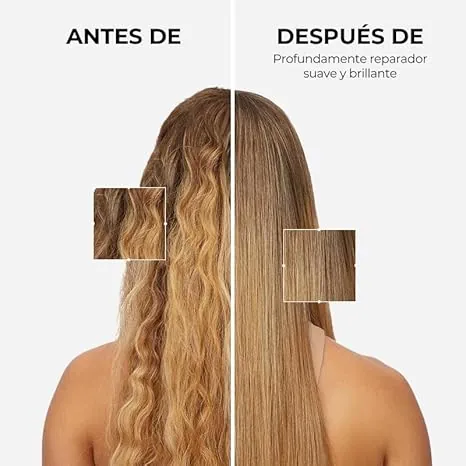
Hair Porosity: High porosity hair, which has gaps and holes in the cuticle from damage or chemical processing, absorbs products quickly but also loses them quickly. For high porosity hair, shorter application times (7-10 minutes) can be more effective than longer ones, as the hair will have absorbed what it needs and longer exposure offers diminishing returns. Low porosity hair, with its tightly sealed cuticle, may need the full 20 minutes or even longer with heat to open the cuticle enough for product penetration.
Hair Damage Level: Severely damaged hair — the kind that is bleached, heavily heat-styled, or chemically treated — often benefits from longer application times because its compromised structure allows deeper and faster product penetration. However, this same damage means it is also more susceptible to protein overload. Balance is critical.
Use of Heat: Applying gentle heat during a hair mask treatment is one of the most effective ways to accelerate and enhance the deep conditioning process. Heat causes the cuticle to lift slightly, allowing conditioning agents to penetrate more deeply and quickly. With heat application, you can often achieve the same results in 10-15 minutes that would take 20-30 minutes without heat. A warm towel wrapped around your hair, a shower cap worn in a warm bathroom, or a dedicated hooded dryer all work effectively.
Mask Formula Strength: More concentrated formulas — those with higher percentages of active ingredients — typically require shorter application times. The best hair masks for dry hair are often highly concentrated precisely so that they can deliver results in the standard 10-20 minute window without requiring exotic application techniques.
The Risks of Leaving a Hair Mask On Too Long
More is not always better when it comes to deep conditioning time. In fact, leaving a hair mask on for excessively long periods can produce results that are exactly the opposite of what you intended. Understanding these risks will help you recognize when your timing choices need adjustment.
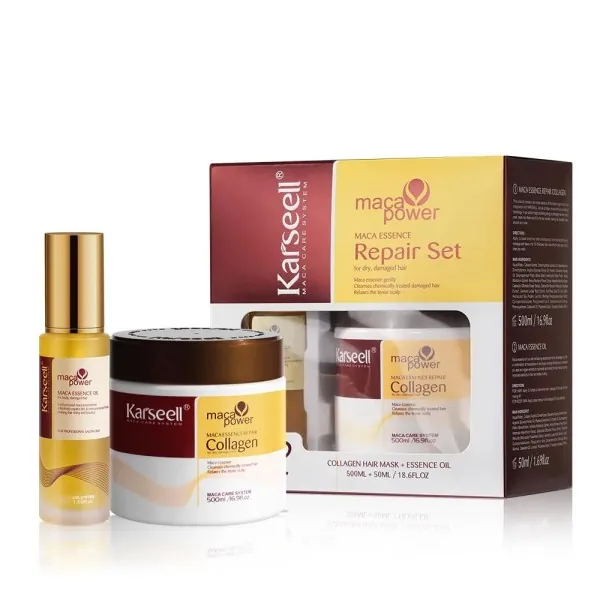
Protein Overload: This is the most significant risk of prolonged hair mask use, particularly with masks that contain hydrolyzed proteins, keratin, or collagen. Initially, protein makes hair feel stronger and smoother. But excessive protein creates a hard, inflexible coating around each hair strand that cracks under stress, leading to increased breakage rather than reduced breakage. If your hair feels stiff, wiry, or snaps easily after using a hair mask, you may be experiencing protein overload from leaving it on too long.
Moisture Overload: On the other end of the spectrum, over-moisturized hair loses its structural integrity and becomes limp, flat, and mushy. This is less common than protein overload but can occur when very heavy moisturizing masks are left on for excessive periods, especially on fine hair that cannot support the added weight.
Product Buildup: Extended application times can lead to product accumulation on the hair shaft that is difficult to remove even with shampooing. This buildup can make hair appear dull and greasy and may eventually require a clarifying treatment to remove.
Optimizing Your Hair Mask Timing for Different Hair Types
Tailoring your hair mask application time to your specific hair type is the secret to achieving consistently excellent results. Here is a comprehensive guide to optimizing your deep conditioning time based on your hair’s characteristics.
For fine or thin hair, keep applications to 10-15 minutes maximum. Use lightweight, moisturizing formulas rather than heavy protein-based ones. Fine hair does not have the structural density to support heavy product layers, and longer application times increase the risk of flat, limp results. Always rinse thoroughly to prevent any residue that could further weigh down your hair.
For medium-density hair, the standard 15-20 minute window works well for most formulas. This hair type has enough structural integrity to benefit from full-strength applications without the risk of collapse that fine hair faces. Combine your treatment with gentle heat for best results.
For thick, coarse, or curly hair, longer application times of 20-30 minutes can be beneficial, especially for masks specifically formulated for dry, damaged, or textured hair. These hair types have the density to support heavier product loads, and the extra time allows the conditioning agents to penetrate through the multiple layers of a thick hair strand.

Frequently Asked Questions About Hair Mask Time
Can I leave a hair mask on for 30 minutes?
Yes, 30 minutes is generally safe for most standard deep conditioning masks on medium to thick hair types, especially when combined with heat. However, it is not necessary for most formulas and may increase the risk of product buildup if done frequently. For fine hair, 30 minutes is too long. Always check the product label — if it specifies a maximum time, respect that limit.
Is it better to leave a hair mask on longer with heat or without heat?
Heat dramatically improves the effectiveness of hair mask treatments and allows for shorter application times. With heat, you typically need 10-15 minutes to achieve what would take 20-30 minutes without heat. If you do not have a hooded dryer, running hot water in your bathroom to create a steamy environment, then wrapping your hair in a warm towel, is an effective DIY alternative. Just never use excessive direct heat from a hair dryer on a hair mask, as this can cause uneven drying and overheating.
What happens if I leave a hair mask on overnight?
Unless your mask is specifically formulated and labeled for overnight use, leaving it on while you sleep is not recommended. The extended exposure to active ingredients — particularly proteins — can lead to serious protein overload. Additionally, a standard hair mask on a pillowcase creates friction that can damage your hair while you sleep. If you want an overnight treatment, choose a product specifically designed for this purpose.
How often should I use a deep conditioning hair mask?
For most people, once every 7-10 days is the ideal frequency for a deep conditioning hair mask treatment. Using one more frequently than twice a week risks protein overload, especially if you use protein-rich formulas. Those with very dry or chemically treated hair may benefit from weekly treatments, while those with naturally oily hair or fine hair may only need a treatment every two weeks.
Can I apply a hair mask to dry hair?
Yes, applying a hair mask to dry hair before shampooing — a technique called pre-pooing — is an excellent way to protect your hair during the cleansing process. Simply apply the mask to dry hair, wait 20-30 minutes, then shampoo as normal. The oil in the mask creates a protective barrier around the hair strand that shields it from the surfactants in the shampoo. This technique is particularly beneficial for those with dry or damaged hair who want extra protection during washing.
Conclusion
The question of how long you should leave a hair mask on does not have a one-size-fits-all answer, but the general guideline of 10-20 minutes works well for most people and most products. The real secret lies in understanding the factors that influence optimal timing — your hair type, the mask’s formulation, the level of damage, and whether you use heat — and adjusting accordingly.
The most important thing you can do is start with the manufacturer’s recommended time and adjust from there based on how your hair responds. Pay attention to how your hair feels after each treatment. If it is stiff and brittle after protein masks, reduce your time. If it is still dry and frizzy after moisturizing masks, try extending the time or adding heat. Your hair is constantly communicating with you — learn to listen.
Set a timer. Treat your hair with intention. The cumulative effect of consistent, properly-timed deep conditioning treatments is hair that is visibly smoother, stronger, and more resilient over time.

