

It is a question that comes up constantly in hair care forums and bathroom conversations: Can you use a hair mask every day? The short answer is: it depends on the mask and your hair. The long answer is much more nuanced — and understanding it can mean the difference between hair that thrives and hair that suffers.
For context on how hair masks work in general, read our Complete Guide to Hair Masks.
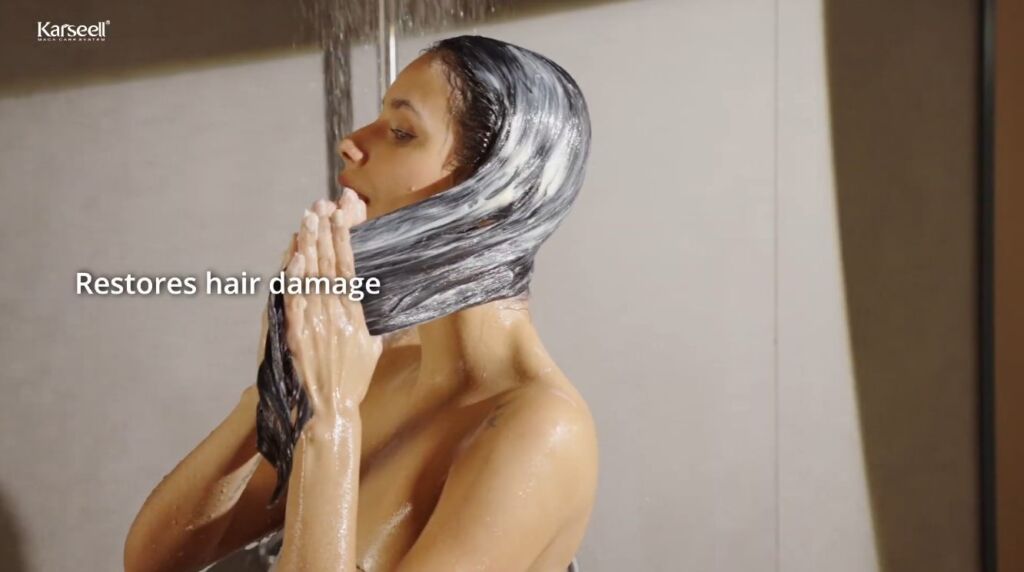 Daily hair mask use requires choosing the right type of mask for your hair needs.
What Does “Using a Hair Mask Every Day” Actually Mean?
First, let us clarify what we are talking about. There is a significant difference between:
- Using an intensive repair mask daily — a heavy protein treatment applied every single day
- Using a lightweight conditioning mask or leave-in treatment daily — a gentle, nourishing formula designed for frequent use
These are not the same thing, and conflating them is where most of the confusion comes from. When people ask about daily hair mask use, they are usually thinking of intensive masks — and those are almost never appropriate for daily use.
The Case Against Daily Intensive Mask Use
Most traditional hair masks — especially those marketed as deep conditioning, repair, or protein treatments — are formulated for periodic, intensive use. Here is why daily use of these masks can be problematic:
Protein Overload
Many intensive masks contain significant amounts of hydrolyzed proteins (keratin, collagen, silk amino acids). While protein is essential for hair repair, too much of a good thing creates a condition called protein overload. Hair that is protein-overloaded becomes stiff, brittle, and prone to snapping — the opposite of what you want.
Signs of protein overload:
- Hair feels stiff, straw-like, or waxy
- Hair snaps easily when stretched
- Hair does not absorb moisture properly
- Hair looks dull despite conditioning
- Frizz increases rather than decreases
Product Buildup
Daily application of any conditioning product — even a good one — can lead to buildup on the hair cuticle. This buildup can:
- Make hair feel heavy and flat
- Reduce the hair ability to absorb moisture
- Create a barrier that repels styling products
- Attract dirt and environmental pollutants
Cuticle Saturation
Hair can only absorb so much at once. When you apply a mask daily, the active ingredients may sit on the surface rather than penetrating deeply — essentially wasting the product. Your hair needs time between treatments to process and integrate the benefits.
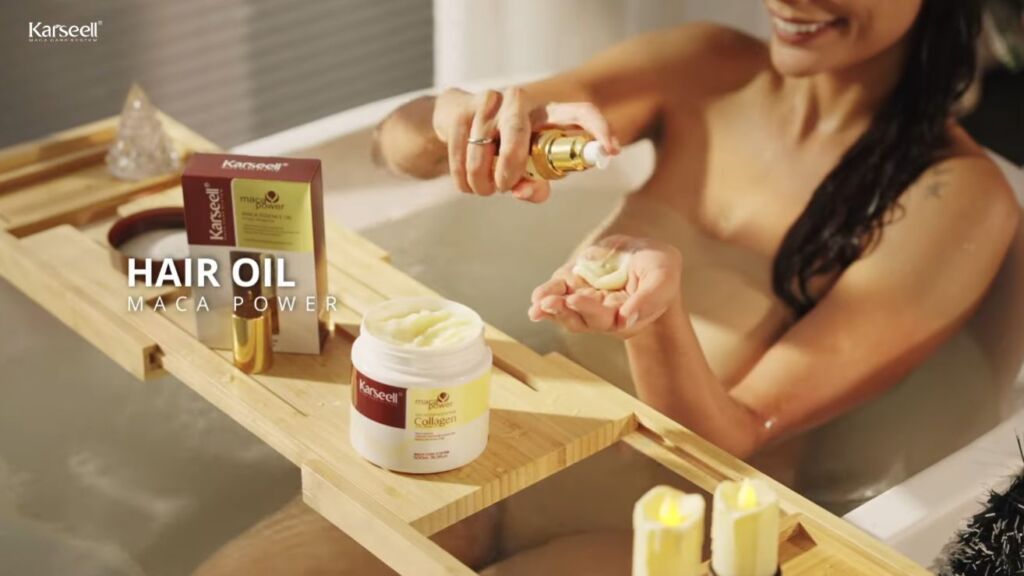 Hair mask frequency should be tailored to your hair type and the specific mask formulation.
The Case FOR Regular (Not Daily) Mask Use
This does not mean hair masks should be rare. In fact, the opposite is true: consistent, regular mask use is one of the most effective things you can do for your hair. The key is finding the right frequency for your specific situation.
Recommended Frequency by Hair Type and Mask Type
For Intensive Repair/Protein Masks
- Heavily damaged or bleached hair: 2 times per week maximum
- Mildly damaged hair: Once per week
- Healthy hair: Every 2 weeks or as needed
- Fine or low-porosity hair: Once every 2-3 weeks
For Moisturizing/Hydrating Masks
- Dry or coarse hair: 2-3 times per week
- Medium-textured hair: 1-2 times per week
- Fine or oily hair: Once per week or every 10 days
For Lightweight/Daily Conditioner Masks
There is a growing category of masks specifically formulated for frequent — even daily — use. These are different from intensive masks:
- Water-based rather than oil-heavy
- Lightweight consistency that does not weigh down hair
- Lower concentration of active ingredients
- Designed to be used after every shampoo
If a product is marketed as a “daily conditioner” or “daily hair mask,” it has been formulated for more frequent use. Always follow the specific product instructions.
Signs You Are Over-Masking
Whether you are using a mask daily or just too frequently, here are the signs that something is wrong:
- Hair feels greasy even after rinsing: You are using too much product or too heavy a formula
- Hair is stiff and snaps: Protein overload from too frequent protein mask use
- Hair is limp and flat: Too much moisture without protein balance, or product buildup
- Itchiness or flaking on the scalp: Product accumulation near the scalp can cause irritation
- Frizz worsens over time: The mask is coating the hair rather than treating it properly
The Right Way to Incorporate Masks into Your Routine
Assess Your Hair First
Before deciding on frequency, honestly assess:
- How damaged is your hair?
- What is your hair porosity?
- How does your hair typically respond to products?
- Are you using protein masks or moisturizing masks?
Start Conservative
Begin with once a week. After 3-4 weeks, assess whether your hair has improved, stayed the same, or worsened. Adjust from there. More is not always better — in fact, with intensive masks, less is often more.
Pay Attention to Seasonal Changes
Your hair needs change with the seasons:
- Winter: Hair tends to be drier — you may benefit from more frequent moisturizing masks
- Summer: Sun, salt, and chlorine can damage hair — consider repair masks after beach or pool days
- Humid weather: Lighter masks may work better than heavy protein treatments
Leave-In Masks vs. Rinse-Out Masks
One way to incorporate more frequent conditioning without the risks of intensive masks is to use leave-in treatments:
- Rinse-out masks: Applied in the shower, left for 5-30 minutes, then rinsed out. These are the traditional intensive masks.
- Leave-in conditioners and creams: Applied after washing, not rinsed. These provide ongoing moisture throughout the day.
- Sleeping masks: Overnight treatments designed for gentle, sustained conditioning. These are formulated to be safe for extended wear.
If you want the benefits of daily conditioning without daily intensive mask sessions, a daily leave-in conditioner or sleeping mask may be the right solution.
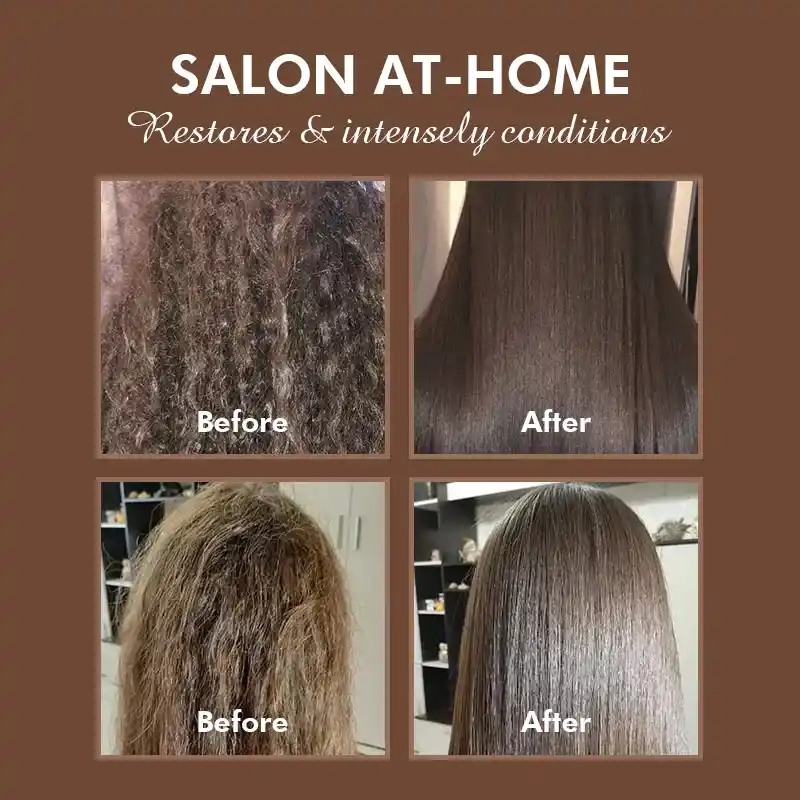 A sample weekly hair mask schedule balancing protein and moisture treatments.
Frequently Asked Questions
Can I use a hair mask twice a day?
Using an intensive mask twice a day is not recommended under any circumstances. If you want to condition your hair more than once in a day, use a lightweight leave-in conditioner rather than a traditional rinse-out mask. Even sleeping masks are not meant for use more than once per night.
What happens if I use a protein mask every day?
Daily protein mask use almost guarantees protein overload, which causes hair to become brittle, stiff, and prone to breakage. This is one of the most common hair care mistakes. Protein masks should be used no more than once per week for most people.
Is it okay to use a hair mask every day if my hair is very dry?
Very dry hair may benefit from more frequent conditioning, but the type of product matters enormously. Choose a lightweight, water-based, moisturizing mask rather than a heavy protein treatment. A daily leave-in conditioner or a sleeping mask may be a better daily solution than intensive rinse-out masks.
How long should I wait between hair mask applications?
For intensive masks, a minimum of 3-4 days between applications is ideal for most hair types. For moderate-use masks, every 2-3 days is reasonable. For lightweight daily conditioners, daily use is acceptable as long as the product is designed for it.
Can I skip conditioner and just use a hair mask every day?
If you are using the right mask, possibly. A good moisturizing mask used daily can replace a regular conditioner in some cases. However, conditioner and mask serve slightly different purposes: conditioner is for quick surface smoothing and detangling, while a mask is for deeper treatment. Many people benefit from using both — shampoo, then mask, then no conditioner needed.
The Bottom Line
Can you use a hair mask every day? Yes — if you are using the right type of mask. Lightweight, moisturizing masks and leave-in conditioners formulated for daily use can be used every day without issue. However, intensive repair, protein, and deep conditioning masks are not designed for daily use and can cause more harm than good when over-applied.
The safest approach: start with one intensive mask application per week, assess your hair response, and build from there. Browse our range of hair masks and choose the right formulation and frequency for your unique hair needs.
