
The allure of daily hair oiling is easy to understand. You wake up, your hair looks a little frizzy, you apply a drop of oil, and suddenly it is smooth, shiny, and manageable. It works so well that you wonder — why not do this every day? Surely more oil means more shine, more moisture, more protection, and healthier hair. The logic seems sound. But is daily hair oil application actually beneficial, or is it a fast track to greasy, weighed-down strands that are more prone to problems than prevention?
The honest answer is: it depends. The benefits of daily hair oil application vary dramatically based on your hair type, the specific oil you are using, how much you apply, and what other products and practices are part of your overall hair care routine. What works wonderfully for one person’s thick, dry, curly hair could be an absolute disaster for another’s fine, thin, oily strands.
In this article, we are going to examine the science of daily hair oiling, explore the genuine benefits, honestly assess the risks, and give you a clear framework for determining whether daily oil application is right for your hair.
Understanding What Hair Oil Actually Does for Your Hair
Before we can evaluate whether daily use is beneficial, we need to understand the fundamental role that hair oil plays in hair health. Unlike skin, which actively produces oil through sebaceous glands, hair itself does not produce any oils. The scalp produces sebum, but by the time it travels down the length of long hair, most of its moisturizing benefits have been depleted. This is why supplemental oil application becomes increasingly important the longer your hair grows.
Hair oil works through several mechanisms. First, it acts as an occlusive agent — a substance that forms a protective barrier over the hair cuticle, preventing transepidermal water loss and locking in the moisture that has been deposited by conditioners and treatments. Second, it provides slip — the lubricity that makes hair easier to comb through, dramatically reducing mechanical breakage from brushing and styling. Third, certain oils contain bioactive compounds — vitamin E in argan oil, lauric acid in coconut oil — that can provide genuine nourishing benefits beyond mere surface smoothing.
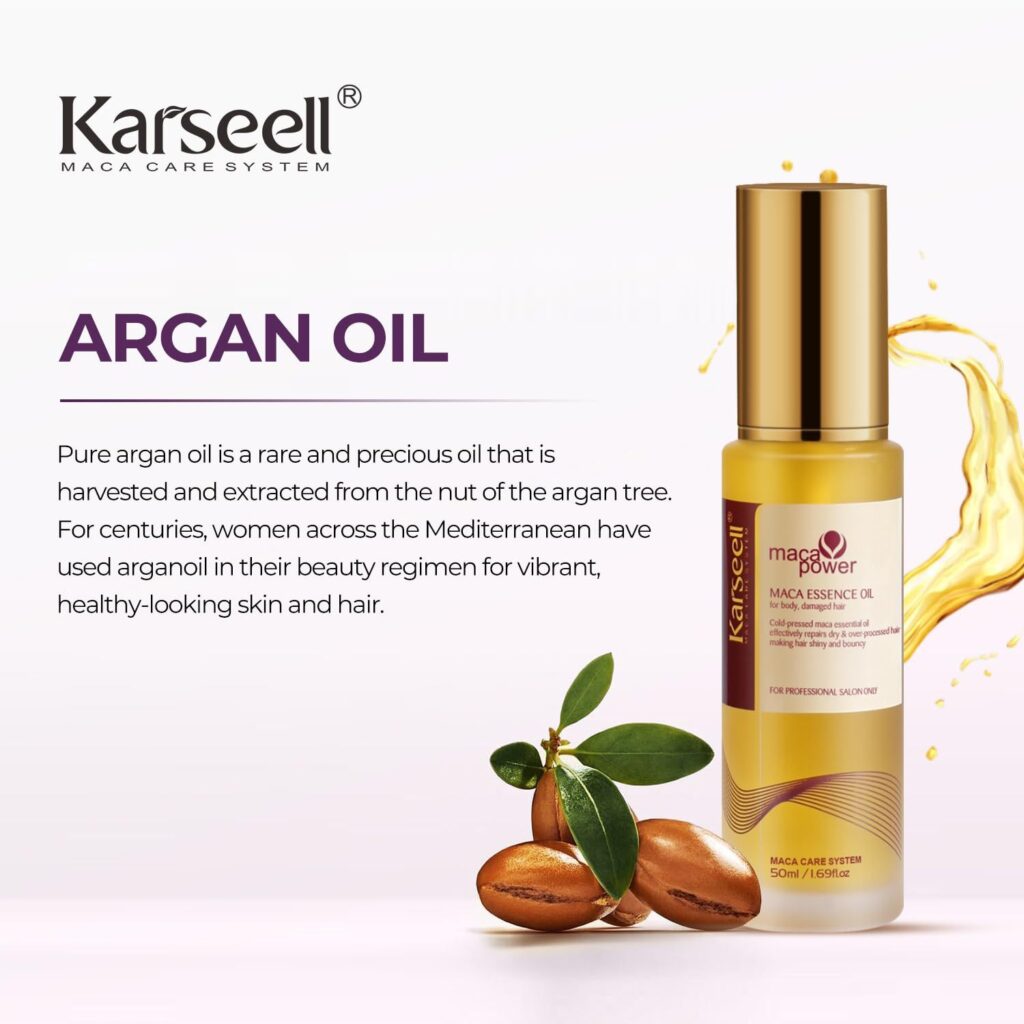
The best hair oils are those that combine these occlusive and nourishing properties in a way that matches your hair’s specific needs. Moroccan argan oil, for example, is rich in oleic and linoleic fatty acids that are structurally similar to human sebum, making it exceptionally well-absorbed and tolerated by most hair types without causing greasiness.
The Benefits of Daily Hair Oil Application
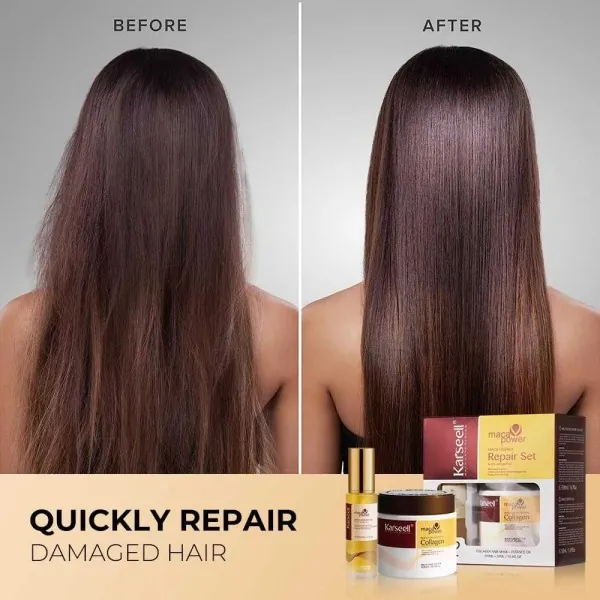
For the right hair type, daily oil application can be genuinely transformative. Here are the most significant benefits that consistent daily users report and that are supported by both user experience and hair science.
1. Consistent Protection Against Damage
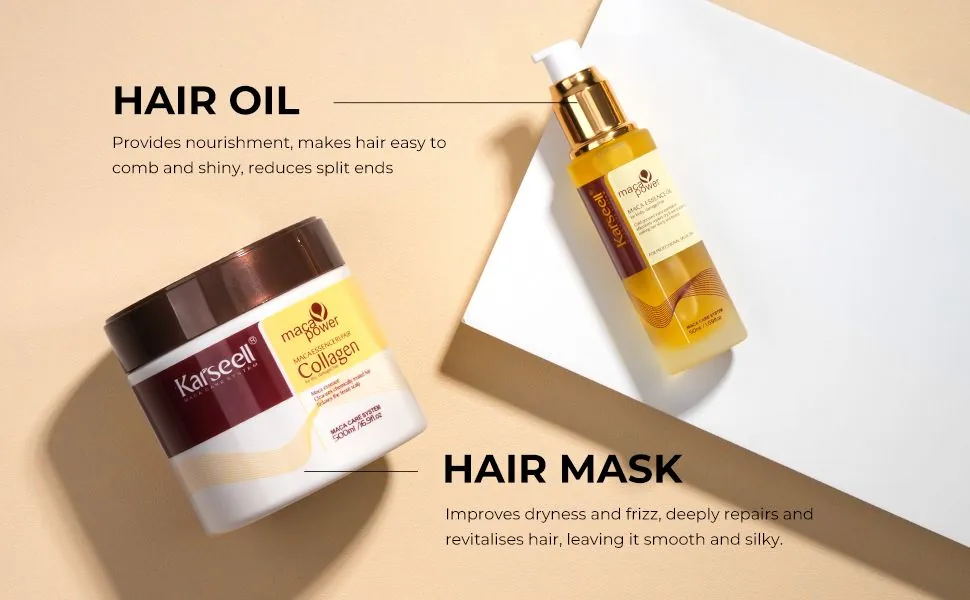
Daily oil application creates a continuous protective shield around each hair strand. For those who use heat styling tools regularly, this is invaluable. Every time you run a flat iron or curling wand through your hair, you are subjecting it to temperatures that can exceed 400 degrees Fahrenheit. Even with a heat protectant spray, a layer of oil provides an additional barrier that reduces direct heat exposure to the hair cuticle. Over time, this cumulative protection significantly reduces the progressive damage that heat styling inevitably causes.
2. Dramatic Reduction in Breakage and Split Ends
Split ends and breakage are primarily caused by mechanical stress — brushing, combing, friction from pillows and clothing, and general handling. Oil provides the slip that dramatically reduces friction, meaning each brush stroke causes less damage. For those with long hair that tangles easily, this daily friction reduction can mean the difference between hair that maintains its length and hair that breaks off faster than it grows.
3. Improved Moisture Retention
Daily oiling helps maintain consistent moisture levels in the hair shaft, which is essential for maintaining elasticity and preventing brittleness. When hair is consistently moisturized, it is more resilient, more manageable, and more capable of withstanding the everyday stresses of styling and manipulation. The combination of regular deep conditioning and daily oil sealing is particularly powerful for creating and maintaining optimal moisture balance.
4. Enhanced Shine and Aesthetic Appeal
There is no denying the visual transformation that even a small amount of oil can create on dry, dull hair. Light reflection off a smooth, oiled cuticle is dramatically different from light reflection off a rough, dry one. For those who care about the appearance of their hair — and there is nothing wrong with that — daily oiling delivers an immediate aesthetic payoff that can significantly boost confidence.
The Risks of Daily Hair Oil Application
Despite these benefits, daily oiling is not without risks. Over-application or application to the wrong hair type can create a set of problems that are genuinely frustrating to deal with.
1. Product Accumulation and Buildup
This is the most common risk of daily oiling, especially with heavier oils or in combination with other styling products. When oil accumulates on the hair shaft, it creates a barrier that prevents water and other beneficial products from penetrating the cuticle. The result is hair that looks greasy but is paradoxically dry underneath — a condition that is difficult to treat because the buildup prevents deep conditioning treatments from working effectively. Clarifying shampoos can address this issue, but prevention is always better than cure.
2. Weighed-Down, Limp Hair
Fine hair has limited structural integrity, and the addition of daily oil application can push it past the point of manageability. Instead of the smooth, voluminous look you are after, you end up with flat, stringy strands that cling together and look unwashed. This is especially problematic for those with thin or fine hair who naturally produce more scalp sebum than those with coarse or textured hair.
3. Scalp Issues
Applying oil directly to the scalp every day can clog pores and disrupt the delicate microbiome of the scalp environment. For those predisposed to scalp conditions like dandruff or seborrheic dermatitis, daily scalp oiling can exacerbate these issues. Even those with healthy scalps may notice increased itching or a sensation of congestion if they apply oil directly to the scalp too frequently.
Making the Decision: Is Daily Hair Oil Right for You?
Here is a practical framework for deciding whether daily oil application is appropriate for your hair. Answer these questions honestly:
What is your hair type? If you have fine, thin, or straight hair, daily oiling is generally not recommended. If you have thick, coarse, curly, or textured hair, daily oiling is more likely to benefit you. If you have chemically treated or heat-styled hair of any type, a small amount of oil applied to the mid-lengths and ends can be highly beneficial.
What is your climate? Humidity plays a significant role in how hair responds to oil. In very humid environments, oil can attract and hold moisture, leading to frizz and puffiness rather than smoothness. In dry climates, the benefits of daily oiling are more pronounced because there is more moisture pulling from the hair throughout the day.
How much heat styling do you do? The more heat styling you use, the more benefit you will derive from daily oil application as a protective measure. If you rarely use heat tools and your hair looks healthy, you may need oil less frequently.
Guidelines for Those Who Should Use Hair Oil Daily
If your hair type and circumstances indicate that daily oiling is right for you, here are the guidelines to do it correctly and safely.
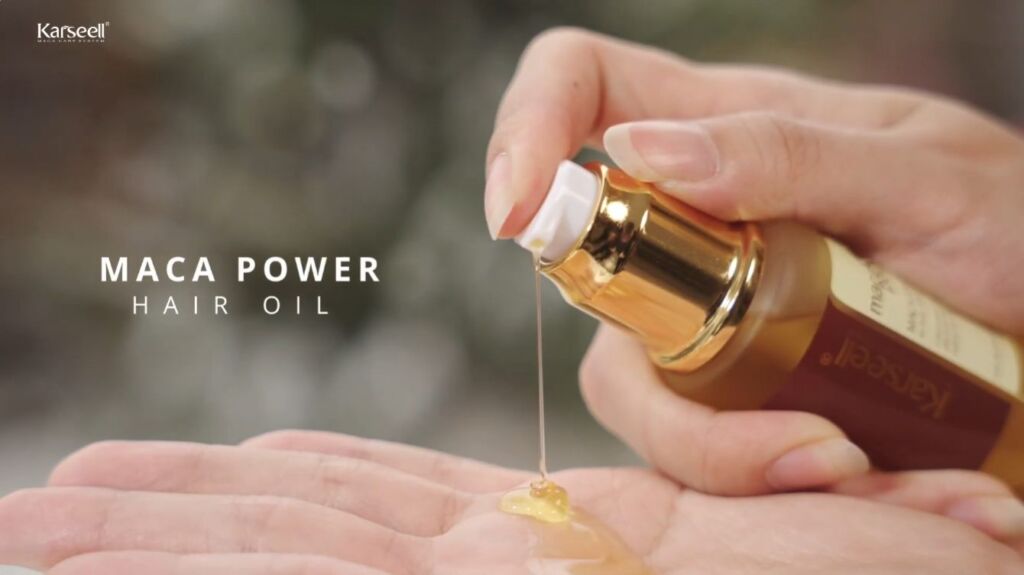
Less is genuinely more. Start with one drop of oil rubbed between your palms and applied to the mid-lengths and ends. If your hair absorbs this within a few hours without looking greasy, add a second drop next time. Keep increasing until you find the minimum effective dose — the smallest amount that delivers the benefits you are after.
Focus on the ends. The oldest part of your hair — the ends — always needs the most oil. The roots and scalp area rarely need direct oil application. Keeping oil away from the roots prevents scalp congestion and avoids the weighed-down look that makes fine hair look flat.
Apply to damp hair. Applying oil to damp hair after washing — before the hair dries — allows for more even distribution and better absorption. The water in your hair acts as a carrier that helps the oil spread more easily through the strands.
Rotate with days off. Even if daily oiling is right for you, giving your hair occasional days without oil allows for deeper cleansing and product reset. Consider oiling on alternate days rather than every single day, and use a clarifying shampoo once every two weeks to prevent buildup.
Frequently Asked Questions About Daily Hair Oil Use
Can I apply hair oil to my scalp every day?
In most cases, daily scalp oiling is not recommended. The scalp naturally produces sebum, and adding oil daily can disrupt this balance, potentially leading to clogged pores, acne on the scalp, and excessive greasiness. If your scalp is particularly dry, a light application of a suitable oil once or twice a week may be beneficial, but daily application to the scalp is generally unnecessary and potentially harmful.
What is the best hair oil for daily use?
For daily use, you want the lightest oil that still provides meaningful benefits. Moroccan argan oil is an excellent choice because it is relatively lightweight yet rich in nourishing fatty acids and vitamin E. Jojoba oil is another outstanding option as its molecular structure closely resembles human sebum and is easily absorbed without leaving a heavy residue. For curly or very thick hair, a blend that includes heavier oils like castor oil may be appropriate.
Will daily hair oil cause acne on my face?
If you apply oil to your hair and it frequently comes into contact with your face — for example, if you have long hair that rests on your cheeks or forehead — the oil could potentially contribute to breakouts along the hairline. To prevent this, tie your hair back when sleeping, wash your pillowcase regularly, and keep oil application focused on the mid-lengths and ends rather than the roots.
Can I use hair oil before swimming in chlorinated pools?
Yes, and this is actually one of the best times to use hair oil! Chlorine is extraordinarily damaging to hair — it acts as an oxidizing agent that strips color and degrades the protein structure of the hair shaft. Applying a layer of oil to your hair before swimming creates a protective barrier that significantly reduces chlorine absorption. Protecting your hair during swimming is one of the most effective preventive measures you can take.
How do I know if I am using too much hair oil?
The clearest sign is appearance: if your hair looks greasy or stringy within 2-4 hours of application, you are using too much. Another sign is that your hair feels limp or lacks volume even when freshly styled. If you suspect overuse, reduce the amount by half and observe the results for a week before adjusting further.
Conclusion
So, can hair oil be used every day? The answer is a nuanced yes — for the right hair types, in the right amounts, applied to the right areas of the hair. For those with thick, coarse, curly, or heavily processed hair, daily oiling can provide genuine and meaningful benefits: protection from heat and environmental damage, reduced breakage and split ends, improved moisture retention, and enhanced aesthetic appeal. For those with fine, thin, or oily hair, daily oiling is more likely to cause problems than solve them.
The key principles are simple: use the minimum effective dose, focus on the mid-lengths and ends rather than the scalp, apply to damp hair for better distribution, and give your hair regular breaks from oil to allow for deep cleansing and product reset. Listen to your hair. If it looks greasy, reduce. If it feels dry and brittle, you may need more.
Hair care is not about following rigid rules — it is about developing a nuanced understanding of your own hair and responding to its needs with informed, intentional choices. Start conservative, observe results, and adjust from there. Your hair will tell you everything you need to know if you pay attention.

