
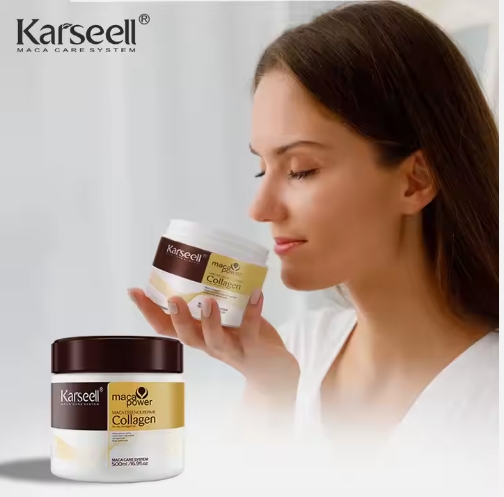
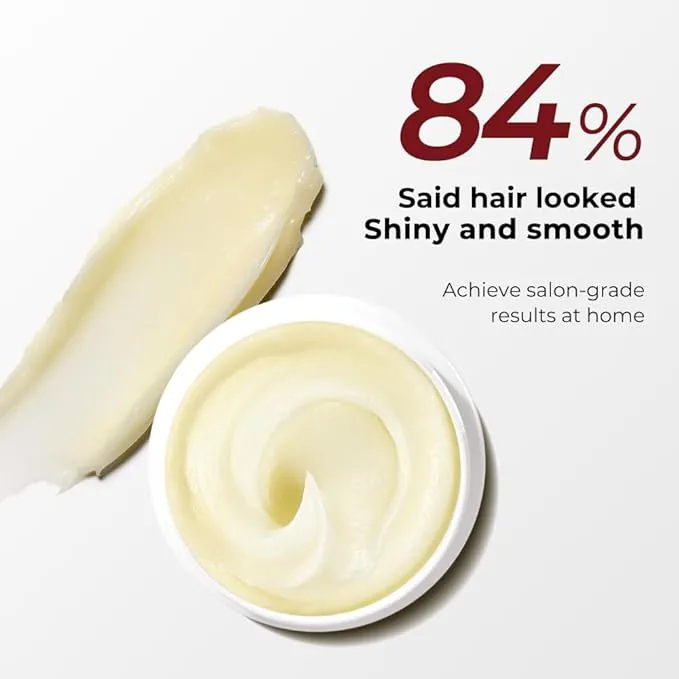

Who Is This Guide For?
This article is designed for anyone who lives with an oily scalp but still wants smooth, healthy, and manageable hair. Several specific groups will find this guide particularly useful.
Daily washers with persistently greasy roots: If your hair feels oily within hours of shampooing, your sebaceous glands are likely overactive. The Karseell Collagen Hair Mask lets you address strand dryness and damage without feeding this cycle at the scalp. Applying the mask only to the mid-lengths and ends means your roots receive no additional oils while your damaged strands get the deep repair they need.
Combination hair types: Many people have scalps that produce excess oil while their mid-lengths and ends remain dry, brittle, or damaged. This targeted approach, masking the strands without touching the scalp, solves both problems simultaneously and effectively.
People recovering from product buildup: Heavy styling products, silicone-based serums, and accumulated dry shampoo can clog follicles and disrupt the scalp’s natural balance. Using the mask helps restore hair health and texture during the reset period while transitioning to lighter products.
Post-color and post-bleach care: Color-treated hair is almost always drier at the mid-lengths and ends than at the scalp, even when the scalp itself is actively oily. The Karseell Collagen Hair Mask delivers repair exactly where color damage occurs, without interfering with the scalp’s sebum regulation.
Anyone transitioning from harsh sulfate shampoos: Switching to gentler cleansers often causes a phase of increased oiliness as the scalp adjusts. This guide and the mask together help navigate that transition without sacrificing hair quality.
The Complete Science Behind Oily Hair
Understanding why your scalp produces excess sebum is the first step toward managing it effectively. Sebum, the waxy oily substance produced by the sebaceous glands, is not inherently bad. It plays several essential protective roles.
Sebum creates a waterproof barrier on the scalp that prevents excessive moisture loss from the skin. The fatty acids in sebum create an acidic environment that inhibits the growth of certain harmful bacteria and fungi. Sebum also naturally conditions the hair strand, which is why very short-haired individuals often have naturally shinier, smoother hair with minimal effort.
However, when sebum production becomes excessive, it creates a cascade of problems: limp and flat hair, rapid greasiness, clogged follicles, and in some cases inflammatory scalp conditions.
Several key factors trigger overproduction of sebum.
Hormonal fluctuations are the most systemic cause. Androgens, the male-presenting hormones present in all human bodies, directly stimulate sebaceous gland activity. Hormonal changes during puberty, menstrual cycles, pregnancy, menopause, and periods of high stress all measurably affect sebum production rates.
Over-washing is the most common and paradoxical cause of oily hair. When you wash with a harsh shampoo every day, you strip the scalp of its natural oils completely. The skin then overcompensates by producing significantly more sebum to restore the protective barrier. This creates a self-reinforcing cycle of washing, stripping, overproduction, greasiness, and washing again.
Genetic predisposition plays a significant role. Some individuals are simply born with more active sebaceous glands. If your parents had oily skin or hair, your likelihood of experiencing the same is substantially higher.
Dietary factors can influence sebum production. High-glycemic diets rich in sugar and refined carbohydrates can increase insulin levels, which in turn stimulates androgen activity and sebum production. Some individuals notice a direct and measurable correlation between dietary changes and scalp oiliness.
Using the wrong hair care products compounds the problem. Heavy, occlusive products like wax-based pomades or silicones applied directly to the scalp trap sebum and create a feedback loop of buildup and overcompensation by the sebaceous glands.
The Karseell Collagen Hair Mask addresses strand health without disrupting the scalp’s natural balance, breaking this cycle from the opposite direction.
Why Collagen Is the Smartest Choice for Oily, Damaged Hair
Among all the ingredients used in hair care, collagen stands out for combination hair types because of its unique dual action that addresses both the oiliness at the root and the dryness at the tip.
Structural repair without adding weight is the first key benefit. Collagen peptides are small enough to penetrate the hair shaft but large enough not to simply coat the surface like heavy silicones or oils. This means you receive genuine internal repair, strengthening from within the cortex, without any detectable oily or waxy residue on the surface.
Moisture balance restoration is the second benefit. Dry, damaged hair has elevated porosity with gaps and cracks in the cuticle that cause it to absorb moisture from the environment inconsistently and release it rapidly. Collagen reduces this porosity by filling in the gaps, creating a more uniform cuticle surface. When the hair’s moisture balance is restored, it indirectly supports normal sebum regulation rather than overcompensation by the glands.
Amino acid replenishment is the third benefit. Keratin, the primary protein in hair, is made up of amino acids. Color-treated, heat-styled, and mechanically stressed hair is depleted of these amino acids over time. Collagen provides a rich source of rebuilding blocks that help restore the hair’s structural integrity.
Lightweight hydration sets collagen apart from heavier options. Unlike shea butter, coconut oil, or castor oil that sit on top of the hair and can feel heavy and greasy, hydrolyzed collagen absorbs into the strand and delivers genuine hydration without any surface residue.
Professional Application Techniques for Maximum Results
The way you apply a hair mask matters as much as the mask itself. Here is the professional method for using the Karseell Collagen Hair Mask specifically on oily hair.
Start with a thorough cleanse using a gentle clarifying shampoo to remove surface oils, product buildup, and environmental residue. Never apply the mask to dirty or oily hair, as the active ingredients need direct contact with the clean hair fiber to be effective.
Towel-dry properly. Hair should be damp but not dripping wet when you apply the mask. Excess water dilutes the concentration of active ingredients. Use a microfiber towel and gently squeeze out the heaviest moisture for 30 to 60 seconds before applying the mask.
Section the hair for even application. For medium to long hair, divide your hair into four sections using clips. This ensures even application and prevents you from missing spots at the back of your head where coverage is often inconsistent.
Apply from the mid-lengths to ends only. This is the most critical instruction for oily hair types. Using a wide-tooth comb or your fingers, start applying the mask at the point where your hair is roughly ear-level and work down to the very tips. Do not apply any mask directly to the root area or the scalp.
Comb through each section gently after applying to ensure every strand is coated. Pay extra attention to the ends, which are the oldest and most damaged part of your hair and typically the most in need of repair.
Time the treatment correctly. Five to 10 minutes is the optimal window for most people. In a steamy shower environment, the warmth naturally opens the cuticle and deepens penetration. Even three minutes of application still provides meaningful benefit if you are short on time.
Rinse thoroughly with cool water. Cool water closes the cuticle completely, sealing in the moisture and collagen the mask has delivered. Thorough rinsing also ensures no residue is left on the hair surface, which is especially important for finer hair types that are prone to weighing down.
Long-Term Strategies for Managing Oily Hair
Using the Karseell Collagen Hair Mask weekly is a powerful foundation, but these complementary habits will accelerate and sustain your results over the long term.
Wash every other day at most. Allow your scalp to recalibrate its sebum production. Your scalp will eventually learn that it does not need to produce oil as frequently if it is not being stripped every single day. This recalibration typically takes 2 to 4 weeks of consistency.
Use dry shampoo strategically on non-wash days. Apply it at the roots only, not through the mid-lengths. Dry shampoo absorbs excess oil at the crown without disturbing the mask’s benefits on your ends. It also adds volume and extends the time between washes.
Adjust your sleeping surface. Cotton pillowcases absorb moisture and oils from your hair as you sleep and create friction that roughs up the cuticle overnight. Switching to silk or satin pillowcases reduces oil transfer and friction, meaning you wake up with smoother hair that stays cleaner longer.
Manage stress through whatever means work for you. Chronic stress elevates cortisol levels, which can stimulate sebum production throughout the body including the scalp. Even modest stress reduction through exercise, improved sleep, or mindfulness practices can produce a visible effect on scalp oiliness.
Stay hydrated internally. While drinking water does not directly affect scalp sebum production, adequate hydration supports overall skin health and can improve the condition of your hair from within. Aim for at least 8 glasses of water per day as a general health baseline.
Frequently Asked Questions
Will the mask make my hair greasy if I have an oily scalp?
No. When applied from the mid-lengths to the ends only, the Karseell Collagen Hair Mask adds moisture precisely where the hair needs it without contacting the sebaceous glands at the scalp. In fact, many users report that their hair feels lighter and cleaner overall after incorporating the mask, because their strands are no longer so dry and damaged that they attract and hold onto excess environmental grease and debris.
How quickly will I see visible results?
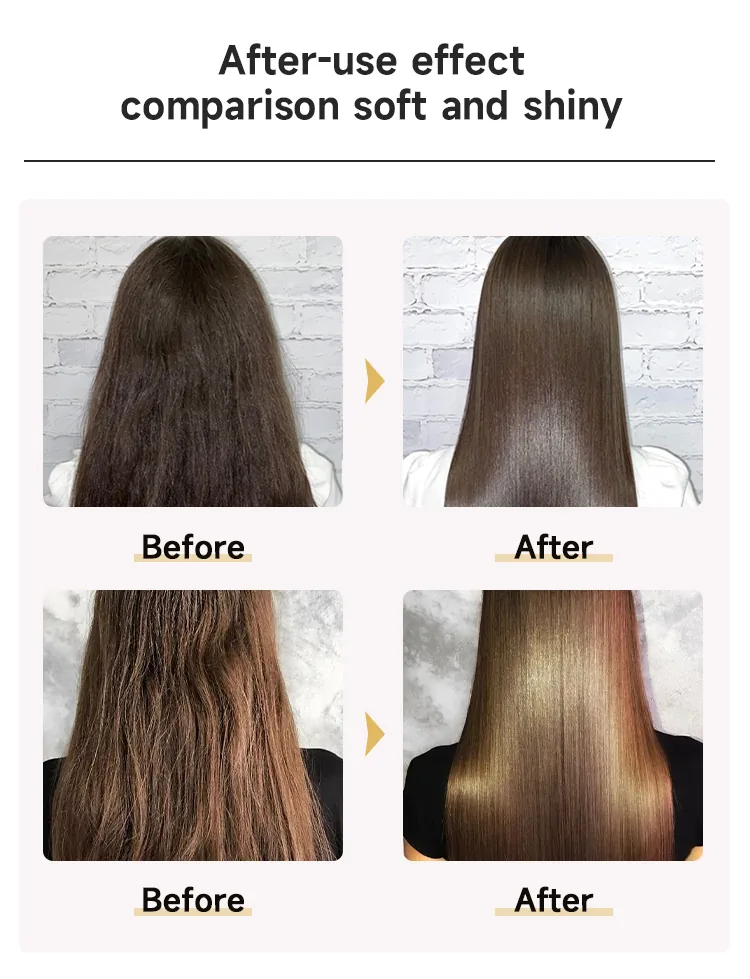
Most users notice a visible improvement in smoothness and shine after the very first application. For significant reduction in breakage and measurable improvement in overall hair texture, a consistent weekly routine over 4 to 6 weeks is recommended. The full benefit of reduced split ends is most apparent after 2 to 3 months, as this is roughly the time it takes for new hair growth to replace the most damaged sections.
Can I use the mask more than once a week if my hair is very dry?
Yes, but with caution. Two applications per week is the maximum recommended for most people. More frequent use, especially if any product contacts the scalp, can lead to over-conditioning and limpness. If you feel you need more moisture, consider adding a lightweight leave-in conditioner as a daily product while keeping the mask to once weekly.
I have both an oily scalp and a dry, flaky scalp. Can this help?
The mask addresses strand health directly, not the scalp surface. However, a healthier overall hair care routine that reduces inflammation and supports the scalp microbiome can indirectly improve both conditions. For active dandruff or seborrheic dermatitis, consult a dermatologist or trichologist for a targeted scalp treatment in addition to the mask.
Is the Karseell Collagen Hair Mask cruelty-free?
Karseell is committed to cruelty-free practices. The brand does not test finished products on animals and sources ingredients responsibly.
Can I use this alongside prescription scalp treatments?
Generally, yes. The mask is an external topical product applied only to the hair strands. However, if you are using a prescription treatment for a specific scalp condition, it is always wise to consult your prescribing physician before incorporating any new hair care product into your routine.

