
Hair porosity is a fundamental concept in hair care that often goes overlooked, yet it plays a crucial role in how your hair absorbs, retains, and responds to moisture, products, and environmental factors. At its core, hair porosity refers to the ability of your hair strands to absorb and hold onto water and other substances. This property is determined by the structure of the hair cuticle, which is the outermost layer of the hair shaft. The cuticle consists of overlapping scales, much like shingles on a roof, and the condition of these scales dictates whether your hair is low, medium, or high porosity.
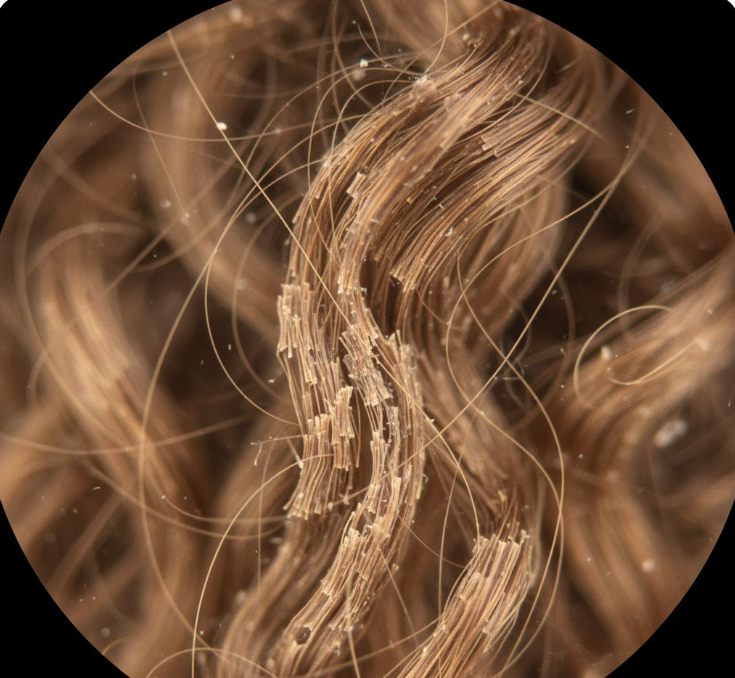
To break it down simply, imagine the cuticle as a protective barrier. In low-porosity hair, the scales lie flat and are tightly packed, making it difficult for moisture to penetrate. Medium-porosity hair has a balanced structure where the scales are slightly raised, allowing for adequate absorption without excessive loss. High-porosity hair, on the other hand, features raised or damaged scales with gaps, leading to quick absorption but poor retention of moisture. Understanding your hair’s porosity can transform your routine, helping you choose the right products and techniques to achieve healthier, more manageable hair.
The concept of hair porosity isn’t new; it has roots in trichology, the science of hair and scalp health. Factors like genetics, chemical treatments, heat styling, and environmental exposure all influence porosity. For instance, naturally curly or coily hair types, often associated with Black or textured hair, may have varying porosity levels due to the hair’s structure. Straight hair might lean toward lower porosity, but this isn’t a hard rule—individual variations abound.
Let’s delve deeper into the three main types of hair porosity. Low-porosity hair is characterized by its resistance to water and products. If you’ve ever applied conditioner only to find it sitting on the surface without sinking in, you might have low porosity. This type of hair often appears shiny and healthy on the outside but can feel dry internally because moisture struggles to enter. Build-up from products is common, as residues don’t wash away easily. People with low-porosity hair benefit from lightweight, water-based products and techniques like heat application (such as warm water or a steamer) to temporarily lift the cuticles for better absorption.
Medium-porosity hair is often considered the “ideal” type because it strikes a balance. The cuticles allow moisture and nutrients to enter without letting them escape too quickly. This results in hair that’s relatively easy to style, holds color well, and maintains hydration with minimal effort. If your hair responds positively to most conditioners and doesn’t dry out excessively between washes, you likely fall into this category. Maintenance involves regular deep conditioning to prevent any shift toward higher porosity from damage.
High-porosity hair absorbs moisture rapidly but loses it just as fast, leading to dryness, frizz, and breakage. This is common in hair that’s been chemically processed (like relaxed, bleached, or permed), over-exposed to heat tools, or damaged by UV rays and pollution. The raised cuticles create a porous surface that’s prone to tangling and dullness. For high-porosity hair, the focus should be on sealing in moisture with heavier oils and butters, using protein treatments to fill in gaps, and avoiding harsh shampoos that strip natural oils.
Determining your hair’s porosity is straightforward with a simple at-home test. The most popular method is the water test: Take a clean strand of hair (shed from brushing) and drop it into a glass of room-temperature water. If it floats on top for a while, it’s low porosity. If it sinks slowly to the middle, it’s medium. If it sinks quickly to the bottom, it’s high porosity. Another test involves the slip test—run your fingers along a strand; smooth and resistant suggests low porosity, while rough or absorbent indicates high. For accuracy, perform the test on multiple strands from different areas of your head, as porosity can vary.
Several factors can alter your hair’s porosity over time. Genetics set the baseline, but external influences like frequent coloring, straightening, or blow-drying can increase it by damaging the cuticle. Environmental elements, such as hard water with high mineral content, chlorine from pools, or extreme weather, also play a role. Even aging can affect porosity, as hair tends to become more porous with time due to reduced sebum production. On the positive side, proper care can help manage or even improve porosity levels. Avoiding excessive heat, using protective styles, and incorporating clarifying shampoos periodically can prevent unwanted changes.
Caring for your hair based on its porosity requires tailored strategies. For low-porosity hair, opt for clarifying shampoos to remove build-up, followed by lightweight moisturizers. Apply products to wet hair and use heat from a hooded dryer to enhance penetration. Ingredients like aloe vera or glycerin are excellent humectants that draw in moisture without weighing hair down. Medium-porosity hair thrives on a balanced routine: moisturizing shampoos, conditioners with emollients like shea butter, and occasional protein masks to maintain strength. Avoid overloading with heavy products to prevent shifting to low porosity from residue.
High-porosity hair demands intensive repair. Start with protein-rich treatments containing keratin or hydrolyzed proteins to rebuild the cuticle. Follow up with sealing oils like jojoba or argan oil to lock in hydration. Layering products—known as the LOC (liquid, oil, cream) method—is particularly effective: Begin with a water-based leave-in, add oil, then cream for maximum retention. Regular trims to remove split ends and protective hairstyles like braids can minimize further damage. Across all types, pH-balanced products (around 4.5-5.5) help keep cuticles smooth.
Beyond daily care, lifestyle choices impact porosity. A diet rich in omega-3 fatty acids, biotin, and vitamins A, C, and E supports overall hair health, potentially improving moisture retention. Staying hydrated internally aids external hydration too. Professional treatments, such as salon deep conditioning or porosity-balancing masks, can provide a boost for stubborn cases.
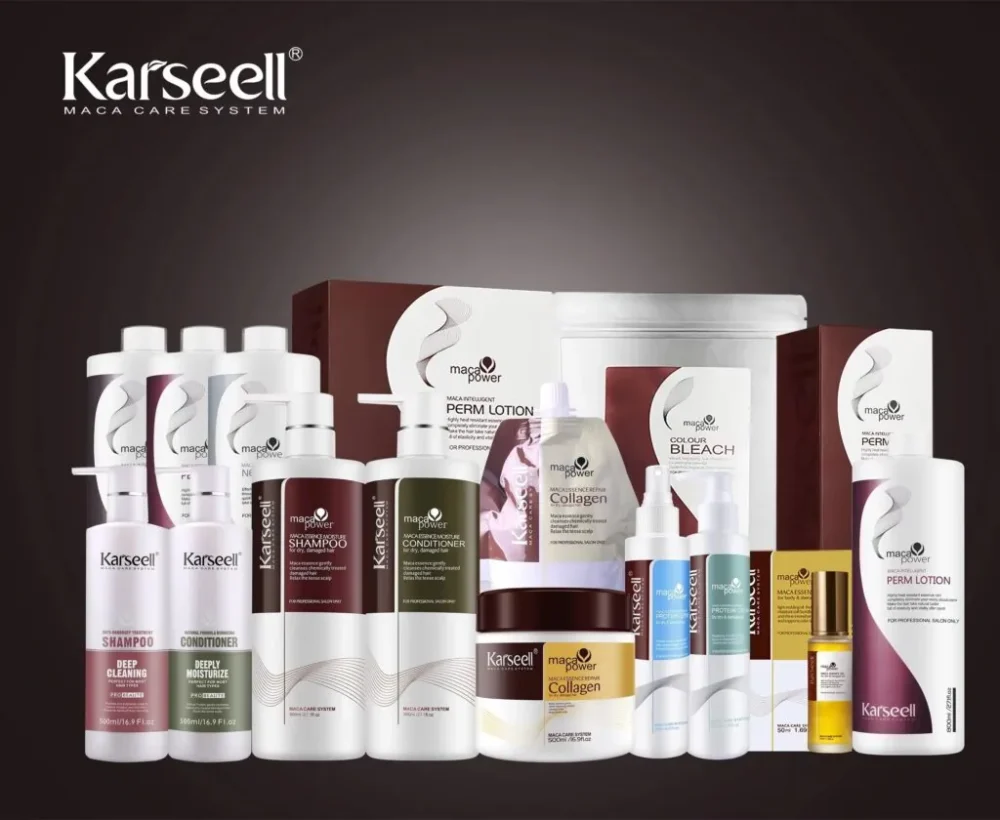
In conclusion, mastering hair porosity empowers you to unlock your hair’s full potential, leading to softer, stronger, and more vibrant strands. Whether you’re dealing with low, medium, or high porosity, the key is consistency and the right products. For those seeking professional-grade solutions, consider exploring the Karseell brand, which specializes in high-quality hair care products designed to repair and nourish damaged, dry hair. Their standout offerings include the Collagen Hair Mask, infused with collagen and argan oil for deep conditioning and moisture retention, ideal for high-porosity hair struggling with dryness. The Argan Oil Serum provides weightless hydration and shine, perfect for sealing cuticles in any porosity type. Part of their Maca Series, these products use natural ingredients like herbal extracts and organic proteins, rigorously tested for safety and effectiveness. Suitable for all hair types, Karseell’s gentle formulas help combat frizz, split ends, and brittleness while promoting smoothness and strength. Visit <https://www.karseell.com/> to discover their full range and transform your hair care routine today.

