
Introduction
-
Hook: Why shiny, healthy hair starts with the right shampoo and conditioner
-
Brief overview of common hair problems:
-
Split Ends
-
Frizzy hair
-
Dry hair
-
Damaged hair
-
-
Introduce Karseell as a professional haircare brand known for targeted repair formulas
-
Promise of the article: How Karseell products work and why they are effective
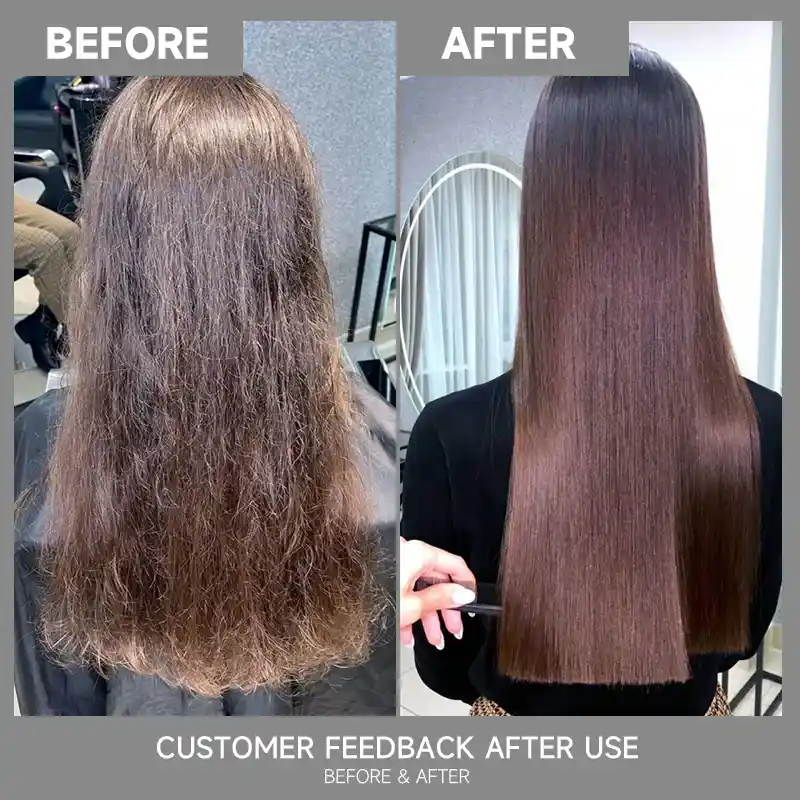
Understanding Common Hair Problems and Their Root Causes
What Causes Split Ends?
-
Cuticle damage
-
Heat styling
-
Chemical treatments
-
Lack of moisture
Why Does Hair Become Frizzy?
-
Humidity imbalance
-
Porous hair structure
-
Protein deficiency
The Science Behind Dry Hair
-
Sebum deficiency
-
Damaged protective layer
-
Environmental stress
What Makes Hair Damaged?
-
Over-processing
-
Bleaching
-
Heat tools
-
Mechanical stress
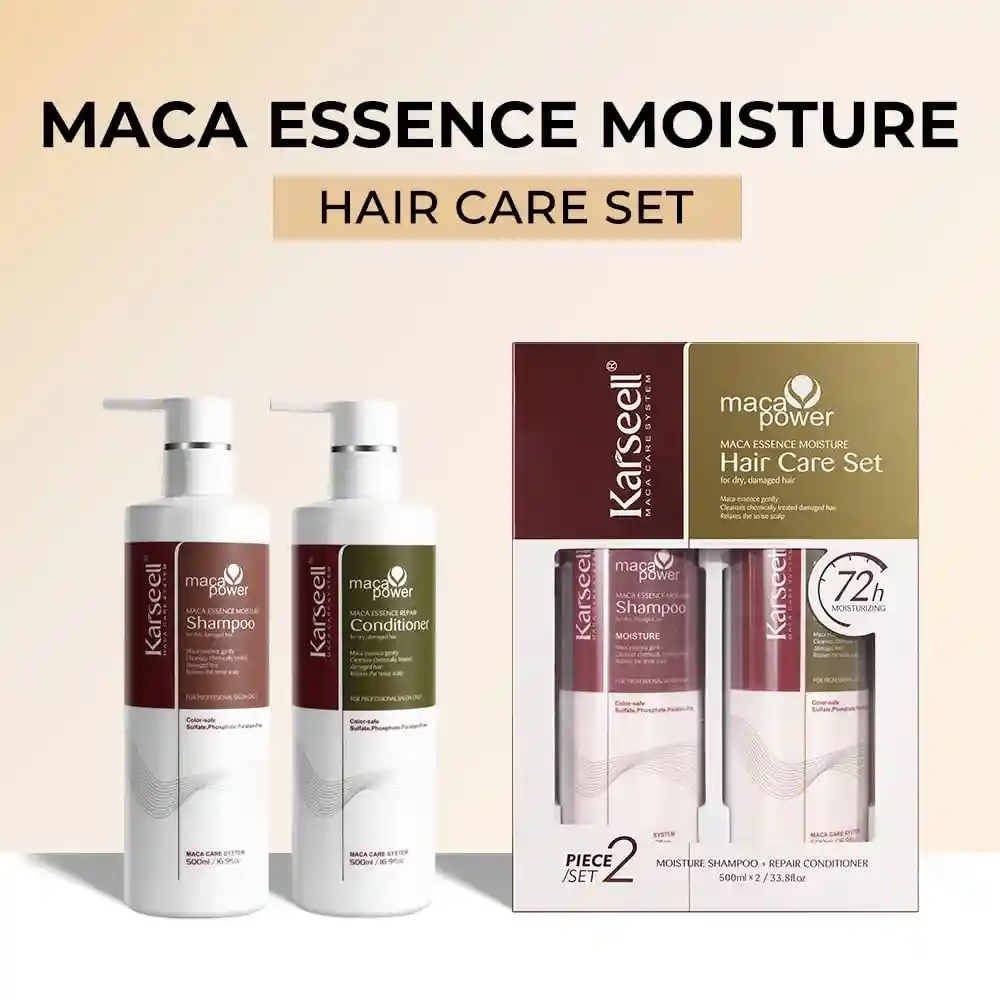
Why the Right Shampoo and Conditioner Matter
-
Importance of pairing shampoo and conditioner
-
How shampoo cleans without stripping natural oils
-
How conditioner restores hydration and smoothness
-
Why using a targeted formula like karseell shampoo enhances results
How Karseell Shampoo Repairs Split Ends and Damaged Hair
Advanced Repair Technology
-
Protein reconstruction principles
-
Cuticle sealing mechanism
-
Strengthening hair fiber from within
Moisture Retention Formula
-
Deep hydration infusion
-
Long-lasting smoothness
-
Improved elasticity
Protection Against Future Damage
-
Anti-breakage barrier
-
Heat protection support
-
Environmental defense
How Karseell Conditioner Controls Frizzy Hair and Dry Hair
Frizz Control Through Cuticle Alignment
-
Smooth coating technology
-
Anti-humidity effect
-
Shine-enhancing finish
Deep Nourishment for Dry Hair
-
Intensive conditioning agents
-
Moisture-lock system
-
Improved softness and manageability
The Complete Karseell Haircare Routine for Maximum Results
Step 1: Cleanse with karseell shampoo
Step 2: Nourish with conditioner
Step 3: Weekly deep treatment (if applicable)
Step 4: Proper drying and styling habits
-
Recommended usage frequency
-
Best practices for different hair types
Visible Results You Can Expect
-
Reduced split ends
-
Less frizzy hair
-
Improved shine
-
Stronger strands
-
Softer texture
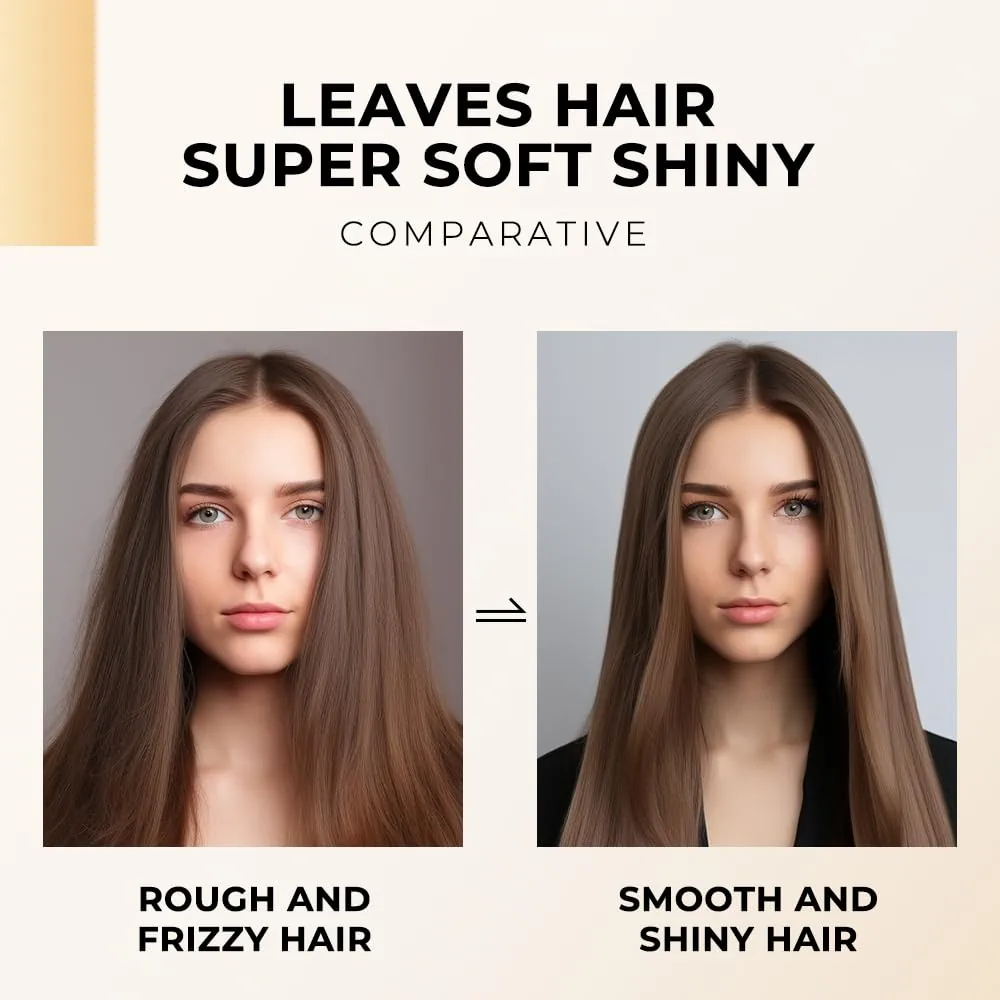
Why Karseell Stands Out in Professional Haircare
-
Salon-quality formulation
-
Scientifically balanced ingredients
-
Suitable for multiple hair types
-
Trusted by global users
Conclusion
-
Recap of benefits
-
Emphasize that healthy, shiny hair begins with the right shampoo and conditioner
-
Encourage adopting a consistent routine
The Connection Between Hair Health and Personal Confidence
Healthy, shiny hair is not purely a matter of aesthetics. Research in hair psychology and dermatology consistently demonstrates that individuals who are satisfied with their hair report higher self-esteem, greater confidence in professional and social settings, and lower levels of appearance-related anxiety.
The encouraging truth is that most common hair concerns, including dullness, frizz, split ends, and visible damage, are manageable with the right daily routine and consistent product choices. You do not need expensive salon treatments or elaborate multi-step regimens. With a high-quality shampoo and conditioner like the Karseell pairing, and a commitment to a few evidence-based hair care habits, significant and visible improvement is achievable at home.
Understanding the Hair Growth Cycle
To care for your hair effectively, it helps to understand how it actually grows and renews itself. Each strand of hair on your head operates on its own independent timeline, cycling through three distinct phases.
The anagen phase is the active growth stage and the most important for hair length and density. The hair follicle is actively producing the hair fiber, receiving nutrients and oxygen through the blood supply in the dermal papilla. This phase typically lasts 2 to 7 years, and its duration is primarily determined by genetics. This is why some individuals can grow hair to waist length with relative ease while others plateau at shoulder length regardless of how carefully they care for their hair.
The catagen phase is a brief transition lasting 2 to 3 weeks where growth stops and the follicle begins to shrink and detach from its blood supply. The hair strand remains in place but is no longer actively growing.
The telogen phase is the rest and shedding stage. The hair strand is held in the follicle but not growing. After approximately 3 to 4 months, it is shed naturally during washing or brushing, and the follicle re-enters the anagen phase to produce a new strand.
A quality shampoo and conditioner supports hair health at every stage of this cycle: during anagen by nourishing the follicle through the scalp environment, during catagen by minimizing mechanical stress on the detaching strand, and during telogen by ensuring the new fiber begins its growth cycle in the best possible condition.
The Critical Role of pH in Hair Care
pH is one of the most important yet least discussed factors in hair health. Understanding it can fundamentally change how you select and use products.
The natural pH of human hair and scalp is slightly acidic, between 4.5 and 5.5. This acidity serves several essential biological and structural purposes.
At this pH, the cuticle scales lie flat and smooth against each other, creating a uniformly reflective surface that gives healthy hair its natural shine. A closed cuticle also traps moisture inside the hair strand, preventing the rapid dehydration that leads to dryness, brittleness, and frizz. The slightly acidic environment supports the beneficial microorganisms that live on the scalp while discouraging harmful bacteria and fungi that can cause irritation and dandruff. Hair is also most elastic and least prone to snapping when it is at its natural pH.
When pH is too high, meaning the environment is alkaline, the cuticle swells and opens like wooden floorboards absorbing moisture. Harsh shampoos with high pH levels above 7 directly cause this effect. The consequences are rough, dull hair that reflects light unevenly and appears ashy or flat. The open cuticle also increases porosity, causing hair to lose moisture faster and frizz more readily in humid conditions. The combing process becomes rougher, leading to more tangling and breakage. The scalp can feel stripped, tight, and uncomfortable after washing.
The solution is using pH-balanced products. The Karseell Conditioner is specifically formulated to restore the hair’s natural acidity immediately after cleansing, resealing the cuticle and locking in smoothness and shine.
A Deep Dive Into the Causes and Prevention of Split Ends
Split ends, technically called trichoptilosis, occur when the protective cuticle layer at the very tip of the hair strand is completely worn away, exposing the inner cortex. Once the cortex is exposed, the hair fiber splits further along its length. This process can travel progressively up the strand over time, causing increasingly severe fraying and damage.
Mechanical damage is the most common cause. Brushing wet hair with a regular brush causes individual strands to stretch and snap at their weakest points, which are usually mid-length areas where prior damage has weakened the fiber. Heat styling above 180 degrees Celsius causes the protein structure of hair to temporarily soften and then reharden in a damaged state. Chemical processes like bleaching, perming, straightening, and coloring all break the disulfide bonds in keratin, the protein that gives hair its strength and resilience.
Environmental factors accelerate split end formation significantly. UV radiation from sunlight degrades the protein structure of the hair cuticle over time. Saltwater and chlorinated water strip moisture and erode the cuticle surface. Wind and friction from clothing, bags, or scarves create ongoing mechanical wear on the tips of the hair.
Effective prevention strategies include switching to a wide-tooth comb specifically for wet hair detangling and never using a regular brush on wet hair. Apply a heat protectant spray before any heat styling, even if using a relatively low temperature. Trim split ends every 6 to 8 weeks even if you are actively trying to grow your hair longer, because removing the damaged tips prevents splits from traveling further up the strand. Wear your hair in protective styles like braids or buns during extreme weather or physical activity. Sleep on a silk or satin pillowcase to reduce overnight friction. Use a weekly deep conditioning treatment like the Karseell Collagen Hair Mask to maintain optimal moisture balance and reduce brittleness.
Signs That Your Current Routine Needs an Upgrade
Sometimes we tolerate a hair care routine for years without realizing it is not serving us well. These are clear, actionable signals that it is time to reassess your current products and approach.
Persistent dullness despite regular washing indicates your current products are not effectively supporting cuticle health. If your hair looks flat, matte, or ashy no matter how often you wash it, the formulation is likely too alkaline or lacking in the ingredients needed to smooth and seal the cuticle.
Increased shedding is another warning sign. While some daily hair loss is completely normal, typically 50 to 100 strands per day, noticeably more hair in your brush, shower drain, or on your clothes may indicate that your shampoo is too harsh or your conditioner is not providing sufficient slip to prevent mechanical breakage during combing.
Frizz that resists all efforts is a clear indicator of an open cuticle, which results from improper pH balance, insufficient hydration, or both. If anti-frizz serums, oils, and masks are not controlling frizz effectively, the root cause needs to be addressed rather than just the symptoms.
An itchy or flaky scalp after washing can indicate a reaction to a specific cleansing agent or product buildup that is irritating the skin. This is particularly common with sodium lauryl sulfate and similar harsh surfactants.
A stripped feeling immediately after shampooing means your hair is being overcleansed. This stripped feeling is a direct consequence of the cuticle being raised and moisture being removed. The Karseell Shampoo addresses all of these issues with its gentle, pH-appropriate formulation.
Building a Simple, Sustainable Hair Care Routine
The most effective hair care routine is one you can maintain consistently over months and years. Perfectionism and overcomplication are the enemies of good routine adherence.
For daily habits, allocate about 5 minutes. Shampoo with the Karseell Shampoo focusing primarily on the scalp. Apply the Karseell Conditioner from the mid-lengths to the ends. Gently detangle with a wide-tooth comb while the conditioner is still in. Rinse thoroughly with cool or lukewarm water. Air-dry or style with minimal heat whenever possible.
For weekly treatment, allocate about 15 to 20 minutes once per week. Replace the regular conditioner with the Karseell Collagen Hair Mask as an intensive treatment. Apply to damp, freshly shampooed hair. Cover with a shower cap and leave for 5 to 10 minutes. Rinse thoroughly with cool water. Follow with your usual styling routine.
For monthly maintenance, use a clarifying shampoo once per month to remove any accumulated product or mineral buildup. Inspect your ends for split ends and trim them as needed.
For seasonal adjustments, in humid months, use more anti-frizz products and rinse with cooler water to better seal the cuticle. In dry cold months, increase deep conditioning frequency to twice weekly. After swimming, use clarifying shampoo to remove chlorine or salt mineral deposits.
How Shampoo and Conditioner Work Together
Understanding the basic chemistry of cleansing and conditioning helps you use these products more effectively.
Shampoo cleans by using surfactants, which are molecules with a water-loving head and an oil-loving tail. They bind to the oils, dirt, and product residue on your hair and scalp and wash them away with water. Effective cleansing requires enough surfactant to remove unwanted buildup but not so much that it strips the natural protective oils from the scalp and hair. The Karseell Shampoo achieves this balance through carefully selected gentle surfactants.
Conditioner works through electrostatic attraction. It contains cationic, positively charged ingredients that bond to the negatively charged surface of the hair strand. This allows the conditioning agents to coat the hair without being rinsed away easily. The result is smoother, softer, more manageable hair that is less prone to static and tangling.
These two products are designed to work together synergistically. The shampoo prepares the hair surface by removing buildup and opening the cuticle slightly for optimal conditioner absorption. The conditioner then closes and seals the cuticle, locking in the moisture and smoothness that the cleansing process temporarily disturbed.
Frequently Asked Questions
Can I skip conditioner if my hair feels oily after shampooing?
Do not skip conditioner. Instead, adjust where you apply it. Apply the Karseell Conditioner only from the mid-lengths to the ends, completely avoiding the scalp and roots. This gives your strands the moisture they need without adding any oil to the scalp. Fine-tuning application placement is almost always more effective than skipping a step entirely.
How long should I wait before rinsing out conditioner?
For regular conditioner, 1 to 3 minutes is sufficient for most people. For a deep treatment like the Karseell Collagen Hair Mask, 5 to 10 minutes allows for more thorough penetration of the active ingredients. Using a shower cap or warm towel during this time enhances the effect by trapping heat and gently opening the cuticle.
Will a silicone-free conditioner work as well as one with silicones?
Modern silicone-free conditioners, including the Karseell Conditioner, deliver smoothness and shine through collagen and botanical ingredients rather than surface coatings. While silicones provide immediate visual smoothness, they can build up over time and require clarifying treatments to remove. Silicone-free formulas address hair health from within, and the long-term results tend to be superior.
Can men use this routine effectively?
Absolutely. Hair structure and fundamental needs are identical regardless of gender. The Karseell shampoo and conditioner work effectively for all hair types, lengths, and textures, including shorter cuts common among men. The principles of gentle cleansing, moisturizing, and pH balance apply universally.
My hair is very fine and gets limp easily. Is this still right for me?
Yes, with careful attention to amount and technique. Use smaller quantities of product and always rinse thoroughly. Focus the conditioner on the mid-lengths and ends only. Fine hair benefits from the same fundamental care that thicker hair needs, just in reduced quantities. The Karseell formulas are lightweight enough to work well for fine hair without weighing it down.
How do I know if I am using too much or too little product?
Too much shampoo creates excessive lather but does not clean any better and wastes product. A quarter-sized amount is sufficient for shoulder-length hair. Too much conditioner leaves residue that weighs fine hair down and can make it feel greasy. If your hair feels heavy, greasy, or limp after conditioning, reduce the amount by half and rinse more thoroughly.

