
You have spent a small fortune at the salon to achieve the perfect icy blonde or sophisticated silver-gray hair. Three weeks later, you catch your reflection and your heart sinks — your beautiful cool-toned hair now has a distinct yellow tinge that makes you look like you stuck a fork in an electrical outlet. This is not a failure of your stylist’s work. It is simply the predictable chemistry of hair pigmentation at play. The solution? Purple shampoo.
Purple shampoo has become the holy grail product for anyone with blonde, silver, gray, or pastel-colored hair. But despite its ubiquity, there is a surprising amount of confusion about how it actually works, when to use it, and how to use it correctly. Some people swear by daily use; others have learned the hard way that overuse leads to a purple-tinged violet mess that is just as unflattering as the yellow it was meant to eliminate.
In this comprehensive guide, we are going to demystify purple shampoo once and for all. You will learn exactly how purple shampoo works from a color theory perspective, when to incorporate it into your routine, how to use it correctly, and how to avoid the most common mistakes that send people running back to the salon in frustration.
The Color Theory Behind Purple Shampoo: Why It Works
To understand how purple shampoo works, you need to understand a bit of basic color theory. On the color wheel, purple sits directly opposite yellow. This positioning is not arbitrary — it is a fundamental principle of color relationships that artists, designers, and now hair colorists have exploited for centuries. When complementary colors are placed next to each other, they neutralize one another visually.
When purple pigments come into contact with yellow or brassy tones in your hair, they cancel each other out on the visual spectrum. The result? Yellow undertones are neutralized, and your hair appears cooler, brighter, and more tonally balanced. This is the same principle that makes purple hair mask treatments so effective for maintaining blonde and silver hair between salon visits.
The purple pigment in these shampoos typically comes from synthetic violet pigments — compounds that are specifically formulated to be safe for topical use on hair while providing strong color-correcting properties. These pigments are not dyes in the traditional sense; they are color depositing agents that coat the surface of the hair cuticle rather than penetrating the cortex. This makes them less permanent and more controllable than traditional hair dyes, which is why purple shampoo is considered a maintenance product rather than a coloring treatment.

When to Use Purple Shampoo: Timing and Frequency
Knowing when to use purple shampoo is just as important as knowing how to use it. Used correctly, purple shampoo is a powerful tool for maintaining beautiful, cool-toned hair. Used carelessly, it can create problems that are frustratingly difficult to reverse.
Use purple shampoo when: Your blonde, silver, or gray hair has developed unwanted warm or yellow undertones. This typically happens within 2-4 weeks after a salon color treatment as the toner fades and the underlying warm pigments in your hair begin to show through. If you are noticing a brassiness that was not present immediately after your coloring appointment, it is time to reach for the purple shampoo.
When NOT to use purple shampoo: If your hair is already cool-toned and free of brassiness, using purple shampoo as your regular shampoo will gradually shift your hair toward an undesirable purple or violet hue. You do not need to use purple shampoo every single time you wash your hair — in fact, for most people, using it 1-3 times per week is sufficient to maintain cool tones without overdoing it.
The frequency also depends on your hair’s porosity and how quickly your natural warmth shows through. Highly porous hair — which is common after bleaching — tends to absorb pigments more quickly and lose them more quickly too. If you have very light platinum hair or have recently had a high-lift blonde applied, you may need purple shampoo more frequently. If your hair is darker blonde or has low porosity, once a week may be plenty.
How to Use Purple Shampoo: A Step-by-Step Guide
Proper application technique can make or break your purple shampoo experience. Here is the correct method for getting maximum color correction with minimum risk of over-toning.
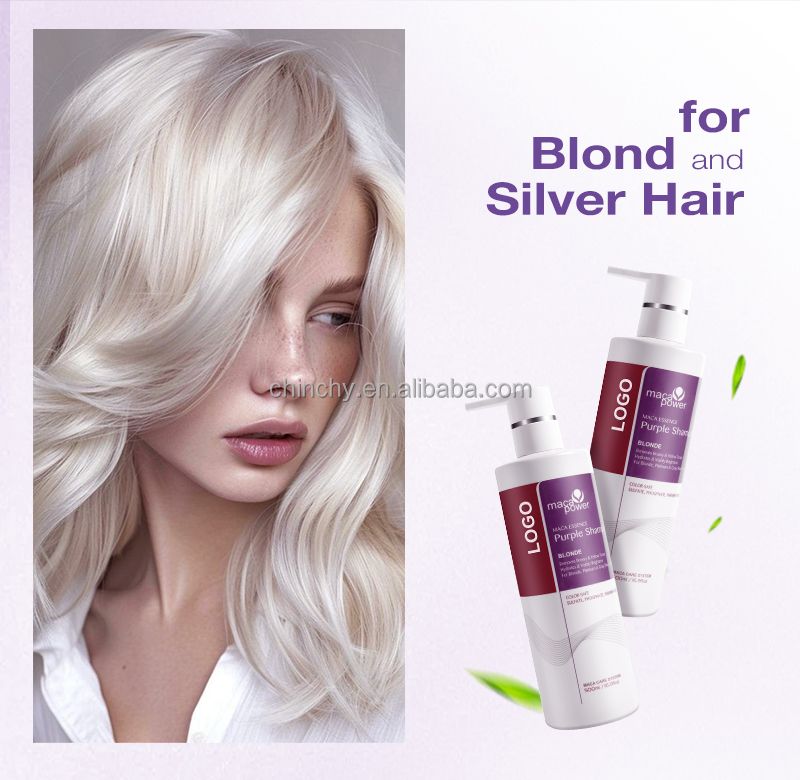
Step 1: Wet your hair thoroughly with lukewarm water. Hot water opens the cuticle too aggressively and can cause the purple pigment to penetrate too deeply, leading to uneven toning. Lukewarm water keeps the cuticle slightly raised for even distribution while preventing the pigment from going too deep.
Step 2: Apply purple shampoo to the most brassiest areas first. Do not apply it all over your head like regular shampoo. Instead, identify the areas with the most warmth — usually the crown, around the face, and the ends — and concentrate your application there. This targeted approach ensures you are treating the problem areas without unnecessarily toning hair that does not need it.
Step 3: Lather gently and let it sit. This is where many people go wrong. Purple shampoo is not a rinse-and-go product. After lathering, leave the shampoo in your hair for 1-5 minutes to allow the violet pigments time to deposit. Start with 1-2 minutes on your first use and adjust based on results. If you have very strong brassiness, you can extend to 3-5 minutes, but never exceed 5 minutes unless you are working with a professional.
Step 4: Rinse thoroughly. Complete removal is essential. Any remaining purple pigment can continue depositing color even after you step out of the shower, potentially leading to over-toning overnight.
Step 5: Follow with a purple conditioner. Just as a purple shampoo and mask combination provides both cleansing and toning benefits, following your purple shampoo with a purple-tinted conditioner ensures your hair remains moisturized while the cool tones are maintained. Many purple shampoo lines include matching conditioners for this purpose.
Purple Shampoo for Different Hair Types and Colors
Not all blonde hair is the same, and neither should your purple shampoo routine be. Tailoring your approach to your specific shade and hair type is the key to achieving optimal results.

Platinum and White Blonde: These are the most susceptible to yellowing and benefit most from purple shampoo. Use 2-3 times per week for maintenance, and always follow with a purple or neutral conditioner. Be especially careful not to over-tone — very light blonde can quickly shift to lavender if left on too long.
Ash Blonde and Beige Blonde: These shades already have cool undertones, so they require less aggressive toning. Once or twice a week is usually sufficient, and you may want to dilute the purple shampoo with your regular shampoo for milder results.
Silver and Gray Hair: Silver and gray hair requires the most diligent use of purple products because it shows both yellow and orange undertones more dramatically than any other hair color. Consider incorporating a purple hair mask treatment in addition to your regular purple shampoo use for maximum toning power.
Balayage and Highlights: These techniques create natural-looking dimension with both light and dark sections. Focus purple shampoo application on the lighter highlighted areas where brassiness is most visible, and avoid applying it to darker sections where it can create muddy, ashy patches.
Common Purple Shampoo Mistakes and How to Fix Them
Even with the best intentions, it is easy to go wrong with purple shampoo. Here are the most common mistakes and how to correct them.
Mistake 1: Overuse leading to purple-toned hair. If your blonde has taken on a distinct purple or violet cast, you have been using purple shampoo too frequently or leaving it on too long. The fix: switch to a regular moisturizing shampoo for 2-3 washes to strip away the excess pigment. In severe cases, a clarifying shampoo treatment can accelerate the process. Going forward, reduce frequency and leave-in time.
Mistake 2: Using purple shampoo on non-blonde hair. Applying purple shampoo to dark hair will not dye it purple, but it can create muddy, ashy tones that look dull and lifeless. Purple shampoo is specifically formulated for light blonde and silver tones. If you have dark hair and want to experiment with cool tones, explore color depositing options specifically designed for your shade.
Mistake 3: Not using it consistently enough. The flip side of overuse is underuse. Some people buy purple shampoo and use it once, see results, and then put it away for months. Color correction is an ongoing process that requires consistent maintenance. Once you achieve your desired tone, establish a sustainable maintenance schedule to keep it that way.
Frequently Asked Questions About Purple Shampoo
Can I use purple shampoo on brown hair?
Standard purple shampoo will not significantly affect brown hair because the concentration of violet pigments is designed for lighter hair. However, there are specific color-depositing products formulated for brown hair, such as brown hair color depositing masks that can add subtle cool tones or neutralize unwanted red or orange undertones in darker shades. These are quite different from purple shampoo in formulation and intent.
How long does it take for purple shampoo to work?
Results can be visible after the first use, especially if your brassiness is mild to moderate. For more established yellow tones, you may need to use purple shampoo consistently for 3-5 applications before seeing a significant tonal shift. If you see no improvement after 5-6 uses, the brassiness may be too deep for over-the-counter purple shampoo to address effectively, and a salon toner treatment may be necessary.
Should I use purple shampoo on natural (unbleached) blonde hair?
Natural blonde hair — particularly in children and young adults — often has warm golden or strawberry-blonde undertones that are natural and healthy. Purple shampoo would counteract these natural tones, creating an artificial, washed-out appearance. Purple shampoo is best reserved for processed blonde hair where the goal is to maintain a cool-toned result achieved through salon coloring. Natural warm blondes should embrace their natural glow rather than trying to neutralize it.
Can I mix purple shampoo with my regular shampoo?
Yes, and this is an excellent strategy for those who are new to purple shampoo or who have very light hair that is prone to over-toning. Mixing equal parts purple shampoo and your regular moisturizing shampoo dilutes the violet pigment, making each application milder and more controllable. As you become more comfortable with how your hair responds, you can adjust the ratio to suit your needs.
What is the difference between purple shampoo and purple hair masks?
Purple hair masks are typically more concentrated than shampoos and are designed to be left on for an extended period (usually 5-20 minutes) to deposit more intense color correction and deep conditioning simultaneously. Purple shampoo is for regular use during your wash routine, while purple masks are for weekly or bi-weekly intensive toning treatments. Using both together — shampoo in the shower and mask once a week — provides the most comprehensive color maintenance for blonde and silver hair.
Conclusion
Purple shampoo is one of the most genuinely useful innovations in modern hair care — a product that leverages real color science to solve a real problem that anyone with lightened hair faces. When used correctly, it extends the life of expensive salon color treatments, keeps your hair looking fresh and cool-toned between appointments, and saves you from the frustration of watching your investment fade to unflattering yellow.
The key to success is understanding that purple shampoo is a precision tool, not a daily shampoo. Use it when you see brassiness emerging, apply it strategically to the areas that need it most, leave it on for the right amount of time, and follow with a nourishing conditioner. When in doubt, less is more — you can always apply more next time, but removing excess pigment once it has deposited is far more difficult.
Your perfect cool-toned blonde is worth protecting. With the right knowledge and the right products, maintaining it is easier than you think.

