
There is a quiet revolution happening in bathrooms around the world — and it starts with a single drop of oil. For centuries, women in Morocco have relied on liquid gold harvested from the argan tree to nourish, protect, and transform their hair. Today, Moroccan argan oil has become one of the most celebrated hair care ingredients in the world. Yet despite its popularity, most people are still getting it completely wrong.
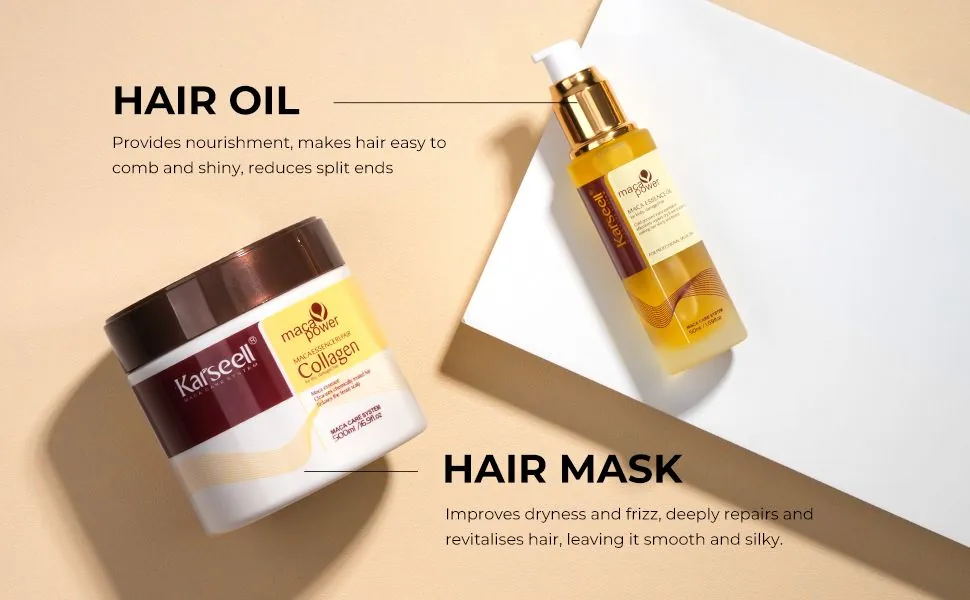
Applying hair oil is not as simple as squeezing some product onto your strands and hoping for the best. How much you use, where you apply it, and when you apply it — these factors can mean the difference between silky, luminous locks and a greasy, weighed-down mess. In this comprehensive guide, we are going to walk you through exactly how to use hair oil for every hair type so that you can unlock the full potential of this transformative ingredient.
Understanding Hair Oil and Why It Matters for Your Hair Type
Before diving into application techniques, it is essential to understand what hair oil actually does. What does argon oil do for hair — the science behind it is genuinely fascinating. Hair oil serves as a protective barrier that seals the hair cuticle, locking in moisture and preventing damage from heat styling, environmental stressors, and chemical treatments.
The key to success lies in choosing the right oil for your specific hair profile. Fine hair needs lightweight oils that won’t create buildup. Thick, coarse, and curly hair thrives with richer, more emollient oils. Understanding your hair type is the foundation of any effective hair care routine, and it all starts with honest self-assessment.
According to dermatologists and trichologists, your scalp produces sebum — a natural oil that travels down the hair shaft to provide lubrication. However, most people find that their natural sebum simply is not enough, especially if their hair is color-treated, heat-styled, or exposed to harsh climates. This is where supplemental hair oil application becomes a non-negotiable part of healthy hair maintenance.
How to Apply Hair Oil Based on Your Hair Type
Here is the most critical principle: the amount and placement of hair oil varies dramatically depending on your hair texture and porosity. Using too much oil on fine hair leads to limp, flat strands, while using too little on thick, textured hair leaves you unprotected and prone to frizz.
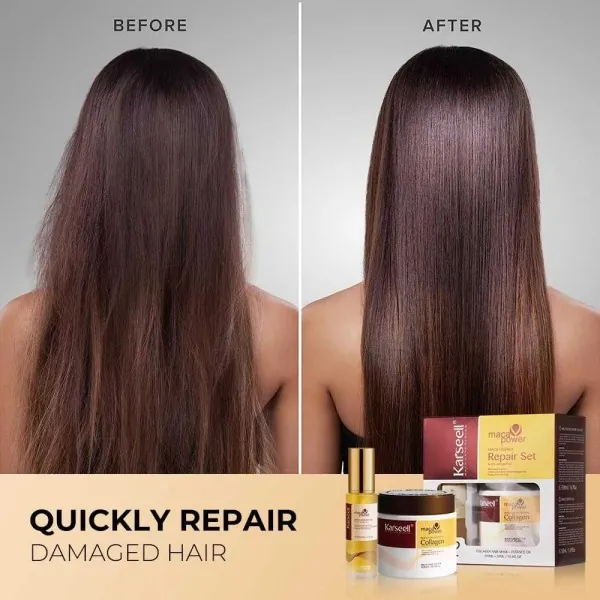
For those wondering how to use hair oil in a way that actually delivers visible results, here is the breakdown by hair type:
Fine or Thin Hair: Apply only to the mid-lengths and ends — never the roots. Use 2-3 drops total, warming the oil between your palms before pressing it into your hair. Focus on the ends where damage is most concentrated. Lightweight argan oil products work best for this hair type, as heavier oils will make fine hair look greasy within hours.
Medium or Normal Hair: You have the most flexibility here. Apply from mid-lengths to ends, using approximately 4-6 drops depending on hair length. This hair type responds beautifully to the collagen and argan oil combination that provides both moisture and structural support.
Thick, Coarse, or Curly Hair: Generous application is your friend. Coat your hair from root to tip, paying special attention to the ends which tend to be the driest. Curly hair in particular benefits from the complete hair mask, oil, and shampoo system approach, where oil is used as a sealing step after deep conditioning.
The Best Times to Apply Hair Oil for Maximum Benefit
Timing matters just as much as technique. Applying hair oil at the wrong moment can significantly reduce its effectiveness. The ideal times to apply hair oil for dry hair include:
As a Pre-Shampoo Treatment: Apply oil to dry hair 20-30 minutes before showering. This creates a protective barrier that prevents the shampoo’s surfactants from stripping away too much natural moisture. It is one of the most powerful deep conditioning strategies available, and it takes less than two minutes to do.
Post-Shampoo on Damp Hair: After washing, when your hair is still damp but not soaking wet, apply a small amount of oil to seal the cuticle. This is when your hair is most receptive to receiving nourishment because the cuticle is slightly raised, allowing oil to penetrate more deeply.
As a Leave-In Treatment: For extremely dry or damaged hair, a tiny amount of oil applied to the ends daily can work wonders. Just remember — a little goes a very long way. Start with one drop and add more only if your hair absorbs it without looking oily.
Before Heat Styling: Always apply a heat protectant that contains oil or apply oil directly before using flat irons, curling wands, or blow dryers. Protecting your hair from heat damage is one of the most effective ways to prevent the breakage and brittleness that leads to expensive treatments later.
Common Hair Oil Mistakes and How to Fix Them
Even the most well-intentioned hair care routines can go awry. Here are the most common mistakes people make when learning how to use hair oil for different hair types, along with the solutions that actually work.

Mistake 1: Using Too Much Oil: More product does not mean more benefits. If your hair looks greasy within an hour of application, you are overdoing it. Start with a minimal amount — even just one drop — and work up from there based on how your hair responds. The goal is glossy, not greasy.
Mistake 2: Applying Oil to Dirty Hair: Oil and dirt do not mix well. When you apply oil to hair that hasn’t been properly cleansed, you are essentially locking dirt and product buildup onto your strands. Always wash your hair first, then apply oil to clean, damp hair.
Mistake 3: Ignoring Your Scalp: While the focus of this guide is primarily on the hair strand itself, your scalp also needs attention. A light scalp massage with diluted oil can help improve circulation and create a healthier environment for hair growth. Just be sure to cleanse your scalp thoroughly afterward.
Mistake 4: Choosing the Wrong Type of Oil: Not all oils are created equal. For hair that is severely damaged and porous, premium argan oil formulas that contain additional repair ingredients like collagen are far more effective than pure oil alone. The combination of structural proteins and deep moisturization delivers results that pure oils simply cannot match.
Creating a Hair Oil Routine That Sticks
The best hair care routine is one you can maintain consistently. Rather than trying to overhaul your entire approach overnight, start by incorporating hair oil into your existing regimen. Perhaps begin with post-shampoo application twice a week, and gradually expand from there.
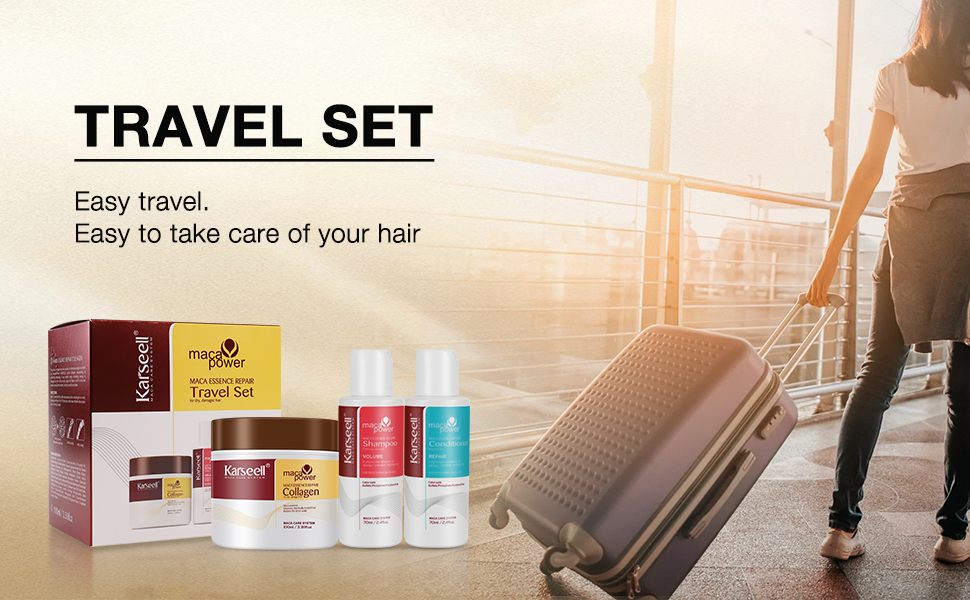
For those who travel frequently, consider building a compact travel hair care routine that includes a small bottle of premium argan oil. Consistency is the secret to achieving and maintaining the kind of healthy, shiny, resilient hair that turns heads.
Frequently Asked Questions About Hair Oil
How often should I apply hair oil to my hair?
For most hair types, applying hair oil 2-3 times per week is sufficient. Those with very dry, coarse, or curly hair may benefit from daily application, especially if they live in dry climates or regularly use heat styling tools. Listen to your hair and adjust accordingly — if it looks greasy by the next day, you are applying too much or too often.
Can I use hair oil on colored or chemically treated hair?
Absolutely — in fact, colored and chemically treated hair often needs hair oil more than untreated hair. Chemical processes like bleaching, perming, and coloring strip the hair of its natural lipids, making it more porous and vulnerable to damage. Regular application of nourishing treatments helps restore what the chemicals removed.
Should I apply hair oil to wet or dry hair?
Both methods work, but they serve different purposes. Applying to damp hair after washing seals the cuticle and locks in moisture — ideal for daily maintenance. Applying to dry hair before washing acts as a pre-shampoo treatment that protects the hair during cleansing. For best results, incorporate both methods into your weekly routine.
Is Moroccan argan oil better than other hair oils?
Moroccan argan oil is particularly prized for hair care because of its unique fatty acid composition and high vitamin E content. However, the best oil for you depends on your specific needs. Coconut oil is excellent for protein-starved hair, while jojoba oil closely mimics the scalp’s natural sebum. That said, argan oil remains the most versatile and well-researched option for general hair health.
Can hair oil help with split ends?
While hair oil cannot truly “repair” split ends once they have formed, it can prevent them from getting worse and mask their appearance by smoothing the cuticle. For a more comprehensive approach to treating split ends and breakage, look for products that combine argan oil with proteins and amino acids that can actually fill in damaged areas of the hair shaft.
Conclusion
Learning how to use hair oil the right way for your specific hair type is one of the most transformative things you can do for your hair health. It is not about using more product — it is about using the right amount in the right places at the right time. Whether you have fine, limp strands that need a touch of shine or thick, coily hair that craves deep nourishment, hair oil is your ally.
The journey to beautiful hair does not require expensive salon treatments or complicated multi-step routines. It simply requires understanding your hair, choosing the right products, and applying them consistently. Start today with a single drop of quality argan oil applied to your damp hair ends. Pay attention to how your hair responds. Adjust, refine, and build from there.
Your hair is unique. Treat it that way. With the right knowledge and a commitment to consistent care, the hair you have always dreamed of is closer than you think.

