
Heat styling tools—from flat irons and curling wands to blow dryers—have become staples in modern hair routines, offering quick fixes for sleek strands or bouncy curls. However, frequent or improper use of these tools can take a toll on your hair, stripping it of essential moisture, breaking down its protein structure, and leaving it dry, brittle, frizzy, and prone to split ends. Heat damage is not irreversible, but restoring your hair requires patience, consistency, and the right combination of gentle care, nourishing products, and lifestyle adjustments. In this complete guide, we’ll walk you through everything you need to know to repair heat-damaged hair, from identifying the signs of damage to implementing a restorative routine that brings back your hair’s natural health and shine. Plus, we’ll introduce you to Karseell— a brand whose natural, effective products are perfectly suited for your hair’s recovery journey.
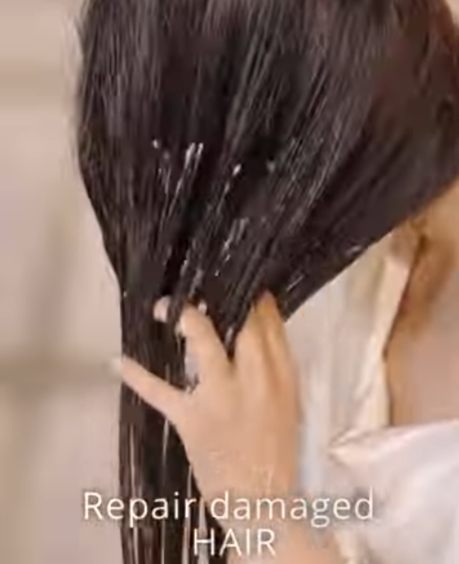
Understanding Heat Damage: Signs and Causes
Before diving into the restoration process, it’s important to understand what heat damage is and how to recognize it. Hair is made up of a protein called keratin, which forms a protective cuticle layer—think of it as shingles on a roof. When exposed to high heat (typically above 300°F/150°C), the keratin in the hair shaft denatures (breaks down), and the cuticle lifts, loses its smoothness, and becomes porous. This leads to a host of visible and textural issues that signal your hair is in need of repair.
Common Signs of Heat Damage
- Dryness and brittleness: Hair feels rough to the touch, lacks softness, and snaps easily when pulled gently.
- Frizz and unruliness: The lifted cuticle can’t lock in moisture, so hair absorbs humidity from the air, resulting in persistent frizz.
- Loss of shine: A healthy cuticle reflects light, but damaged cuticles appear dull and lack luster.
- Split ends: The hair shaft splits at the ends, often appearing as “tree branches” or frayed strands.
- Reduced elasticity: Damaged hair stretches less before breaking and doesn’t bounce back to its original shape.
- Color fading: Heat opens the cuticle, causing hair dye to wash out faster and leaving color looking dull or brassy.
Key Causes of Heat Damage
- High heat settings: Using flat irons or curling wands on maximum heat (400°F+/200°C+) is a major culprit, as this temperature directly damages keratin.
- Frequent styling: Styling hair with heat tools daily or several times a week doesn’t give the hair time to recover.
- Lack of heat protectant: Skipping heat protectant products leaves hair vulnerable to heat, as these products create a barrier that minimizes damage.
- Styling wet hair: Wet hair is more fragile than dry hair—heat causes the water inside the hair shaft to expand, leading to “bubbling” or internal damage.
- Poor tool quality: Low-quality heat tools distribute heat unevenly, leading to hot spots that burn or damage hair.
Step 1: Pause Heat Styling (or Minimize It Dramatically)
The first and most crucial step in repairing heat-damaged hair is to give it a break from heat. Continuing to style with heat will undo any progress you make, as the hair can’t heal while being repeatedly damaged. While this may feel daunting if you rely on heat tools for your everyday look, it’s a temporary sacrifice that will pay off in healthier hair.
- Go heat-free for 4–6 weeks: Aim to avoid all heat styling tools (blow dryers, flat irons, curling wands, hot rollers) for at least a month. Use heat-free styling methods instead—try air-drying, braiding damp hair for loose waves, using flexi rods for curls, or embracing your natural texture.
- If you must use heat: If a special occasion requires heat styling, keep it to a minimum. Use the lowest heat setting possible (below 300°F/150°C), apply a heat protectant generously, and avoid passing the tool over the same section of hair more than once.
Step 2: Switch to a Gentle, Nourishing Wash Routine
Heat-damaged hair is porous and lacks moisture, so your wash day routine should focus on cleansing gently without stripping hair further and infusing it with much-needed hydration. Harsh shampoos containing sulfates can worsen dryness, so opt for sulfate-free formulas that are designed for damaged hair.
Cleansing Tips for Heat-Damaged Hair
- Wash less frequently: Washing hair every day strips it of natural oils that help protect and moisturize. Aim to wash 2–3 times a week, or even less if your scalp isn’t overly oily.
- Use lukewarm water: Hot water opens the cuticle and washes away natural oils, while cold water seals the cuticle—use lukewarm water to cleanse, then finish with a cool rinse to lock in moisture.
- Choose a moisturizing shampoo: Look for shampoos with hydrating ingredients like hyaluronic acid, glycerin, coconut oil, or argan oil. These ingredients penetrate the hair shaft to replenish moisture without weighing hair down.
- Avoid clarifying shampoos: Clarifying shampoos are designed to remove buildup, but they’re too harsh for damaged hair and can strip away essential oils. Save them for occasional use (once every 4–6 weeks) if you notice product buildup.
Conditioning: The Star of the Wash Routine
Conditioning is non-negotiable for heat-damaged hair—it helps repair the cuticle, add moisture, and improve manageability.
- Use a rich, restorative conditioner: Opt for conditioners formulated for damaged or dry hair, with ingredients like keratin, collagen, shea butter, or jojoba oil. These ingredients help rebuild the hair’s protein structure and lock in moisture.
- Focus on mid-lengths and ends: The ends of the hair are the oldest and most damaged, so apply the majority of the conditioner there. Avoid applying too much conditioner to the scalp, as this can cause greasiness.
- Detangle gently: Use a wide-tooth comb to detangle hair while the conditioner is still in it. This reduces breakage, as the conditioner lubricates the hair and makes it easier to comb through.
- Try deep conditioning weekly: Deep conditioners (or hair masks) are more concentrated than regular conditioners and provide intense hydration and repair. Use a deep conditioner once a week—apply it to damp hair, cover with a shower cap, and leave it on for 15–30 minutes (or overnight for extra nourishment) before rinsing.
Step 3: Incorporate Protein Treatments to Rebuild Hair Structure
Heat damage breaks down the keratin in hair, so restoring protein is key to strengthening the hair shaft and reducing brittleness. Protein treatments help fill in gaps in the damaged cuticle, making hair more resilient and less prone to breakage. However, it’s important to balance protein with moisture—too much protein can make hair stiff and dry, while too little leaves it weak.
How to Use Protein Treatments
- Choose the right protein treatment: Look for treatments with hydrolyzed keratin, collagen, wheat protein, or silk protein—these are small enough to penetrate the hair shaft and bind to damaged areas.
- Frequency: Use a protein treatment every 2–3 weeks. If your hair is severely damaged, you can use it weekly for the first month, then reduce to biweekly.
- Follow with moisture: After a protein treatment, always use a moisturizing conditioner or deep conditioner. This balances the protein and ensures hair stays soft and hydrated.
DIY Protein Treatment Option (Optional)
If you prefer natural remedies, you can make a DIY protein treatment at home. Mix 1 egg (or 2 egg whites for fine hair) with 1 tablespoon of olive oil and 1 tablespoon of honey. Apply to damp hair, cover with a shower cap, leave on for 20 minutes, then rinse thoroughly and shampoo as usual. The egg provides protein, while the olive oil and honey add moisture.
Step 4: Adjust Your Styling Habits to Prevent Further Damage
While you’re repairing your hair, it’s important to adopt gentle styling habits that don’t cause additional stress. Even heat-free styling can lead to breakage if done incorrectly, so follow these tips to keep your hair safe:
- Blot, don’t rub: When drying hair, use a microfiber towel or a soft cotton t-shirt to blot excess water. Rubbing hair vigorously with a regular towel creates friction that lifts the cuticle and causes frizz and breakage.
- Air-dry whenever possible: Letting hair air-dry is the gentlest way to dry it. If you’re in a hurry, use a blow dryer on the cool setting with a diffuser attachment to minimize heat exposure.
- Avoid tight hairstyles: Ponytails, braids, or buns that are pulled too tight can cause tension breakage, especially around the hairline. Opt for loose styles, and use scrunchies or silk hair ties instead of elastic bands that pull on hair.
- Minimize brushing: Brushing dry, damaged hair can cause breakage. Use a wide-tooth comb or a brush with soft, flexible bristles, and comb hair when it’s damp (and conditioned) to reduce friction.
- Protect hair while sleeping: Sleep on a silk or satin pillowcase, or wrap your hair in a silk scarf. Silk and satin reduce friction between hair and the pillow, preventing frizz and breakage.
Step 5: Nourish Hair from the Inside Out
Healthy hair starts from within, so supporting your hair’s recovery with a nutrient-rich diet and lifestyle habits is essential. The vitamins, minerals, and proteins you consume help build strong, healthy hair from the root.
Key Nutrients for Hair Health
- Protein: Hair is made of protein, so eating enough lean protein (chicken, fish, eggs, tofu, legumes) is crucial for hair growth and repair.
- Omega-3 fatty acids: Found in salmon, flaxseeds, chia seeds, and walnuts, omega-3s nourish the scalp and hair follicles, reducing dryness and inflammation.
- Vitamins A, C, and E: Vitamin A (sweet potatoes, carrots, spinach) promotes sebum production, which moisturizes the scalp. Vitamin C (citrus fruits, bell peppers) helps produce collagen, a protein that strengthens hair. Vitamin E (avocado, almonds) is an antioxidant that protects hair from damage.
- Iron and zinc: Iron (red meat, lentils, spinach) carries oxygen to hair follicles, while zinc (oysters, pumpkin seeds, quinoa) supports hair growth and repair.
- Biotin: Also known as vitamin B7, biotin (eggs, nuts, whole grains) helps maintain hair strength and prevent breakage.
Lifestyle Tips for Hair Health
- Stay hydrated: Drinking plenty of water (8–10 cups a day) keeps hair and scalp hydrated from the inside out.
- Manage stress: Chronic stress can lead to hair loss and slow down hair growth. Practice stress-reducing activities like yoga, meditation, or exercise.
- Get enough sleep: Sleep is when your body repairs and regenerates cells, including hair cells. Aim for 7–9 hours of quality sleep each night.
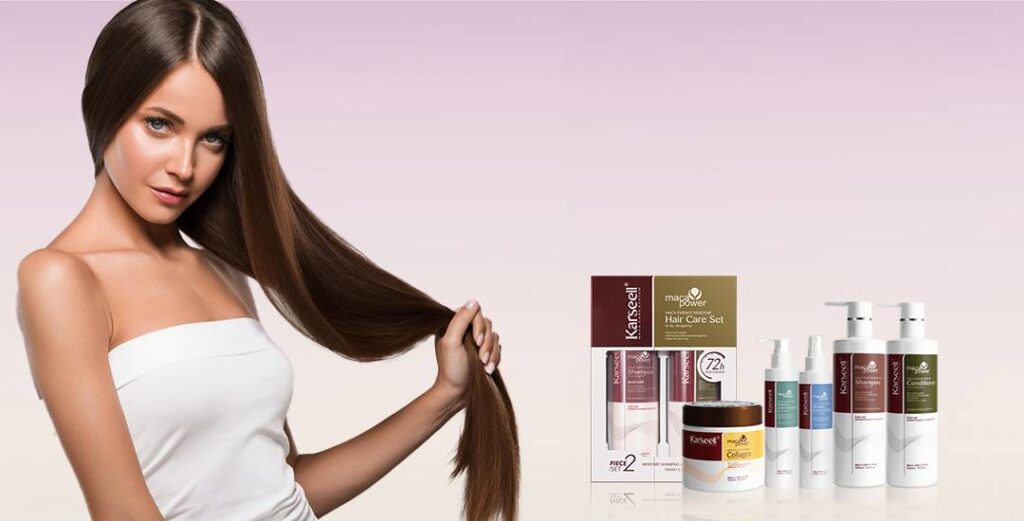
Revive Your Hair with Karseell’s Natural, Restorative Products
As you embark on your heat-damage recovery journey, choosing the right products is crucial—and Karseell’s line of natural, gentle hair care products is designed to nourish, repair, and restore damaged hair. Karseell is a brand dedicated to helping everyone showcase their unique beauty, and their products are rigorously tested for quality and safety, with a focus on natural ingredients that are gentle and non-irritating.
Must-Try Karseell Products for Heat-Damaged Hair
- Karseell Collagen Hair Shampoo + Hair Conditioner Set: This sulfate-free set is a game-changer for damaged hair. The shampoo cleanses gently without stripping natural oils, while the conditioner is infused with collagen— a protein that rebuilds the hair’s structure—and nourishing extracts that hydrate dry, brittle strands. With a 4.98-star rating, customers rave about how it leaves hair feeling softer, smoother, and more manageable.
- Karseell Collagen Hair Treatment: Rated 4.99 stars (nearly perfect!), this deep treatment is formulated to penetrate the hair shaft, repairing dry and damaged hair from the inside out. The combination of collagen and argan oil works to restore moisture, reduce frizz, and add a glossy shine. Customers love how it transforms their brittle hair into soft, healthy-looking locks.
- Karseell Moroccan Argan Oil for Hair Healing: This luxurious argan oil serum (4.99-star rating) provides instant moisture and healing for split ends and frizzy hair. A few drops massaged into damp or dry hair seals the cuticle, locks in moisture, and adds a radiant shine—perfect for taming flyaways and reviving dull, damaged strands.
- Karseell Repair Protein Cream Leave-In Conditioner: This lightweight leave-in conditioner (4.98-star rating) is packed with organic protein and herbal essences that repair damaged hair and prevent breakage. It’s ideal for daily use, as it adds moisture without weighing hair down, and leaves hair feeling soft and restored.
All Karseell products are suitable for all hair types, including heat-damaged hair, and are free from harsh chemicals that can further irritate or damage your strands. Plus, you can save on your recovery routine with Karseell’s exclusive discounts: get 10% off your order with code KA10, or 20% off orders over $100 with code KA20.
Don’t let heat damage dim your hair’s natural beauty—visit https://www.karseell.com/ today to explore Karseell’s full range of restorative hair care products. With their natural, effective formulas and your commitment to gentle care, you’ll be on your way to healthier, stronger, and more radiant hair in no time. Karseell’s products are loved by customers worldwide for their ability to deliver superior results, and they’re here to help you restore your hair’s health and shine.

