
Not all hair is created equal, and if there is one thing the world of hair care finally understands, it is that the best results come from treatments matched to your specific hair type. A mask that works wonders for thick, coarse curls might leave fine straight hair flat and greasy. Here is your complete guide to finding the best hair mask for your hair type.
For a full overview of what hair masks are and how they work, read our Complete Guide to Hair Masks.
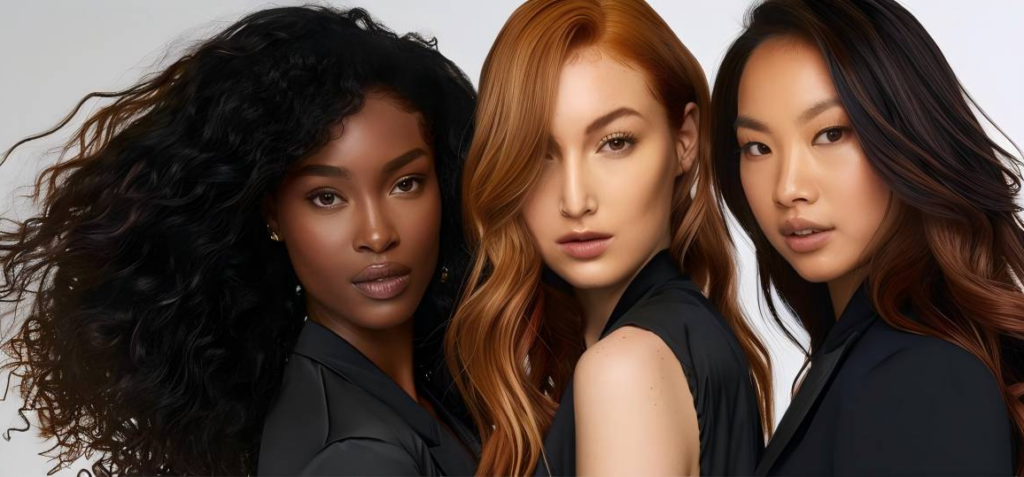
Hair type, porosity, and texture all determine which mask will work best for you.
Understanding Your Hair Type
Before diving into product recommendations, it helps to understand the two dimensions that matter most:
- Texture: Fine, medium, or thick/coarse hair — this refers to the diameter of individual strands
- Porosity: How easily your hair absorbs and retains moisture — low, medium, or high
Fine, low-porosity hair needs lightweight, water-based formulas. Thick, high-porosity hair thrives with heavy, oil-rich treatments. Once you understand your hair unique profile, choosing the right mask becomes much simpler.
Best Hair Masks for Dry Hair
Dry hair needs moisture — but not just any moisture. Look for masks containing humectants like glycerin and hyaluronic acid, combined with occlusive oils like argan oil, coconut oil, or shea butter.
The best masks for dry hair will:
- Restore the hair natural lipid barrier
- Penetrate deeply to hydrate from within
- Leave hair soft without residue or heaviness
- Provide long-term moisture improvement, not just a temporary slick
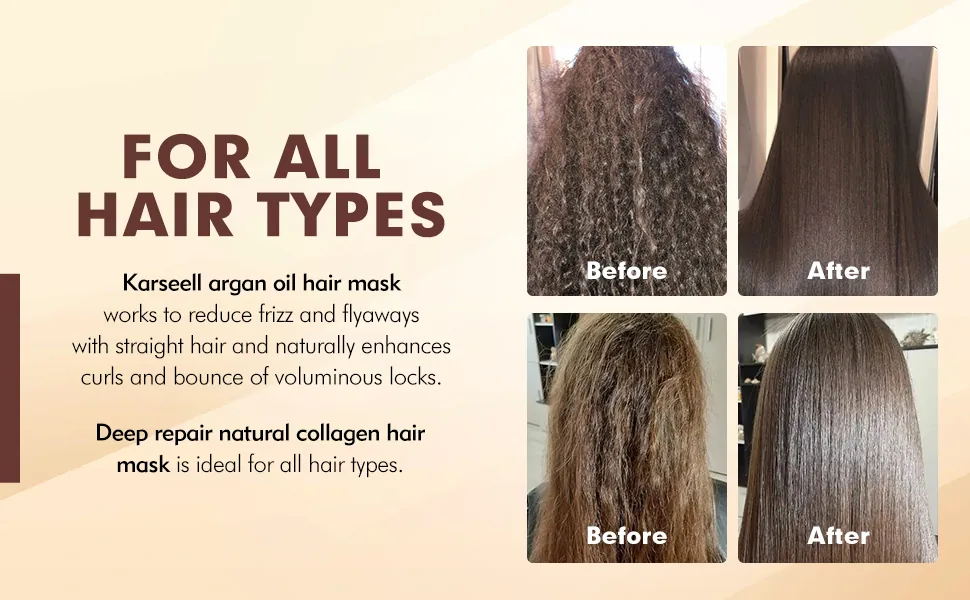
Recommended Ingredients for Dry Hair
Shea butter, avocado oil, honey, glycerin, aloe vera, and vitamin E are your best friends. Avoid alcohol-based formulas and anything with harsh sulfates that will strip what little natural moisture remains.
Best Hair Masks for Oily Hair
It may seem counterintuitive, but oily hair often needs moisture too — just the right kind. When hair is stripped of all oil, the scalp compensates by producing even more. A lightweight, water-based mask can actually help balance oil production.
For oily hair, look for:
- Gel-based or water-light textures
- Ingredients like aloe vera, green tea extract, and witch hazel
- Protein-enriched formulas to strengthen without weighing down
- Masks applied only to mid-lengths and ends, never the scalp
Ingredients to Avoid for Oily Hair
Heavy butters (shea, mango), coconut oil, and petrolatum derivatives can be too occlusive for already-oily hair types. Lightweight humectants are your best bet.
Best Hair Masks for Damaged Hair
Damaged hair — whether from heat styling, bleach, perms, or just years of wear and tear — needs the most intensive care. The goal is to repair the cuticle, rebuild the protein structure, and restore flexibility.
The best masks for damaged hair contain:
- Hydrolyzed keratin or collagen — fills in cuticle gaps
- Silk amino acids — smooths and strengthens
- Argan oil or avocado oil — nourishes without heaviness
- Ceramides — rebuilds the lipid matrix
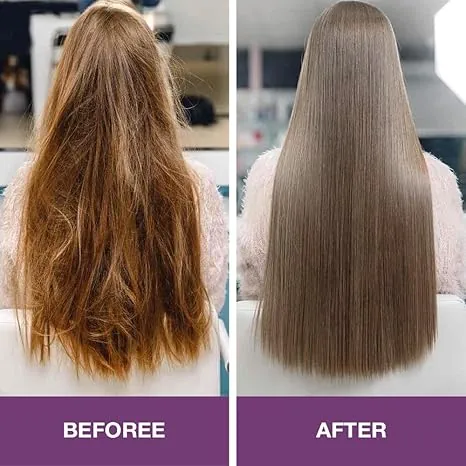 Damaged cuticles have visible gaps that deep conditioning masks can help repair over time.
Signs Your Hair Is Damaged
- Frizz that will not settle no matter what products you use
- Split ends appearing within days of a trim
- Hair that snaps or breaks easily when stretched
- Dull, lackluster appearance despite regular washing
- Color fading faster than usual
- Texture that feels different from side to side
Best Hair Masks for Curly Hair
Curly hair is naturally drier than straight hair because the scalp natural oils have a harder time traveling down the spiral strand. This means curls almost always benefit from rich, emollient masks packed with moisture.
For curly and coily hair types:
- Choose masks with heavy oils: coconut oil, castor oil, avocado oil
- Butters like shea and mango work exceptionally well
- Protein is important for curl definition and structural support
- Look for masks labeled as curl-enhancing or curl-defining
The LOC Method with Hair Masks
Many curly hair enthusiasts incorporate masks into the LOC (Liquid, Oil, Cream) method. Apply your mask as the “liquid” step for deep hydration, followed by an oil to seal and a cream to style.
Best Hair Masks for Straight Hair
Straight hair types can often get away with lighter formulations but still need hydration and protection. The key concern for straight hair is often oiliness at the roots with dry, tangly ends — a split situation that requires targeted application.
For straight hair:
- Apply masks primarily to the mid-lengths and ends
- Water-based, lightweight gels are ideal
- Avoid anything too heavy that will flatten the hair
- Heat-activated masks work particularly well for straight hair
Best Hair Masks for Color-Treated Hair
Color-treated hair faces a unique challenge: the chemical process that opens the cuticle to deposit color also leaves the hair structurally compromised. A mask for colored hair needs to both repair damage and protect the investment you have made at the salon.
Key features of color-safe masks:
- Sulfate-free formulas that will not strip color
- UV filters to prevent fading from sun exposure
- Antioxidants like vitamin E to lock in color molecules
- Deep hydration to counteract the drying effects of color treatments
Color-Enhancing Masks: A Special Category
Beyond standard conditioning, color-depositing masks like purple masks for blonde hair and brown or caramel masks for brunettes actively maintain and refresh your color between salon visits.
Hair Mask Comparison by Hair Type
| Hair Type | Best Mask Type | Key Ingredients | Ingredients to Avoid |
|---|---|---|---|
| Dry Hair | Moisturizing/Hydrating | Glycerin, hyaluronic acid, argan oil, shea butter | Alcohols, sulfates |
| Oily Hair | Lightweight Protein | Aloe vera, green tea, light proteins | Heavy butters, petrolatum |
| Damaged Hair | Protein/Repair | Keratin, collagen, ceramides, argan oil | Alcohol-heavy formulas |
| Curly Hair | Rich Emollient | Coconut oil, shea butter, avocado oil | Lightweight gels only |
| Straight Hair | Lightweight Hydrating | Aloe vera, silk proteins, vitamin E | Very heavy creams |
| Color-Treated | Color-Safe Moisturizing | UV filters, antioxidants, vitamin E | Sulfates, clarifying agents |
How to Test If a Mask Is Right for You
When trying a new mask, give it at least three to four uses before deciding. Hair needs time to respond to treatment. Pay attention to:
- How your hair feels immediately after rinsing
- How it behaves when dry — is it soft, bouncy, and manageable?
- Whether the results last for a few days or just one day
- If your hair feels weighed down or still dry
Building Your Hair Mask Routine
Consistency is more important than using the most expensive mask. A good routine:
- Uses the mask 1-3 times per week consistently
- Rotates between moisturizing and protein masks if needed
- Adjusts frequency based on seasonal changes (winter dryness, summer humidity)
- Complements the mask with a suitable shampoo and conditioner
Frequently Asked Questions
Can I use different hair masks for different parts of my hair?
Absolutely. This technique is called “multi-masking” for hair. You might use a protein-rich mask on damaged ends and a lighter moisturizing mask on less damaged mid-lengths.
How do I know if my hair is protein-sensitive?
If your hair becomes stiff, straw-like, or brittle after a protein treatment — even a good-quality one — you may be sensitive to protein or overdoing it. Switch to a pure moisturizing mask and see if the texture improves.
Is a more expensive hair mask always better?
Not necessarily. Price often reflects brand positioning and packaging rather than formula efficacy. Read the ingredient list: look for the active ingredients near the top of the list.
Final Thoughts
Finding the right hair mask for your hair type is a process of observation and experimentation. Start with this guide, pay attention to how your hair responds, and do not be afraid to adjust. Explore our full range of hair masks to find the perfect match for your unique hair needs.

