
1. Hydrate from Within
2. Use a Gentle, Moisturizing Shampoo
3. Apply Natural Oils
4. Try an Apple Cider Vinegar Rinse
5. Avoid Hot Water Showers
6. Use a Humidifier
7. Limit Heat Styling and Chemical Treatments
8. Incorporate a Nourishing Hair Mask

Introducing Karseell: Professional Care for a Healthy Scalp
Understanding the Difference Between Dry Scalp and Dandruff
Before treating a dry scalp, it is important to distinguish it from dandruff, as the treatments differ significantly.
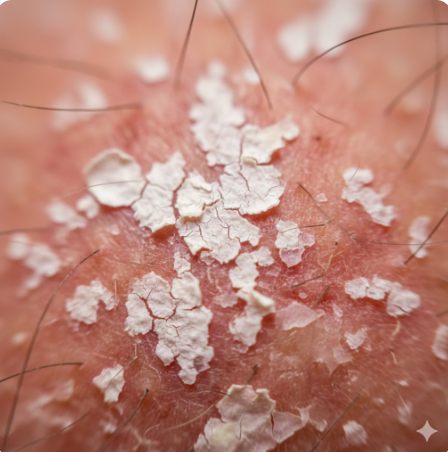
Dry scalp occurs when the scalp lacks sufficient moisture. The skin on the scalp flakes in small, white particles that are not oily and fall easily. It is often accompanied by tightness, itching, and irritation. Dry scalp is typically worse in winter (due to low humidity and indoor heating), in areas with hard water, and in people who wash their hair frequently with harsh shampoos.
Dandruff, by contrast, is usually caused by an overgrowth of a yeast-like fungus called Malassezia that feeds on the oils of the scalp. This causes rapid cell turnover, leading to larger, oilier flakes that are yellowish in color and may cling to the hair. Dandruff is often worse in hot, humid weather and may be accompanied by redness or inflammation.
The treatments are different because dry scalp needs moisturizing ingredients, while dandruff needs antifungal or keratolytic (flaking-reducing) ingredients. Using anti-dandruff products on a dry scalp can actually worsen the condition by stripping additional oils and drying out the skin further.
The Karseell Collagen Hair Mask is applied to the hair strands, not the scalp, so it does not directly treat the scalp. However, it can indirectly support scalp health by reducing the need for frequent washing, which preserves natural scalp oils.
Why the Scalp Microbiome Matters for Scalp Health
The scalp, like the skin everywhere on the body, hosts a community of microorganisms including bacteria, fungi, and mites. This community is called the scalp microbiome, and its balance is essential for scalp health.
When the scalp microbiome is balanced, the beneficial microorganisms keep potentially harmful ones in check. When this balance is disrupted, problems develop.
Common disruptors of the scalp microbiome include harsh sulfate shampoos that strip both harmful and beneficial microorganisms, silicone-based products that create an anaerobic environment favorable to certain fungi, hormonal changes that alter oil production, and stress that affects immune function.
Supporting a healthy scalp microbiome involves using gentle, pH-appropriate cleansers that do not completely sterilize the scalp surface, occasional use of targeted antifungal ingredients like tea tree oil or ketoconazole when needed, maintaining good scalp hygiene without over-washing, and managing stress levels to support immune function.
The Role of Sebum in Scalp Health
Sebum is the oil produced by the sebaceous glands in the scalp. While excess sebum causes its own problems, the right amount of sebum is essential for scalp health.
Sebum provides a natural protective barrier that moisturizes the scalp skin and prevents water loss. It has mild antifungal and antibacterial properties that support the scalp microbiome. It also conditions the hair strand as it travels through the sebaceous duct to the skin surface.
When sebum production is disrupted, either too low (causing dry scalp) or too high (causing oily scalp and conditions like seborrheic dermatitis), both the scalp and hair suffer.
Factors that affect sebum production include genetics (primary determinant), hormonal changes (puberty, menstrual cycles, pregnancy, menopause), diet (high-glycemic foods and dairy can increase sebum), stress (increases cortisol which stimulates sebum), and climate (heat and humidity generally increase sebum production).
Understanding your sebum production pattern helps you choose the right hair care frequency and products.
Essential Oils and Botanical Ingredients for Dry Scalp
Several natural botanical ingredients have demonstrated effectiveness for dry scalp relief.
Tea tree oil has well-documented antifungal and antibacterial properties. It is effective for both dry scalp and mild dandruff. A few drops of tea tree oil added to your shampoo or diluted in a carrier oil applied to the scalp can provide relief. Karseell’s eco-friendly formulas incorporate tea tree oil for its soothing scalp benefits.
Aloe vera gel has remarkable moisturizing and anti-inflammatory properties. It soothes irritated scalp skin, reduces itching, and provides lightweight hydration without clogging pores. Pure aloe vera gel can be applied directly to the scalp as a treatment.
Chamomile extract has anti-inflammatory and soothing properties that make it effective for irritated, itchy scalps. It is gentle enough for sensitive skin and can be used as a scalp tonic.
Rosemary oil stimulates blood circulation to the scalp, which can help with nutrient delivery to hair follicles. It also has mild antibacterial properties. Dilute in a carrier oil before applying to the scalp.
Lavender oil has calming properties for both the scalp and the mind. It has mild antimicrobial properties and a pleasant scent that makes it a popular addition to scalp care routines.
Building a Dry Scalp-Friendly Hair Care Routine
Addressing dry scalp effectively requires both immediate relief measures and long-term preventive habits.
For immediate relief, apply a natural oil like jojoba or sweet almond oil to the scalp 30 minutes before washing. This provides direct moisture to dry scalp skin and helps loosen flakes for gentle removal during shampooing.
For regular care, switch to a gentle, sulfate-free shampoo like the Karseell Maca Essence Shampoo. It cleanses without stripping the scalp’s natural protective oils, which is essential for preventing dry scalp from recurring.
Limit washing to every 2 to 3 days if possible. Frequent washing accelerates moisture loss from the scalp. If you must wash daily, use only water on non-shampoo days or a very gentle, moisturizing cleanser.
Avoid hot water on the scalp. Use lukewarm water for washing and finish with a cool rinse. Hot water strips natural oils faster than lukewarm or cool water.
Maintain adequate room humidity, especially in winter when indoor heating drastically reduces air humidity. A humidifier in your bedroom can significantly improve scalp moisture levels overnight.
Frequently Asked Questions
Will the Karseell Collagen Hair Mask help my dry scalp?
The mask is formulated for the hair strand, not the scalp. However, by maintaining overall hair health, it reduces the need for frequent washing, which helps preserve the scalp’s natural moisture. For direct scalp treatment, look for targeted scalp serums or treatments alongside the mask.
Is it safe to apply the mask near the scalp if I have dry scalp?
Applying a small amount near the scalp is generally safe, but be cautious. The mask ingredients near the scalp can transfer to the scalp and may cause buildup that worsens certain scalp conditions. Focus application from the mid-lengths downward.
How often should I wash my hair if I have a dry scalp?
Every 2 to 3 days is ideal for most people with dry scalp. This allows enough time for natural oils to build up and protect the scalp without building up so much that they cause other issues.
Can stress really make my dry scalp worse?
Yes. Chronic stress elevates cortisol levels, which can disrupt the skin barrier function throughout the body, including the scalp. Managing stress through exercise, adequate sleep, and relaxation techniques can directly improve dry scalp symptoms.

